 By Editorial Team
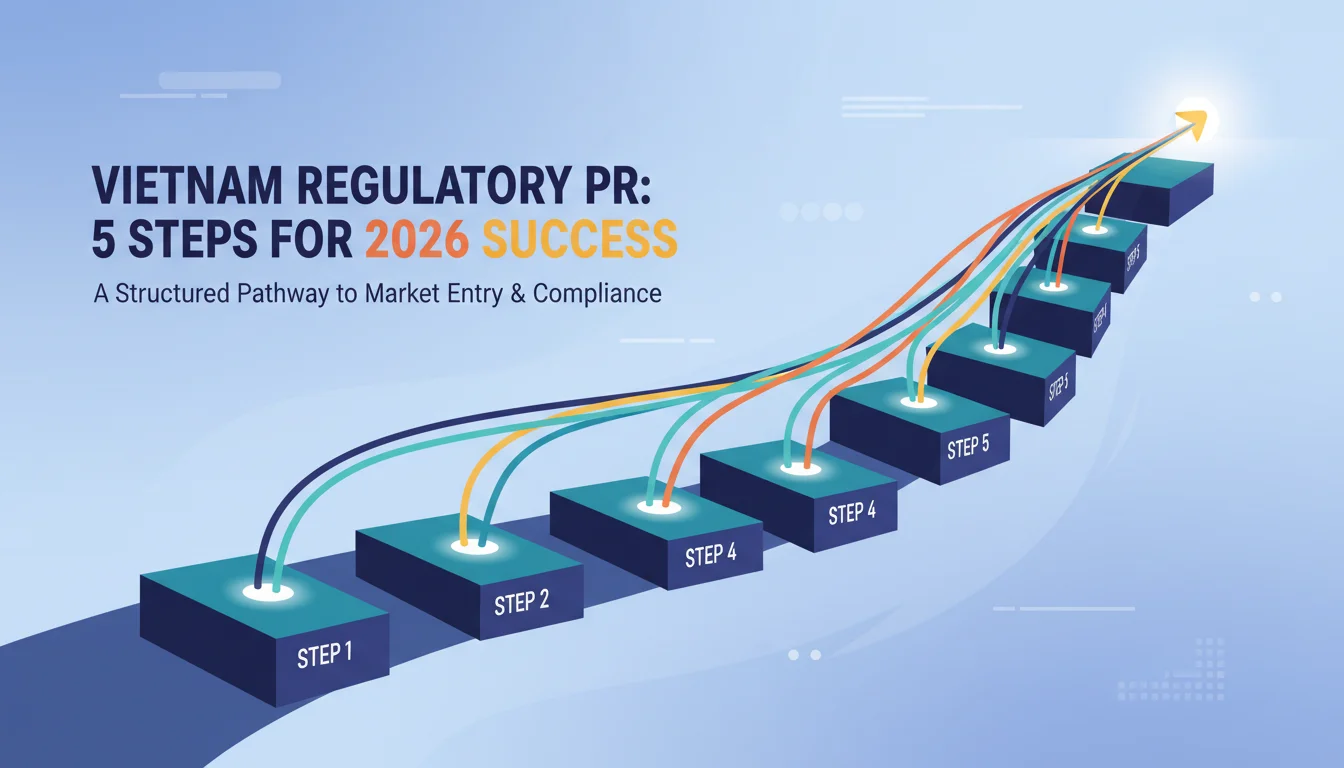
Vietnam’s business environment presents a dynamic field where regulatory compliance is paramount. Leaders must adopt proactive public relations strategies to manage scrutiny effectively and maintain stakeholder trust. Ignoring this reality can lead to significant reputational damage and financial penalties. How can businesses in Vietnam confidently navigate this complex regulatory terrain?
Key Takeaways
- Establish a dedicated regulatory compliance team with clear roles and responsibilities to monitor legal changes from agencies like the Ministry of Information and Communications (MIC) and the State Bank of Vietnam.
- Develop a complete crisis communication plan that includes pre-approved statements, designated spokespersons, and a clear chain of command for responding to regulatory inquiries or incidents.
- Implement continuous media monitoring using tools like Meltwater or Cision, focusing on Vietnamese news outlets and social media platforms, to detect potential issues early and track public sentiment.
- Engage proactively with government agencies through formal channels, participating in public consultations for new regulations, and building relationships with relevant officials to foster transparency.
- Conduct regular internal audits and external legal reviews, at least biannually, to ensure all operational aspects align with current Vietnamese laws, including Decree 72/2013/ND-CP on internet services and information on the network.
1. Establish a Proactive Regulatory Intelligence System
The foundation of effective PR in a tightly regulated market like Vietnam is an exceptional understanding of the regulatory environment. This means moving beyond reactive responses to building a strong intelligence system. Start by designating a core team responsible for monitoring all relevant legislative updates. This team should include legal counsel, public relations specialists, and operational heads. Their primary task is to track pronouncements from key government bodies, such as the Ministry of Information and Communications (MIC) for digital content and data, the State Bank of Vietnam (SBV) for financial services, and the Ministry of Industry and Trade (MOIT) for consumer protection and trade. We often see companies scramble when a new decree is announced, but the savviest businesses have been tracking drafts for months.
For instance, Decree 72/2013/ND-CP, which regulates internet services and information on the network, has seen several amendments. Staying ahead requires subscription to official government gazettes and legal databases. Set up alerts for keywords related to your industry on platforms that aggregate official government announcements. This isn’t just about knowing the law. It’s about anticipating its impact on public perception. A report by IAB in 2025 highlighted that proactive regulatory engagement could reduce potential fines by up to 30% for companies in emerging markets.
Pro Tip: Use AI-powered legal tech platforms designed for regulatory tracking in Southeast Asia. These tools can flag changes in draft legislation and provide summaries, allowing your team to focus on strategic implications rather than manual review. Configure specific alerts for “Decree,” “Circular,” and “Guidance” from relevant ministries.
Common Mistake: Relying solely on external legal counsel for regulatory updates. While important, internal teams must have their finger on the pulse. External counsel provides interpretation. Internal teams drive integration into PR and operational strategy.
2. Develop a Complete Crisis Communication Plan with Regulatory Focus
No matter how diligent your compliance efforts, incidents can occur. A strong crisis communication plan is non-negotiable. Importantly, this plan must be tailored to address regulatory scrutiny specifically. It’s not enough to have a general “bad news” protocol. Your plan needs distinct pathways for responding to inquiries or investigations from Vietnamese authorities.
Identify a dedicated crisis communication team, including your CEO or country manager, legal counsel, and head of PR. Pre-approve holding statements that acknowledge the regulatory body’s authority and express commitment to cooperation. These statements should be neutral, fact-based, and avoid speculation. For example, a statement might begin, “We are fully cooperating with the Ministry of Public Security regarding their inquiry into [specific matter] and are committed to transparency and adherence to all Vietnamese laws.” Train your designated spokespersons rigorously on how to interact with media and regulators, emphasizing consistency in messaging. The 2025 HubSpot State of Marketing report indicated that companies with a pre-defined crisis plan experienced 40% less reputational damage during a public incident.
Your plan should detail the internal reporting structure for any regulatory contact, ensuring legal counsel is involved from the first moment. Outline specific steps for data collection and document preparation, as regulators often demand extensive records. This includes everything from financial statements to user data policies. Think about potential scenarios: a data breach reported to the MIC, a consumer complaint escalating to MOIT, or a financial transaction flagged by the SBV. Each scenario requires a slightly different communication approach, but all demand rapid, coordinated action.
Pro Tip: Conduct annual simulated regulatory audits and crisis drills. These simulations should involve mock inquiries from specific Vietnamese agencies, testing your team’s ability to respond under pressure and identify gaps in your plan. Document the lessons learned and refine your protocols accordingly.
Common Mistake: Treating regulatory inquiries as purely legal matters, isolating PR teams. Legal and PR must work in lockstep. Legal advises on what can be said. PR advises on how it should be said and to whom.
3. Implement Continuous Media Monitoring and Sentiment Analysis
Understanding public and media sentiment is vital for managing regulatory perception in Vietnam. A strong media monitoring strategy goes beyond simply tracking mentions of your brand. It involves monitoring discussions around specific regulations, government policies, and competitor activities within the Vietnamese market. Platforms like Meltwater or Cision offer advanced features for this, allowing you to track sentiment in Vietnamese language content across traditional news outlets, online forums, and social media.
Configure your monitoring tools to track keywords such as “regulatory compliance Vietnam,” “data privacy decree,” or specific industry regulations like “e-commerce law Vietnam.” Pay close attention to local news sources like VnExpress, Tuoi Tre, and Thanh Nien. These outlets often report on regulatory actions and public opinion before official statements are widely distributed. Early detection of negative sentiment or misinterpretations of your actions can give you a critical window to respond proactively, correcting narratives before they solidify. For example, if a minor compliance issue is being exaggerated on social media, a swift, transparent public statement can often de-escalate the situation.
Pro Tip: Beyond automated tools, cultivate relationships with local media contacts. These relationships can provide invaluable insights into emerging narratives and offer avenues for clarifying information directly, often more effectively than broad public statements.
Common Mistake: Focusing solely on your brand mentions. Broader regulatory discussions, even if not directly mentioning your company, can indicate future compliance challenges or shifts in public expectations that will eventually impact your business.
4. Foster Proactive Engagement with Government and Industry Bodies
Rather than waiting for regulatory bodies to approach you, initiate engagement. This demonstrates transparency and a commitment to operating responsibly within Vietnam. Participate actively in industry associations, such as the Vietnam Chamber of Commerce and Industry (VCCI) or the Vietnam Software and IT Services Association (VINASA). These organizations often serve as a bridge between businesses and government, providing platforms for input on proposed legislation.
Attend public consultation sessions organized by ministries when new decrees or circulars are being drafted. Provide constructive feedback, highlighting potential challenges for businesses while also offering solutions. This positions your company as a knowledgeable and cooperative stakeholder. Building these relationships helps you understand the regulators’ perspectives and allows them to understand yours. I’ve found that a well-reasoned argument presented during a consultation phase can influence the final wording of a regulation, preventing future compliance headaches. A 2024 survey by eMarketer showed that companies actively engaging with regulatory bodies reported 25% fewer compliance-related disputes.
Consider formal channels for engagement. For instance, if your business falls under the purview of the Ministry of Public Security regarding cybersecurity, understanding their guidelines and offering to participate in pilot programs for new security standards can be beneficial. Always ensure any direct communication with government officials is conducted ethically and within legal boundaries, prioritizing transparency.
Pro Tip: Establish a dedicated government affairs liaison within your PR or legal team. This individual’s primary role is to maintain consistent, formal communication with relevant Vietnamese government agencies and industry groups, tracking all interactions and outcomes.
Common Mistake: Limiting government engagement to lobbying efforts. While lobbying has its place, proactive, transparent engagement on policy development builds long-term trust and a reputation for corporate responsibility, which is far more valuable in the public eye.
5. Ensure Internal Alignment and Training on Regulatory PR Protocols
Your external PR efforts are only as strong as your internal adherence to regulatory compliance. Every employee, particularly those in customer-facing roles or handling sensitive data, must understand their role in maintaining compliance and supporting the company’s public image. Develop clear, accessible internal guidelines that outline key regulations relevant to their daily tasks. This could include specifics on data privacy under Decree 13/2023/ND-CP, which governs personal data protection.
Conduct mandatory, regular training sessions for all employees. These sessions shouldn’t just cover the “what” of regulations but also the “why”, explaining the potential public and legal consequences of non-compliance. For example, employees should understand that discussing ongoing regulatory inquiries on social media, even casually, can violate internal communication policies and undermine the company’s official stance. Use real-world (but anonymized) examples of regulatory issues faced by other companies in Vietnam to illustrate the impact. A well-informed workforce acts as an additional layer of defense against compliance breaches and inadvertent PR missteps.
Regular internal audits, conducted by both internal compliance teams and independent external auditors, verify that processes are followed and identify areas for improvement. These audits should specifically review how regulatory requirements are communicated and implemented across departments, from marketing content review to customer service responses. A strong internal framework minimizes the risk of regulatory breaches, which are often the genesis of public relations crises.
Pro Tip: Create a centralized, easily searchable internal knowledge base containing all relevant Vietnamese regulations, company policies, and approved communication templates for various scenarios. Update this resource quarterly and ensure employees know how to access it.
Common Mistake: Treating compliance training as a one-off event. Regulations evolve, and so should your training. Continuous education reinforces the importance of compliance and keeps employees informed about the latest requirements.
Working through Vietnam’s regulatory field demands more than just legal adherence. It requires a sophisticated public relations strategy that emphasizes transparency, proactive engagement, and strong internal controls. By establishing a strong regulatory intelligence system, preparing for crises, actively monitoring media, engaging with authorities, and ensuring internal alignment, leaders can safeguard their company’s reputation and build lasting trust in this dynamic market.
What is the most critical regulatory body for digital businesses in Vietnam?
For digital businesses, the Ministry of Information and Communications (MIC) is arguably the most critical regulatory body. It oversees internet services, cybersecurity, data protection, and content management, issuing key decrees like Decree 72/2013/ND-CP and Decree 13/2023/ND-CP on personal data protection.
How frequently should a company in Vietnam review its compliance with new regulations?
Companies should ideally conduct a formal review of their compliance posture at least biannually. However, continuous monitoring of official government gazettes and legal updates should occur weekly, given the dynamic nature of Vietnamese regulatory changes.
What role does social media monitoring play in regulatory PR in Vietnam?
Social media monitoring is important for detecting early signs of public dissatisfaction, misinterpretations of company actions, or discussions around new regulations that could impact your brand. It allows for proactive engagement and narrative correction before issues escalate into formal regulatory inquiries.
Should companies engage directly with Vietnamese government officials?
Yes, proactive and ethical engagement with relevant government officials and ministries is advisable. This includes participating in public consultations for new legislation and building transparent relationships through formal channels, which can foster mutual understanding and trust.
What is a common pitfall in regulatory crisis communication in Vietnam?
A common pitfall is isolating legal teams from public relations during a regulatory crisis. Effective communication requires legal advice on what can be said, combined with PR expertise on how to convey that message to various stakeholders, including the public and media, while maintaining trust.


