 By Angie Perez
Key Takeaways
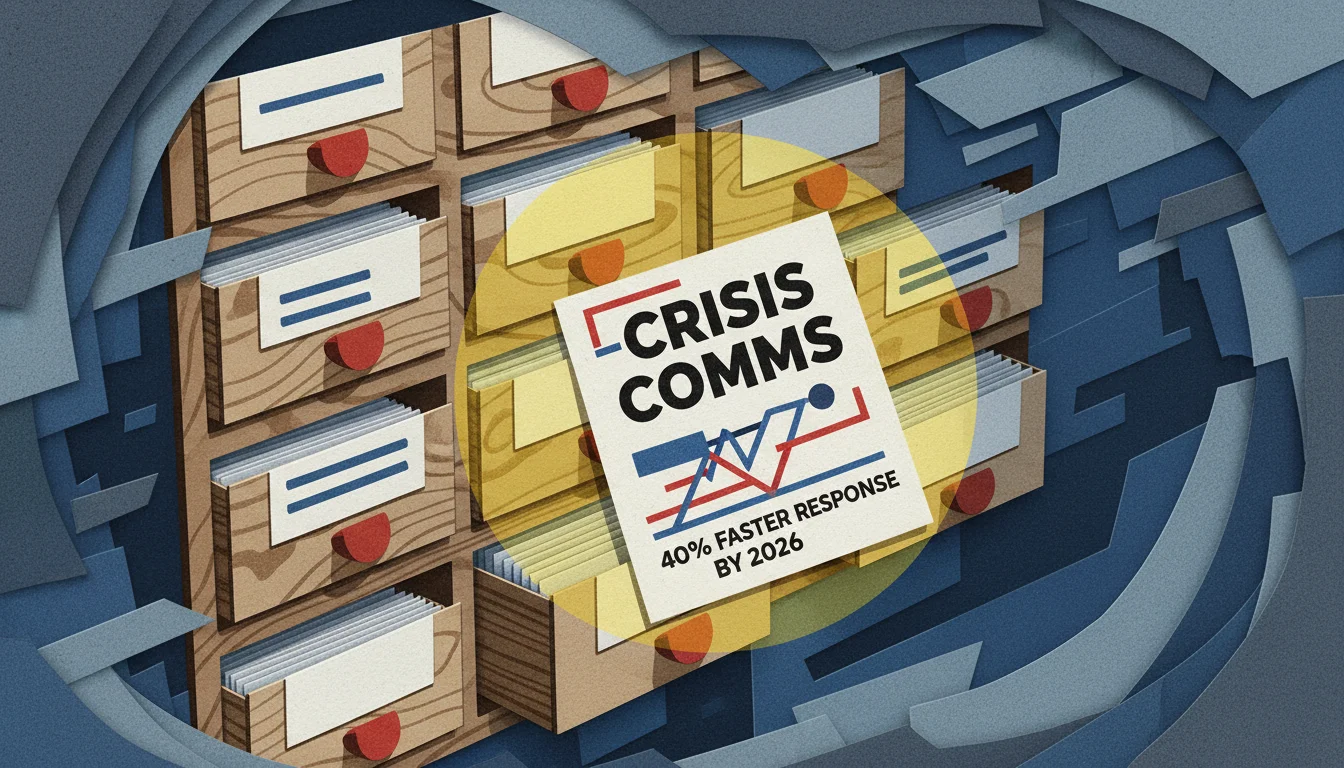
- Proactive development of a crisis communication framework, including designated spokespeople and pre-approved messaging, reduces response times by an average of 40% during unforeseen events.
- Auditing your brand’s existing advertising creative for potential misinterpretations in culturally sensitive regions is essential, especially given the rapid global dissemination of content.
- Implementing geo-fencing and audience segmentation tools allows for precise targeting or exclusion of specific regions, preventing inadvertent advertising in conflict zones.
- Establishing clear internal protocols for pausing or modifying campaigns based on real-time geopolitical intelligence is a non-negotiable step for executive teams.
- Regular training for marketing and PR teams on cultural nuances and ethical considerations in international campaigns minimizes reputational risk.
Working through the complexities of global events requires a refined approach to marketing, especially when operating near or within areas affected by conflict. Crafting sensitive executive campaigns demands more than just awareness. It calls for a deep understanding of geopolitical dynamics, cultural sensitivities, and the potential for rapid information dissemination. Brands that fail to adequately prepare risk not only reputational damage but also alienating significant portions of their consumer base. How can leaders ensure their messaging resonates positively and ethically, even in the most challenging circumstances?
The Imperative of Proactive Crisis Communication Frameworks
The notion that a crisis will only affect “other” companies is a dangerous delusion. Every brand, regardless of its industry or geographic focus, can find itself embroiled in a crisis, particularly when global events intersect with digital presence. Developing a complete crisis communication framework isn’t merely good practice. It’s a fundamental requirement for operational resilience in 2026. This framework should define clear roles, responsibilities, and decision-making hierarchies well before an event occurs. For instance, who is the designated spokesperson for the EMEA region versus APAC? Are there pre-approved holding statements for various scenarios, from natural disasters to geopolitical unrest?
A functional crisis plan includes a detailed media monitoring strategy, extending beyond traditional news outlets to encompass social media sentiment analysis. Tools like Sprinklr or Meltwater offer real-time insights into public perception, allowing teams to identify potential issues before they escalate. I’ve seen firsthand how a delay of even a few hours in response can transform a minor misstep into a full-blown public relations nightmare. The speed of information flow today means that every minute counts. Consider the 2023 incident where a major electronics brand faced backlash after an advertisement, intended for a domestic market, was perceived as insensitive when shared globally during a period of heightened international tension. A strong framework would have flagged the potential for misinterpretation and allowed for swift corrective action, perhaps even preventing its wider dissemination. The cost of building such a framework pales in comparison to the potential revenue loss and brand erosion from a mishandled crisis.
Auditing Creative for Cultural Nuance and Context
Effective sensitive branding hinges on a careful audit of all existing and planned creative assets. This isn’t just about avoiding overt political statements. It’s about understanding the subtle cues, symbols, and even color palettes that can carry unintended meanings in different cultural contexts. A campaign that might be innocuous in North America could be deeply offensive or misconstrued in the Middle East or parts of Asia. Marketers must engage with local experts and cultural consultants to review content. This often means going beyond simple translation services to ensure transcreation, where the message is adapted to resonate culturally while retaining its original intent. For example, a global beverage company learned this lesson when a seemingly generic ad featuring a celebratory gesture was interpreted as a political statement in a country with specific historical rivalries.
A systematic approach would involve establishing a “cultural sensitivity matrix” for all regions where campaigns run. This matrix would catalog common symbols, historical sensitivities, religious holidays, and current events that could impact perception. Plus, it’s prudent to conduct small-scale A/B testing or focus groups in diverse regions before launching large-scale campaigns. This proactive validation process can catch potential pitfalls early. The Interactive Advertising Bureau (IAB) regularly publishes guides on cultural competence in advertising, emphasizing the need for nuanced understanding over broad assumptions. Their 2025 report, “Global Brand Narratives: Beyond Borders,” specifically highlighted several instances where brands faced significant backlash due to a lack of localized cultural review, underscoring the financial and reputational risks involved.
Strategic Geo-Fencing and Audience Segmentation
In an era of hyper-targeted advertising, the ability to precisely control where and to whom your message is delivered is paramount, especially in conflict zones. Geo-fencing and advanced audience segmentation tools are no longer optional features. They are essential safeguards. Brands must implement strict geo-fencing parameters to prevent advertisements from appearing in regions experiencing active conflict or heightened political instability. This isn’t just about avoiding controversy. It’s also about ethical consideration. No brand wants to be perceived as trivializing a serious situation or, worse, profiting from human suffering. The settings within platforms like Google Ads and Meta Business Help Center allow for granular control over geographic targeting, down to specific postal codes or even exclusion zones. This level of precision is invaluable.
Beyond simple geographical exclusion, consider the demographic and psychographic segmentation within potentially sensitive regions. Are you inadvertently targeting vulnerable populations with inappropriate messaging? Are there local NGOs or government advisories that recommend against certain types of commercial activity in specific areas? This requires diligent research and constant monitoring. For example, a travel company might ordinarily target vacation packages globally, but during a period of civil unrest in a particular country, they would need to actively exclude that region from their campaigns. This isn’t just about avoiding negative press. It’s about demonstrating corporate responsibility. The brand that shows it understands the nuances of global events, and acts accordingly, builds trust and long-term loyalty far more effectively than one that pushes generic messages indiscriminately. It’s a small technical adjustment that carries immense ethical weight.
Real-Time Intelligence and Adaptability
The geopolitical field can shift dramatically in a matter of hours. What was calm yesterday might be volatile today. Therefore, executive campaigns require a mechanism for real-time intelligence gathering and rapid adaptation. This means integrating geopolitical risk analysis into daily marketing operations. Partnerships with specialized intelligence firms or subscribing to services that provide up-to-the-minute reports on global events can provide the necessary foresight. The marketing team needs clear protocols for pausing, modifying, or even entirely withdrawing campaigns based on these intelligence updates. This isn’t a “set it and forget it” operation.
Consider the logistical implications: if a campaign is live across multiple digital platforms and traditional media, who has the authority to issue an immediate stop order? How quickly can creative assets be pulled or replaced? These questions need answers before a crisis hits. Organizations like the Council on Foreign Relations provide public access to analyses that can inform these decisions, though more granular, real-time data often comes from specialized subscriptions. The goal is to build agility into the campaign management process. This means regular training for marketing and PR teams, not just on platform functionalities, but on interpreting geopolitical signals and understanding their potential impact on brand perception. A brand that can pivot quickly, demonstrating sensitivity and respect, will emerge from turbulent times with its reputation intact, perhaps even enhanced. Those that remain rigid, clinging to pre-planned schedules without acknowledging external realities, will inevitably suffer the consequences.
Ethical Considerations and Long-Term Brand Equity
In the end, crafting sensitive executive campaigns boils down to a commitment to ethical conduct and the preservation of long-term brand equity. It’s easy to focus on short-term metrics like clicks and conversions, but in conflict zones, the stakes are far higher. Brands must ask themselves: what message are we truly sending? Are we contributing to positive discourse, or are we inadvertently adding to the noise or, worse, causing offense? This requires an organizational culture that prioritizes ethical considerations over immediate commercial gains, which, frankly, isn’t always easy to foster. There’s a temptation to push through campaigns, especially when significant investment has already been made.
However, the reputational damage from a single misstep can take years, even decades, to repair. A 2024 Nielsen report on consumer trust highlighted that 72% of global consumers expect brands to take a stand on social and ethical issues, and 65% are more likely to buy from brands they perceive as ethical. This data confirms that ethical considerations are not merely “nice-to-haves” but direct drivers of consumer behavior. Therefore, investing in cultural sensitivity training for all levels of marketing staff, establishing clear ethical review boards for campaigns, and fostering an environment where employees feel empowered to flag potential issues without fear of reprisal are all important steps. It’s about building a brand that stands for something, and that something includes respect and understanding for all global citizens, especially in times of hardship. This approach, while demanding, in the end builds a more resilient and respected brand. You can’t put a price on that.
Working through the intricate field of global marketing requires a blend of strategic foresight, cultural intelligence, and operational agility. Brands that commit to these principles will not only avoid pitfalls but also cultivate a reputation for integrity and empathy, which is invaluable in an increasingly interconnected world. For more insights on building trust, consider how AI impacts expert credibility in the public eye. Also, understanding the nuances of AI content ethics is important for maintaining integrity.
What is crisis communication in the context of global campaigns?
Crisis communication in global campaigns refers to a pre-established plan for managing and responding to unforeseen events, such as geopolitical conflicts or natural disasters, that may impact a brand’s messaging or operations in various international markets. It includes defining spokespeople, preparing holding statements, and monitoring media sentiment.
Why is auditing creative for cultural nuance important for sensitive branding?
Auditing creative for cultural nuance is important because symbols, colors, and gestures can carry vastly different meanings across cultures. A lack of such an audit can lead to unintentional offense, misinterpretation of brand messages, and significant reputational damage, especially when campaigns are disseminated globally.
How do geo-fencing and audience segmentation help in conflict zones?
Geo-fencing and audience segmentation allow brands to precisely target or, more importantly, exclude specific geographic areas and demographic groups from their advertising campaigns. This prevents advertisements from appearing in conflict zones, avoiding insensitivity or inappropriate messaging during times of crisis.
What role does real-time intelligence play in executive campaigns during global events?
Real-time intelligence provides up-to-the-minute information on geopolitical shifts and global events, enabling marketing teams to make immediate, informed decisions about their campaigns. This adaptability is important for pausing, modifying, or withdrawing campaigns to maintain brand sensitivity and avoid backlash.
What are the long-term benefits of ethical considerations in sensitive branding?
Prioritizing ethical considerations in sensitive branding builds long-term brand equity and consumer trust. Brands perceived as ethical and socially responsible are more likely to attract and retain customers, leading to sustained loyalty and a stronger market position over time, even if it means sacrificing short-term gains.


