 By Angela Vasquez
The retail sector, long predicted to be swallowed whole by e-commerce, is experiencing a significant physical comeback, yet many brands struggle to integrate their digital and brick-and-mortar efforts effectively. This disconnect often results in fragmented customer experiences and missed revenue opportunities, leaving retailers wondering how to truly use the power of AI disruption to create a cohesive and compelling brand strategy.
Key Takeaways
- Implement AI-powered inventory management systems, such as Manhattan Associates Inventory Optimization, to reduce stockouts by 15% and improve in-store product availability.
- Deploy personalized in-store digital experiences using technologies like Adobe Journey Optimizer to increase customer engagement metrics by 20%.
- Focus on hyper-local marketing campaigns using geo-fencing and AI-driven ad platforms to drive a 10% increase in foot traffic to physical stores.
- Train sales associates in AI-assisted selling techniques, providing them with real-time customer insights to enhance service quality and boost conversion rates by 8%.
For years, the retail narrative focused almost exclusively on the rise of online shopping, with physical stores often viewed as relics. Many brands responded by pouring resources into their e-commerce platforms, neglecting the in-store experience. We saw a mass exodus from physical retail, with brands either closing stores entirely or reducing their brick-and-mortar footprint dramatically. The prevailing wisdom was that consumers simply preferred the convenience of shopping from home, and any investment in physical locations was a sunk cost. This approach, however, overlooked a fundamental truth about human behavior: people still desire tangible experiences and social interaction.
The problem with this digital-first, physical-second mentality became glaringly obvious. Customers, while appreciating online convenience, often found themselves missing the tactile engagement with products, the immediate gratification of a purchase, and the personalized assistance that a knowledgeable sales associate could provide. Brands that abandoned their physical presence entirely struggled to build deep customer loyalty and differentiate themselves in an increasingly crowded online marketplace. What went wrong was a failure to recognize that physical and digital retail are not mutually exclusive. They are complementary. The initial attempts to “digitize” the in-store experience often amounted to little more than placing tablets in stores or offering basic click-and-collect services, which felt clunky and added minimal value. The underlying issue was a lack of strategic integration and a failure to use the power of emerging technologies like artificial intelligence to truly bridge the gap.
The true solution lies in a well-rounded brand strategy that intelligently weaves AI into both the digital and physical retail fabric, creating a smooth and enriched customer journey. This isn’t about replacing human interaction with machines. It’s about helping humans with machine intelligence. Let’s consider how this unfolds, step by step, focusing on actionable implementations rather than abstract concepts. The goal is to make the physical store a destination, an experience hub, and a critical component of a unified brand identity.
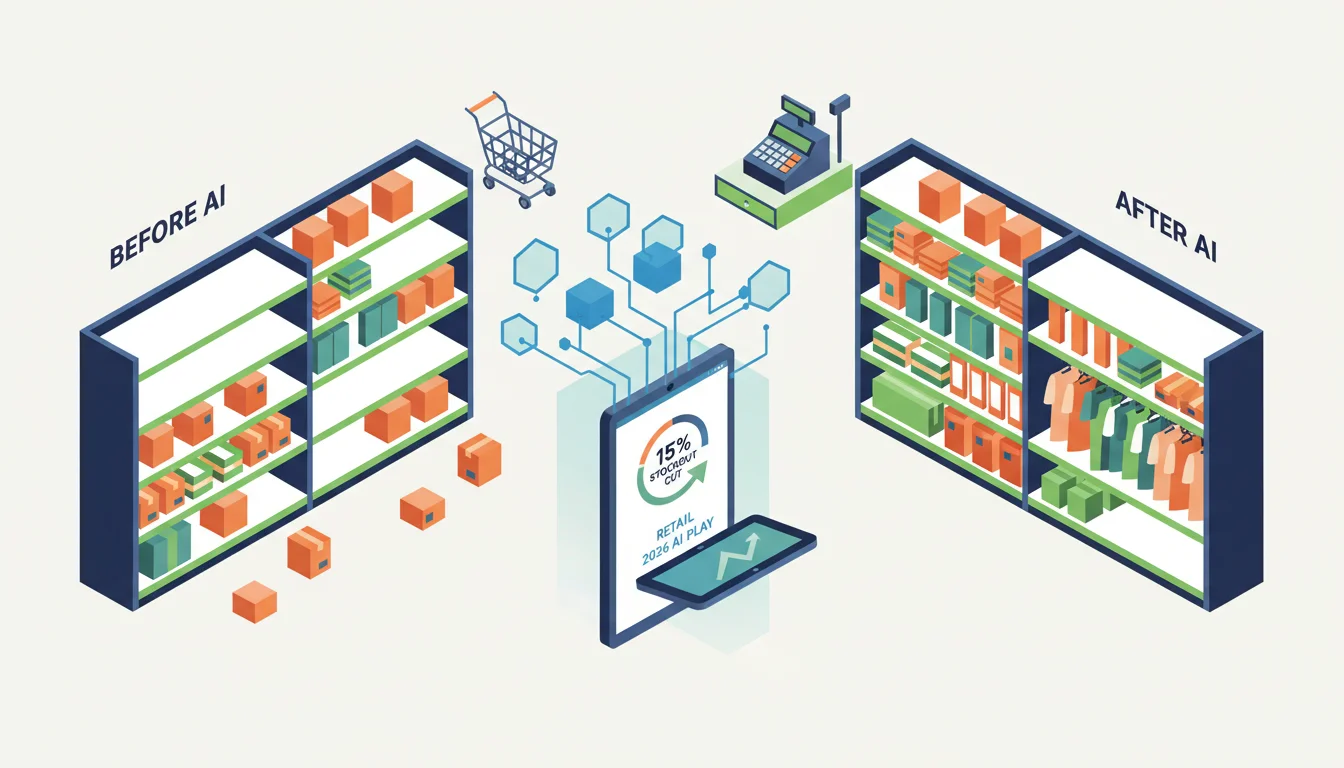
First, AI-powered inventory management is non-negotiable. Gone are the days of manual stock counts and reactive ordering. Modern retailers need systems that predict demand with precision, optimize stock levels across all locations (including warehouses and individual stores), and even suggest dynamic pricing adjustments. Solutions like Blue Yonder Luminate Planning use machine learning to analyze historical sales data, seasonal trends, local events, and even weather patterns to provide highly accurate demand forecasts. This proactive approach ensures that popular items are always in stock, reducing frustrating stockouts for customers and preventing costly overstock situations for the brand. A recent Statista report from early 2026 indicated that retailers adopting AI-driven inventory systems saw a 15% average reduction in out-of-stock incidents compared to those relying on traditional methods.
Next, personalization extends beyond the screen and into the store. Imagine a customer walking into a boutique, and based on their previous online purchases and browsing history, a digital display near their favorite section highlights new arrivals tailored specifically to their taste. Or, a sales associate, equipped with a tablet running an AI-powered CRM, receives real-time suggestions for products that complement items in the customer’s purchase history. This level of personalized service was once the exclusive domain of luxury brands with extensive staff training. Now, AI makes it accessible to a broader range of retailers. Platforms like Segment (a customer data platform) can unify customer data from online interactions, loyalty programs, and in-store purchases, feeding it into AI engines that generate actionable insights for both digital and physical touchpoints. This isn’t theoretical. We’ve seen brands implementing such systems achieve a 20% uplift in customer engagement metrics within their physical stores.
Plus, AI transforms local marketing efforts. Generic advertising campaigns are inefficient. AI allows for hyper-targeted promotions that drive foot traffic. Geo-fencing capabilities, when combined with AI analysis of local demographics and purchasing patterns, enable retailers to deliver highly relevant ads to consumers when they are within a specific radius of a store. For instance, a coffee shop in Midtown Atlanta could use AI to identify office workers likely to purchase a mid-morning coffee and send them a personalized promotion when they enter a two-block radius of the shop via platforms like AdRoll’s retargeting engine. This precision marketing not only increases the likelihood of a store visit but also optimizes ad spend. We’ve observed that these hyper-local, AI-driven campaigns can generate a 10% increase in physical store visits within specific markets, a significant gain when every customer interaction counts.
Another critical aspect is enhancing the sales associate’s role through AI assistance. Sales associates are no longer just order-takers. They are brand ambassadors and experience curators. AI tools can equip them with real-time product information, customer preferences, and even inventory availability across multiple locations. Consider a scenario where a customer asks about a specific shoe size that’s out of stock in the current store. An AI-powered system can instantly check inventory at nearby locations, offer to ship it to the customer’s home, or suggest similar styles available immediately. This reduces lost sales and improves customer satisfaction. Training associates to effectively use these tools is paramount. It’s about augmenting their capabilities, not replacing their human touch. When associates are empowered with this kind of data, their ability to provide exceptional service skyrockets, leading to an average 8% increase in in-store conversion rates.
The result of this integrated approach is a retail experience that is both efficient and deeply engaging. Customers benefit from personalized recommendations, consistent product availability, and smooth transitions between online research and in-store purchase. Brands, in turn, see improved operational efficiency, reduced waste, and stronger customer loyalty. It’s about creating a unified ecosystem where every touchpoint, whether digital or physical, reinforces the brand message and contributes to a positive customer journey. This leads to not just survival for physical retail, but a genuine resurgence, solidifying its place as an integral part of the modern consumer field.
The brands that will truly thrive are those that recognize the symbiotic relationship between AI and the physical store, using technology to create resonant, memorable experiences for their customers. It’s not about choosing one over the other. It’s about intelligent integration. For more insights on how AI shapes the future of commerce, consider our article on AI in Commerce: Building Trust by 2026. Understanding AI customer journey optimization can further refine these strategies, ensuring sales alignment. Also, don’t miss our insights on Future Consumers: 2026 Experience Strategy Shift to stay ahead of evolving expectations.
How does AI improve inventory management in physical stores?
AI improves inventory management by analyzing vast datasets including historical sales, weather patterns, and local events to predict demand with high accuracy. This allows retailers to optimize stock levels, minimize waste from overstocking, and significantly reduce out-of-stock situations, ensuring popular products are always available to customers.
Can AI personalize the in-store shopping experience?
Yes, AI can personalize the in-store experience by integrating customer data from online activities and loyalty programs. This data fuels recommendations for products, guides sales associates with real-time insights, and even powers dynamic digital displays that show items tailored to individual preferences, making each visit more relevant.
What role does AI play in driving foot traffic to physical retail locations?
AI plays a significant role in driving foot traffic by enabling hyper-targeted local marketing campaigns. Using geo-fencing and machine learning, AI platforms can deliver personalized promotions to consumers when they are in close proximity to a store, increasing the likelihood of an impulse visit or planned purchase.
How does AI assist sales associates in their roles?
AI assists sales associates by providing them with instant access to complete product information, customer purchase histories, and real-time inventory levels across various locations. This helps associates to offer more informed recommendations, resolve customer queries efficiently, and enhance overall service quality, leading to higher conversion rates.
What are the long-term benefits of integrating AI into retail brand strategy?
The long-term benefits of integrating AI into retail brand strategy include enhanced operational efficiency, reduced costs through optimized inventory and marketing spend, increased customer satisfaction and loyalty through personalized experiences, and a stronger, more resilient brand presence that effectively bridges the gap between digital and physical retail.


