 By Angela Thomas
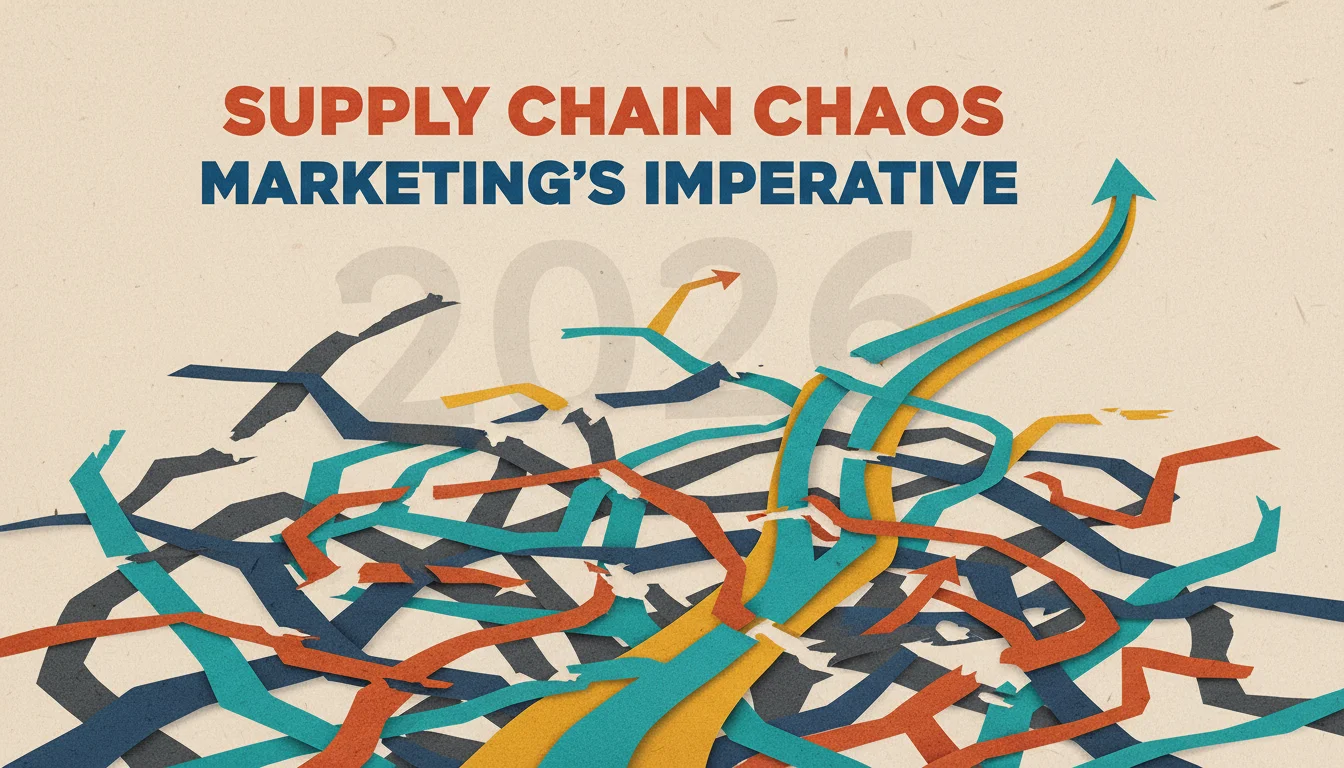
The misinformation surrounding post-typhoon supply chain recovery and its impact on Q3 2026 marketing strategy is staggering, often leading to flawed decision-making and wasted resources. As brands navigate the complexities of a disrupted global economy, understanding the true state of logistics and consumer sentiment is paramount. This article digs into the critical need for accurate information and strategic communication to safeguard brand reputation and ensure effective marketing outcomes in Q3 2026.
The Ripple Effect: How Supply Chain Disruptions Skew Marketing Narratives
The aftermath of significant global events, such as typhoons, creates a breeding ground for misinformation, particularly concerning supply chains. Exaggerated claims about delays, shortages, and price hikes can quickly spread, influencing public perception and consumer behavior. For marketers, this presents a unique challenge: how to craft messages that are both empathetic and factual, without inadvertently amplifying false narratives. This phenomenon directly impacts stability messaging in 2026, as brands struggle to maintain a consistent and trustworthy voice amidst the chaos.
Plus, the rapid dissemination of unverified information through social media and other digital channels means that brands must be more vigilant than ever in monitoring public discourse. A single, ill-informed post can trigger a wave of negative sentiment, undermining carefully constructed marketing campaigns. The imperative for crisis comms with faster response by 2026 becomes even more pronounced in such an environment.
Consumer Trust: The Ultimate Casualty of Misinformation
When consumers encounter conflicting information about product availability, delivery times, or ethical sourcing, their trust in brands erodes. This erosion of trust is not easily repaired and can have long-lasting consequences for market share and brand loyalty. In Q3 2026, with memories of recent disruptions still fresh, consumers will be particularly sensitive to transparency and authenticity. Brands that fail to address misinformation head-on risk being perceived as dishonest or, worse, indifferent to their customers’ concerns. This highlights the ongoing importance of building trust through AI content ethics in 2026.
The challenge extends beyond simply correcting false information. It involves proactive communication that educates consumers and sets realistic expectations. This means providing clear, concise updates on supply chain status, offering alternative solutions when delays are unavoidable, and demonstrating a genuine commitment to customer satisfaction. Failure to do so can significantly impact digital CX satisfaction in 2026.
Strategic Communication: Countering False Narratives in Q3 2026
To effectively combat supply chain misinformation in Q3 2026, brands must adopt a multi-faceted communication strategy. This includes:
- Real-time Monitoring: Employing advanced analytics to track online conversations and identify emerging misinformation trends related to supply chains.
- Proactive Transparency: Regularly publishing accurate, verifiable information about supply chain operations, including potential challenges and mitigation strategies.
- Influencer Engagement: Collaborating with credible industry experts and thought leaders to disseminate accurate information and counter false narratives. This can also tie into broader influencer PR strategies for 2026 success.
- Customer Service Empowerment: Ensuring customer service teams are equipped with the latest information and trained to address misinformation with empathy and accuracy.
- Cross-functional Collaboration: Fostering strong communication channels between marketing, logistics, and public relations teams to ensure a unified message.
The Role of Data and Analytics in Verifying Information
In an era where information can be manipulated and amplified with ease, data and analytics become indispensable tools for verifying the truth. Brands must use their internal data, as well as external market intelligence, to assess the actual impact of supply chain disruptions. This data-driven approach allows marketers to challenge unsubstantiated claims with concrete evidence, thereby strengthening their messaging and reinforcing their credibility. For example, accurate airport analytics with 90% accuracy by 2026 can provide critical insights into air cargo movements, helping to counter false narratives about delays.
Conclusion: Building Resilience Through Truthful Marketing
The threat of supply chain misinformation in Q3 2026 is real and significant. However, by prioritizing transparency, strategic communication, and data-backed verification, brands can not only mitigate this threat but also emerge stronger. Building resilience in a volatile world means committing to truthful marketing that informs, reassures, and in the end, builds lasting trust with consumers. The future of brand reputation hinges on the ability to navigate the information field with integrity and strategic foresight.


