 By Angelica Bernard
Key Takeaways
- Implement a diversified carrier strategy, combining ocean freight for bulk and air freight for time-sensitive components, to mitigate single-point-of-failure risks in transpacific shipping.
- Invest in predictive analytics tools that integrate real-time data from port congestion, customs changes, and weather patterns to anticipate supply chain disruptions.
- Establish direct relationships with warehousing and fulfillment partners in key markets like Los Angeles or Vancouver to reduce transit times and customs delays.
- Prioritize sustainable packaging and ethical sourcing practices. Consumers increasingly scrutinize the environmental impact of global supply chains.
- Regularly audit your chosen logistics partners for compliance with international trade regulations and their capacity to adapt to geopolitical shifts affecting shipping lanes.
The ambition of global branding for personal brands often collides with the intricate reality of transpacific logistics. Moving products from manufacturing hubs in Asia to consumer markets in North America or Europe involves more than just booking a container. It demands a sophisticated understanding of supply chain dynamics, geopolitical influences, and evolving consumer expectations. The romantic notion of a direct-to-consumer brand quickly encounters the harsh truths of port congestion, customs tariffs, and fluctuating shipping costs. Ignoring these complexities means sacrificing profit margins and, more critically, damaging brand reputation through unreliable delivery. This isn’t a problem that disappears with scale. It becomes more pronounced, more expensive, and far more public.
Understanding the Transpacific Corridor in 2026
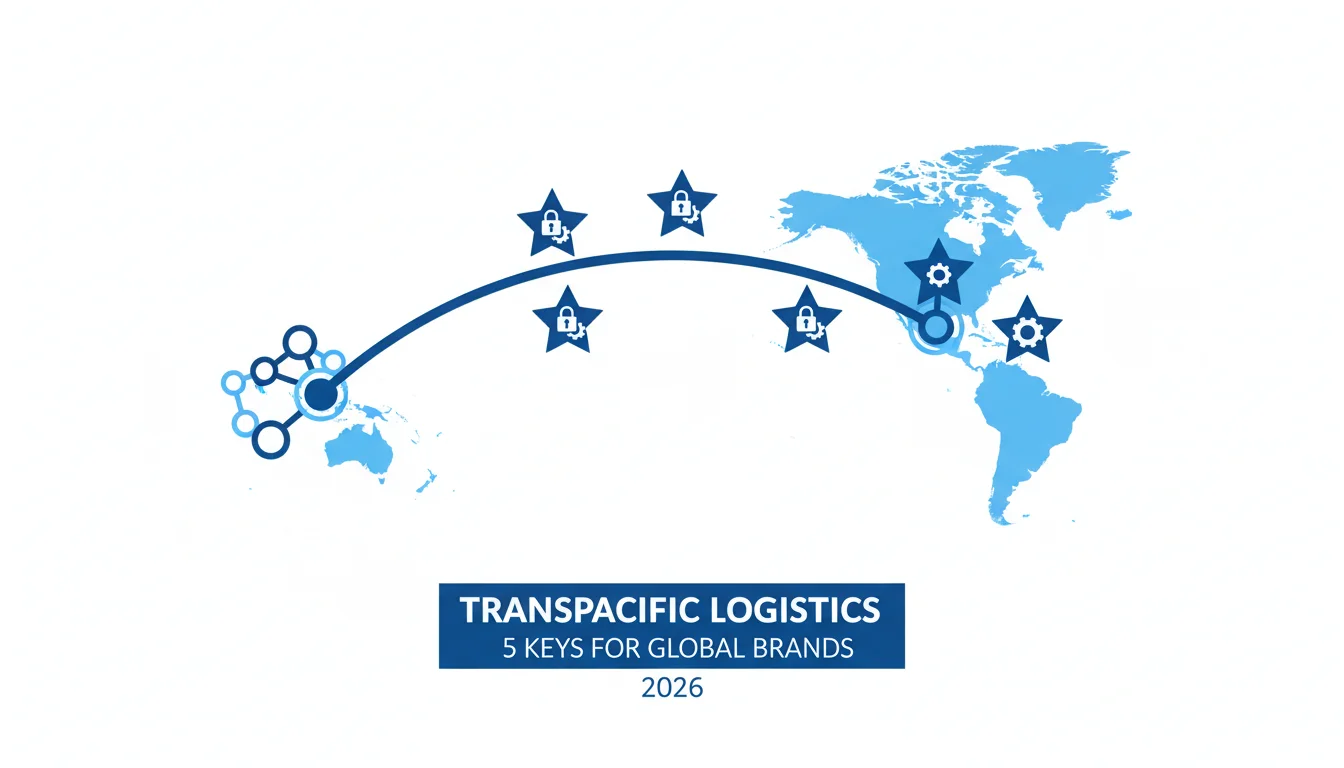
The transpacific shipping lanes remain the world’s busiest, connecting the manufacturing powerhouses of East Asia with the vast consumer markets of North America. In 2026, we see a continuation of trends that have reshaped this corridor over the past few years: increased demand for faster delivery, a persistent push towards sustainability, and the lingering effects of earlier supply chain shocks. The sheer volume of goods traversing the Pacific means that even minor disruptions can create ripple effects lasting weeks or months. For personal brands, this means that a single delayed shipment can derail a product launch, deplete inventory, and frustrate customers who expect immediate gratification.
Consider the impact of port infrastructure. Major ports like the Port of Los Angeles and Long Beach (LA/LB) handle a significant portion of transpacific container traffic. While investments in automation and efficiency have been made, the underlying infrastructure, coupled with labor relations and unforeseen events, still presents bottlenecks. According to the Interactive Advertising Bureau (IAB), consumer expectations for rapid delivery continue to climb, a trend that puts immense pressure on logistics providers to shave days, if not hours, off transit times. This pressure directly translates into higher costs for expedited shipping options, which smaller brands often struggle to absorb.
Plus, geopolitical tensions and trade policies continually reshape the economic viability of certain routes and manufacturing locations. Brands must remain agile, ready to pivot sourcing strategies or adjust shipping lanes if tariffs change or new regulations are introduced. The idea that a logistics setup is “set it and forget it” is a dangerous fantasy. Continuous monitoring and adaptation are non-negotiable for survival, let alone growth.
Diversifying Your Supply Chain Strategy
Relying on a single shipping method or a solitary logistics partner is a gamble no serious personal brand should take. Diversification is not merely a buzzword. It’s a fundamental risk mitigation strategy. For transpacific routes, this means intelligently combining different modes of transport and engaging multiple carriers. Ocean freight remains the most cost-effective for bulk shipments, but its lead times are long and susceptible to delays. Air freight, while significantly more expensive, offers speed and reliability for high-value or time-sensitive products.
A common strategy involves using ocean freight for core inventory and replenishments, while reserving air freight for new product launches, urgent stock-outs, or samples. This hybrid approach balances cost efficiency with responsiveness. On top of that, engaging with at least two distinct freight forwarders can provide an important backup. If one carrier experiences an unexpected delay due to vessel breakdown, port strike, or customs issue, the other can potentially pick up the slack. This isn’t about fostering competition between your partners. It’s about building resilience into your operational framework.
Beyond transportation, diversification extends to warehousing and fulfillment. Brands should explore options for holding inventory closer to their end markets. Establishing relationships with third-party logistics (3PL) providers in North America, particularly near major ports or distribution hubs, can drastically cut down last-mile delivery times and reduce customs complexities. For instance, a small brand importing from Vietnam might consider a 3PL in Southern California. This arrangement allows for faster processing once goods clear customs, bypassing the need for further transcontinental shipping within the destination country. A Statista report from 2023 projected continued growth in the 3PL market, indicating a strong ecosystem of providers ready to assist brands of all sizes.
Using Technology for Visibility and Prediction
The complexity of transpacific logistics demands more than manual tracking. It requires advanced technological solutions for end-to-end visibility. Modern supply chain management (SCM) platforms are no longer luxuries. They are necessities. These platforms integrate data from carriers, customs brokers, and warehousing partners, providing real-time updates on shipment status, potential delays, and inventory levels. Without this granular visibility, brands operate blind, unable to proactively address issues before they escalate into customer service crises.
Predictive analytics, powered by artificial intelligence and machine learning, is transforming how brands anticipate and respond to disruptions. These tools analyze historical data alongside current market trends, weather forecasts, geopolitical news, and port congestion reports to predict potential bottlenecks. Imagine a system that flags an impending typhoon in the South China Sea and suggests alternative routes or earlier shipping dates for your upcoming cargo. This kind of foresight allows brands to make informed decisions, whether that means adjusting marketing campaigns, communicating proactively with customers, or rerouting shipments to less congested ports. According to a Nielsen study on consumer behavior, transparency in order tracking significantly improves customer satisfaction, underscoring the value of strong tracking systems.
Implementing these technologies doesn’t require a massive upfront investment in custom software. Many cloud-based SCM solutions are available, designed for scalability and integration with existing e-commerce platforms like Shopify or Magento. The key is to choose a system that offers complete data integration, customizable dashboards, and actionable insights, rather than just raw data. A brand’s ability to react quickly to an unexpected customs inspection or a sudden spike in fuel prices could mean the difference between a successful quarter and a substantial loss.
Working through Customs, Compliance, and Tariffs
International trade isn’t just about moving goods. It’s about working through a labyrinth of regulations, duties, and compliance requirements. For personal brands, understanding customs procedures for both export and import is paramount. Misclassifying a product, failing to provide accurate documentation, or misunderstanding trade agreements can lead to significant delays, hefty fines, and even seizure of goods. The Harmonized System (HS) codes, which classify products for customs purposes, are often complex and require careful attention to detail. Getting this wrong is not a minor oversight. It’s a direct threat to your supply chain’s integrity.
Tariffs, in particular, remain a volatile factor in transpacific trade. Trade agreements and geopolitical tensions can lead to sudden changes in import duties, directly impacting product cost and profitability. Brands must stay informed about current tariff rates and potential changes, especially concerning goods manufactured in specific regions. Working with experienced customs brokers is not an expense. It’s an essential investment. These professionals specialize in working through the intricacies of international trade law, ensuring compliance, and often identifying opportunities for duty reductions through specific trade programs or classifications.
Plus, certain products, especially those in cosmetics, apparel, or electronics, may be subject to specific safety standards, labeling requirements, or environmental regulations in the destination country. For example, products sold in the European Union must often comply with CE marking requirements, while those in the United States may need FCC certification. Ignoring these specifics can lead to product recalls or market access restrictions. As an editorial aside, I’ve seen too many promising brands falter because they underestimated the bureaucratic hurdles of international trade. It’s not the exciting part of global expansion, but it’s arguably the most critical for long-term viability.
Sustainability and Ethical Sourcing in Global Supply Chains
Consumer preferences are shifting dramatically towards brands that demonstrate genuine commitment to sustainability and ethical practices. This extends beyond the product itself to the entire supply chain. Personal brands, often built on a foundation of authenticity and personal values, are particularly scrutinized in this area. The environmental impact of transpacific shipping, from carbon emissions to packaging waste, is a growing concern for environmentally conscious consumers. A HubSpot report on consumer trends indicated that a significant percentage of consumers are willing to pay more for sustainable products and brands.
Brands must consider the carbon footprint of their logistics choices. This might involve opting for carriers with newer, more fuel-efficient vessels, exploring multimodal transport solutions that combine rail and ocean, or even investing in carbon offset programs. Packaging also plays a critical role. Moving away from single-use plastics to recyclable or biodegradable materials not only reduces environmental impact but also resonates positively with target demographics. (And yes, this includes the packaging for any hard wax you might be shipping, ensuring it’s as eco-friendly as possible.)
Ethical sourcing is equally important. This involves ensuring that manufacturing partners adhere to fair labor practices, safe working conditions, and responsible environmental stewardship. Brands should conduct due diligence, including factory audits and supplier codes of conduct, to verify compliance. Transparency in the supply chain, from raw material sourcing to final delivery, builds trust with consumers and strengthens brand loyalty. In a world where information travels instantly, any lapse in ethical conduct can quickly become a public relations nightmare, undermining years of brand building. This isn’t just about avoiding negative press. It’s about aligning your operations with the values you project as a personal brand.
Successfully working through transpacific logistics requires a blend of strategic planning, technological adoption, and a deep understanding of market dynamics. Personal brands must proactively manage their supply chains, embracing diversification and transparency to build resilient and responsible global operations. For more insights on specific aspects of logistics, you might find our article on Logistics Branding: 5 Myths Busted for 2026 helpful. Also, understanding your audience through Psychographic Segmentation: 5 Tactics for 2026 can further refine your strategy. And for those focused on specific regions, our guide on LATAM Logistics Branding: 2026 Success Secrets offers valuable regional insights.
What is the primary challenge for personal brands in transpacific logistics?
The primary challenge is balancing cost-efficiency with speed and reliability, while simultaneously working through complex customs regulations and managing the environmental impact of long-distance shipping.
How can technology improve transpacific supply chain management?
Technology, specifically advanced SCM platforms and predictive analytics, offers real-time visibility into shipments, helps anticipate disruptions like port congestion or weather events, and enables data-driven decision-making for route optimization and inventory management.
Why is supply chain diversification critical for global personal brands?
Diversification minimizes risk by preventing over-reliance on a single carrier or shipping method. Combining ocean and air freight, and working with multiple logistics partners, ensures business continuity even when unexpected disruptions occur on one route or with one provider.
What role do customs brokers play in international shipping?
Customs brokers are essential for ensuring compliance with international trade laws, accurately classifying products using HS codes, managing import/export documentation, and working through tariff structures to avoid delays, fines, or seizure of goods.
How do sustainability concerns impact transpacific logistics decisions?
Sustainability concerns influence logistics decisions by encouraging brands to choose carriers with lower carbon footprints, adopt eco-friendly packaging, and ensure ethical sourcing throughout their supply chain, aligning with growing consumer demand for responsible brands.


