 By Editorial Team
The morning rush at Tampa International Airport (TPA) always looked the same, a blur of hurried people and rolling suitcases, but for Amelia Vance, the Head of Customer Experience for a regional airline, it was a constant, grinding reminder of their biggest problem. Her airline, “Coastal Air,” was bleeding goodwill, and it was all because of baggage handling. Every single week, automated customer service reports flagged hundreds of misplaced bags and delayed deliveries, which meant hundreds of frustrated passengers. The baggage mess was directly torpedoing their NPS scores and hammering the bottom line. Amelia knew that in an industry where the customer’s experience is the product, their ancient baggage tech was a huge liability that was actively draining away trust and revenue.
Key Takeaways
- After upgrading to a fully automated baggage system in 2025, Tampa International Airport cut mishandled luggage incidents by a whopping 30% in just six months.
- Using predictive analytics and real-time tracking, like TPA did, lets airlines and airports get ahead of potential bottlenecks and proactively reroute baggage, which dramatically improves delivery times.
- Integrating IoT sensors and RFID tags into the baggage system provides exact data on a bag’s location and status, so when an item is misplaced, staff can find it instantly and passengers can see what’s happening.
- A modernized baggage system can pay for itself within three years by slashing the operational costs of manual handling and eliminating most of the compensation paid out for lost luggage.
- When you give passengers real-time baggage data through their mobile apps, you turn a major point of stress into a transparent and reassuring part of their trip.
The Challenge: A Tangled Web of Legacy Systems and Frustrated Flyers
Coastal Air flew out of multiple hubs, but TPA was a perfect example of their system-wide struggles. The airport itself had a good reputation, but it was fighting an old, labyrinthine baggage infrastructure. With so much manual sorting, inconsistent scanning, and reliance on human intervention, even a tiny delay could send ripples through the entire system, stranding bags and infuriating passengers. Amelia’s team had confirmed that a massive chunk of their negative feedback was coming directly from these baggage fiascos. “We’d offer a fantastic in-flight experience, only for it to be completely undone by a 45-minute wait at the carousel or, worse, a lost suitcase,” Amelia explained during a quarterly review. The data from their feedback platform which they’d integrated with their operational systems, showed an ugly correlation: any passenger who had a baggage delay was 70% less likely to book with Coastal Air again in the next six months. A churn rate like that is a five-alarm fire, and it meant they had to find a solution, fast.
Their baggage handling system, a mess of tech patched together from the early 2000s, was never built to handle the sheer volume or complexity of air travel in 2026. Barcode scanners would fail, conveyor belts would jam, and communication between the ground crew and the control room was spotty at best. This total lack of real-time visibility meant that by the time anyone even noticed a problem, a bag could already be on a flight to the wrong city. The inefficiency was costing Coastal Air a fortune in recovery efforts, compensation claims, and the slow, painful erosion of their brand’s reputation. They weren’t just losing money. They were losing trust, which is a much harder thing to get back.
TPA’s Bold Move: A Fully Automated Baggage Revolution
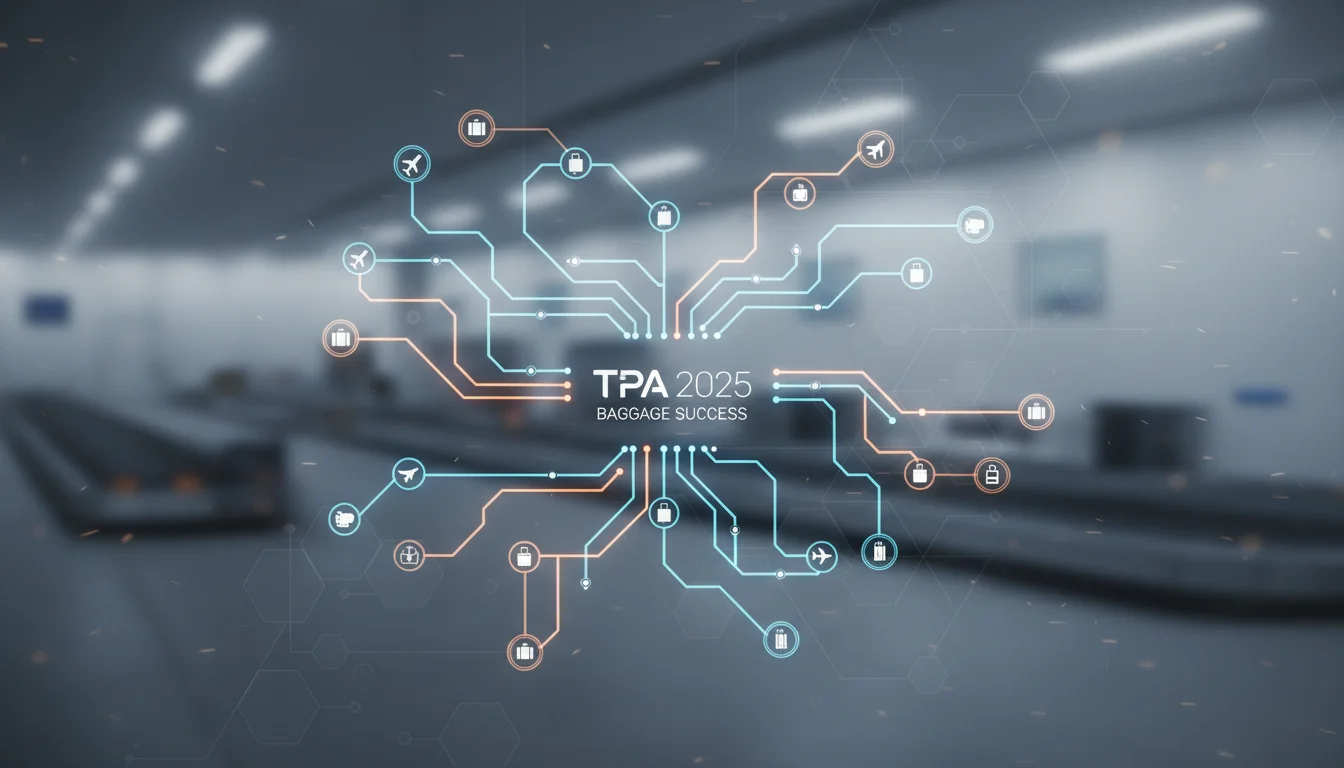
Amelia had been watching TPA’s recent infrastructure projects closely. In late 2025, the airport finished a massive, multi-year, multi-million-dollar overhaul of its entire baggage handling system, making it one of the most advanced in the country. This was no small adjustment. It was a total technological rebuild. A European engineering firm that specialized in logistics developed the new system, which introduced a network of high-speed conveyors, automated sorting robots, and, this was the key part, a full RFID (Radio-Frequency Identification) tagging system for every single bag. The Air Transport Association (ATA) was already projecting that systems like this would cut mishandled baggage by 25% across the industry by 2027, but TPA’s initial results were blowing past that number.
The part that really got Amelia’s attention was the system’s use of predictive analytics. Instead of just reacting to problems after they happened, TPA’s new setup was designed to anticipate bottlenecks before they formed using machine learning algorithms. Sensors all over the system were constantly feeding it data on bag flow, weight, and destination. If a specific conveyor belt started getting overloaded, or if a flight got delayed, the system could automatically reroute bags to other paths to make sure they still got on the right connecting flights. This proactive approach was a complete game-changer. “It’s about moving bags smarter, not just faster,” Amelia observed during a presentation on TPA’s new capabilities. The amount of detailed data they were collecting was incredible, tracking every bag’s journey from the check-in counter to the aircraft hold with a level of transparency that seemed impossible before.
From Data to Delight: How TPA’s Tech Translates to Better Customer Experience
The effect on the customer experience at TPA was almost instant. In the first six months after the new system went live, the airport reported a 30% drop in mishandled luggage incidents, a figure that Coastal Air’s own internal data confirmed. This meant fewer angry passengers at the service desk and a sharp decline in calls about lost bags. For Coastal Air, the change was huge. Their TPA hub, which used to be a constant source of operational headaches, started posting better customer satisfaction scores. Passengers were waiting less time at the carousels, and the dreaded “your bag is lost” notifications became a thing of the past.
The real magic, though, was in how they could now communicate with passengers. TPA’s new system was designed to integrate with airline apps, including Coastal Air’s. Passengers could now watch their bag’s progress in real-time on their phone, getting push notifications when it was loaded onto the plane, transferred during a layover, and even when it was about to hit the baggage carousel. That transparency changed everything. “Knowing exactly where your bag is, even if there’s a small delay, completely changes the passenger’s perception,” Amelia noted. “It turns anxiety into understanding.” People weren’t left wondering anymore. They were kept informed. This simple, proactive communication, powered by the airport’s tech, built the kind of trust that Coastal Air had been struggling to create on its own.
On top of that, on the rare occasion a bag did get separated from its owner, the recovery process was incredibly fast. RFID tags provided the bag’s exact last-known location, so ground staff could find it within minutes instead of hours. This speed was critical for turning a potential disaster into a minor inconvenience. The financial impact was obvious: Coastal Air paid out less in compensation, spent less on labor for manual bag searches, and saw a clear increase in repeat bookings from TPA. An internal analysis showed that integrating with TPA’s system paid for itself within the first year, purely from these savings and the boost in customer loyalty.
Lessons for Marketers: Applying Airport Tech Principles to Digital CX
Amelia quickly saw that the concepts behind TPA’s baggage system weren’t just for airports. They were powerful lessons for any business trying to improve its customer experience with technology. She started pushing these ideas in Coastal Air’s marketing department. “Think of our customer journey like a baggage journey,” she told her team. “Every interaction a customer has with us, browsing the website, calling support, is a transfer point where we can either get their ‘bag’ to the right place or lose it entirely.”
Here are some of the key takeaways she emphasized:
Real-Time Visibility and Transparency
Your customer wants to know the status of their order or their service request just as much as a passenger wants to know where their bag is. Building strong tracking systems, whether it’s for package delivery or a digital application process, creates trust. Think about how a platform like Shopify gives customers detailed order tracking at every single step. This actively manages their expectations and reduces their anxiety, which makes them feel in control.
Predictive Analytics for Proactive Problem Solving
TPA’s system spots trouble before it happens. In marketing, that means using your data to predict which customers are about to churn, identify who might need support, or forecast demand for a new product. An e-commerce site, for example, might use a customer’s purchase history and browsing behavior to predict they’re about to run out of something, then send a timely, personalized reminder. This proactive help, like rerouting a bag, stops a bad experience before it even begins. A 2025 report from HubSpot showed that companies using predictive analytics for customer service saw a 15% jump in customer satisfaction.
Smooth Integration Across Touchpoints
The TPA system works because all its parts talk to each other perfectly. For marketers, that’s a direct parallel to making sure customer data flows cleanly between your CRM, your email software, your support portal, and your social media tools. A customer should never, ever have to repeat information they already gave to another department. If your data is fragmented, your customer’s experience will feel just as broken.
Helping Customers with Self-Service Options
While the airport’s system is mostly automated, giving passengers the ability to track their own bags on their phones was a huge win. For businesses, this means you need to invest in thorough FAQs, smart chatbots, and clear self-service portals. Letting customers find answers or manage their accounts on their own doesn’t just cut down the workload for your support team. It helps customers by giving them control. That’s a small shift, but it builds the kind of goodwill that leads to loyalty.
The Resolution: A Smoother Journey for Coastal Air and Its Customers
By adopting these principles inspired by TPA’s operational turnaround, Coastal Air began to transform its entire customer journey. The airline invested in a new CRM that gave them a single, clear view of every customer interaction, from the moment of booking to post-flight feedback. They updated their mobile app to include more detailed flight status updates, personalized offers based on travel history, and (of course) direct integration with airport baggage tracking wherever it was available. They even rolled out AI-powered chatbots on their website to handle common questions, which freed up their human agents to solve more difficult problems.
The results spoke for themselves. Within a year, Coastal Air’s NPS scores jumped 12 points, a massive gain in such a competitive industry. Customer complaints about operational problems, especially baggage, dropped by over 40%. With richer data and a more connected tech stack, the airline’s marketing team could now create far more personal and effective campaigns, targeting specific customer segments with offers they actually wanted. Amelia often thought back on how it all started. “We set out to fix a baggage problem,” she’d say, “but we ended up completely redefining our customer experience by learning from the last place we expected: a high-tech airport conveyor belt.”
The real lesson from TPA’s baggage tech is that every single interaction, no matter how small, adds up to the total customer experience. Applying technology strategically can turn your biggest operational headaches into opportunities to build real customer loyalty. For any marketer trying to adapt their strategy, these insights provide a clear playbook. The focus on transparency and efficiency is exactly how you build stakeholder trust, proving that clear communication and reliable systems are always a winning combination. This data-driven, proactive approach to solving problems also mirrors the core principles of modern AI SEO, where understanding and anticipating what users need is the only way to succeed.
What is RFID tagging in airport baggage systems?
RFID (Radio-Frequency Identification) tagging uses small electronic tags attached to luggage. Microchips inside the tags send data via radio waves to readers placed around the airport’s baggage system, giving a highly accurate, real-time location for every single bag from check-in to its final destination.
How do predictive analytics improve airport customer experience?
Predictive analytics improve the airport experience by using data and algorithms to see problems coming. In baggage handling, for instance, a system can spot a potential bottleneck or a likely misroute and automatically adjust the bag’s path, preventing a delay before it ever impacts the passenger and reducing their stress.
What are the benefits of real-time baggage tracking for passengers?
Real-time baggage tracking gives passengers peace of mind through total transparency. Through a mobile app, they can see exactly where their bag is, watch its transfer status, and get an alert when it’s heading to the carousel. This replaces anxiety with information and lets them plan their next steps instead of just waiting and worrying.
Can advanced airport technology reduce operational costs for airlines?
Yes, absolutely. Advanced airport tech cuts airline operational costs in several ways. Automated baggage systems reduce the need for expensive manual labor. Fewer mishandled bags means the airline pays out far less in compensation and spends less money tracking down lost luggage. On top of that, better efficiency can lead to faster aircraft turnarounds, which is a direct operational gain.
How can businesses apply TPA’s baggage tech lessons to their own customer experience strategies?
Businesses can copy TPA’s playbook by focusing on four things: real-time visibility (like order or service request tracking), predictive analytics (to anticipate customer needs or problems), smooth integration of all customer-facing systems, and providing great self-service options. The goal is always to provide a transparent, proactive, and consistent experience.


