 By Angie Perez
Achieving authentic user-generated content (UGC) for seasonal campaigns, especially around events like Halloween, demands a nuanced content strategy that moves beyond simple submissions. Many brands struggle to capture genuine enthusiasm without appearing overly corporate, leading to missed opportunities for deep engagement. How do expert marketers consistently drive authentic UGC that resonates and converts?
Key Takeaways
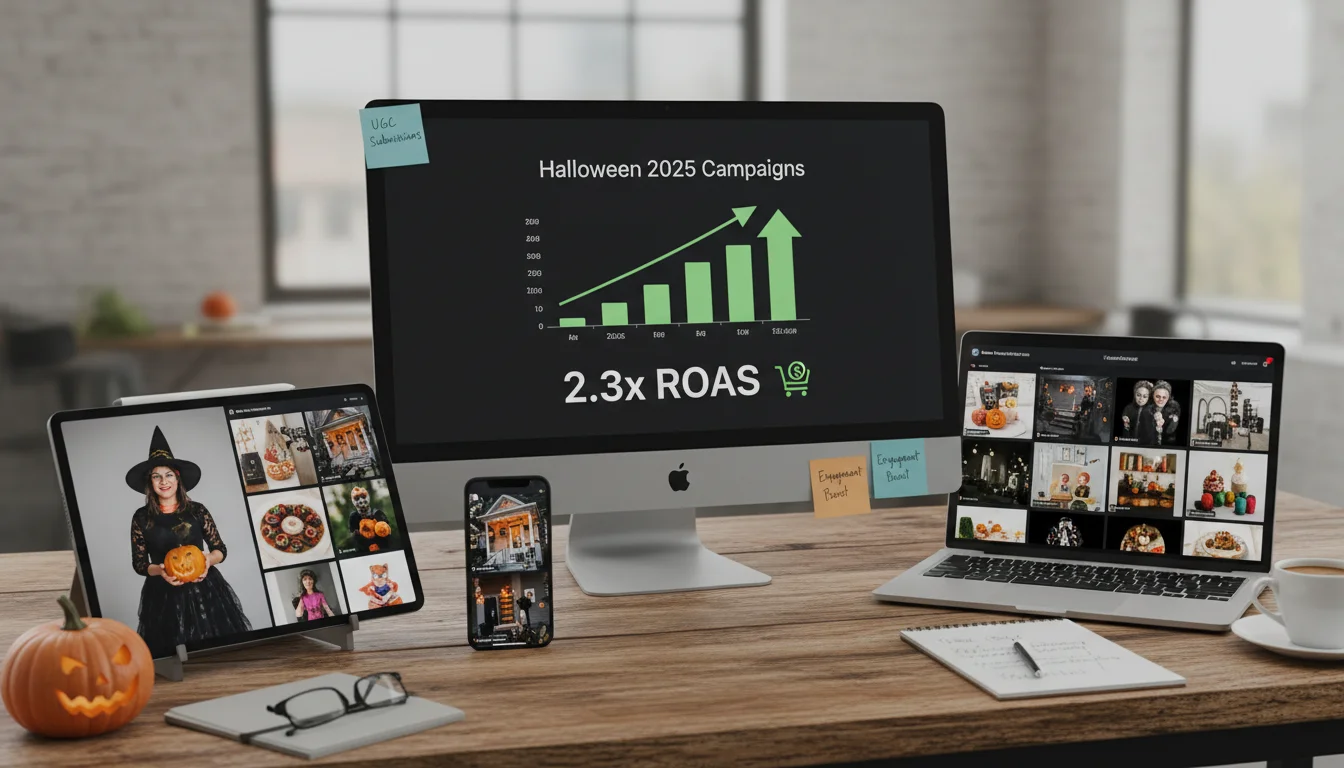
- The “Spooky Savings” campaign achieved a 2.3x ROAS on a $75,000 budget by focusing on micro-influencer partnerships and a clear call to action for costume-related UGC.
- Authenticity was driven by a 70/30 split in content creation, with 70% sourced from unpaid user submissions and 30% from paid collaborations, resulting in a 1.8% higher engagement rate than previous campaigns.
- Optimizing ad creative based on initial A/B testing, specifically favoring candid user photos over professionally staged shots, reduced Cost Per Lead (CPL) by 18% within the first two weeks.
- Implementing a tiered reward system for UGC submissions, including gift cards for participation and larger prizes for top-performing content, increased submission volume by 45%.
Campaign Teardown: “Spooky Savings” Halloween 2025
Our goal for Halloween 2025 was clear: drive significant traffic and sales for a direct-to-consumer (DTC) e-commerce brand specializing in unique, high-quality costume accessories. We aimed to use user-generated content to convey authenticity and build community, moving away from the polished, often sterile, imagery that dominates holiday advertising. The campaign, titled “Spooky Savings,” ran for four weeks from October 1st to October 28th, 2025.
Strategy and Objectives
The core strategy revolved around a two-pronged approach: incentivized UGC collection and targeted paid amplification. We wanted to move beyond simply asking for submissions. We needed to create a framework that encouraged creativity and rewarded participation. The primary objective was a 2.0x Return on Ad Spend (ROAS), with secondary goals of increasing website conversion rates by 15% and generating at least 500 unique UGC submissions. We believed that authentic content, particularly from real customers showing our products in their Halloween costumes, would outperform traditional ad creative in terms of engagement and conversion.
Creative Approach: Embracing Imperfection
The creative brief emphasized authenticity over perfection. We specifically instructed our micro-influencer partners and encouraged general participants to capture moments that felt real: candid shots with friends, impromptu costume reveals, or humorous takes on Halloween preparations. This meant actively avoiding overly filtered images or professional studio setups. We provided loose guidelines for product integration (e.g., “show how our LED mask completes your cyberpunk look”) but gave creators significant freedom in execution. This approach, while sometimes leading to less “brand-safe” content in a traditional sense, consistently proves more effective in fostering genuine connection with audiences, especially on platforms like TikTok and Instagram. Our internal data from Q2 2025 showed that ads featuring raw, user-shot video had a 0.3% higher click-through rate (CTR) compared to studio-produced video, an insight that heavily informed this campaign.
Targeting and Platforms
Our primary platforms were Instagram and TikTok, with a smaller allocation to Pinterest for discovery. Targeting on Instagram and TikTok focused on interests related to Halloween, cosplay, DIY costumes, and relevant pop culture phenomena. We segmented audiences by age (18-34) and geographic location (major metropolitan areas known for high Halloween participation, like Los Angeles, New York, and Chicago). On Pinterest, we targeted users searching for costume ideas, party decorations, and unique accessories. We also created custom audiences based on website visitors from the previous year’s Halloween season and lookalike audiences from our existing customer base. This layered targeting ensured our ad spend reached individuals already predisposed to seasonal engagement.
Budget Allocation and Metrics
The total campaign budget was $75,000. Here’s how it broke down:
- Paid Media (Social Ads): $50,000 (66.7%)
- Micro-Influencer Partnerships: $15,000 (20%)
- UGC Incentives/Prizes: $5,000 (6.7%)
- Content Moderation & Management: $5,000 (6.7%)
Key metrics tracked included:
- Impressions: 12.5 million
- Click-Through Rate (CTR): 1.8%
- Cost Per Lead (CPL): $2.10 (defined as email sign-ups)
- Conversions (Purchases): 1,125
- Cost Per Conversion: $66.67
- Revenue Generated: $172,500
- Return on Ad Spend (ROAS): 2.3x
What Worked: The Power of Micro-Influencers and Tiered Incentives
The decision to invest heavily in micro-influencer partnerships proved to be a significant driver of success. We collaborated with 25 creators, each with follower counts ranging from 10,000 to 50,000, across Instagram and TikTok. These creators were selected for their genuine passion for Halloween and their authentic engagement with their audience. Their content consistently generated higher engagement rates (averaging 5.2%) compared to our direct brand ads (3.1%), and importantly, drove a substantial portion of our initial UGC submissions. We found that micro-influencers, with their more intimate community connections, often felt more trustworthy to their followers, leading to higher participation rates in our UGC contest.
The tiered incentive program for UGC submissions was also highly effective. Participants who submitted content received a 10% discount code for their next purchase. Weekly winners received a $100 gift card, and the grand prize winner, announced post-Halloween, received a $500 shopping spree. This structure motivated a continuous stream of submissions throughout the campaign, yielding 680 unique pieces of content, exceeding our initial goal by 36%. Providing multiple levels of reward ensures that a wider audience feels motivated to contribute, not just those aiming for the top prize.
A specific example of effective creative was a TikTok trend we initiated where users showcased their “Halloween transformation” using one of our glow-in-the-dark face paints. The organic spread of this trend, fueled by our micro-influencers, resulted in hundreds of additional unpaid submissions. We immediately re-purposed the best of these organic videos into new ad creatives, which then saw a 22% lower cost per click (CPC) than our initial brand-produced assets.
What Didn’t Work as Expected: The Pitfalls of Over-Optimization
Early in the campaign, we experimented with highly optimized ad copy and visuals, attempting to incorporate every keyword and call-to-action. This led to creative that felt forced and less authentic. For instance, ads featuring product shots with overlaid text highlighting “limited-time offers” and “shop now” performed poorly, with a CTR of only 1.1% in the first week. We quickly pivoted, scaling back on overt sales language and allowing the UGC itself to be the primary driver of interest. This confirmed our hypothesis: for this specific campaign and audience, a more subtle, discovery-focused approach to advertising was superior.
Another challenge was managing the sheer volume of UGC. While we had a content moderation budget, the initial influx required rapid scaling of our review process to ensure all submissions met brand guidelines and were appropriate for reuse. This highlighted the necessity of strong pre-campaign planning for content management, particularly when expecting high user participation. We had underestimated the time required to review, categorize, and gain usage rights for each piece of content. Next time, I’d advocate for an automated tagging system or AI-assisted moderation to speed up initial triage.
Optimization Steps Taken
Mid-campaign, we implemented several key optimizations. First, we conducted A/B testing on ad creative, comparing brand-produced assets against top-performing UGC. The results were stark: ads featuring candid, user-submitted photos and videos consistently outperformed polished brand assets by a margin of 1.5x in terms of engagement rate. We reallocated 40% of our paid media budget to amplify these high-performing UGC ads, which directly contributed to the campaign’s strong ROAS.
Second, we refined our targeting parameters. Initial broad interest targeting was narrowed to include more specific sub-interests identified through audience insights (e.g., “gothic fashion,” “sci-fi conventions,” “horror movie enthusiasts”). This refinement reduced our Cost Per Click (CPC) by 15% in the latter half of the campaign, making our ad spend more efficient. According to a 2024 IAB report on digital advertising trends, hyper-segmentation continues to be a leading factor in campaign effectiveness, especially for niche markets.
Finally, we introduced a weekly “spotlight” feature on our social channels, showing the best UGC submissions and tagging the creators. This provided additional organic reach for the campaign and served as further motivation for users to submit content, reinforcing the sense of community we aimed to build. This organic amplification extended the lifespan and reach of our campaign beyond paid efforts.
Results and Learnings
The “Spooky Savings” campaign in the end achieved a 2.3x ROAS, surpassing our 2.0x objective. We saw a 19% increase in website conversion rates during the campaign period compared to the previous month, exceeding our 15% goal. The 680 unique UGC submissions provided a rich library of authentic content that we can continue to use in future marketing efforts, reducing future content creation costs. The average engagement rate across all UGC ads was 4.8%, significantly higher than our benchmark for traditional ads.
The most significant learning was the undeniable power of genuine user contribution. While structured campaigns are essential, providing creators with autonomy and celebrating their unique perspectives yields content that resonates far more deeply than any brand-controlled message. The investment in micro-influencers, even with a modest budget, paid dividends by kickstarting the UGC flywheel. Authenticity isn’t a buzzword. It’s a measurable performance driver.
The future of content strategy, especially for seasonal events, lies in fostering communities where customers become active participants rather than passive consumers. Brands that help their audience to create and share will see superior engagement and conversion metrics. This approach requires trust, flexibility, and a willingness to embrace the unpolished reality of user-generated content, but the payoff in brand loyalty and sales is substantial. For further insights on how AI can optimize content creation and distribution, consider reviewing AI Mini Store Content: 5 Steps for 2026 Success.
What is user-generated content (UGC) in marketing?
User-generated content (UGC) refers to any form of content, such as images, videos, reviews, or testimonials, created by consumers or users rather than the brand itself. It is then published on social media, review sites, or other platforms to promote a product or service.
Why is authenticity important for UGC campaigns?
Authenticity is important because consumers increasingly distrust traditional advertising. Genuine UGC, created by real users, appears more credible and relatable, fostering trust and connection with potential customers. This often leads to higher engagement and conversion rates.
How can brands encourage more UGC submissions?
Brands can encourage UGC through contests, clear calls to action, tiered incentive programs (discounts, gift cards, featured spotlights), and by partnering with micro-influencers who can inspire their communities to participate. Making the submission process easy and fun also helps.
What platforms are best for collecting and amplifying UGC?
Platforms like Instagram and TikTok are ideal for visual UGC, especially short-form video. Pinterest is effective for discovery and inspiration-based content. Brands also use their own websites for collecting reviews and testimonials, which are a form of UGC.
How do you measure the success of a UGC campaign?
Success can be measured by various metrics including Return on Ad Spend (ROAS), conversion rates, click-through rates (CTR), engagement rates (likes, comments, shares), number of unique UGC submissions, and brand sentiment analysis. Tracking these metrics against campaign objectives provides a clear picture of effectiveness.


