 By Nia Chandler
Key Takeaways
- Successful thought leader roadshows in 2026 integrate live events with a strong digital content strategy to extend reach beyond physical attendees.
- Measuring the return on investment for roadshow campaigns requires tracking specific metrics like lead generation, sales pipeline velocity, and media mentions.
- Personalized engagement, such as small group sessions and one-on-one meetings, significantly enhances the impact of live events for thought leadership.
- Selecting venues that align with the brand’s image and audience demographics, like Atlanta Tech Village for tech firms or Ponce City Market for lifestyle brands, boosts event relevance.
- Post-event follow-up, including exclusive content and direct communication, is essential for converting event interactions into long-term relationships and business opportunities.
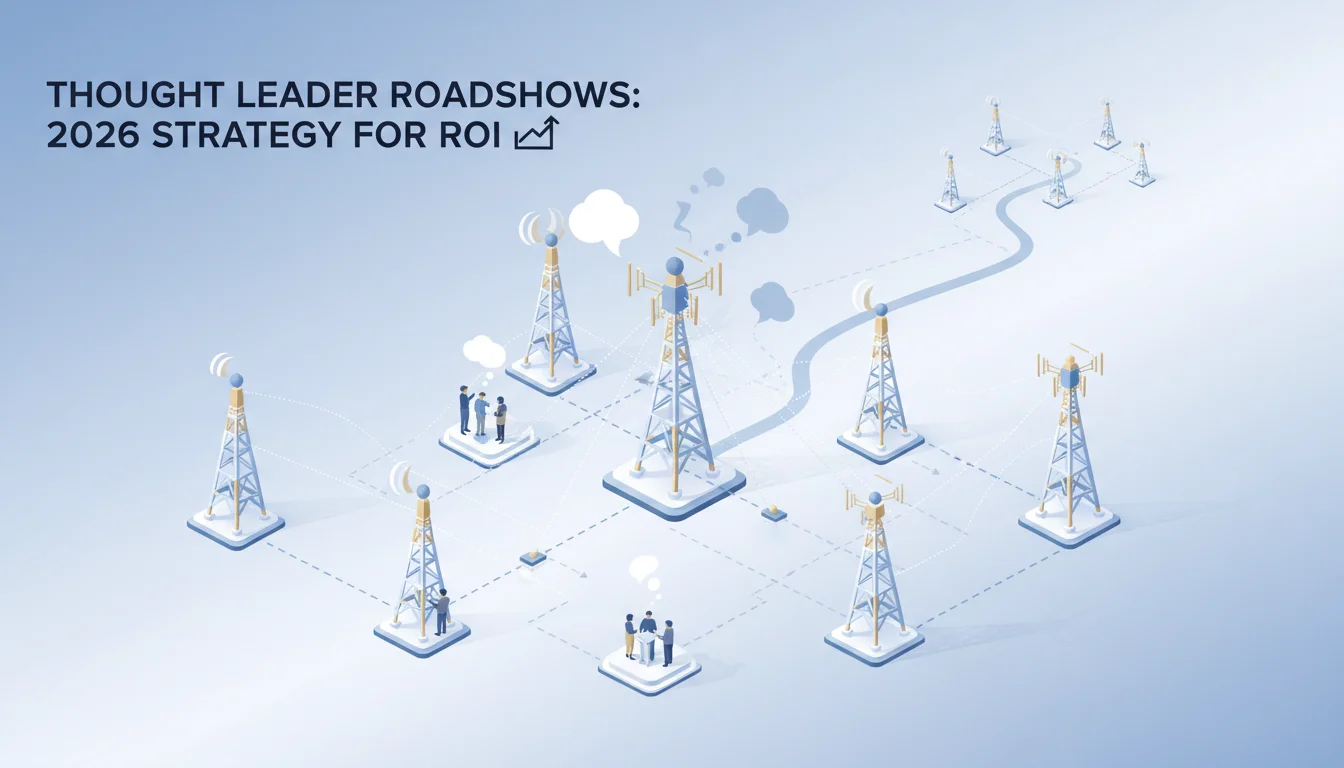
Live event roadshows represent a powerful strategy for thought leaders to connect directly with their audience, disseminate expertise, and cultivate lasting relationships. In 2026, the effectiveness of these campaigns hinges not just on the in-person experience but on a sophisticated integration with digital amplification strategies. How can brands maximize their impact and ensure these substantial investments yield tangible returns?
The Evolving Field of Live Event Campaigns
The concept of a thought leader roadshow has transformed significantly in recent years. What once was a series of static presentations now involves dynamic, interactive experiences designed to foster genuine dialogue and demonstrate practical applications of expertise. We’re seeing a shift from simply informing to actively engaging, with a greater emphasis on hands-on workshops, Q&A sessions, and networking opportunities that extend beyond the main stage.
Consider the logistical complexities inherent in organizing a multi-city tour. It’s not just about booking venues like the Georgia World Congress Center or specific conference rooms in Buckhead hotels. It’s about tailoring the content for each locale. Audiences in San Francisco might prioritize discussions on AI ethics, while those in New York City could be more interested in fintech innovations. A successful roadshow campaign adapts its message and presentation style to resonate with the specific interests and challenges of each regional audience. This requires extensive pre-event research and a flexible content framework, allowing for real-time adjustments based on audience feedback and local market dynamics.
The integration of digital elements is no longer optional. Live streaming keynotes, offering virtual breakout sessions, and creating exclusive online content for attendees before and after the event are now standard. This hybrid approach ensures that the insights shared during the physical roadshow reach a broader audience, extending the campaign’s lifespan and impact. For instance, a recent report by HubSpot found that 68% of marketers believe hybrid events will be a permanent fixture in their strategy by 2027, underscoring the need for smooth digital integration (HubSpot). This means a strong technical setup at each venue, reliable internet connectivity, and skilled AV teams are absolutely critical.
Crafting Engaging Content for Diverse Audiences
The core of any thought leader roadshow is the content itself. It needs to be compelling, relevant, and actionable. Generic presentations simply won’t cut it. Instead, focus on specific case studies, emerging trends, and predictive insights that provide genuine value to attendees. For example, if a thought leader is discussing the future of retail, they might present data on direct-to-consumer brand growth in the Southeast, citing specific examples from Atlanta’s burgeoning e-commerce sector.
Developing this content often involves collaboration with local industry experts or partners in each city. This not only enriches the presentation with localized context but also builds credibility and encourages community engagement. Imagine a session on supply chain resilience in Savannah, Georgia, featuring a panel discussion with executives from the Georgia Ports Authority and local logistics firms. That level of specificity makes the content far more impactful than a generalized talk. We always advise clients to dedicate significant resources to content development, treating each stop on the roadshow as a unique event with tailored narratives, not just a repeat performance.
Beyond the main presentations, consider interactive formats. Think about “ask me anything” sessions, roundtables, or even live polling that allows the audience to steer parts of the discussion. These elements transform attendees from passive listeners into active participants, deepening their engagement and retention of the material. A well-designed Q&A segment, moderated effectively, can uncover important insights and address specific pain points that resonate with the entire room. This direct interaction is where true thought leadership shines, demonstrating not just knowledge but also responsiveness and a willingness to engage with complex questions.
Measuring Success: KPIs for Roadshow Campaigns
Demonstrating the return on investment (ROI) for live event roadshows is paramount, especially given the significant financial and resource commitments. It’s not enough to say an event felt “successful”. You need concrete data. Key performance indicators (KPIs) should be established well before the first event and tracked rigorously throughout the campaign.
One primary metric is lead generation. This includes the number of new contacts collected, qualified leads identified through post-event surveys or follow-up interactions, and the conversion rate of event attendees into sales opportunities. We often see clients implementing CRM integrations that automatically capture attendee data from registration platforms like Eventbrite or Cvent, allowing for immediate follow-up and segmentation. Another critical KPI is pipeline velocity, measuring how quickly leads generated at the roadshow move through the sales funnel. This provides a direct link between the event and revenue impact.
Beyond direct sales metrics, consider indicators of brand perception and thought leadership influence. These include media mentions and coverage generated by the roadshow, particularly from reputable industry publications or local news outlets. Tracking social media engagement, such as mentions, shares, and sentiment analysis related to event hashtags, offers valuable insights into public reception. A report by eMarketer predicted a 15% increase in B2B event spending for 2026, largely driven by the measurable impact of well-executed campaigns (eMarketer). Post-event surveys are also invaluable for gathering qualitative feedback on content relevance, speaker effectiveness, and overall attendee satisfaction. Don’t overlook the importance of attendance rates versus registration, as a high no-show rate can indicate issues with promotion or perceived value.
Logistical Excellence and Venue Selection
The success of a roadshow is heavily dependent on impeccable logistics and strategic venue selection. The venue sets the tone for the entire event. For a tech-focused thought leader, hosting at a co-working space like WeWork in Midtown Atlanta or a dedicated innovation hub provides a modern, collaborative atmosphere. Conversely, for a financial services expert, a more traditional conference center or a private room in a prestigious hotel might be more appropriate. Accessibility, parking, and proximity to transportation hubs are practical considerations that can significantly impact attendance and overall attendee experience. Nobody wants to fight traffic on I-75 for an event that starts at 9 AM.
Vendor management is another important aspect. This includes everything from catering to audiovisual equipment, signage, and even security. Establishing clear communication channels and detailed contracts with each vendor is essential to prevent last-minute issues. We’ve seen events derailed by AV failures or catering mix-ups, which can severely detract from the thought leader’s message. A dedicated event manager, either in-house or an experienced external agency, can be invaluable in coordinating these moving parts across multiple cities.
Consider local regulations and permits, especially for larger events or those involving unique activations. In some cities, even setting up a small outdoor booth requires specific permits from the local city council. Neglecting these details can lead to unexpected fines or even event cancellation. A thorough pre-event checklist, encompassing everything from fire safety protocols to emergency contact information for each venue, is not just good practice. It’s a necessity.
Maximizing Post-Event Engagement and Long-Term Value
The roadshow doesn’t end when the last attendee leaves the venue. In fact, the post-event phase is where much of the long-term value is realized. A strong follow-up strategy is critical for nurturing leads, deepening relationships, and reinforcing the thought leader’s message. This often begins with a personalized thank-you email, sent within 24 hours, reiterating key takeaways and providing links to presentation materials or additional resources. We advise clients to segment these communications based on attendee engagement levels or specific interests expressed during the event.
Consider offering exclusive content to attendees, such as a white paper, a recording of a particularly insightful panel, or an invitation to a private webinar. This adds value and maintains engagement long after the physical event. For instance, if a thought leader discussed a new framework for market analysis, providing a downloadable template or a tutorial video on its application can be incredibly impactful. This extends the learning experience and keeps the thought leader top-of-mind.
Establishing a clear call to action for post-event follow-up is also essential. This might involve scheduling one-on-one consultations, inviting attendees to join an exclusive online community, or offering a special discount on services or products. The goal is to transition event attendees into long-term clients, partners, or advocates. A well-executed roadshow campaign creates momentum, but it’s the sustained engagement that truly converts that momentum into lasting business growth. Remember, the ultimate objective is not just to inform, but to inspire action and build a loyal following around the thought leader’s expertise.
The strategic execution of thought leader roadshows, blending compelling content with careful logistics and a strong digital follow-up, creates a powerful platform for influence and growth. By focusing on measurable outcomes and continuous engagement, these campaigns transform transient interactions into enduring professional relationships.
What is a thought leader roadshow?
A thought leader roadshow is a series of live events in multiple locations where an expert or influential figure presents their insights, research, or expertise to a targeted audience, often combining public speaking with interactive sessions and networking opportunities.
How do you measure the ROI of a live event roadshow?
Measuring ROI involves tracking key metrics such as lead generation (number of qualified leads), sales pipeline velocity, media mentions, social media engagement, attendee satisfaction scores from surveys, and the conversion rate of attendees into clients or partners.
What are the critical elements for successful roadshow content?
Successful roadshow content is compelling, relevant, and actionable, often featuring specific case studies, emerging trends, predictive insights, and interactive elements like Q&A sessions or workshops tailored to the specific interests of each regional audience.
Should roadshows be purely in-person or include digital components?
In 2026, roadshows should adopt a hybrid approach, integrating live events with digital components such as streaming keynotes, offering virtual breakout sessions, and providing exclusive online content to extend reach and engagement beyond physical attendees.
What is the importance of post-event follow-up for a roadshow?
Post-event follow-up is important for nurturing leads, deepening relationships, and reinforcing the thought leader’s message. This includes personalized thank-you emails, exclusive content offerings, and clear calls to action to convert event interactions into long-term business opportunities.


