 By Angelica Bernard
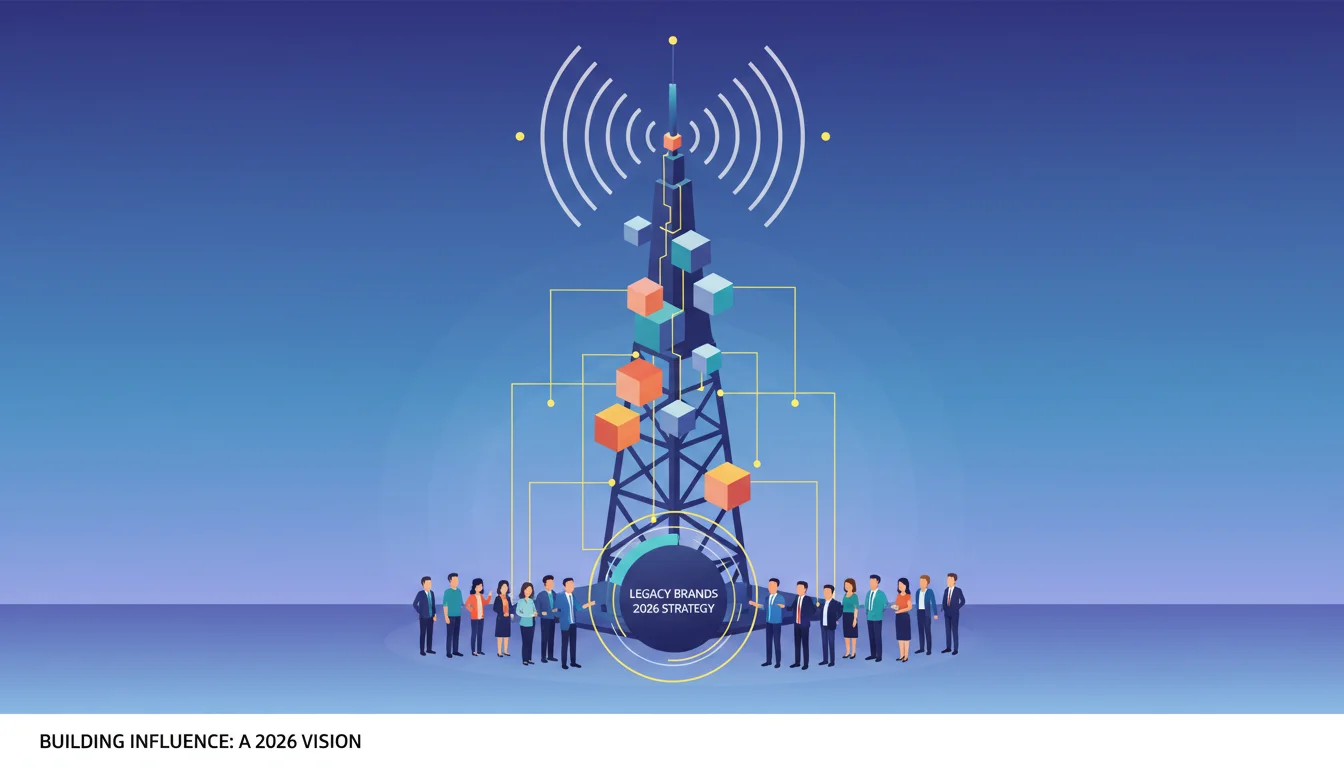
Building a legacy brand requires more than just marketing. It demands a strategic, long-term approach to fostering sustained influence and deep customer connection. Many brands achieve initial success, but few manage to engrain themselves into the cultural fabric, becoming synonymous with their industry or even an aspiration. This isn’t about fleeting campaigns, it’s about constructing an enduring identity that resonates across generations. How do you build a brand that stands the test of time, commanding unwavering loyalty and recognition?
Key Takeaways
- Define and codify your brand’s core values within the Google Business Profile to ensure consistent messaging across all digital touchpoints by 2026.
- Implement a structured content pillar strategy using an Ahrefs Site Explorer audit to identify content gaps and opportunities for foundational topic authority.
- Establish a multi-platform feedback loop through Zapier integrations, linking customer service interactions from CRM platforms like Salesforce Service Cloud to product development teams.
- Develop a community engagement framework within Meta Business Suite, focusing on interactive content and direct response to user inquiries to cultivate brand advocates.
- Regularly audit brand perception using Mention or similar social listening tools to detect shifts in sentiment and inform proactive communication strategies.
Step 1: Defining and Codifying Your Brand’s Enduring Values
The foundation of any long-term branding effort is a crystal-clear understanding of your core values. These aren’t just mission statements. They are the principles guiding every decision, from product development to customer service. Without this bedrock, your brand will drift, unable to maintain a consistent identity. In 2026, digital platforms offer strong tools for codifying and disseminating these values.
1.1 Articulate Core Values and Purpose
Begin by convening key stakeholders, leadership, marketing, product, and customer experience teams, to define no more than five core values. These should be actionable and distinct. For example, “innovation,” “customer-centricity,” and “integrity” are a good start. Then, craft a concise purpose statement that explains why your brand exists beyond profit. This isn’t just an internal exercise. It becomes the narrative you tell the world.
1.2 Integrate Values into Google Business Profile Attributes
Your Google Business Profile (GBP) is often the first digital touchpoint for potential customers. By 2026, GBP has expanded its attribute options significantly. Log into your Google Business Profile Manager. Navigate to “Info” on the left-hand menu. Scroll down to “Attributes.” Here, you’ll find custom attributes. Click the pencil icon next to “Add attributes” or “Edit attributes.” Search for attributes that align with your values, such as “Ethically Sourced,” “Community Focused,” or “Sustainable Practices.” If a direct match isn’t available, use the “Description” field to articulate how your values manifest in your operations. This ensures searchers encounter your brand’s ethos immediately.
1.3 Establish Internal Value Guidelines for Content Creation
Develop a complete brand style guide that includes a section dedicated to your core values. This guide should outline how these values are reflected in tone of voice, visual imagery, and messaging across all content types. Distribute this internally and train your content creators, including any AI-powered content generation tools you employ, to adhere strictly to these guidelines. A common mistake here is assuming everyone “gets it.” Spell it out explicitly. Consistency is paramount for legacy building.
Pro Tip: Conduct quarterly internal audits of your GBP and other public profiles to ensure attribute accuracy and messaging consistency. Google sometimes updates or adds new attributes, and staying current reinforces your brand’s commitment.
Expected Outcome: A unified understanding of your brand’s identity internally, and a consistent, value-driven message presented to the public, starting with foundational search profiles.
Step 2: Cultivating Authentic Community and Engagement
A legacy brand isn’t just recognized. It’s loved. This affection stems from authentic engagement and a sense of community. In 2026, social platforms and direct engagement tools are more sophisticated than ever, allowing for deeper connections.
2.1 Implement a Multi-Platform Feedback Loop
Effective engagement requires listening. Set up a system to capture, analyze, and act on customer feedback across all channels. Integrate your customer relationship management (CRM) platform, such as Salesforce Service Cloud, with social listening tools and direct survey platforms. Use an integration tool like Zapier to automate data flow. For example, create a Zap that triggers when a new customer support ticket is closed in Salesforce, sending a follow-up survey link via email. Another Zap could push mentions from Mention directly into a Slack channel for immediate team review. This structured approach to feedback ensures that customer voices directly inform product improvements and service refinements.
2.2 Develop Interactive Community Engagement Frameworks
Beyond passive listening, actively foster community. Within Meta Business Suite, navigate to “Community” on the left panel. Here, you can set up automated responses for common inquiries, moderate comments effectively, and schedule interactive content like Q&A sessions or polls. I’ve found that hosting monthly “Ask Me Anything” (AMA) sessions with product developers or senior leadership on platforms like LinkedIn Live or even within a dedicated Discord server can dramatically increase perceived transparency and connection. The key is to respond genuinely, not with canned corporate speak. People appreciate seeing the human side of a brand.
2.3 Help Brand Advocates with Exclusive Access
Identify your most loyal customers and turn them into advocates. Create a tiered loyalty program that offers exclusive content, early access to new products, or even direct input into future development. Consider a private community forum or a dedicated beta testing group. This isn’t just about discounts. It’s about making them feel valued and part of the brand’s journey. For example, a select group might receive a quarterly newsletter with behind-the-scenes insights from your Atlanta headquarters, truly making them feel like insiders. The Nielsen Global Trust in Advertising Study 2023 found that recommendations from people they know are the most trusted form of advertising, reinforcing the power of advocacy.
Common Mistake: Treating community engagement as a broadcast channel. It’s a two-way street. Ignoring comments or providing generic responses will quickly erode trust and enthusiasm.
Expected Outcome: A lively, engaged community of brand loyalists who actively participate in and advocate for your brand, providing invaluable feedback and organic reach.
Step 3: Crafting a Sustainable Content Pillar Strategy
Content is the vehicle for your brand’s narrative, educating and inspiring your audience over time. A sustained influence requires content that is not only relevant today but builds a lasting knowledge base.
3.1 Conduct a Complete Content Audit and Keyword Research
Before creating new content, understand what you already have and what your audience truly seeks. Use a tool like Ahrefs Site Explorer. Enter your domain and navigate to “Organic Keywords” to see what you rank for. Then, go to “Content Gap” to identify topics where your competitors are ranking, but you are not. Simultaneously, perform in-depth keyword research using Ahrefs’ “Keyword Explorer” to identify broad, evergreen topics (pillar topics) and more specific, long-tail keywords (cluster topics) that align with your brand’s expertise and values. Prioritize keywords with high search volume and low to medium keyword difficulty that your brand can genuinely own.
3.2 Develop Content Pillars and Cluster Topics
Based on your audit and research, identify 3-5 core content pillars. These are broad, foundational topics central to your brand’s mission. For a sustainable energy company, pillars might include “Renewable Technology,” “Energy Efficiency,” and “Climate Impact.” For each pillar, develop 10-20 cluster topics, specific articles, videos, or infographics that dig into sub-aspects of the pillar. For “Renewable Technology,” cluster topics could be “Solar Panel Installation Costs in Georgia,” “Wind Turbine Efficiency Improvements,” or “Geothermal Heating Benefits for Commercial Buildings.” This structured approach ensures complete coverage and establishes your authority.
3.3 Implement a Multi-Format Content Distribution Plan
Don’t limit your content to blog posts. Diversify. Create video tutorials, podcasts, interactive tools, and downloadable guides. Distribute these across appropriate channels: YouTube for video, Spotify for podcasts, LinkedIn for professional insights, and your blog as the central hub. Ensure every piece of content links back to your core pillar page, strengthening its authority. Use Semrush Traffic Analytics to identify which channels drive the most engaged traffic for your specific content types, and adjust your distribution strategy accordingly. Consistency in publishing, even if it’s just one high-quality piece a week, builds anticipation and reinforces your brand’s presence.
Pro Tip: Repurpose relentlessly. A complete guide can become a series of blog posts, an infographic, a podcast episode, and several social media snippets. This maximizes the return on your content investment and ensures a wider reach.
Expected Outcome: A rich, authoritative content library that consistently attracts and educates your target audience, establishing your brand as a go-to resource in your industry.
Step 4: Measuring and Adapting for Long-Term Resonance
Legacy building isn’t a set-it-and-forget-it endeavor. It requires continuous measurement, analysis, and adaptation. The digital field is always shifting, and your brand must evolve with it while staying true to its core.
4.1 Establish Key Performance Indicators (KPIs) for Brand Health
Move beyond immediate sales metrics. For long-term brand health, focus on KPIs such as brand awareness (aided and unaided recall surveys), brand sentiment (social listening tools like Mention), customer loyalty (Net Promoter Score or customer lifetime value), and share of voice within your industry. Set realistic, measurable targets for these KPIs. For example, aim to increase unaided brand recall by 5% year-over-year among your target demographic. This isn’t just about vanity metrics. These indicators tell you if your brand is genuinely resonating and building lasting connections.
4.2 Use Advanced Analytics for Audience Insights
Deep dive into your analytics platforms. Google Analytics 4 (GA4) offers advanced audience segmentation. Within GA4, navigate to “Reports” > “Audiences” > “User Explorer.” Here, you can analyze individual user journeys, understanding which content they consume, how they interact with your site, and their conversion paths. Look for patterns in demographics, interests, and device usage. This granular data can reveal unexpected audience segments or highlight areas where your messaging isn’t quite hitting the mark. This kind of insight is invaluable for refining your content and engagement strategies.
4.3 Conduct Regular Brand Perception Audits
At least twice a year, conduct a complete brand perception audit. This involves quantitative surveys, qualitative focus groups, and a thorough review of online mentions and reviews. Compare the results against your defined core values. Is the public perceiving your brand in the way you intend? Are there any significant disconnects? For instance, if your brand prides itself on “innovation” but customer feedback consistently points to outdated processes, that’s a critical signal. Use these audits to identify areas for improvement in messaging, product, or service. Being proactive in addressing these gaps is essential for maintaining a strong public image and fostering sustained influence.
Editorial Aside: Many brands get caught up in chasing the latest trend, sacrificing their core identity for fleeting attention. Resist this urge. While adaptation is necessary, abandoning your foundational values for short-term gains is a sure path to brand dilution and in the end, irrelevance. Authenticity, even if it means being a little slower to adopt every new platform, builds far more lasting loyalty.
Expected Outcome: A data-driven approach to brand management, allowing for strategic adjustments that ensure your brand remains relevant, authentic, and influential for decades to come.
Building a legacy brand demands unwavering commitment to your values, genuine community engagement, a strong content strategy, and continuous analytical rigor. This isn’t about quick wins. It’s about the relentless pursuit of authenticity and connection, ensuring your brand isn’t just known, but deeply respected and indispensable to your audience.
What is the most critical first step in building a legacy brand?
The most critical first step is to definitively articulate and codify your brand’s core values and purpose. These foundational principles will guide all subsequent branding efforts and ensure consistency in messaging and action across all touchpoints, from internal operations to public-facing content.
How can I use Google Business Profile to support long-term branding?
You can use your Google Business Profile by integrating your brand’s core values into its attributes and description fields. By 2026, GBP offers expanded custom attributes, allowing you to highlight aspects like “Ethically Sourced” or “Community Focused,” which helps communicate your brand’s ethos directly to searchers and reinforces your identity.
What role do social listening tools play in sustained influence?
Social listening tools, like Mention, play an important role by allowing brands to monitor public sentiment, track discussions, and identify shifts in perception. This real-time feedback is essential for understanding how your brand is perceived and for making proactive adjustments to your communication and engagement strategies, ensuring sustained relevance.
How often should a brand conduct a perception audit for legacy building?
For effective legacy building, a brand should conduct a complete perception audit at least twice a year. These audits should combine quantitative surveys, qualitative focus groups, and a thorough review of online mentions to assess how well public perception aligns with the brand’s intended values and identify any areas needing adjustment.
Why is content diversification important for long-term branding?
Content diversification is important because it allows your brand to reach a wider audience across various platforms and cater to different consumption preferences. By creating content in multiple formats, such as videos, podcasts, and articles, you can strengthen your brand’s authority, engage more effectively, and build a more complete and accessible knowledge base over time.


