 By Angelica Taylor
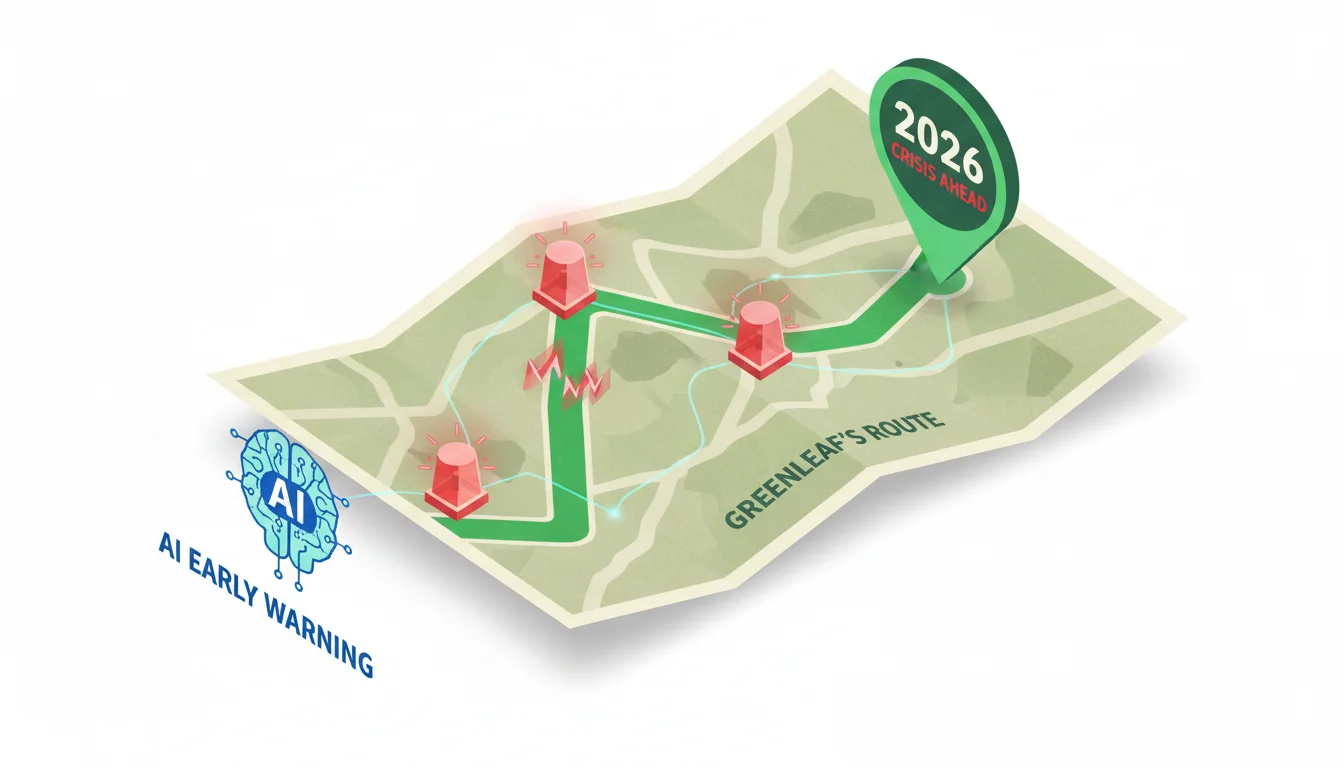
The year 2025 ended with a crisis for “GreenLeaf Organics,” a mid-sized, ethical food brand known for its commitment to sustainable farming and community welfare. For years, GreenLeaf had enjoyed unwavering customer loyalty, but in late November, a subtle shift began. Online mentions of their flagship organic kale chips, usually overwhelmingly positive, started showing a faint but persistent negative undertone. This wasn’t a sudden surge of complaints. It was a slow, creeping negativity that their manual social listening tools simply weren’t catching in time. The brand’s marketing director, Sarah Chen, felt a knot in her stomach watching the early Q1 2026 sales projections, which showed an unexpected dip. What if AI brand health monitoring could have provided an early warning?
Key Takeaways
- Implement AI-powered sentiment analysis tools that track nuanced shifts in consumer perception across diverse digital channels, identifying potential brand health issues before they escalate.
- Configure AI systems to monitor specific keyword clusters, emerging themes, and emotional tone changes, providing actionable alerts for product-specific or general brand sentiment deterioration.
- Integrate AI-driven trend detection with real-time data from social media, review sites, and news outlets to create predictive models for brand reputation risks.
- Prioritize AI models that offer explainable insights into why sentiment is shifting, allowing for targeted and effective crisis response strategies.
The Slow Burn: GreenLeaf’s Unseen Problem
GreenLeaf Organics had built its reputation on transparency and quality. Their marketing team, while diligent, relied on conventional methods: weekly reports from social media managers, monthly surveys, and quarterly focus groups. These methods were effective for broad trends but inherently reactive. They captured what had already become significant, not the faint signals of what was brewing. Sarah reflected on the previous year, “We thought we had our finger on the pulse. Our engagement metrics were good, our customer service tickets were stable. There was no obvious red flag.”
The issue began subtly. A few isolated comments on Reddit, then a slow trickle on niche health forums, started questioning the “organic” nature of GreenLeaf’s kale chips. Users posted anecdotal observations about a slight change in texture, a less lively color. These weren’t accusations of fraud, just mild disappointment, framed as “Is it just me, or…” or “I feel like it’s different.” Individually, these comments were easy to dismiss as outliers. Collectively, they represented a significant, albeit quiet, shift in consumer perception. This kind of nuanced, low-volume but high-impact sentiment change is precisely where traditional brand monitoring often fails, and where Nielsen’s 2023 report on AI in consumer intelligence suggests AI offers a distinct advantage.
Enter AI: A New Lens on Brand Sentiment
After the sales dip became undeniable, Sarah initiated an urgent review. They brought in a specialized marketing technology firm to assess their monitoring capabilities. The firm proposed implementing an advanced AI brand health system. This wasn’t just about keyword tracking. It was about sentiment analysis at scale, capable of identifying subtle emotional shifts and emerging narratives before they gained traction.
The initial setup involved feeding the AI historical data: years of social media conversations, product reviews, news articles, and customer feedback. The AI then established a baseline for GreenLeaf’s brand sentiment, understanding the typical emotional tone associated with their products and brand values. This baseline was critical, as it allowed the system to detect deviations, even minor ones, that human analysts might overlook. One of the primary benefits, as detailed in eMarketer’s 2024 AI in Marketing report, is the ability of AI to process vast quantities of unstructured data, uncovering patterns that are invisible to manual review processes.
The Discovery: Unmasking the “Slightly Off” Narrative
Within weeks of deployment, the AI system began flagging anomalies. It didn’t just count negative mentions. It analyzed the context and intensity of the sentiment. The system identified a growing cluster of conversations around “texture,” “color,” and “taste” specifically related to the kale chips. What was striking was not the volume, but the consistency of the subtle negativity. The AI’s natural language processing (NLP) capabilities were able to discern that phrases like “not as crispy,” “a bit bland,” or “looks paler” were consistently appearing together, forming a nascent negative narrative. These were not direct complaints of poor quality, but rather expressions of a perceived decline from previous high standards. The AI’s alert system, configured for early warning, flagged this specific product and theme as “deteriorating subtle sentiment” with a medium-high risk score.
Sarah’s team investigated. They discovered that approximately six months prior, GreenLeaf had switched to a new kale supplier to meet increased demand and maintain cost efficiency. The new supplier’s kale, while technically organic and meeting all certifications, had a slightly different genetic strain and grew in a different microclimate, resulting in minor differences in physical characteristics and flavor profile. These differences were imperceptible in small batches but became noticeable to loyal consumers over time. The product hadn’t gone “bad”. It had simply changed in a way that disappointed its core audience without being overtly wrong. This is the insidious nature of brand health erosion: it often happens in shades of gray, not stark black and white.
Proactive Intervention and Resolution
Armed with the AI’s insights, GreenLeaf acted swiftly. Instead of waiting for a full-blown crisis, they initiated a proactive communication campaign. They openly acknowledged the change in kale sourcing, explaining the reasons behind it and their commitment to quality. They then announced a limited-edition “Heritage Kale Chip” line, using kale from their original, smaller farm, and invited customers to provide feedback comparing the two. This move, suggested by the AI’s analysis of customer sentiment which indicated a desire for the “original” experience, was a stroke of genius.
They used the AI to monitor the response to this campaign in real-time. The system tracked positive sentiment spikes around “transparency,” “listening to customers,” and “choice.” The “Heritage Kale Chip” became a talking point, not just a product. Within three months, the negative sentiment around the kale chips had dissipated, replaced by positive conversations about GreenLeaf’s responsiveness and dedication to its customers. Sales of both chip lines stabilized, and the brand’s overall health metrics, as reported by the AI, showed a full recovery.
This experience underscored a critical lesson for GreenLeaf: HubSpot’s data on customer experience consistently shows that brands that listen and respond to customer feedback, even subtle feedback, build stronger loyalty. AI provides the necessary amplification for that listening.
Building a Resilient Brand with AI Early Warning
The GreenLeaf case illustrates the power of AI as an early warning system for brand health. It’s not just about identifying explicit complaints. It’s about detecting the subtle shifts in consumer perception, the nascent narratives, and the underlying emotional currents that precede major issues. These systems go beyond simple keyword alerts. They use advanced algorithms to:
- Sentiment Nuance Detection: Distinguish between sarcasm, irony, and genuine disappointment, even in short-form content.
- Topic Modeling: Automatically identify emerging themes and topics of conversation related to a brand, without predefined keywords.
- Anomaly Detection: Flag unusual patterns in data volume, sentiment, or topic distribution that deviate from historical norms.
- Predictive Analytics: Forecast potential brand crises based on the trajectory of identified negative sentiment clusters, offering a window for proactive intervention.
For any brand operating in 2026, relying solely on manual review or basic social listening is like driving with a blind spot. The digital conversation moves too fast, and consumer sentiment is too complex and nuanced to be captured by human eyes alone. AI provides the peripheral vision, the foresight to see what’s coming around the bend.
The true value of these systems lies in their ability to provide actionable intelligence. It’s not enough to know there’s a problem. A brand needs to understand the why and the what to do next. Modern AI platforms are increasingly designed to offer these insights, presenting data in intuitive dashboards that highlight specific areas of concern, suggest potential root causes, and even recommend communication strategies.
GreenLeaf Organics now integrates its AI brand health monitoring into its weekly marketing and product development meetings. It’s no longer just a crisis tool. It’s a strategic asset that informs product iterations, marketing campaigns, and customer engagement initiatives. They learned that in the digital age, brand health is a continuous, dynamic state, and staying ahead means having an always-on, intelligent sentinel watching over your brand’s reputation.
AI for brand health monitoring is not merely a technological upgrade. It’s an essential strategic shift for any brand aiming for sustained success in an increasingly vocal and digitally interconnected marketplace. It helps brands to move from reactive damage control to proactive reputation management, ensuring that subtle shifts in perception don’t evolve into significant challenges. For more on ensuring brand consistency, consider exploring how AI messaging can be a 2026 brand consistency imperative.
What is AI brand health monitoring?
AI brand health monitoring uses artificial intelligence, including natural language processing and machine learning, to continuously analyze vast amounts of online data (social media, reviews, news) to detect and interpret public sentiment, identify emerging trends, and provide early warnings about potential threats or opportunities related to a brand’s reputation.
How does AI detect subtle shifts in brand sentiment that human analysts might miss?
AI systems use advanced algorithms to analyze context, emotional tone, and co-occurring keywords across millions of data points, establishing a baseline of normal sentiment. This allows them to identify statistically significant deviations, even small ones, that indicate a shift in perception before they become widespread or explicit, a task impractical for manual review.
What types of data does AI brand monitoring analyze?
AI brand monitoring platforms analyze a wide array of unstructured data sources, including social media posts (e.g., discussions on X, Instagram comments), online product reviews, forum discussions (e.g., Reddit, niche communities), news articles, blog posts, and even customer service interactions like chat transcripts.
Can AI brand monitoring predict future brand crises?
Yes, by analyzing the trajectory of negative sentiment, the speed of keyword propagation, and the amplification of specific narratives, AI systems can employ predictive analytics to forecast the likelihood and potential impact of a brand crisis, allowing companies to prepare or intervene proactively.
What is the primary benefit of using AI for early warning systems in brand health?
The primary benefit is enabling proactive rather than reactive brand management. By identifying potential issues at their earliest stages, brands gain valuable time to understand the root cause, formulate a strategic response, and mitigate negative impacts before they escalate into full-blown reputation crises, thereby protecting brand equity and customer loyalty.


