 By Diane Yates
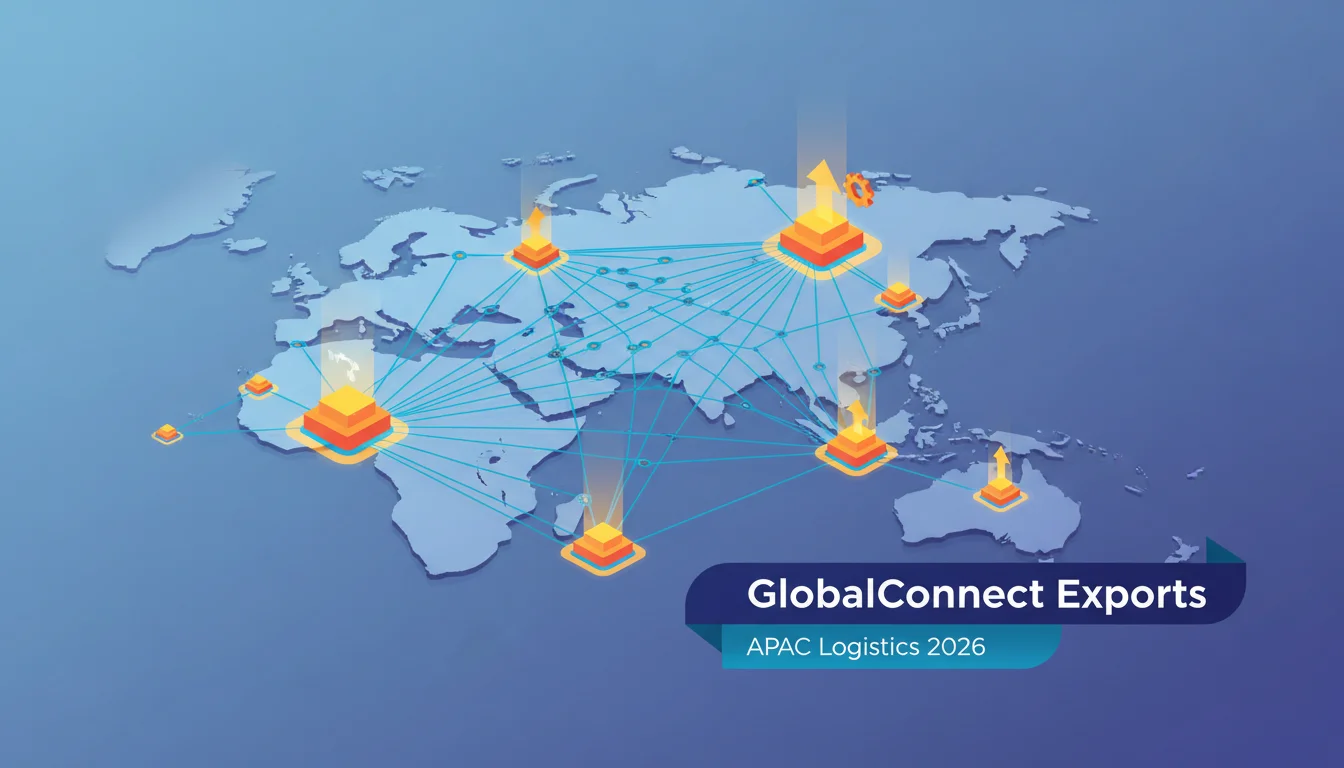
The year 2026 found Sarah Chen, Head of Logistics for “GlobalConnect Exports,” staring at a delayed shipment report for their latest electronics consignment destined for Ho Chi Minh City. Weeks of careful planning, from their Shenzhen manufacturing hub to the bustling Vietnamese port, were unraveling. The problem wasn’t just a single container. It was a cascading effect of insufficient data, opaque transit points, and a lack of real-time updates across multiple carriers and customs agencies. Their primary challenge? Achieving true cross-border logistics expert visibility across the vast and complex Asia Pacific region. This wasn’t merely about tracking a package. It was about understanding the entire supply chain ecosystem, predicting disruptions, and making informed decisions before minor delays became major liabilities.
Key Takeaways
- Implement a unified digital platform for end-to-end supply chain data aggregation, integrating APIs from carriers, customs, and warehousing providers to centralize information.
- Mandate granular data sharing from all supply chain partners, including real-time GPS tracking, customs clearance statuses, and estimated times of arrival (ETAs) at each leg of the journey.
- Use AI-driven predictive analytics tools to forecast potential delays and bottlenecks by analyzing historical data, weather patterns, and geopolitical events in the APAC region.
- Establish clear, data-driven KPIs for supplier performance and carrier reliability, using actionable insights to identify underperforming partners and negotiate improved service level agreements.
- Invest in blockchain technology for immutable record-keeping of transactions and compliance documents, enhancing transparency and reducing fraud across international borders.
| Feature | GlobalConnect Exports (Before 2026) | GlobalConnect Exports (Proposed Solution) | Typical Mid-Sized Enterprise |
|---|---|---|---|
| Unified Digital Platform | ✗ No (patchwork of systems) | ✓ Yes (single, integrated platform) | ✗ No (patchwork of systems) |
| End-to-End Data Aggregation | ✗ No (manual compilation) | ✓ Yes (integrating APIs from various sources) | ✗ No (data silos) |
| Real-Time GPS Tracking | Partial (carrier-specific) | ✓ Yes (mandated from partners) | Partial (carrier-specific) |
| AI-Driven Predictive Analytics | ✗ No (reactive approach) | ✓ Yes (forecast delays & bottlenecks) | ✗ No (reactive approach) |
| Blockchain for Record-Keeping | ✗ No | ✓ Yes (immutable transactions & compliance) | ✗ No |
| Single Source of Truth for Data | ✗ No (fragmented picture) | ✓ Yes (centralized information) | ✗ No (fragmented picture) |
| Visibility Across APAC Regions | ✗ No (visibility gaps) | ✓ Yes (complete, real-time visibility) | ✗ No (visibility gaps) |
The Blind Spots: Why GlobalConnect Exports Was Struggling
GlobalConnect Exports, like many mid-sized enterprises, operated with a patchwork of systems. Their Shenzhen operations used one TMS (Bluejay Transportation Management, for instance), while their freight forwarders often relied on proprietary platforms, and customs brokers had their own distinct digital interfaces. This meant Sarah’s team spent hours manually compiling spreadsheets, cross-referencing tracking numbers, and making phone calls to piece together a fragmented picture of their shipments. The inherent problem was a lack of a single source of truth for their cross-border logistics data.
The APAC region presents unique challenges. The sheer geographical scale, diverse regulatory environments, and varying technological infrastructures across countries like China, Vietnam, Thailand, and Indonesia create a labyrinth of potential visibility gaps. According to a 2023 IAB report, supply chain fragmentation remains a significant hurdle for businesses operating internationally, with 68% citing data silos as a primary concern. For Sarah, this meant that a container stuck in customs in Hai Phong wasn’t immediately flagged. Instead, it was discovered days later when a scheduled delivery was missed. This reactive approach was costing them money and damaging client relationships.
The Disconnect Between Operational Data and Strategic Insight
Sarah understood that true expert visibility wasn’t just about knowing where a container was. It was about understanding why it was there, anticipating future issues, and making strategic adjustments. Her current setup provided operational data, but it lacked the important layer of analytical insight. For example, they could see a delay, but not easily correlate it with specific carrier performance trends over the last quarter, or with emerging political instability in a particular transit country. This inability to connect granular data points to broader trends meant they were constantly reacting to problems rather than proactively mitigating them.
I’ve witnessed this scenario countless times. Companies invest heavily in individual logistics tools, but fail to integrate them into a cohesive ecosystem. The result is often an abundance of data, but a scarcity of actionable intelligence. What’s the point of having real-time tracking if you can’t aggregate that data, analyze it against historical performance, and project future outcomes? It’s like having a dozen different weather apps on your phone, each showing a different forecast for the same location. You need a centralized system that synthesizes this information.
Building a Unified Visibility Layer: GlobalConnect’s Strategic Shift
Recognizing the urgency, Sarah proposed a radical overhaul of GlobalConnect Exports’ logistics technology stack. The goal was simple yet ambitious: create a single, integrated platform that provided complete, real-time cross-border logistics visibility across all their Asia Pacific operations. This wasn’t about replacing every system, but about creating an intelligent layer on top that could ingest data from diverse sources.
Step 1: Data Aggregation and API Integration
The first critical step involved aggressive data aggregation. GlobalConnect partnered with a logistics technology provider specializing in supply chain visibility. This provider offered an API-first platform capable of integrating with various systems. They began by connecting to their primary carriers (like Maersk and COSCO Shipping), their warehousing partners in key APAC hubs, and importantly, their customs brokers. Each integration pulled specific data points: container ID, current location (GPS coordinates), estimated time of arrival at the next waypoint, customs clearance status, and any reported exceptions.
This required a significant effort in standardizing data formats. Not every carrier or customs agency provides data in the same JSON or XML structure. The platform had to be flexible enough to normalize these disparate inputs into a consistent internal data model. This process alone took nearly three months, involving close collaboration with IT teams and external vendors. It’s a common misconception that APIs solve all integration problems. They provide the connection points, but the real work often lies in data mapping and transformation.
Step 2: Predictive Analytics and Anomaly Detection
Once the data streams were flowing, the focus shifted to turning raw data into predictive insights. The new platform incorporated AI-driven analytics modules. These modules began to analyze historical shipping data, looking for patterns in delays, common customs bottlenecks, and carrier performance. For instance, the system learned that shipments passing through the Port of Singapore during specific peak seasons had a 15% higher chance of a 24-hour delay due to congestion. It also began to identify specific customs codes that frequently triggered longer inspection times in certain countries.
This allowed Sarah’s team to move from reactive problem-solving to proactive risk management. If a shipment was identified as having a high probability of delay, the system would issue an alert, suggesting alternative routes or pre-emptively communicating with the client. For example, if a typhoon was predicted to hit the South China Sea, the system would immediately flag all affected shipments and recommend rerouting or holding cargo at origin. This level of foresight is invaluable for maintaining client trust and minimizing financial penalties.
Step 3: Geofencing and Real-time Alerts
To enhance expert visibility, the platform also implemented advanced geofencing capabilities. Key locations, such as their manufacturing plants, major ports (e.g., Port of Hong Kong, Port Klang), and distribution centers, were digitally mapped. When a container entered or exited these geofenced areas, an automatic alert was triggered, updating its status in the system and notifying relevant stakeholders. This eliminated the need for manual check-ins and provided precise timestamps for each stage of the journey.
For GlobalConnect, this meant they could track a container leaving their Shenzhen factory, arriving at Yantian Port, loading onto a vessel, and clearing customs in Ho Chi Minh City, all with automated precision. If a vessel was unexpectedly anchored outside a port for more than a few hours, the system would immediately flag it as an exception, allowing Sarah’s team to investigate the cause without waiting for a carrier update.
The Resolution: A New Era of APAC Logistics
Six months after implementing the new visibility platform, GlobalConnect Exports saw a dramatic improvement in their cross-border logistics operations. The initial delayed shipment to Ho Chi Minh City, the one that sparked this change, became a distant memory. Now, Sarah’s team could pinpoint its exact location, understand the reason for any hold-up, and predict its revised ETA with high accuracy. This newfound clarity had several tangible benefits:
- Reduced Expediting Costs: With predictive insights, they could avoid costly last-minute airfreight upgrades or penalty fees for missed deadlines.
- Improved Customer Satisfaction: Proactive communication about potential delays or confirmed on-time deliveries built stronger client relationships. Clients appreciated being informed, even if there was an issue, rather than being left in the dark.
- Enhanced Operational Efficiency: Manual tracking efforts were drastically reduced, freeing up logistics personnel to focus on strategic planning and problem resolution rather than data entry.
- Better Supplier and Carrier Management: The platform provided quantifiable data on carrier performance, allowing GlobalConnect to negotiate better rates and hold underperforming partners accountable. They could identify which carriers consistently met their SLAs for specific routes in the Asia Pacific region.
One particular instance highlighted the system’s value. An important component shipment from a supplier in Malaysia was flagged by the system as potentially delayed due to a sudden increase in customs inspections at the Johor Bahru checkpoint. The AI predicted a 48-hour delay. Sarah’s team immediately contacted the supplier, worked with their customs broker to pre-emptively submit additional documentation, and even explored a temporary alternative land route for a small portion of the urgent cargo. They mitigated what could have been a week-long production halt, all because they had expert visibility into an emerging bottleneck.
This shift from reactive fire-fighting to proactive strategic management is the true power of advanced logistics visibility. For any business operating in the complex APAC region, understanding and mastering this level of insight is no longer a competitive advantage. It is a fundamental requirement for sustained success. The ability to see, predict, and adapt defines the modern logistics expert.
Achieving true cross-border logistics visibility in the Asia Pacific requires a commitment to integrated technology, granular data sharing, and a proactive mindset. The journey involves more than just implementing software. It demands a cultural shift towards data-driven decision-making and continuous collaboration with all supply chain partners. For businesses working through the intricate web of APAC trade, investing in complete visibility tools offers a clear pathway to operational resilience and competitive differentiation.
What are the biggest challenges to achieving cross-border logistics visibility in APAC?
The primary challenges include diverse regulatory frameworks across different countries, varying technological maturity among supply chain partners, language barriers, fragmented data systems, and the sheer geographical scale of the region, which complicates real-time tracking and communication.
How can AI and predictive analytics improve supply chain visibility?
AI and predictive analytics enhance visibility by analyzing historical data to identify patterns, forecast potential disruptions (like weather events or port congestion), and predict estimated times of arrival with greater accuracy. This allows businesses to proactively address issues before they escalate.
What role do APIs play in integrating logistics data?
APIs (Application Programming Interfaces) are important for connecting disparate logistics systems. They enable different software applications, such as TMS, carrier tracking systems, and customs platforms, to communicate and exchange data smoothly, creating a unified view of the supply chain.
Why is real-time visibility essential for businesses operating in the Asia Pacific?
Real-time visibility is essential in APAC due to its dynamic nature, including frequent changes in regulations, potential for natural disasters, and complex multi-modal transportation networks. It allows businesses to respond quickly to disruptions, optimize inventory, and meet stringent delivery schedules, thus maintaining customer satisfaction.
What specific data points should companies focus on collecting for expert visibility?
Companies should focus on collecting granular data points such as real-time GPS location of shipments, customs clearance status, estimated time of arrival (ETA) at each transit point, carrier performance metrics, exception alerts (e.g., delays, damages), and proof of delivery confirmations to build a complete visibility picture.


