 By Angelica Bernard
The marketing field of 2026 demands more than just effective campaigns. It requires genuine alignment with societal values. Social responsibility has transitioned from a niche concern to a core expectation for brands aiming for sustained impact and consumer loyalty. How can businesses authentically embed social responsibility into their brand strategy to achieve meaningful influence?
Key Takeaways
- By 2026, 78% of consumers expect brands to actively address social and environmental issues, according to a recent Nielsen report, making authentic commitment non-negotiable for market relevance.
- Brands must integrate social responsibility into their core operations and supply chains, not just outward-facing campaigns, to build genuine brand trust.
- Effective communication requires transparency about efforts and challenges, using platforms like a dedicated impact report page on the brand’s website or public-facing dashboards.
- Measuring social impact involves quantifiable metrics such as reduced carbon footprint, fair wage certifications, or community investment figures, rather than vague statements.
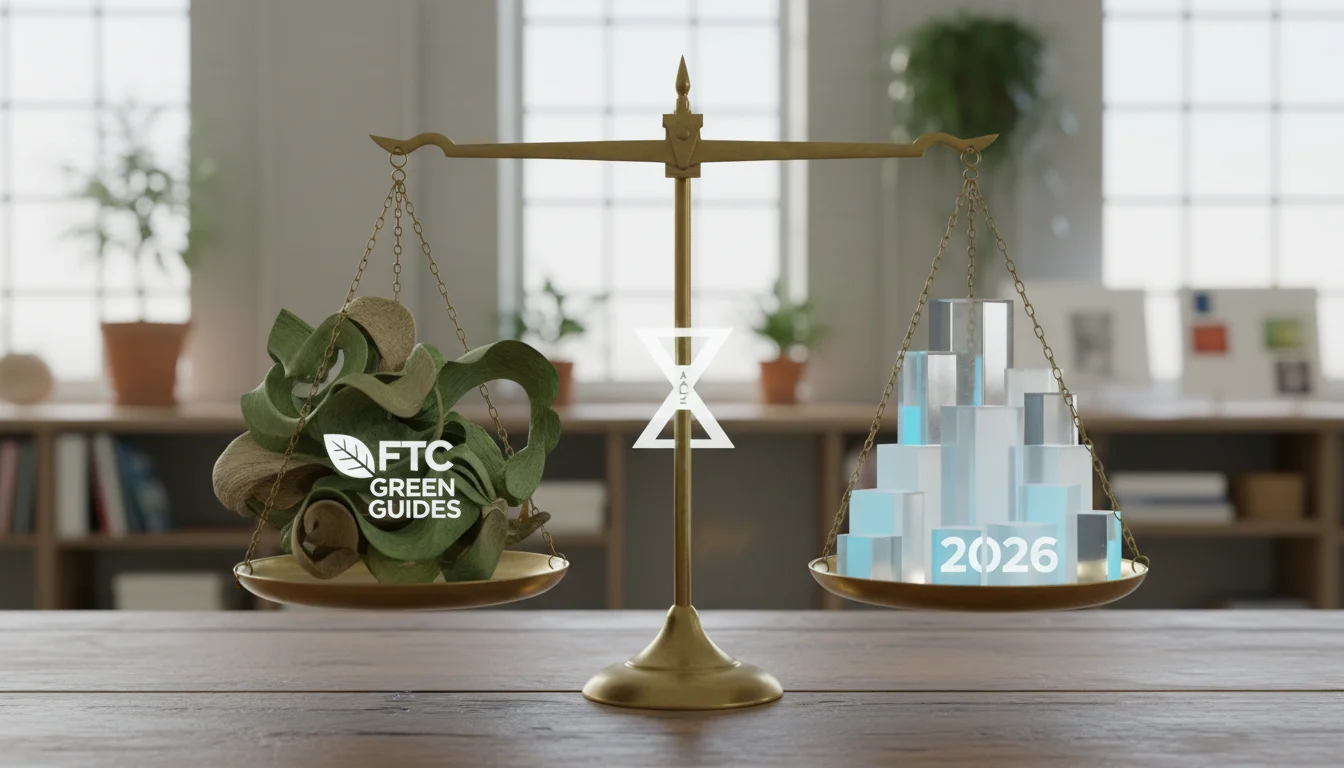
- Regulatory scrutiny around “greenwashing” is increasing, with the Federal Trade Commission (FTC) updating its Green Guides in 2024 to curb misleading environmental claims.
“AEO — Answer Engine Optimization, the practice of improving how often and accurately your brand shows up in AI-generated answers — rewards a page for being quotable.”
The Evolving Consumer Expectation for Ethical Branding
Consumers in 2026 are more informed and discerning than ever before. They don’t just buy products. They buy into values. A 2025 IAB study revealed that 71% of Gen Z and Millennial consumers actively seek out brands that demonstrate strong ethical practices and social consciousness. This isn’t a fleeting trend. It’s a fundamental shift in how brand impact is perceived and evaluated. Ignoring this shift means risking market share and long-term viability. We’ve seen companies stumble when their stated values don’t align with their actions, leading to rapid public backlash and erosion of trust.
The rise of digital transparency tools means that a brand’s supply chain, labor practices, and environmental footprint are increasingly visible. Consumers have access to information that was once hidden, and they are using it. Tools like Good On You for fashion or EcoVadis for broader business sustainability ratings help individuals to make purchasing decisions based on ethical criteria. Brands that genuinely commit to social responsibility can use these platforms to their advantage, showing their efforts and building a loyal customer base. Those that fail to meet these expectations, or worse, engage in performative activism without substantive change, face significant reputational damage. The cost of inaction far outweighs the investment in authentic ethical branding.
Integrating Social Responsibility into Core Operations
Authentic social responsibility isn’t a marketing add-on. It’s woven into the fabric of a brand’s operations. This means looking beyond charitable donations and holiday campaigns. It involves a well-rounded review of every aspect of the business, from sourcing raw materials to product disposal. Consider a fashion brand, for instance. True ethical branding extends to ensuring fair wages and safe working conditions for garment workers, using sustainable fabrics, minimizing water usage in production, and implementing circular economy principles to reduce waste. It’s a complex undertaking, requiring dedicated resources and a long-term vision.
One critical area is the supply chain. Companies are increasingly expected to have full visibility into their suppliers’ practices. This includes auditing for human rights, environmental compliance, and ethical sourcing. A 2026 eMarketer report highlighted that 60% of consumers would stop buying from a brand if they discovered unethical practices within its supply chain, even if the brand itself was unaware. This puts the onus squarely on brands to conduct thorough due diligence and partner only with suppliers who share their commitment to social responsibility. It’s not enough to simply state a policy. The implementation and enforcement are what truly count. This diligence also extends to digital practices, ensuring data privacy and ethical AI development are paramount.
Communicating Impact: Transparency and Authenticity
Once a brand has committed to social responsibility, the next challenge is communicating these efforts effectively. The key here is transparency. Consumers are wary of vague claims and unsubstantiated statements. They want to see evidence, progress, and even an honest acknowledgment of challenges. This means moving away from generic “we care about the planet” messaging towards specific, verifiable actions. For example, instead of saying “we support fair labor,” a brand might publish its annual fair trade certification reports or detail its living wage policies and the number of employees benefiting. The Federal Trade Commission (FTC) has been increasingly vigilant about misleading environmental claims, updating its Green Guides in 2024 to provide clearer guidelines and deter “greenwashing.” Brands that ignore these guidelines do so at their peril.
Effective communication also involves choosing the right channels. A dedicated section on the company website, annual impact reports, and social media campaigns that highlight specific initiatives can all be powerful tools. However, these efforts must be consistent and integrated into the overall brand narrative. Consumers are quick to spot inconsistencies or performative actions. I’ve seen brands make huge pronouncements about sustainability, only to have their internal practices exposed as contradictory. That kind of misstep is almost impossible to recover from. It’s far better to be honest about where you are on your journey, celebrate small wins, and clearly articulate your future goals. This builds trust, even when perfection isn’t yet achieved.
Measuring and Reporting Social Impact
For social responsibility efforts to be credible, they must be measurable. Brands need to establish clear metrics and regularly report on their progress. This moves social impact from a subjective concept to an objective reality. Metrics can vary widely depending on the industry and the specific initiatives. For environmental impact, this might include reductions in carbon emissions (measured in metric tons), water consumption (liters), or waste diverted from landfills (kilograms). On the social side, it could involve the percentage of products sourced from fair trade certified suppliers, hours of employee volunteer time, or the amount of investment in community development programs. The Global Reporting Initiative (GRI) Standards provide a widely recognized framework for sustainability reporting, offering guidance on how to measure and disclose economic, environmental, and social impacts. Adopting such frameworks lends credibility to a brand’s claims.
The reporting itself needs to be accessible and understandable to a broad audience. While detailed reports are valuable for stakeholders, executive summaries and infographics can communicate key achievements to consumers. Some forward-thinking brands are even incorporating real-time dashboards on their websites, allowing consumers to track progress on specific goals. This level of transparency not only builds trust but also holds the brand accountable. It’s a powerful statement of commitment when a company is willing to publicly display its environmental or social performance data. Of course, this also means being prepared for scrutiny and having a plan to address areas where targets are not met. Nobody expects perfection, but everyone expects honesty and a genuine commitment to improvement.
Looking Ahead: The Future of Ethical Branding
The trajectory for social responsibility in branding points towards deeper integration and greater accountability. By 2026, it’s not enough to simply avoid negative impacts. Brands are increasingly expected to create positive ones. This includes embracing regenerative practices, advocating for systemic change, and actively participating in solving global challenges. We’re seeing a move beyond “do no harm” to “do good.” This proactive stance will define the leaders in ethical branding. Brands that can genuinely connect their commercial success with positive societal outcomes will build stronger, more resilient relationships with their customers and stakeholders. The future belongs to brands that understand their purpose extends beyond profit.
In 2026, authentic social responsibility isn’t just a marketing advantage. It’s a fundamental requirement for building lasting brand impact. Brands must integrate ethical practices into their core operations, communicate transparently, and measure their progress to truly connect with discerning consumers. Ignoring this imperative means risking market relevance and consumer trust.
What is social responsibility in branding?
Social responsibility in branding refers to a brand’s commitment to ethical practices and contributing positively to society and the environment, beyond just profit generation. It involves integrating these values into business operations, supply chains, and communication strategies.
Why is ethical branding important in 2026?
Ethical branding is important in 2026 because consumers, particularly younger generations, increasingly base purchasing decisions on a brand’s values and social impact. A Nielsen report indicates 78% of consumers expect brands to address social and environmental issues, making it a key driver of trust and loyalty.
How can brands avoid greenwashing?
Brands can avoid greenwashing by being transparent, specific, and verifiable in their claims. This means providing concrete data, certifications, and reporting on progress, rather than making vague or misleading environmental statements. Adhering to updated guidelines like the FTC’s Green Guides is also essential.
What are some examples of measurable social impact?
Measurable social impact can include metrics such as reductions in carbon emissions, water usage, or waste (e.g., in tons or liters), the percentage of fair trade certified ingredients used, the number of community initiatives supported, or the amount of investment in employee welfare programs.
What role do supply chains play in ethical branding?
Supply chains play a vital role in ethical branding as consumers expect brands to ensure ethical practices, fair labor, and environmental sustainability throughout their entire production process. Brands are responsible for auditing suppliers and ensuring alignment with their social responsibility commitments to prevent reputational damage.


