 By Angelica Bernard
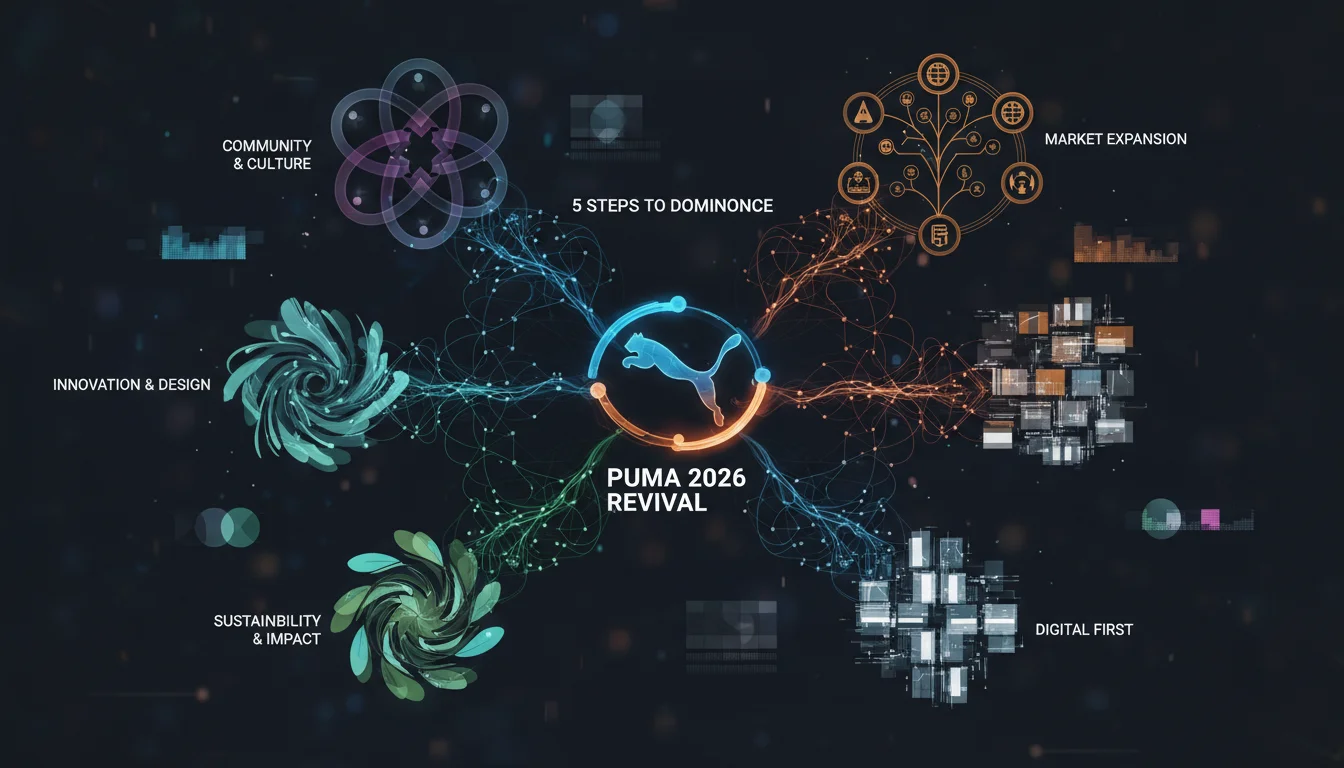
PUMA, a brand with a storied past in athletic footwear and apparel, faced a significant challenge in the mid-2010s: regaining relevance in a fiercely competitive market dominated by giants. Their journey from a niche player to a formidable contender illustrates a powerful roadmap for brand revival and achieving sustained market dominance. How exactly did they orchestrate such a remarkable comeback?
Key Takeaways
- Conduct a thorough, data-driven brand audit using tools like Brandwatch and Google Analytics to identify core strengths and weaknesses in market perception and consumer engagement.
- Re-establish your brand identity by defining a clear target audience and crafting a distinct brand narrative that resonates with current cultural trends.
- Implement a multi-channel digital marketing strategy, prioritizing platforms where your target audience is most active, such as TikTok for Gen Z and Instagram for millennials, with tailored content.
- Forge strategic partnerships with influential figures or organizations that authentically align with your brand’s renewed vision and values.
- Maintain consistent brand messaging and product innovation across all touchpoints to solidify market position and drive long-term growth.
1. Conduct a Complete Brand Audit and Market Analysis
Before any revival strategy can take shape, a deep, unflinching look at the current brand health and market field is non-negotiable. PUMA’s initial move involved a rigorous audit to understand where they stood, who their audience truly was, and what perceptions existed (both positive and negative). This isn’t a superficial exercise. It demands detailed data analysis.
I typically advise clients to begin with a multi-faceted approach. First, use social listening tools like Brandwatch or Sprinklr to monitor brand mentions, sentiment, and trending conversations around your brand and competitors. Configure dashboards to track keywords like “PUMA sneakers,” “PUMA apparel,” and competitor names, filtering by sentiment (positive, negative, neutral) and geographic regions. Look for recurring themes in consumer complaints, unmet needs, and areas where competitors excel. This provides a raw, unfiltered view of public perception.
Second, dive into your own analytics. For web performance, Google Analytics 4 (GA4) is indispensable. Analyze user behavior flow, top-performing product pages, bounce rates on key landing pages, and conversion funnels. Pay close attention to acquisition channels that drive the most engaged traffic. For example, PUMA might have noticed that while their website received significant traffic, conversion rates for certain product lines were low, indicating a disconnect between product offering and user expectation. Plus, examine sales data by region, product category, and demographic. Are certain products underperforming in key markets? Are there untapped segments?
Pro Tip: Don’t overlook qualitative research. Conduct focus groups and in-depth interviews with both loyal customers and lapsed customers. Ask open-ended questions about their brand associations, what they value in athletic wear, and their perceptions of your competitors. This human insight often uncovers nuances that quantitative data alone cannot.
2. Redefine and Articulate Your Core Brand Identity
A brand revival necessitates a clear, compelling story. PUMA realized they couldn’t simply be “another sports brand.” They needed a distinct identity that resonated with a specific audience. This involved pinpointing their unique selling proposition and who they wanted to speak to.
Based on their market analysis, PUMA identified a gap: a desire for athletic wear that blended performance with street style and cultural relevance. They shifted their focus from broad athletic appeal to a more lifestyle-oriented approach, targeting younger, fashion-conscious consumers who valued authenticity and individuality. This wasn’t about abandoning their sports heritage. It was about reinterpreting it for a new generation. They moved away from competing directly with giants on pure performance metrics and instead carved out a niche where style and sport coexisted smoothly.
To articulate this, develop a detailed brand identity guide. This document should define your brand’s mission, vision, values, tone of voice, visual guidelines (logo usage, color palettes, typography), and target audience personas. For PUMA, this meant leaning into bold, dynamic visuals and a confident, helping tone in their communications. The target audience personas should be incredibly detailed, outlining demographics, psychographics, media consumption habits, and core motivations. This clarity ensures every subsequent marketing effort is aligned and cohesive.
Common Mistake: Trying to appeal to everyone. When you try to be everything to everyone, you end up being nothing to no one. A strong brand identity is inherently exclusionary. It chooses its audience and speaks directly to them, accepting that others may not connect. PUMA made a deliberate choice to focus on a younger, style-conscious demographic, and that focus was instrumental.
3. Implement a Multi-Channel Digital Marketing Strategy
With a refreshed identity, the next step is to broadcast it effectively across the digital field. PUMA’s revival heavily relied on a sophisticated digital strategy that leveraged various platforms to reach their redefined audience.
Their approach included a strong presence on social media platforms that their target demographic frequented. For instance, PUMA significantly increased its engagement on Instagram and TikTok, platforms important for reaching Gen Z and younger millennials. Content wasn’t just product shots. It featured athletes, artists, and influencers in authentic, aspirational settings, showing how PUMA fit into a lifestyle, not just a sport. They ran targeted ad campaigns using Meta Ads Manager, defining custom audiences based on interests (e.g., streetwear, specific music genres, fitness influencers) and behaviors (e.g., recent purchases of competitor brands). They also experimented with new ad formats like Instagram Reels ads and TikTok’s In-Feed ads, often featuring user-generated content or collaborations.
Email marketing also played a role. They segmented their audience based on purchase history and engagement, sending personalized recommendations and early access to new collections. Tools like Mailchimp or Klaviyo allow for advanced segmentation and automation, ensuring relevant content reaches the right inbox. For example, a customer who frequently buys running shoes might receive emails about new performance footwear, while a customer interested in fashion collaborations gets updates on limited-edition drops.
Search Engine Optimization (SEO) was equally vital. PUMA optimized their website content, product descriptions, and blog posts for relevant keywords beyond just “running shoes,” incorporating terms like “streetwear sneakers,” “athleisure fashion,” and specific collaboration names. This ensured that when their target audience searched for these style-conscious terms, PUMA appeared prominently.
Pro Tip: Don’t just repurpose content across platforms. Tailor your message and format to each platform’s native environment. A polished studio shot works on Instagram, but a short, energetic video with trending audio is more effective on TikTok. Authenticity is key for engagement, especially with younger audiences.
4. Forge Strategic Partnerships and Collaborations
Perhaps one of PUMA’s most impactful strategies for brand revival was its willingness to engage in high-profile collaborations. These partnerships extended their reach, brought new energy to the brand, and signaled a clear shift in direction.
PUMA famously partnered with influential figures in music, fashion, and sports. Think Rihanna’s Fenty x PUMA line, which brought an undeniable cool factor and high-fashion sensibility, or their long-standing association with global football stars. These weren’t just endorsements. They were genuine co-creations that resulted in unique product lines and significant cultural buzz. These collaborations were carefully chosen to align with PUMA’s redefined brand identity, reinforcing its position at the intersection of sport and style.
When seeking partnerships, evaluate potential collaborators based on their audience demographics, their personal brand alignment with your values, and their creative vision. A successful partnership feels organic, not transactional. It’s about shared values and mutual benefit. Before signing any agreements, conduct thorough due diligence on potential partners to ensure their public image aligns with your brand’s ethical standards and target audience. A Nielsen report on influencer marketing highlighted that authenticity and relevance are critical drivers of campaign effectiveness, a lesson PUMA clearly internalized.
Common Mistake: Partnering for the sake of partnership. A celebrity endorsement without genuine alignment or creative input can feel hollow and fail to move the needle. The most successful collaborations are those where both parties bring something unique to the table, resulting in a product or campaign that neither could have created alone.
5. Maintain Product Innovation and Consistent Brand Messaging
A successful brand revival isn’t a one-time event. It’s an ongoing commitment. PUMA understood that to sustain their renewed market dominance, they needed to continually innovate their product lines and ensure their brand message remained consistent across all touchpoints.
Product innovation meant not resting on the laurels of past successes. They invested in research and development to create new technologies for their athletic footwear, like their NITRO foam for running shoes, while simultaneously pushing boundaries in lifestyle fashion. This dual approach ensured they appealed to both performance-driven athletes and style-conscious consumers. Regularly solicit feedback from customers through surveys, social media polls, and direct engagement to inform product development. Tools like SurveyMonkey or Qualtrics can be invaluable for gathering structured feedback.
Consistency in brand messaging is paramount. Every advertisement, social media post, website banner, in-store display, and customer service interaction must reflect the refined brand identity. This means strict adherence to the brand identity guide across all departments and external agencies. Even the language used by sales associates or customer support teams should echo the brand’s tone of voice. This creates a cohesive and trustworthy brand experience, solidifying consumer trust and loyalty.
I cannot stress enough the importance of internal alignment here. If your marketing team is pushing a new, lively image, but your product development team is still operating under an old mandate, the entire revival effort will falter. Everyone within the organization must understand and embody the new brand direction. It requires leadership buy-in and continuous training.
The journey to brand revival and achieving market dominance demands a blend of strategic insight, creative execution, and unwavering consistency. It’s not a quick fix but a sustained effort to reconnect with consumers, innovate offerings, and tell a compelling story that resonates deeply. By carefully auditing their position, redefining their identity, using digital channels, forging impactful partnerships, and committing to continuous innovation, PUMA demonstrated a powerful blueprint for reclaiming relevance and securing a prominent place in the global market.
What are the initial steps for a brand looking to revive its market presence?
The initial steps involve a complete brand audit and market analysis, which includes using social listening tools to gauge public sentiment and deep-diving into analytics (like Google Analytics 4) to understand customer behavior and identify weaknesses.
How important is target audience definition in a brand revival strategy?
Defining a clear target audience is important because it allows the brand to tailor its messaging, products, and marketing efforts to resonate with specific consumer segments, avoiding the trap of trying to appeal to everyone.
What role do social media platforms play in a brand revival?
Social media platforms are vital for reaching and engaging a redefined audience. Brands should prioritize platforms where their target demographic is most active (e.g., Instagram, TikTok) and create platform-specific content that aligns with the brand’s new identity.
How can strategic partnerships contribute to market dominance?
Strategic partnerships, especially with influential figures or organizations, can extend a brand’s reach, inject new energy, and signal a clear shift in direction, provided these collaborations genuinely align with the brand’s values and target audience.
Why is consistent brand messaging critical after a brand revival?
Consistent brand messaging across all touchpoints (advertising, social media, in-store, customer service) is critical to solidify the brand’s renewed identity, build consumer trust, and ensure that the brand’s new story is clearly and uniformly communicated to the market.


