 By Renato Vega
A staggering 54% of consumers now prefer to shop directly from a brand’s website when given the choice, a significant shift from just a few years ago. This preference shows a critical truth for businesses: building strong ecommerce platforms and owning your digital assets is no longer optional for growth. It is foundational. But how do brands truly cultivate these owned digital spaces to capture and retain customer loyalty?
Key Takeaways
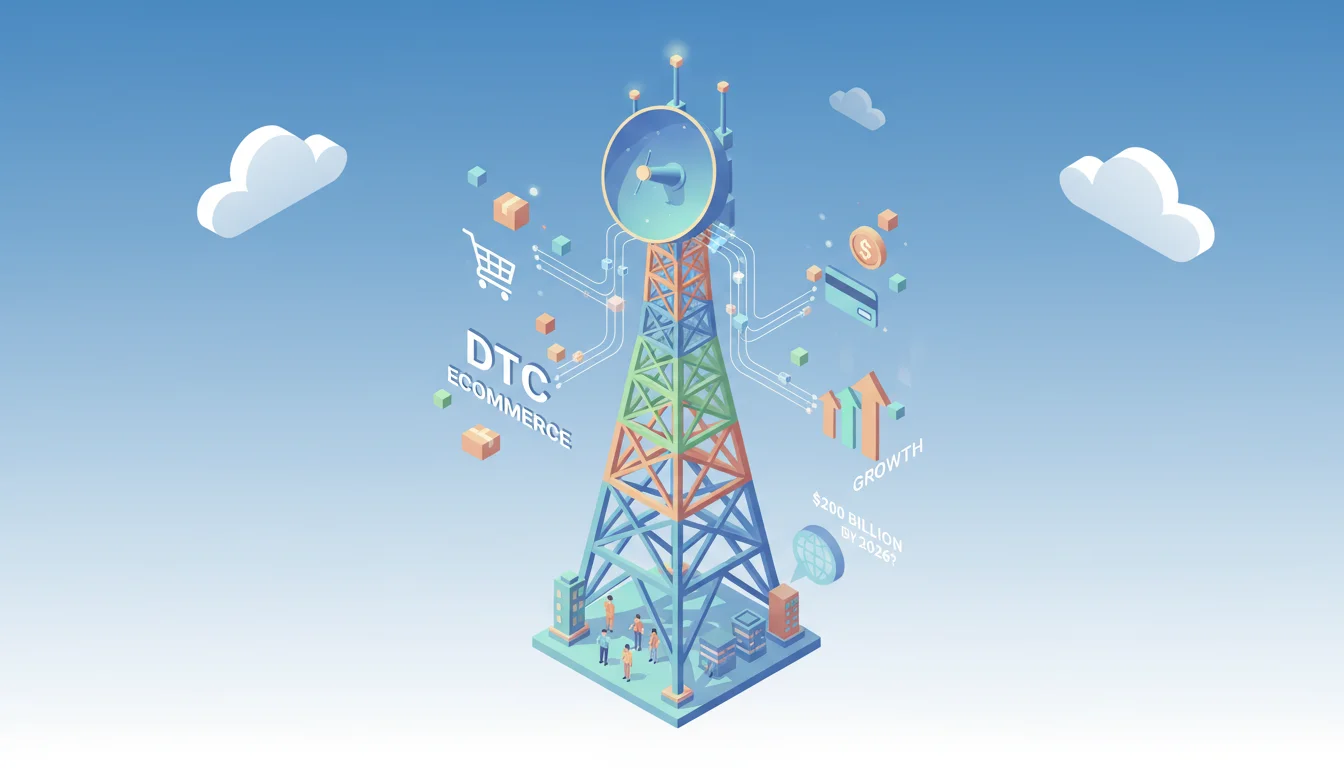
- Direct-to-consumer (DTC) sales through owned ecommerce sites are projected to reach $200 billion by 2026, indicating a strong market preference for direct brand engagement.
- Brands that invest in first-party data collection strategies on their platforms see an average 2.5x higher return on ad spend compared to those relying solely on third-party data.
- Implementing personalized customer experiences on owned platforms, such as tailored product recommendations or exclusive content, can boost conversion rates by up to 30%.
- A complete content strategy, including blogs, guides, and interactive tools hosted on your ecommerce site, can increase organic traffic by an average of 40% within 12 months.
- Brands with strong owned digital ecosystems report a 15% lower customer acquisition cost compared to those heavily reliant on marketplace sales.
“Cost savings matter, but they’re secondary. According to Gartner, software spending continues to climb even as organizations add more tools.”
Direct-to-Consumer Dominance: A $200 Billion Horizon
The market is speaking clearly: direct-to-consumer (DTC) sales through owned ecommerce platforms are not just a trend. They are a dominant force. A recent eMarketer report projects that DTC sales will soar to $200 billion by the close of 2026, marking a consistent upward trajectory over the past five years. This figure isn’t just a number. It represents a fundamental shift in consumer behavior and brand strategy. When I consult with businesses aiming to scale, the conversation invariably turns to how effectively they are capturing this direct revenue stream. Relying solely on third-party marketplaces, while offering initial reach, often means ceding control over customer relationships and important data. The brands truly winning are the ones aggressively investing in their standalone online stores, understanding that every sale through their own domain strengthens their brand equity and future profitability.
| Factor | Owned DTC Platform | Third-Party Marketplaces / Relying on Third-Party Data |
|---|---|---|
| Consumer Preference | 54% prefer direct brand shopping | Less preferred for direct shopping |
| Projected DTC Sales (2026) | $200 Billion | Not directly applicable |
| Return on Ad Spend (ROAS) | 2.5x higher with first-party data | Lower, relying on third-party data |
| Conversion Rates | Up to 30% boost with personalization | Less control over personalization |
| Organic Traffic Growth | 40% average increase with content strategy | Limited by platform’s content capabilities |
| Customer Acquisition Cost (CAC) | 15% lower | Higher due to marketplace reliance |
First-Party Data: The Untapped Goldmine
In an increasingly privacy-centric digital environment, the value of first-party data cannot be overstated. According to a study published by the IAB (Interactive Advertising Bureau), companies actively collecting and using first-party data on their owned ecommerce platforms experience an average 2.5 times higher return on ad spend (ROAS) compared to those still heavily dependent on third-party data. This isn’t theoretical. It’s a measurable performance indicator. When a customer interacts directly with your site, every click, every product view, every purchase provides invaluable insights that can be used to refine marketing efforts, personalize experiences, and develop more relevant products. The deprecation of third-party cookies by major browsers only amplifies this urgency. If you’re not building a strong first-party data strategy right now, you’re not just falling behind. You’re actively losing a competitive edge.
The Power of Personalization: Boosting Conversions by 30%
Consumers expect personalized experiences, and owned ecommerce platforms are the ideal environment to deliver them. Data from a NielsenIQ report indicates that implementing tailored product recommendations, dynamic content, or exclusive offers based on browsing history and purchase patterns can boost conversion rates by up to 30%. This isn’t just about showing a customer what they’ve already looked at. It’s about anticipating their needs and interests with precision. Imagine a customer who frequently purchases running shoes receiving an email about a new line of performance apparel specifically designed for runners, complete with a personalized discount code. That level of contextual relevance is incredibly powerful. Building these capabilities directly into your platform, rather than relying on external tools that may not integrate smoothly, gives you complete control over the customer journey and the narrative you present. It’s a strategic imperative that directly impacts the bottom line.
Content as a Core Digital Asset: Driving Organic Growth
Many brands still view their ecommerce platforms primarily as transaction hubs, overlooking their immense potential as content engines. A complete content strategy, including detailed product guides, engaging blog posts, how-to articles, and interactive tools hosted directly on your site, can significantly increase organic traffic. HubSpot research consistently shows that companies with a strong blog presence generate significantly more leads than those without one. My own observations suggest that within 12 months, brands committed to this approach can see organic traffic increase by an average of 40%. This content isn’t just for SEO. It builds authority, educates customers, and encourages a community around your brand. Think of a furniture retailer publishing guides on interior design trends or a beauty brand offering tutorials on different makeup techniques. These aren’t just marketing tactics. They are valuable digital assets that continually attract and engage potential customers, reducing reliance on paid acquisition channels over time.
Challenging Conventional Wisdom: Beyond the Marketplace Myth
There’s a persistent myth that marketplaces are the ultimate path to scale for every business. While they offer undeniable reach and convenience, I firmly believe that an over-reliance on them can be detrimental to long-term brand health. My professional experience shows that brands with strong, owned digital ecosystems consistently report a 15% lower customer acquisition cost (CAC) compared to those whose sales are heavily concentrated on third-party platforms. Marketplaces often mean competing on price, losing direct customer relationships, and having limited access to critical data. They are a valuable channel, yes, but they should be one component of a broader strategy, not the entire strategy. The real power lies in cultivating your own space, where you dictate the terms, own the data, and build direct, lasting relationships with your customers. The conventional wisdom often prioritizes immediate sales over strategic asset building, and that’s a mistake I see too many businesses make. Prioritize building your home base first.
The field of online commerce demands that businesses take ownership of their digital destiny. The brands that thrive in the coming years will be those that view their ecommerce platforms not just as storefronts, but as strategic digital assets capable of driving data, personalization, and sustained growth. For a deeper dive into modern marketing, consider how AI Martech can boost conversion rates.
What exactly are owned digital assets in the context of ecommerce?
Owned digital assets refer to any online property that a business has complete control over, including its official ecommerce website, brand blog, email subscriber lists, and proprietary content. These assets are distinct from rented channels like social media profiles or marketplace listings, where platforms dictate terms and access to data.
Why is first-party data so important for ecommerce platforms?
First-party data, collected directly from customer interactions on your owned platform, provides invaluable insights into preferences, behaviors, and purchase patterns. This data allows for highly targeted marketing, personalized customer experiences, and more effective product development, all while maintaining privacy compliance and reducing reliance on less reliable third-party information.
How can a brand effectively personalize the customer experience on its ecommerce site?
Effective personalization involves using collected first-party data to tailor various elements of the customer journey. This can include displaying personalized product recommendations based on past purchases or browsing history, showing dynamic content relevant to a user’s location or demographics, offering exclusive discounts, or sending targeted email campaigns based on specific actions on the site.
What role does content play in building strong ecommerce platforms?
Content plays a multifaceted role, attracting organic traffic through search engines, educating potential customers about products, building brand authority, and fostering community. A strong content strategy, including blogs, guides, videos, and interactive tools, transforms an ecommerce site into a valuable resource, enhancing customer engagement and loyalty beyond just transactions.
Is it still beneficial to sell on third-party marketplaces if you have a strong owned ecommerce platform?
Yes, third-party marketplaces can still be beneficial for expanding reach and acquiring new customers, especially for emerging brands. However, they should be viewed as one component of a broader strategy, not the primary sales channel. The focus should remain on driving customers back to your owned platform to build direct relationships and maximize the value of your digital assets.


