 By Angela Thomas
Key Takeaways
- Developing a strong blogging strategy involves a deep understanding of your niche audience’s specific information needs and pain points.
- Consistent publication of high-quality, long-form content (over 1,500 words per article) significantly improves organic search visibility and thought leadership positioning.
- Integrating diverse content formats, such as original research, expert interviews, and case studies, differentiates your blog and increases audience engagement.
- Strategic promotion across relevant professional networks and email newsletters amplifies content reach beyond organic search.
- Regularly analyzing content performance metrics, including time on page and conversion rates, allows for continuous refinement of your blog strategy.
Thought leaders aiming to truly engage their niche audience require a sophisticated blogging strategy that moves beyond surface-level content. The digital field in 2026 demands more than just posting regularly. It requires precision, depth, and a clear understanding of who you are speaking to, and why they should listen. How can your blog become the definitive resource in your specialized field?
Defining Your Niche with Surgical Precision
Before a single word hits the virtual page, a thought leader must possess an almost obsessive understanding of their niche audience. This isn’t about broad demographics. It’s about psychographics, specific professional challenges, and the exact questions keeping them up at night. For instance, if you’re a marketing consultant specializing in B2B SaaS lead generation, your niche isn’t “marketers.” It’s “marketing directors at Series B SaaS companies struggling with attribution modeling for their outbound campaigns.” This level of detail informs every content decision. A 2025 report by HubSpot Research found that businesses with a clearly defined target audience experienced 3.5 times higher conversion rates on their content marketing efforts compared to those with a generalized approach (HubSpot Research). Understanding your audience means more than just knowing their job title. It involves digging into the specific software they use, the industry conferences they attend, the regulatory hurdles they face, and even the internal political dynamics within their organizations. Are they concerned with quarterly revenue targets, long-term brand building, or employee retention? Each of these concerns represents an opportunity for relevant content. I’ve seen countless blogs fail because they try to be all things to all people. That approach dilutes authority and leaves no lasting impression. Instead, focus on becoming the undisputed expert for a very specific problem set. This also extends to understanding the language your audience uses. Are they formal or informal? Do they prefer technical jargon or plain language explanations? Conducting small-scale surveys, engaging in online forums specific to your niche, or even direct interviews with a handful of ideal clients can provide invaluable insights. This qualitative data complements quantitative analytics, painting a complete picture of your audience’s information consumption habits and preferences.
Crafting Pillar Content and Topic Clusters
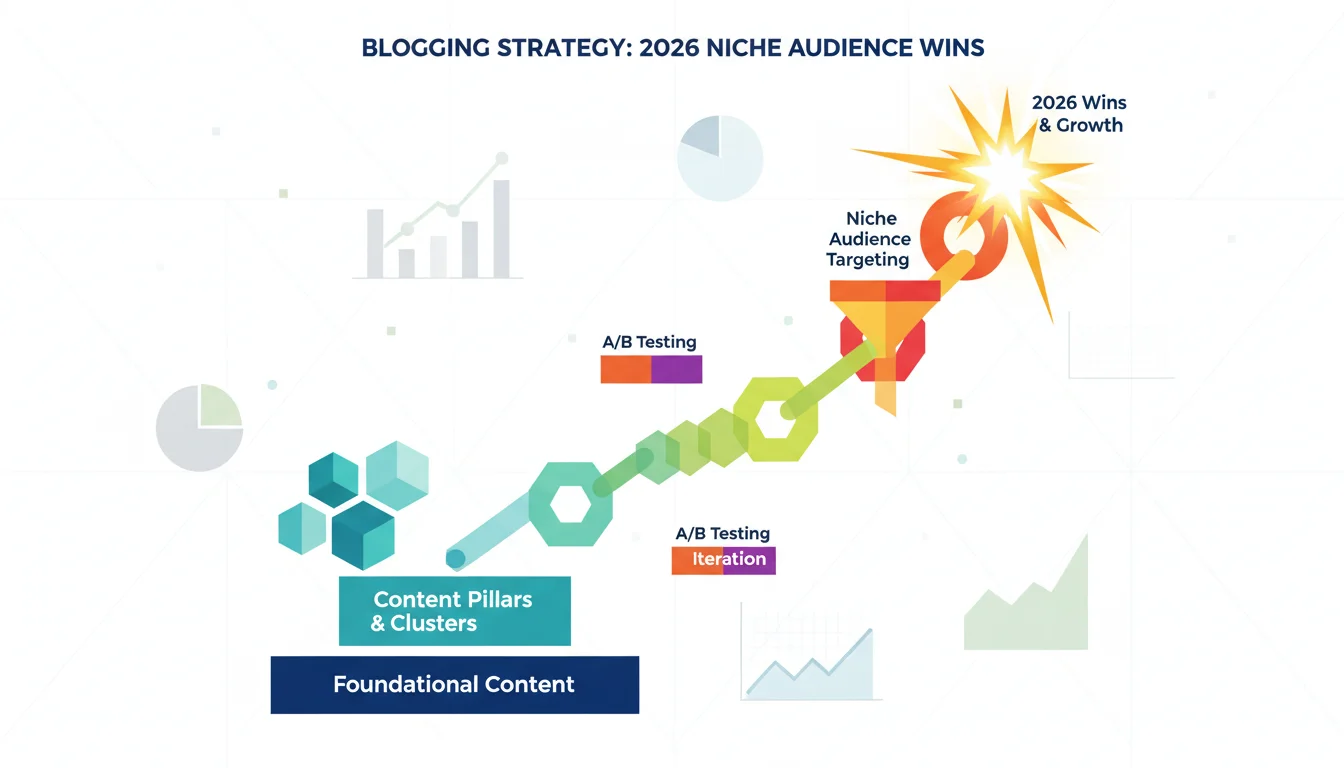
A strong content marketing strategy for thought leaders relies heavily on pillar content and topic clusters. This architectural approach to your blog not only establishes deep authority but also significantly aids search engine visibility. A pillar page is a complete, long-form piece of content (often 3,000+ words) that covers a broad subject in depth, without trying to rank for every possible keyword. For example, a pillar page for our B2B SaaS lead gen consultant might be “The Definitive Guide to B2B SaaS Lead Generation in 2026.” This page would then link out to numerous supporting cluster content pieces. These cluster articles dig into specific sub-topics mentioned in the pillar page, such as “Advanced LinkedIn Outreach Strategies for SaaS Sales,” “Implementing AI-Powered Chatbots for Lead Qualification,” or “Measuring ROI on Account-Based Marketing Campaigns.” Each cluster piece links back to the pillar page, reinforcing its authority and demonstrating semantic relevance to search engines. This internal linking structure signals to Google and other search engines that your blog is a complete resource on the broader topic, improving your organic rankings for a wider array of related keywords. Nielsen data consistently shows that users spend more time on pages that offer complete, well-organized information, suggesting higher engagement and perceived value (Nielsen). When developing these clusters, prioritize evergreen content. While timely articles have their place, the core of your thought leadership should be content that remains relevant for months, if not years. Update these pieces annually to reflect new industry trends, technological advancements, or regulatory changes. This approach maximizes the long-term return on your content investment. Think about what questions your audience will still be asking a year from now, not just next week.
The Art of Original Research and Data-Driven Insights
To truly stand out as a thought leader, you must contribute new knowledge to your field, not just synthesize existing information. This means investing in original research. While it sounds daunting, original research can take many forms: conducting industry surveys, analyzing proprietary data sets, performing A/B tests on marketing campaigns and publishing the results, or even developing unique frameworks and methodologies. For our B2B SaaS lead gen expert, this could involve surveying 500 marketing directors about their biggest challenges in 2026, then publishing a report with key findings and actionable recommendations. Or, it might be a case study detailing how a specific lead generation tactic increased qualified leads by 30% for a client. The key here is specificity and verifiable data. A report by eMarketer noted that content incorporating proprietary data or original research generated 4 times more backlinks than content relying solely on secondary sources (eMarketer). This directly translates to improved domain authority and search visibility. Don’t shy away from presenting complex data. Your niche audience, by definition, is sophisticated enough to appreciate detailed analysis. Use charts, graphs, and infographics to visualize data, making it more digestible and shareable. Tools like Tableau or Lucidchart can transform raw numbers into compelling visual narratives. This commitment to data-driven insights improves your content from opinion to undeniable fact, solidifying your position as an authority. Remember, expertise is built on demonstrable knowledge, not just eloquent prose.
Strategic Content Distribution and Amplification
Even the most brilliant content will languish if it’s not seen. A thought leader’s blogging strategy must include a strong distribution plan. This extends far beyond simply sharing on social media. Consider platforms where your specific niche audience congregates. For B2B professionals, this often includes LinkedIn groups, industry-specific forums, and professional Slack communities. Email newsletters remain one of the most effective channels for direct audience engagement. Building a segmented email list allows you to deliver highly relevant content directly to interested subscribers. For example, you might have segments for “SaaS Founders,” “Marketing Managers,” and “Sales Leaders,” each receiving tailored content updates. A 2025 IAB report highlighted that email marketing continues to deliver the highest ROI for content distribution, with an average return of $42 for every $1 spent (IAB). This isn’t just about sending out blog post links. It’s about providing additional value, exclusive insights, or early access to upcoming research. Beyond your owned channels, explore opportunities for guest posting on other reputable industry blogs or publications. This not only expands your reach to new audiences but also generates valuable backlinks, boosting your domain authority. Participating in relevant podcasts or webinars also is an excellent content amplification strategy, allowing you to discuss your blog’s key themes and drive traffic back to your site. The goal is to be omnipresent where your audience seeks information. AI Email Automation can further enhance your distribution efforts, ensuring your content reaches the right audience at the right time.
Measuring Impact and Iterating for Growth
A blog strategy isn’t a “set it and forget it” endeavor. Thought leaders must continuously measure the impact of their content and iterate based on performance data. Key metrics to track include:
- Organic traffic: How many visitors are finding your blog through search engines? Tools like Google Search Console and Google Analytics 4 provide detailed insights into keyword performance and traffic sources.
- Time on page: This indicates how engaged readers are with your content. Longer times suggest higher quality and relevance.
- Bounce rate: A high bounce rate could signal that your content isn’t meeting audience expectations or that your targeting is off.
- Conversion rates: Are readers signing up for your newsletter, downloading a lead magnet, or requesting a consultation after reading your blog? This is the ultimate measure of content effectiveness.
- Backlinks and social shares: These metrics indicate the authority and shareability of your content within the industry.
Analyzing these metrics regularly (e.g., monthly or quarterly) allows you to identify what’s working and what isn’t. Perhaps certain topic clusters are performing exceptionally well, indicating a need for more content in that area. Or, maybe a particular content format (e.g., video interviews) resonates more strongly with your audience. Don’t be afraid to pivot or refine your approach based on data. The most successful thought leaders are those who treat their blog as a living, evolving entity, constantly adapting to the needs and preferences of their niche. Cultivating a powerful blogging strategy demands unwavering commitment to your niche, an appetite for original insight, and a relentless focus on measurable impact. Your blog isn’t just a collection of articles. It’s the digital foundation of your thought leadership. For a deeper dive into improving your content’s effectiveness, consider implementing personal brand feedback loops. This can help refine your approach and ensure your content consistently resonates with your audience.
What is pillar content and why is it important for thought leaders?
Pillar content is a complete, long-form article (typically over 3,000 words) that covers a broad topic in depth, serving as the central resource for a cluster of related, more specific articles. It’s important for thought leaders because it establishes deep authority on a subject, improves search engine visibility by providing a strong internal linking structure, and is a foundational piece that demonstrates extensive expertise.
How often should a thought leader publish new blog content to maintain engagement?
While quality always trumps quantity, a consistent publishing schedule is important. For thought leaders, publishing high-quality, in-depth content once or twice a month is often more effective than daily shallow posts. The key is to maintain a predictable rhythm that your audience can anticipate, ensuring each piece offers substantial value and unique insights.
What role does original research play in establishing thought leadership through blogging?
Original research is vital for establishing thought leadership because it contributes new, unique knowledge to your field, rather than simply repackaging existing information. This can involve conducting surveys, analyzing proprietary data, or developing new frameworks. Content backed by original research is often more credible, generates more backlinks, and solidifies your position as an authoritative source.
Beyond organic search, what are effective channels for distributing thought leadership blog content?
Effective distribution channels extend beyond organic search to include targeted email newsletters, engagement in industry-specific professional networks (like LinkedIn groups), guest posting on reputable industry blogs, and participation in relevant podcasts or webinars. The goal is to meet your niche audience where they already consume information and discussions.
What key metrics should a thought leader track to evaluate their blog’s performance?
Key metrics for evaluating blog performance include organic traffic, time on page, bounce rate, conversion rates (e.g., newsletter sign-ups, lead magnet downloads), and the number of backlinks and social shares. Regularly analyzing these metrics provides actionable insights into content effectiveness and informs future content strategy adjustments.


