 By Angela Smith
Building a Strong Digital Presence: The Foundation
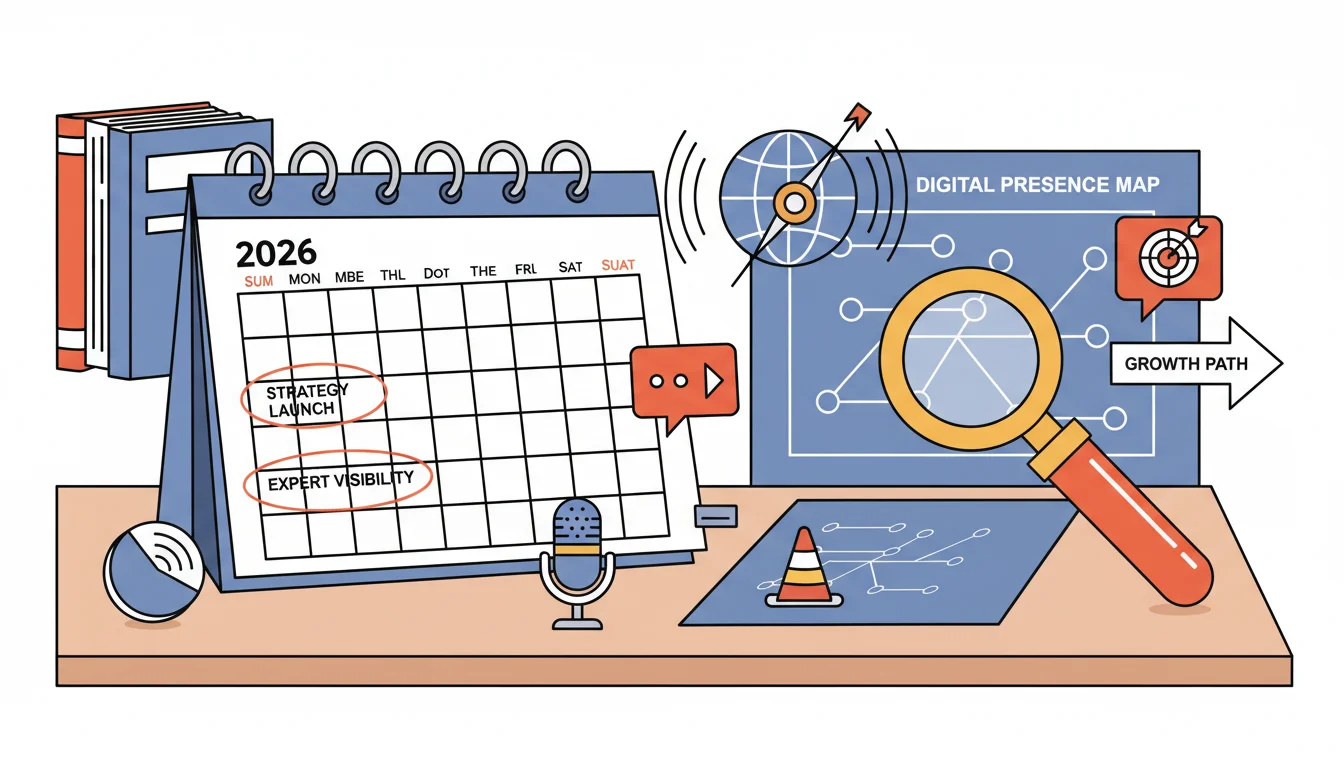
A strong digital presence is not merely an afterthought in 2026. It is the absolute bedrock for any entity seeking sustained growth and expert visibility. Without a cohesive and strategically built online identity, even the most innovative products or services risk remaining unseen, stifled by the sheer volume of digital noise.
Key Takeaways
- Invest in a mobile-first website design, as 78% of all online traffic in 2025 originated from mobile devices, according to a recent Nielsen report.
- Develop a clear, consistent brand voice and visual identity across all digital channels, including your website, social media, and email communications, to build immediate recognition.
- Prioritize search engine optimization (SEO) by conducting thorough keyword research and regularly updating your website content with relevant, high-quality information to rank higher in search results.
- Engage actively on at least two primary social media platforms where your target audience spends the most time, focusing on community building rather than just promotional posts.
- Implement data analytics tools to track user behavior, content performance, and conversion rates, using these insights to continuously refine your digital strategy.
Defining Your Digital Identity and Strategy
Before any pixels are pushed or campaigns launched, the foundational step involves a deep introspection into what your online branding truly represents. This is not about choosing a logo. It’s about articulating your core values, your unique selling propositions, and the specific audience you aim to serve. Without this clarity, your digital efforts will lack direction, appearing fragmented and ineffective. Think of it as constructing a building: you wouldn’t start pouring concrete without architectural blueprints. Similarly, your digital strategy needs a complete plan. Consider your target demographic with precision. Are you reaching Gen Z on TikTok, or B2B decision-makers on LinkedIn? The platforms, content formats, and even the language you use will vary dramatically based on this understanding. A eMarketer report from late 2025 indicated that active social media users now average over 2.5 hours daily across multiple platforms. Knowing where your audience spends that time is paramount. This initial strategic mapping saves significant resources down the line, preventing the common pitfall of broadcasting messages into an echo chamber. It requires more than just guesswork. It demands market research, competitive analysis, and a willingness to define who you are and, importantly, who you are not.
The Central Hub: Your Website’s Role
Your website remains the undisputed core of your digital presence. It functions as your digital storefront, your information repository, and your primary conversion engine. In 2026, a website must be more than just aesthetically pleasing. It needs to be fast, secure, and, above all, user-centric. A recent Statista analysis revealed that mobile devices accounted for nearly 78% of all web traffic globally in 2025. This statistic alone should underscore the non-negotiable requirement for a mobile-first design approach. If your site isn’t perfectly responsive across all screen sizes, you’re alienating a vast majority of your potential audience. Beyond responsiveness, consider the technical underpinnings. Website loading speed directly impacts user experience and search engine rankings. Google’s Core Web Vitals, for instance, heavily penalize slow-loading sites. Investing in strong hosting, optimizing image sizes, and minimizing unnecessary scripts are not optional enhancements. They are fundamental requirements. Plus, clear navigation, compelling calls to action, and high-quality content are essential. Every page should serve a purpose, guiding the user towards information or conversion. A cluttered, confusing, or slow website is a digital dead end, regardless of how much effort you put into driving traffic to it.
Cultivating Expert Visibility Through Content and SEO
Achieving expert visibility hinges on two interconnected pillars: valuable content and strategic search engine optimization (SEO). Content is the language of your digital presence. It’s how you communicate your expertise, solve problems for your audience, and build trust. This extends beyond simple blog posts. It encompasses whitepapers, case studies, video tutorials, podcasts, and even interactive tools. The key is consistency and relevance. Publishing sporadic, low-quality content does more harm than good, signaling a lack of commitment and authority. SEO, on the other hand, is the mechanism that ensures your valuable content is discovered. It’s not a one-time fix but an ongoing process of refinement. Start with complete keyword research to understand what terms your target audience uses to find solutions you offer. Tools like Google Keyword Planner or Ahrefs can provide invaluable insights into search volume and competition. Once you have your target keywords, integrate them naturally into your website content, meta descriptions, image alt text, and URL structures. Technical SEO elements, such as XML sitemaps, robots.txt files, and schema markup, also play a critical role in helping search engines crawl and understand your site’s structure. Neglecting these technical details is akin to having a brilliant book but hiding it in an unlabeled box in a vast library. On top of that, link building remains a powerful SEO factor. Earning high-quality backlinks from authoritative sites signals to search engines that your content is trustworthy and valuable. This requires genuine outreach, creating truly shareable content, and building relationships within your industry. It’s a long game, not a sprint, but the rewards in terms of organic traffic and sustained visibility are substantial.
Engaging Communities: Social Media and Beyond
Your digital presence is incomplete without active engagement across relevant online communities. Social media platforms are no longer just broadcasting channels. They are spaces for conversation, relationship building, and showing your brand’s personality. The platforms you choose should align with where your audience spends their time, as previously mentioned. For instance, a B2C fashion brand might thrive on Instagram and Pinterest, while a B2B software company would find more value in LinkedIn and industry-specific forums. Engagement means more than just posting. It involves responding to comments, participating in relevant discussions, running polls, and even hosting live Q&A sessions. Authenticity is paramount. Users are adept at spotting disingenuous marketing efforts. Share insights, offer help, and celebrate your community’s successes. This consistent, genuine interaction encourages loyalty and advocacy, turning followers into brand champions. Beyond social media, consider industry forums, online groups, and even local digital communities. Contributing valuable insights in these spaces can further solidify your expert visibility and drive traffic back to your central hub. It’s about being present where your audience gathers, not just expecting them to come to you.
Measuring Success and Adapting Your Strategy
The digital field is dynamic, which means your strategy cannot be static. Continuous measurement and adaptation are essential for maintaining a strong digital presence. Implementing strong analytics tools like Google Analytics 4 (GA4) or other enterprise-level platforms allows you to track key performance indicators (KPIs) with precision. These KPIs might include website traffic, bounce rate, conversion rates, time on page, social media engagement rates, and lead generation. Without this data, you’re operating in the dark, making decisions based on intuition rather than informed insights. Regularly review your performance against predefined goals. Are your social media campaigns driving the desired engagement? Is your website converting visitors into leads or customers at an acceptable rate? Which content pieces are resonating most with your audience? Identify what’s working and double down on those efforts. Equally important is identifying what isn’t working. Don’t be afraid to pivot, experiment with new content formats, or adjust your keyword strategy based on performance data. The agility to adapt your approach based on real-time feedback is a hallmark of a truly effective digital strategy. Remember, the goal isn’t just to be online. It’s to be effective online, and effectiveness is only measurable through consistent analysis. A complete digital presence demands a strategic, data-driven approach, focusing on clear objectives, audience understanding, and consistent engagement.
What is the most critical component of a strong digital presence?
Your website is the most critical component, serving as your central hub for information, branding, and conversions. It must be mobile-first, fast-loading, and user-friendly to effectively support your overall digital strategy.
How often should I update my website content for SEO?
For optimal SEO, you should aim to update your website content regularly, ideally with fresh, valuable content at least once or twice a week. This signals to search engines that your site is active and relevant, improving your chances of higher rankings.
Which social media platforms are best for building expert visibility?
The “best” social media platforms depend entirely on your target audience and industry. For B2B expertise, LinkedIn is often paramount. For visual industries or B2C, platforms like Instagram or Pinterest might be more effective. Research where your audience spends their time and focus your efforts there.
Is it still necessary to focus on search engine optimization (SEO) in 2026?
Absolutely. SEO remains fundamental for organic discovery. As search engines evolve, so do SEO tactics, but the core principle of making your content discoverable to those actively searching for it is more important than ever for sustained digital visibility.
How can I measure the effectiveness of my digital presence efforts?
You can measure effectiveness by tracking key performance indicators (KPIs) through analytics tools like Google Analytics 4. Monitor metrics such as website traffic, conversion rates, bounce rate, social media engagement, and lead generation to understand what’s working and where adjustments are needed.


