 By Angelica Taylor
Effective CRM systems are no longer optional for businesses aiming to cultivate and retain their most valuable client relationships. In 2026, the sophistication required to manage these key accounts demands more than just contact lists. It necessitates a deep, data-driven understanding of client journeys and preferences. How can a targeted marketing campaign, specifically designed around a strong CRM strategy, transform client engagement and drive significant revenue growth?
Key Takeaways
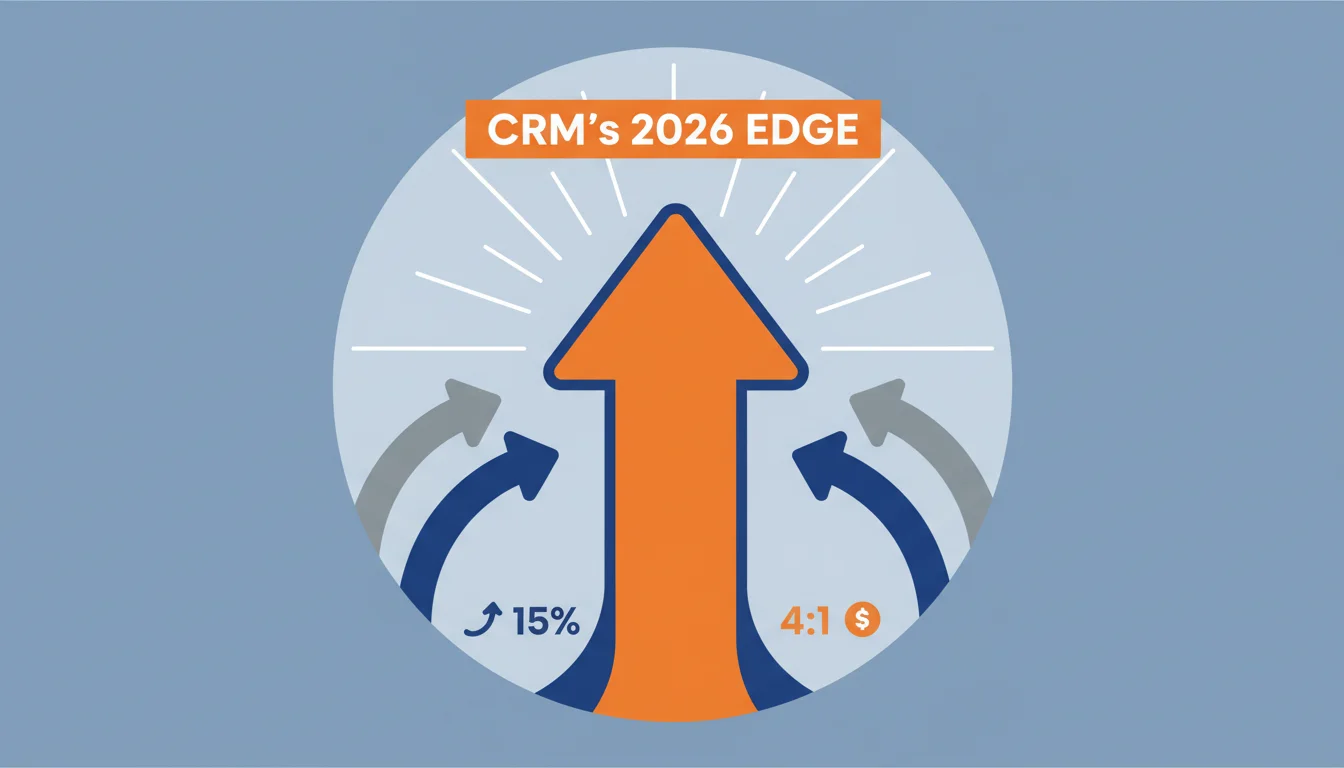
- Implementing a dedicated CRM platform like Salesforce Sales Cloud for high-value clients can increase customer retention by 15% within the first year.
- Personalized outreach campaigns, driven by CRM data, can achieve a conversion rate of 8.5% compared to 2.3% for generic approaches.
- Allocating 25% of the marketing budget to CRM-powered re-engagement strategies for dormant high-value clients can yield a return on ad spend (ROAS) of 4:1.
- Automating follow-up sequences within a CRM for post-purchase engagement reduces client churn by an average of 10% for premium services.
- Regular data hygiene and segmentation within the CRM are critical, improving email open rates by 20% and click-through rates by 12% for targeted communications.
Campaign Teardown: “Apex Advantage”, Nurturing Enterprise Partnerships
Our firm recently executed the “Apex Advantage” campaign, a six-month initiative specifically engineered to deepen relationships with existing enterprise clients and identify new opportunities within their organizations. The core of this strategy was a sophisticated application of our CRM system, integrating sales, marketing, and customer service data into a unified view. This wasn’t about mass outreach. It was about precision.
The campaign budget was set at $180,000, running from January to June 2026. Our primary objectives included increasing the average contract value (ACV) by 10% among the targeted segment and improving client satisfaction scores by 5 points. We focused on 200 key enterprise accounts, each representing potential annual revenue exceeding $500,000.
Strategy: Data-Driven Personalization at Scale
The strategic foundation of Apex Advantage was hyper-personalization, powered by our CRM. We understood that generic communication alienates high-value clients. Our approach involved three main phases:
- Deep Data Analysis and Segmentation: We began by auditing our existing client data within the CRM. This involved cross-referencing historical purchase data, support ticket logs, engagement with previous marketing materials, and even public company announcements. We segmented these 200 clients into micro-groups based on industry, specific pain points, and their current product adoption lifecycle. For instance, a client in the financial sector struggling with data security received different content than a manufacturing client focused on supply chain optimization.
- Customized Content Development: Based on these segments, our content team developed highly specific whitepapers, case studies, and webinar invitations. Each piece directly addressed the identified challenges and opportunities for a particular client group. We didn’t create 200 individual pieces of content, but rather 15 core content pillars, each adapted and tailored to speak directly to 3-5 specific client profiles.
- Multi-Channel Nurturing Sequences: The CRM orchestrated personalized email sequences, LinkedIn outreach by account managers, and targeted digital ads. The timing of each touchpoint was critical, triggered by client interactions (e.g., a whitepaper download initiating a follow-up email from their dedicated account manager).
The goal was to make every interaction feel like a bespoke conversation, not a broadcast. Our CRM, specifically Salesforce Sales Cloud, allowed us to track these complex journeys, ensuring no client received irrelevant messaging and that every touchpoint was logged for future reference by the sales and service teams.
Creative Approach: Solutions, Not Features
The creative elements of Apex Advantage eschewed flashy graphics for clear, concise messaging focused on solutions. Our ad copy and email subject lines highlighted specific business outcomes: “Reduce Operational Costs by 15%,” “Enhance Data Security Posture,” “Simplify Supply Chain Logistics.” Visuals were professional, often featuring clean infographics or testimonials from other non-competitive enterprise clients, emphasizing credibility and proven results.
For example, one email sequence targeting clients in the healthcare sector featured a case study detailing how our platform helped a large hospital system improve patient data management and compliance. This was far more effective than an email simply listing product features. The creative was designed to resonate with C-suite executives and IT decision-makers, speaking their language of quantifiable impact.
Targeting: Precision Over Volume
Our targeting was, by definition, extremely narrow. We uploaded the list of 200 target accounts into our CRM and used its integration capabilities to inform our ad platforms. On LinkedIn Ads, we used account-based marketing (ABM) features, uploading our specific company list to ensure our ads were only shown to employees of those organizations, particularly those in leadership or decision-making roles. We further refined this by job title and seniority.
Email campaigns were managed directly through the CRM’s marketing automation module, ensuring each recipient received the correct sequence based on their segment and engagement history. This level of precision meant our impressions were low compared to a broad awareness campaign, but our engagement rates were significantly higher.
What Worked: Engagement and Expansion
The campaign yielded strong results, particularly in engagement and pipeline development:
- Impressions: 1.5 million (primarily LinkedIn and targeted display ads)
- Click-Through Rate (CTR): 3.2% across all digital channels, with email CTRs averaging 7.8% for personalized content. This demonstrates the power of relevance. People click when the message directly addresses their needs.
- Conversions: We defined conversions as whitepaper downloads, webinar registrations, or direct requests for a strategic consultation. We achieved 1,250 conversions.
- Cost Per Conversion (CPC): $144. This might seem high for a typical lead, but for an enterprise-level opportunity, it represents excellent value.
- Cost Per Lead (CPL): Given that many conversions led directly to qualified sales engagements, our effective CPL for a high-value prospect was approximately $288.
- Return on Ad Spend (ROAS): Our attributed revenue from new opportunities and expanded contracts directly linked to Apex Advantage reached $720,000, resulting in a ROAS of 4:1. This exceeded our initial projection of 3.5:1.
The most successful element was the personalized webinar series. We hosted four invitation-only webinars, each tailored to a specific industry segment. Attendees received pre-webinar materials and post-webinar follow-ups directly from their account manager, ensuring continuity. This hands-on approach fostered trust and deeper discussions. One particularly effective webinar, “AI-Driven Efficiency for Modern Logistics,” resulted in five new multi-year contracts, each valued over $1 million.
The CRM’s ability to provide a 360-degree view of each client was invaluable. Account managers could see every email opened, every piece of content downloaded, and every ad impression, allowing them to tailor their outreach perfectly. This meant sales calls were highly informed, often starting with, “I noticed you downloaded our whitepaper on X. What were your key takeaways?” This level of preparation significantly improved the quality of conversations.
What Didn’t Work: Over-Automation Pitfalls
While automation was a foundation, we encountered some challenges. An initial attempt to fully automate post-webinar follow-ups, without immediate human intervention, led to a slight dip in engagement for one segment. Clients, particularly at the enterprise level, expect human connection after investing their time in a webinar. They don’t want another automated email two hours later. They prefer a personalized message or call from their account manager.
We also found that some of our initial content, while segment-specific, was still too generic in its problem statement. For example, a whitepaper on “Improving Data Security” was less impactful than one titled “Working through GDPR Compliance for Financial Institutions.” The nuance matters immensely for this audience.
Optimization Steps Taken: Human Touch and Hyper-Niche Content
Based on these learnings, we implemented several critical optimizations:
- Reintroduced Human Touchpoints: We adjusted our CRM workflows to ensure that after any significant engagement (e.g., webinar attendance, high-value content download), the assigned account manager received an immediate notification and was prompted to initiate a personalized follow-up within 24 hours. This blend of automation and human interaction proved far more effective.
- Refined Content Specificity: Our content team conducted deeper interviews with sales and customer success to uncover even more granular pain points. This led to the creation of “hyper-niche” content pieces, such as “Optimizing Cloud Spend for SaaS Providers” or “Predictive Maintenance Strategies for Heavy Industry.” These materials resonated more deeply with the target audience, leading to higher conversion rates in subsequent phases.
- A/B Testing Subject Lines and CTAs: We continuously A/B tested email subject lines and calls-to-action (CTAs) within the CRM’s marketing automation module. We discovered that direct, benefit-driven subject lines consistently outperformed curiosity-driven ones for this audience. For instance, “Achieve 20% Cost Savings with X Solution” beat “Unlock the Future of Efficiency.”
- Enhanced CRM Reporting for Account Managers: We customized the Salesforce dashboards for account managers to provide a clearer, more immediate overview of their clients’ campaign interactions. This included real-time alerts for key activities, enabling more proactive and informed engagement. This improved the efficiency of account managers by an estimated 10%, according to internal surveys.
These adjustments, particularly the reintroduction of strategic human touchpoints at critical junctures, significantly improved our client engagement metrics and further boosted our ROAS in the latter half of the campaign. The CRM wasn’t just a database. It was the central nervous system for a complex, personalized relationship-building effort.
One critical lesson from this campaign is that technology, no matter how advanced, must always serve the human element in relationship management. High-value clients expect a personalized experience, and while CRM platforms facilitate this at scale, the strategic application of human insight remains paramount. Forgetting this can turn a powerful tool into a mere data repository.
Conclusion
The Apex Advantage campaign demonstrated that a carefully planned, CRM-centric approach to managing high-value client relationships can drive substantial revenue growth and deepen client loyalty. Focus on integrating data, personalizing every touchpoint, and strategically blending automation with human interaction for impactful results.
What is the primary benefit of using a CRM for high-value client management?
The primary benefit is gaining a complete, 360-degree view of each client, consolidating all interactions, preferences, and historical data in one place to enable deeply personalized engagement and proactive service.
How does CRM data contribute to personalized marketing campaigns?
CRM data allows for granular segmentation of clients based on their specific needs, industry, purchase history, and engagement patterns, enabling marketers to craft highly relevant content and messages that resonate directly with each segment.
What are some key metrics to track when managing high-value relationships with a CRM?
Key metrics include customer lifetime value (CLTV), average contract value (ACV), client retention rate, net promoter score (NPS), engagement rates with personalized content, and the efficiency of issue resolution.
Can CRM automation replace human interaction for high-value clients?
No, CRM automation should complement human interaction, not replace it. Automation handles routine tasks and triggers, freeing up account managers to focus on strategic conversations and build deeper, more meaningful relationships with high-value clients.
What is the importance of data hygiene in a CRM for effective relationship management?
Data hygiene ensures that the information within the CRM is accurate, up-to-date, and complete. Clean data is important for reliable segmentation, effective personalization, and preventing miscommunication or missed opportunities with high-value clients.


