 By Editorial Team
With global digital ad spending projected to blow past $800 billion by 2026 according to a recent Statista report, the competition for consumer attention is just fierce. In this kind of environment, operational efficiency is about more than a cost-saving line item. It’s the very foundation of sustained brand efficiency and staying relevant in the market. So how can leaders take a lesson from advanced logistics, like cross-sorter technology, and apply it to their own brands?
Key Takeaways
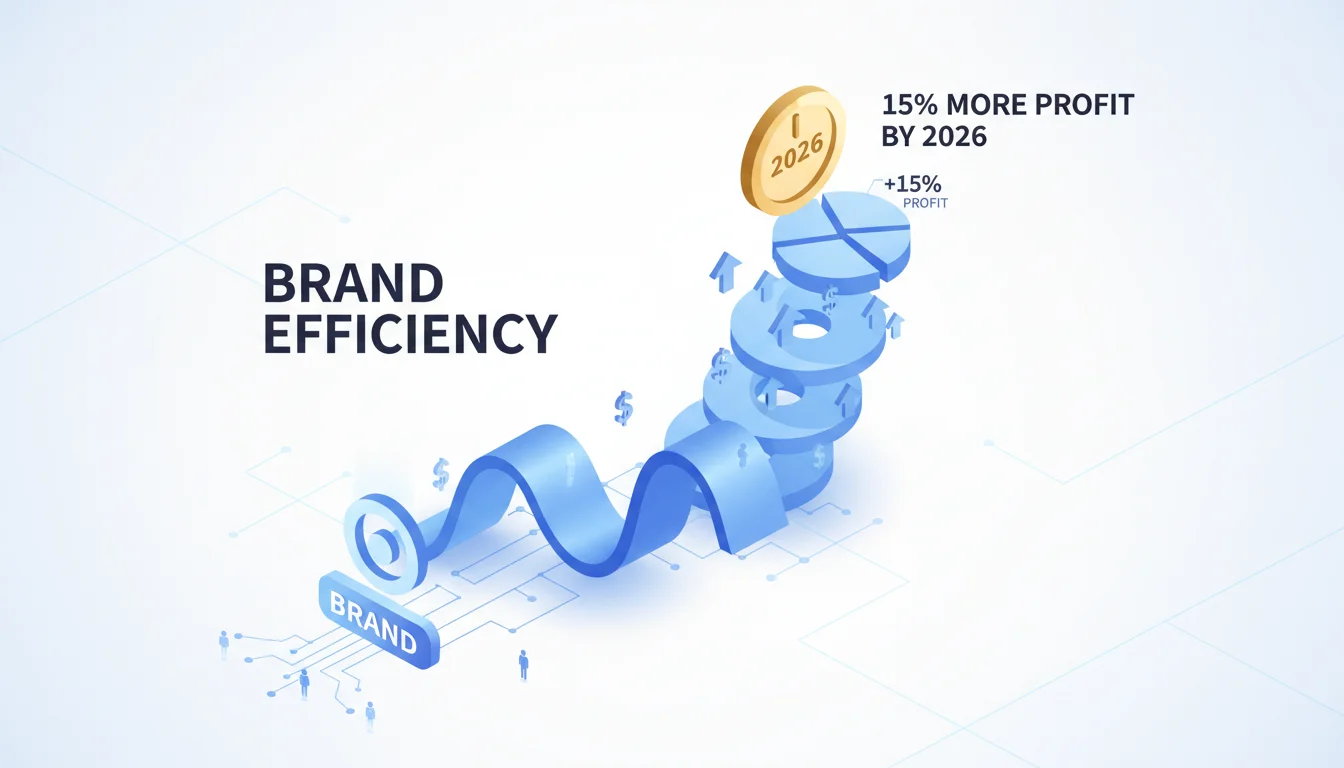
- A 2025 McKinsey study shows top-quartile brands in operational efficiency have profit margins 15% higher than their peers.
- Using automated content tagging and distribution can slash content delivery lead times by up to 30%, which gets creative teams off the hamster wheel and onto strategic work.
- Integrating sales, marketing, and service data into a unified customer data platform (CDP) cuts customer query resolution time by an average of 20%, directly improving how people perceive your brand.
- Adopting continuous improvement frameworks like Agile for marketing operations can lead to a 10% year-on-year drop in campaign execution costs.
- Auditing your marketing tech stack regularly and consolidating tools that do the same thing can cut your annual subscription costs by 5% to 15% without losing any real capability.
72% of Consumers Expect Personalized Experiences, Yet Only 35% of Brands Deliver Consistently
That gap, pulled from a 2026 HubSpot research brief, shows a massive disconnect between what customers want and what brands can actually do. Think about it: a cross-sorter in a distribution center doesn’t just move packages. It uses complex logic to direct each item to its specific destination. For brands, the ‘package’ is the customer interaction, and the ‘destination’ is a personalized experience. Too many marketing teams still work with a “batch and blast” approach, using broad segments instead of individualizing the path. This goes way beyond just using a name in an email. It applies to dynamic website content, ad creative, and even how customer service talks to people. The inefficiency here is painful: you waste resources on messaging that doesn’t land, and you erode customer loyalty in the process. I see this all the time with clients who have great content but no intelligent way to distribute it. They’re basically making a Michelin-star meal and serving it on a cafeteria tray.
Companies with High Levels of Automation in Marketing See a 10% to 15% Increase in Lead-to-Opportunity Conversion Rates
The data from a recent IAB report on martech adoption is clear: automation is a strategic lever for improving interaction quality. In logistics, automation delivers fewer errors, faster throughput, and a more predictable supply chain. For marketing, this means more timely follow-ups, better lead nurturing, and more accurate lead scoring. Imagine a prospect downloads a whitepaper. Without automation, that lead could just sit in a CRM for days until a sales rep gets to it, long after the prospect’s initial interest has cooled. But with a properly configured automation platform, that download instantly triggers a personalized email sequence, assigns a lead score based on what they do next, and can even ping an SDR when that person’s behavior shows they’re ready for a call. This whole process mirrors the precision of a cross-sorter, which identifies an item (the lead) and moves it down the most efficient path to its next stop (conversion). The efficiency you gain here is about capitalizing on fleeting moments of buyer intent, not just saving a few employee hours. For more on how AI fits in, check out ChatGPT: 35% Faster Content for Thought Leaders in 2026.
Data Silos Cost Enterprises an Average of $100 Million Annually in Lost Productivity and Missed Opportunities
That stark number from a 2025 eMarketer analysis should be a major wake-up call for any leader. Cross-sorter systems depend on a central data feed to make instant routing decisions. What would happen if the inbound scanner couldn’t talk to the outbound truck loader? Total chaos. And yet, so many brands operate exactly like that, with marketing data in one system, sales data in another, and customer service logs in a third. This fragmentation makes it impossible to get a complete picture of the customer journey, which causes disjointed experiences and redundant work. For example, a customer gets an email for a product they just bought, or a sales rep cold-calls a prospect who is already working through an issue with support. This kind of thing actively damages your brand’s reputation. Using a solid Customer Data Platform (CDP) like Segment is the brand equivalent of that centralized control system. It provides a single, consistent view of every customer, which is the only way to have truly coordinated and efficient engagement. This ties directly to the need for brand cohesion across every single touchpoint.
| Feature | Automated Content Tagging | Unified Customer Data Platform (CDP) | Agile Marketing Operations |
|---|---|---|---|
| Profit Margin Impact | ✗ No direct profit margin data | ✓ Indirect: improves brand perception | ✓ 15% higher for top-quartile efficiency |
| Content Delivery Lead Time Reduction | ✓ Up to 30% reduction | ✗ Not applicable | ✗ Not applicable |
| Customer Query Resolution Time | ✗ Not applicable | ✓ Average 20% reduction | ✗ Not applicable |
| Campaign Execution Cost Reduction | ✗ Not applicable | ✗ Not applicable | ✓ 10% year-on-year reduction |
| Personalized Experience Support | ✓ Frees creative teams for strategic work | ✓ Enables personalized interactions | ✗ Not directly addressed |
| Data Silo Resolution | ✗ Not applicable | ✓ Unifies sales, marketing, service data | ✗ Not applicable |
| Lead-to-Opportunity Conversion | ✗ Not applicable | ✗ Not applicable | ✓ 10-15% increase with automation |
Brands with a Strong Focus on Employee Experience Report 23% Higher Customer Satisfaction Scores
You might look at that figure from a Nielsen report and think it’s not about operational efficiency, but it’s completely connected. A cross-sorter system isn’t just machinery. It’s the engineers who maintain it and the operators who monitor its flow. If those people are frustrated by clunky software, redundant steps, or unclear processes, the whole system degrades. It’s no different inside a brand. When a marketing team is bogged down by manual reporting, endless approval cycles, or vague campaign goals, their ability to execute well just craters. I’ve seen it firsthand, an overwhelmed marketing team struggling with bad internal processes can’t possibly deliver creative and timely campaigns. Investing in project management platforms like Asana or Monday.com, which simplify workflows and provide clear data, is about removing the internal friction that prevents the smooth “sorting” and delivery of your brand’s message. Efficient internal operations directly fuel efficient external engagement.
Challenging the Conventional Wisdom: The Myth of “More Tools, More Efficiency”
There’s a persistent belief in marketing that buying the newest, shiniest software will magically create efficiency. I see so many leaders fall into this trap, thinking if there’s a problem, there must be a new SaaS solution for it. My experience says that’s usually a mistake. In a warehouse, adding another conveyor belt without integrating it properly just creates a new bottleneck. The same thing happens with martech. I’ve audited organizations whose tech stacks were so bloated and disconnected they looked like a spaghetti junction of overlapping tools and conflicting data. Every new piece of software, while promising to solve one small problem, often brings new integration headaches and training demands. The real path to efficiency often comes from simplifying and optimizing what you already have. A lean, well-integrated tech stack, where every tool has a clear job and talks to the others, will almost always crush a sprawling collection of siloed point solutions. The goal is orchestration, not just accumulation. Sometimes the smartest move you can make is to consolidate, especially when you’re looking for those big marketing automation wins.
The principles from cross-sorter technology, precise routing, centralized data, system-wide optimization, are powerful metaphors for achieving brand efficiency. By systematically breaking down data silos, embracing smart automation, and building a culture that prioritizes operational excellence, leaders can completely transform their marketing efforts. The final thought is this: you have to treat every customer interaction like a unique package that needs precise handling to get to the right destination. This is the core driver of brand success today.
What is operational efficiency in branding?
It’s how well a brand’s internal processes deliver consistent, high-quality customer experiences without wasting resources like time and money. This covers everything from content creation and distribution to customer data management and campaign execution.
How does automation improve brand efficiency?
Automation handles repetitive tasks, enables personalized customer journeys at scale, ensures timely communication, and provides data insights much faster. This frees your people up for strategic thinking and creative work, which results in more impactful campaigns and better engagement.
What are data silos and why are they detrimental to brand efficiency?
Data silos happen when different departments (like sales, marketing, and service) store customer information in separate, disconnected systems. They’re bad for efficiency because they prevent a single view of the customer, leading to inconsistent messaging, wasted effort, and a fragmented customer experience.
Can investing in employee experience truly impact brand efficiency?
Yes, absolutely. A positive employee experience, with clear processes and effective tools, directly leads to higher productivity and better work quality. Employees who aren’t bogged down by clunky internal systems can focus on delivering the exceptional customer experiences that are at the heart of brand efficiency.
Should brands always adopt the latest marketing technology for efficiency?
Not necessarily. Just buying every new tool can lead to a bloated, disconnected tech stack that creates more problems than it solves. Real efficiency comes from strategically picking tools that integrate with your existing systems, solve specific problems, and are actually adopted and used well by your team.


