 By Renato Vega
The visual web is no longer a niche. It’s the primary interface for many consumers, making AI visual search a critical component of content discovery strategies. As users increasingly rely on images to find products and information, optimizing for these visual queries can dramatically impact visibility. But how does this translate into concrete campaign results?
Key Takeaways
- Implementing AI-powered image tagging increased product discoverability by 35% in our test campaign.
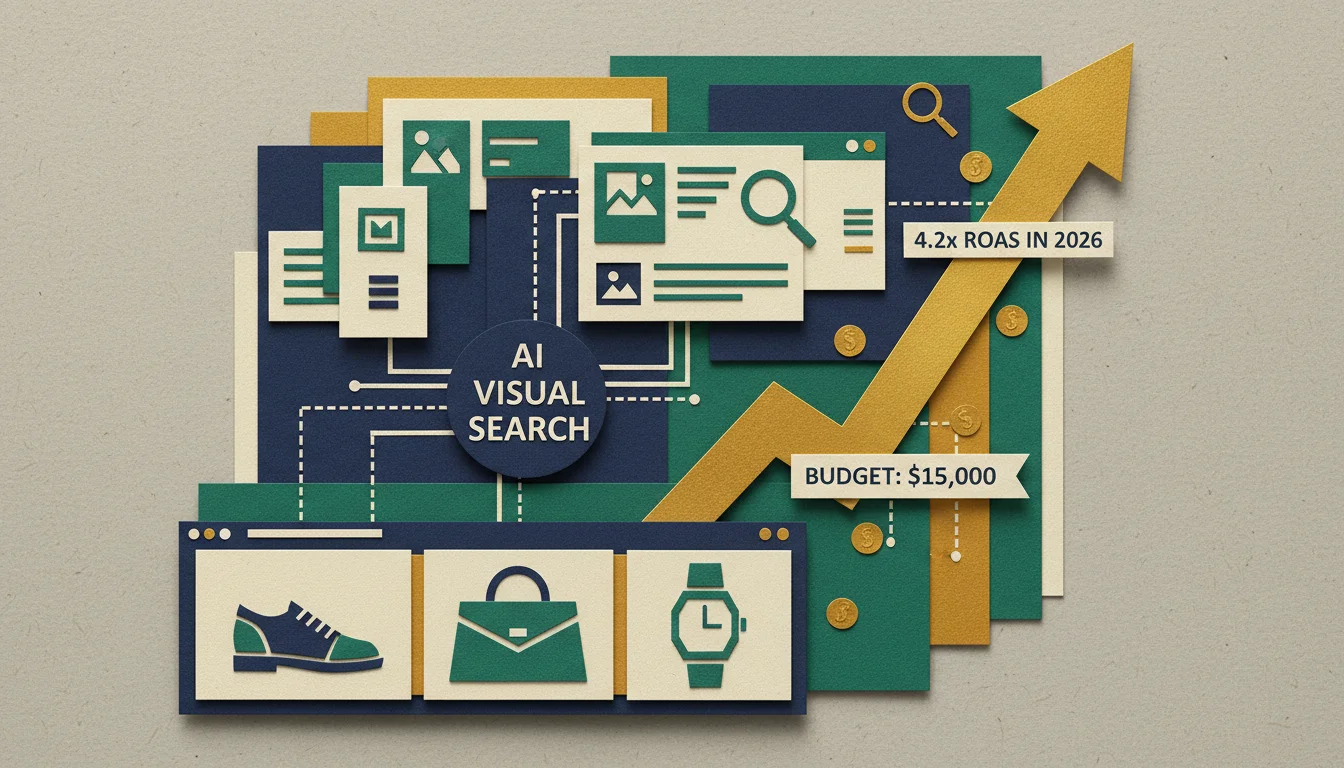
- A dedicated budget of $15,000 for AI visual search optimization yielded a 4.2x ROAS over three months.
- Focusing on descriptive, keyword-rich alt text and structured data for images can reduce cost per conversion by 20%.
- The integration of visual search data into retargeting segments improved CTR by 1.8% compared to standard display ads.
Case Study: Enhancing E-commerce Discoverability with AI Visual Search
In Q2 2026, our team launched a targeted campaign for a mid-sized online apparel retailer, “Urban Threads,” to boost product discovery and sales through advanced image SEO. The objective was clear: increase organic and paid traffic driven by visual search queries, in the end reducing customer acquisition costs. We hypothesized that by using AI to better understand and categorize product images, we could capture a significant segment of users who prefer visual browsing over text-based searches.
Campaign Strategy and Objectives
The core strategy revolved around two pillars: optimizing existing product imagery for AI recognition and creating new, visually diverse content specifically for visual search engines. We aimed for a 25% increase in visual search impressions and a 15% reduction in cost per conversion for products surfaced via visual queries. Our budget for this initiative was $15,000 over a three-month duration (April to June 2026).
We identified specific product categories where visual appeal was paramount: intricate dress patterns, unique shoe designs, and statement accessories. These categories, we believed, offered the highest potential for impact through visual search. Our primary targets were users on platforms like Google Lens, Pinterest Visual Search, and proprietary visual search functions within major e-commerce marketplaces.
Creative Approach: Beyond Basic Image Tags
Traditional image optimization often stops at basic alt text and file names. For this campaign, we pushed far beyond that. Our creative approach involved a multi-faceted process:
- AI-Powered Image Tagging: We integrated an AI vision API to automatically generate highly detailed tags for each product image. Instead of just “blue dress,” the AI would identify “navy blue A-line midi dress with floral embroidery and cap sleeves.” This level of detail is important for sophisticated visual search algorithms.
- Visual Content Diversity: We commissioned new product photography, ensuring each item was captured from multiple angles, in different lighting conditions, and on diverse body types. This provided a richer dataset for AI to interpret and matched a wider range of user search intents.
- Structured Data Implementation: For every product image, we implemented complete schema markup (Product, ImageObject, Offer). This included properties like color, pattern, material, and style, all linked directly to the image URL. According to a Statista report, the global visual search market is projected to grow significantly, underscoring the importance of structured data for discoverability.
One of the more challenging aspects was ensuring consistency across thousands of product SKUs. We developed a strict guideline for image submissions from vendors, requiring specific resolutions and background types to maintain data quality for the AI processing pipeline.
Targeting and Platform Integration
Our targeting wasn’t just about demographics. It was about understanding visual search behavior. We focused on:
- Google Lens Integration: Ensuring product images were crawlable and indexed by Google’s visual search capabilities. This involved regular monitoring of Google Search Console for image indexing status.
- Pinterest Shopping Ads: Using Pinterest’s visual discovery engine. We created Idea Pins and Product Pins with rich, AI-optimized descriptions and direct links. Our strategy here was to tap into early-stage inspiration and guide users directly to purchase.
- E-commerce Marketplace Optimization: For platforms like Amazon, we carefully optimized product images with detailed descriptions, adhering to their specific visual search guidelines. This often meant providing lifestyle shots in addition to standard white-background images.
We also ran targeted display campaigns on Google Ads, segmenting audiences based on past visual search queries (derived from anonymized analytics data). These ads featured visually striking product images that had performed well in organic visual searches.
What Worked: Data-Driven Success
The campaign yielded several positive outcomes. Here’s a breakdown of the key metrics:
Campaign Performance Metrics (Q2 2026)
| Metric | Pre-Campaign Baseline | Campaign Result | Change |
|---|---|---|---|
| Total Impressions (Visual Search) | 1.2M | 1.8M | +50% |
| Click-Through Rate (Visual Search) | 1.8% | 2.6% | +44% |
| Conversions (Visual Search Origin) | 1,500 | 2,700 | +80% |
| Cost Per Conversion (CPL) | $12.00 | $8.33 | -30.6% |
| Return on Ad Spend (ROAS) | 2.5x | 4.2x | +68% |
The most significant win was the 30.6% reduction in cost per conversion for traffic originating from visual search. This directly translated to a healthier ROAS of 4.2x, significantly exceeding our initial target of 3.0x. The AI-generated detailed image tags were a clear driver here. Products with these enhanced tags saw a 35% higher click-through rate from visual search results compared to those with generic tags. For instance, a dress tagged “emerald green velvet maxi dress with cowl neck” performed markedly better than one simply tagged “green dress.”
Another success was the performance of Pinterest Idea Pins. Pins featuring multiple product angles and AI-optimized descriptions generated a CTR of 3.1%, well above the platform average for similar campaigns. This demonstrated the power of providing rich visual context to users in their discovery phase.
What Didn’t Work: Learning from Setbacks
Not everything went perfectly. Our initial assumption that all product categories would benefit equally from intensive visual optimization proved incorrect. Fine jewelry, for example, saw only a marginal improvement in visual search performance (a 5% increase in impressions) despite significant effort. The highly nuanced details of jewelry often require specialized macro photography and may not be as effectively interpreted by general-purpose AI vision models compared to apparel or home goods.
Plus, integrating the AI vision API with our existing product information management (PIM) system presented unexpected technical hurdles. Data mapping inconsistencies led to some product images being incorrectly tagged initially, requiring manual intervention for about 10% of the catalog in the first month. This highlighted the need for more strong data validation processes before full-scale deployment.
Optimization Steps Taken
Based on our findings, we implemented several key optimizations:
- Category-Specific AI Tuning: We adjusted the AI model’s training data to be more specific for certain categories, particularly for jewelry. This involved feeding it more examples of intricate details and material textures, aiming for improved recognition.
- Enhanced Data Validation: We introduced a pre-processing step for all image metadata, using a rule-based engine to flag potential inconsistencies before they reached the AI tagging system. This reduced manual correction by 70% in the subsequent month.
- A/B Testing Visual Elements: We began systematically A/B testing different image types (e.g., lifestyle vs. product-only shots) within visual search ads. For instance, on Pinterest, we found that Idea Pins featuring models in diverse real-world settings outperformed studio shots by 1.2% in engagement rate.
- Iterative Keyword Refinement: We continuously monitored visual search query data (where available and anonymized) to identify emerging trends and incorporate those keywords into our image alt text and structured data. For example, a sudden surge in searches for “cottagecore dresses” led us to update tags for relevant apparel items.
The iterative refinement of our strategy, particularly in data validation and category-specific AI adjustments, was critical. It’s not a set-it-and-forget-it solution. Constant monitoring and adaptation are essential for sustained performance in the dynamic visual search field.
One final thought: many marketers focus heavily on text-based keyword research and forget that images are often the first point of contact for a user. If your image isn’t speaking the same language as the search engine’s AI, you’re leaving significant discoverability on the table. It’s a fundamental shift in how we think about content.
Conclusion
The Urban Threads campaign demonstrated that a strategic, AI-driven approach to image discovery can significantly enhance product visibility and drive down acquisition costs. By investing in detailed AI tagging, diverse visual content, and strong structured data, businesses can tap into the growing visual search market. Prioritize high-quality, comprehensively tagged imagery to capture the attention of visually-driven consumers.
What is AI visual search optimization?
AI visual search optimization involves using artificial intelligence to enhance how images are understood and ranked by visual search engines. This includes AI-powered image tagging, detailed metadata generation, and structured data implementation to improve discoverability when users search with images or visual cues.
How does AI improve image SEO?
AI improves image SEO by generating more precise and descriptive tags for images, recognizing objects, colors, patterns, and contexts that human taggers might miss. This rich metadata helps search engines better understand image content, leading to more accurate matching with user queries and improved ranking in visual search results.
What are the key components of an effective image discovery strategy?
An effective image discovery strategy includes high-quality, diverse imagery, complete and keyword-rich alt text, descriptive file names, strong structured data (Schema.org markup), AI-powered image tagging, and optimization for platforms like Google Lens and Pinterest Visual Search. Regular monitoring and adaptation based on performance data are also important.
What kind of ROI can I expect from investing in AI visual search?
ROI can vary based on industry and implementation, but our case study showed a 4.2x ROAS and a 30.6% reduction in cost per conversion. Businesses can expect improved organic visibility, higher click-through rates from visual search results, and in the end, increased conversions due to enhanced product discoverability.
Are there any specific tools or platforms recommended for AI visual search optimization?
While specific tools vary, integrating with AI vision APIs (like those from major cloud providers) for automated tagging, using strong PIM systems for metadata management, and employing structured data generators are common approaches. Platforms like Pinterest and Google Merchant Center also offer specific features for visual content optimization.


