 By Diana Thompson
Key Takeaways
- Prioritize mobile-first video production, as over 75% of online video content is consumed on mobile devices, according to a 2025 Nielsen report.
- Start with a clear content strategy, defining your target audience and key message before touching a camera.
- Invest in quality audio equipment; poor sound can detract more than poor visuals, often making a video unusable.
- Measure video performance using metrics like watch time, engagement rate, and conversion rates to continuously refine your strategy.
- Repurpose long-form video content into shorter clips for social media to maximize reach and efficiency.
Getting started with videos for marketing can feel like a daunting task, but it’s an essential component of any robust digital strategy in 2026. From short-form social snippets to in-depth product demonstrations, video content captivates audiences and builds trust like no other medium. But how do you go from zero to hero without blowing your entire budget?
Why Video Isn’t Optional Anymore
The data doesn’t lie: video dominates online consumption. A recent report from eMarketer projected that US digital video ad spending alone would exceed $75 billion by 2025, a clear indicator of its pervasive influence. People aren’t just watching more video; they’re expecting it. When I consult with clients, particularly those in competitive e-commerce spaces, the first thing I look for is their video presence. If it’s lacking, we know exactly where to start.
Think about your own habits. When you’re researching a new product or trying to understand a complex service, are you more likely to read a lengthy article or watch a concise, engaging video? Most likely the latter. This preference isn’t anecdotal; HubSpot’s annual marketing statistics consistently show that video is the number one content format consumers want to see from brands. It builds a connection, conveys emotion, and simplifies complex information in a way text often struggles to. Ignoring video today is akin to ignoring email marketing a decade ago – a significant missed opportunity. If you’re looking for broader insights, check out these marketing strategies for impact in 2026.
Crafting Your Video Strategy: More Than Just Filming
Before you even think about cameras or editing software, you need a video marketing strategy. This is where many businesses stumble. They jump straight into production, creating beautiful videos that don’t align with their business goals or resonate with their audience. My advice? Start with the “why” and the “who.”
First, define your objectives. Are you looking to increase brand awareness, drive traffic to your website, generate leads, or improve customer support? Each objective demands a different type of video content and distribution strategy. For instance, a short, punchy animated explainer might be perfect for awareness on social media, while a longer, in-depth tutorial could serve existing customers on your knowledge base.
Next, identify your target audience. Who are you trying to reach? What are their pain points? Where do they consume content online? Understanding your audience dictates everything from the tone and style of your videos to the platforms you’ll use for distribution. For example, if you’re targeting Gen Z, short-form, authentic content on platforms like Snapchat or Pinterest Idea Pins might be more effective than a polished, corporate-style video on Vimeo. We recently worked with a local bakery in Midtown Atlanta that wanted to attract younger customers. Instead of a traditional TV spot, we focused on quick, behind-the-scenes “day in the life” videos of their pastry chefs, showcasing the artistry and fresh ingredients. The results were immediate and measurable, with a significant uptick in foot traffic from the Georgia Tech student body. For more on reaching specific audiences, consider our insights on targeting CEOs with a 2026 strategy.
Finally, consider your resources. What’s your budget? Do you have in-house talent, or will you need to outsource? Be realistic about what you can achieve. It’s far better to produce a few high-quality, strategic videos than a high volume of mediocre ones. I’ve seen too many businesses invest heavily in expensive gear only to produce content that misses the mark because they lacked a coherent plan.
Essential Gear and Software: Starting Smart
You don’t need a Hollywood budget to produce effective marketing videos. The barrier to entry has never been lower, but making smart choices about your initial investment is key.
For cameras, your smartphone is often an excellent starting point, especially for social media content. Modern smartphones like the latest iPhone Pro models or Samsung Galaxy Ultras shoot in 4K with impressive stability. If you’re ready to step up, a mirrorless camera like the Sony Alpha a7C II or the Canon EOS R50 offers superior image quality and flexibility with interchangeable lenses without breaking the bank.
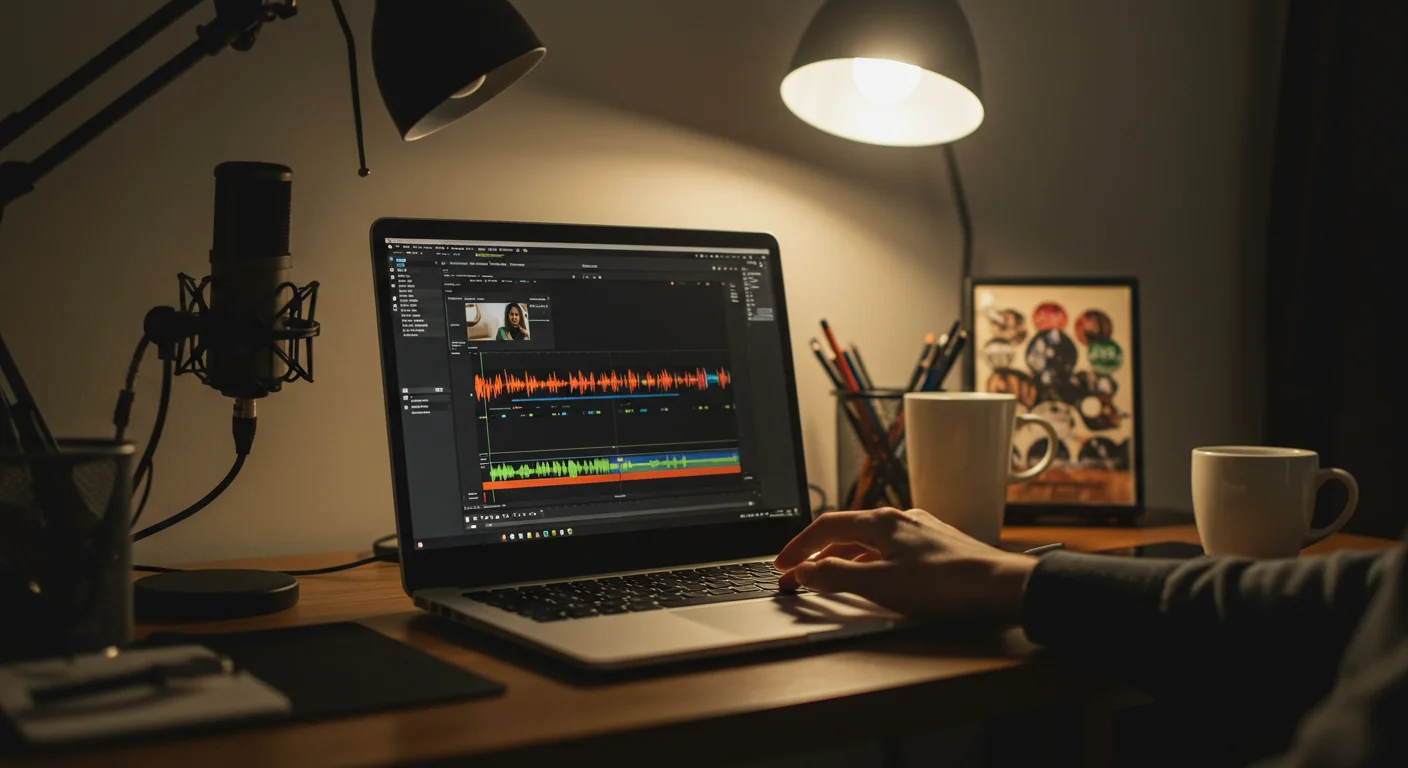
Here’s an editorial aside: everyone obsesses over camera resolution, but I’m here to tell you that audio is paramount. I’d rather watch a 1080p video with crystal clear sound than a stunning 4K video where I can’t understand a word. Invest in a good external microphone. A simple lavalier mic like the Rode Wireless GO II or a USB condenser mic like the Blue Yeti can dramatically improve your sound quality. For lighting, a basic LED panel kit (often available for under $200) can make a huge difference, eliminating harsh shadows and making your subjects look more professional.
When it comes to editing software, there are options for every skill level and budget. For beginners, CapCut (mobile and desktop) or DaVinci Resolve (free, professional-grade) are fantastic choices. If you’re looking for more advanced capabilities and are comfortable with a subscription model, Adobe Premiere Pro is the industry standard. My team primarily uses Premiere Pro for client projects due to its comprehensive features and integration with other Adobe Creative Cloud applications, but for quick social edits, I often find myself reaching for CapCut on my phone.
Distribution and Promotion: Getting Eyes on Your Content
Creating great videos is only half the battle; getting them seen is the other. Your distribution strategy should be as thoughtful as your production plan.
First, identify your primary platforms. This goes back to knowing your audience. Are they on YouTube, LinkedIn, Instagram, or somewhere else entirely? Each platform has its own nuances regarding video length, aspect ratio, and audience expectations. For example, vertical video (9:16 aspect ratio) is king on platforms like Instagram Reels and TikTok, while horizontal (16:9) is preferred for YouTube. You can also explore how social media marketing in 2026 impacts your reach.
SEO for video is a critical component that often gets overlooked. Just like with written content, optimizing your video titles, descriptions, and tags can significantly improve discoverability. On YouTube, this means using relevant keywords in your title, crafting a detailed description that includes links and timestamps, and adding appropriate tags. Don’t forget to create compelling thumbnails – they are often the first thing a potential viewer sees and can make or break whether they click.
Beyond organic reach, consider paid promotion. Platforms like Google Ads (specifically YouTube ads) and Meta’s ad platform offer powerful targeting capabilities to get your videos in front of the right audience. A 2025 IAB Internet Advertising Revenue Report highlighted the continued growth in digital video ad spend, underscoring its effectiveness. I had a client last year, a boutique law firm specializing in workers’ compensation cases in Georgia, who struggled to get traction with their educational videos. We implemented a targeted Google Ads campaign, focusing on specific zip codes around the Fulton County Superior Court and using keywords like “Georgia workers’ comp attorney.” Within three months, their video views quadrupled, and they saw a 20% increase in qualified leads directly attributable to the video campaign. For more on paid strategies, see how to reduce CPA by 30% with digital marketing.
Measuring Success and Iterating
The work isn’t done once your video is live. Measuring performance is crucial for understanding what works and what doesn’t, allowing you to refine your strategy continuously.
Key metrics to track include:
- Watch Time/Retention Rate: This tells you how long viewers are watching your videos. A low retention rate might indicate issues with your intro, pacing, or content relevance.
- Engagement Rate: Look at likes, comments, shares, and clicks. High engagement suggests your content is resonating with your audience.
- Conversion Rate: Are viewers taking the desired action after watching your video? This could be a website visit, a form submission, or a purchase. Tools like Google Analytics 4 can help you track these conversions.
- Audience Demographics: Understand who is watching your videos. This can inform future content creation and targeting.
Don’t be afraid to experiment. A/B test different video intros, call-to-actions, or even video lengths. What works for one audience or platform might not work for another. The beauty of digital marketing is the ability to gather data and adjust quickly. We ran into this exact issue at my previous firm. We had a highly successful product demo video on YouTube, but when we cut it down and posted it to Instagram, it flopped. After analyzing the data, we realized the Instagram audience preferred a much faster pace and more direct call to action, so we re-edited it specifically for that platform, and it performed much better. This iterative approach is how you truly master video marketing.
Starting with videos doesn’t have to be overwhelming; begin with a clear strategy, invest wisely in basic gear, and continuously measure and adapt your approach.
What’s the ideal length for a marketing video?
There’s no single “ideal” length; it entirely depends on the platform and your objective. For social media like Instagram Reels or TikTok, aim for 15-60 seconds. For YouTube tutorials or explainers, 2-5 minutes is often effective, but some educational content can go longer if it provides significant value. Keep it as short as possible while still conveying your message effectively.
Do I need professional actors for my marketing videos?
Not necessarily. For many businesses, using real employees or even yourself can build authenticity and trust. People connect with genuine faces. If your budget allows and your brand demands a highly polished, professional look (e.g., for a national ad campaign), then professional actors might be beneficial, but for most small to medium businesses, authenticity trumps perfection.
How often should I post new video content?
Consistency is more important than frequency. It’s better to post one high-quality, well-planned video per week than five rushed, low-quality videos daily. Your posting schedule should align with your resources and your audience’s consumption habits. For YouTube, many brands find success with a weekly or bi-weekly schedule, while social media platforms might benefit from 2-3 short videos per week.
What’s the most common mistake beginners make with video marketing?
The most common mistake is focusing too much on the “what” (the camera, the editing) and not enough on the “why” and “who” (the strategy and audience). Without a clear objective and understanding of your target viewers, even the most beautifully shot video will likely fail to achieve its marketing goals. Always start with strategy.
Can I repurpose long-form videos into shorter social media clips?
Absolutely, and you should! This is an incredibly efficient way to maximize your content investment. Take a longer webinar or interview, identify key soundbites or visual moments, and edit them into short, punchy clips suitable for Instagram Reels, TikTok, or LinkedIn. Add captions and a strong hook, and you’ve got fresh content for multiple platforms from a single source.


