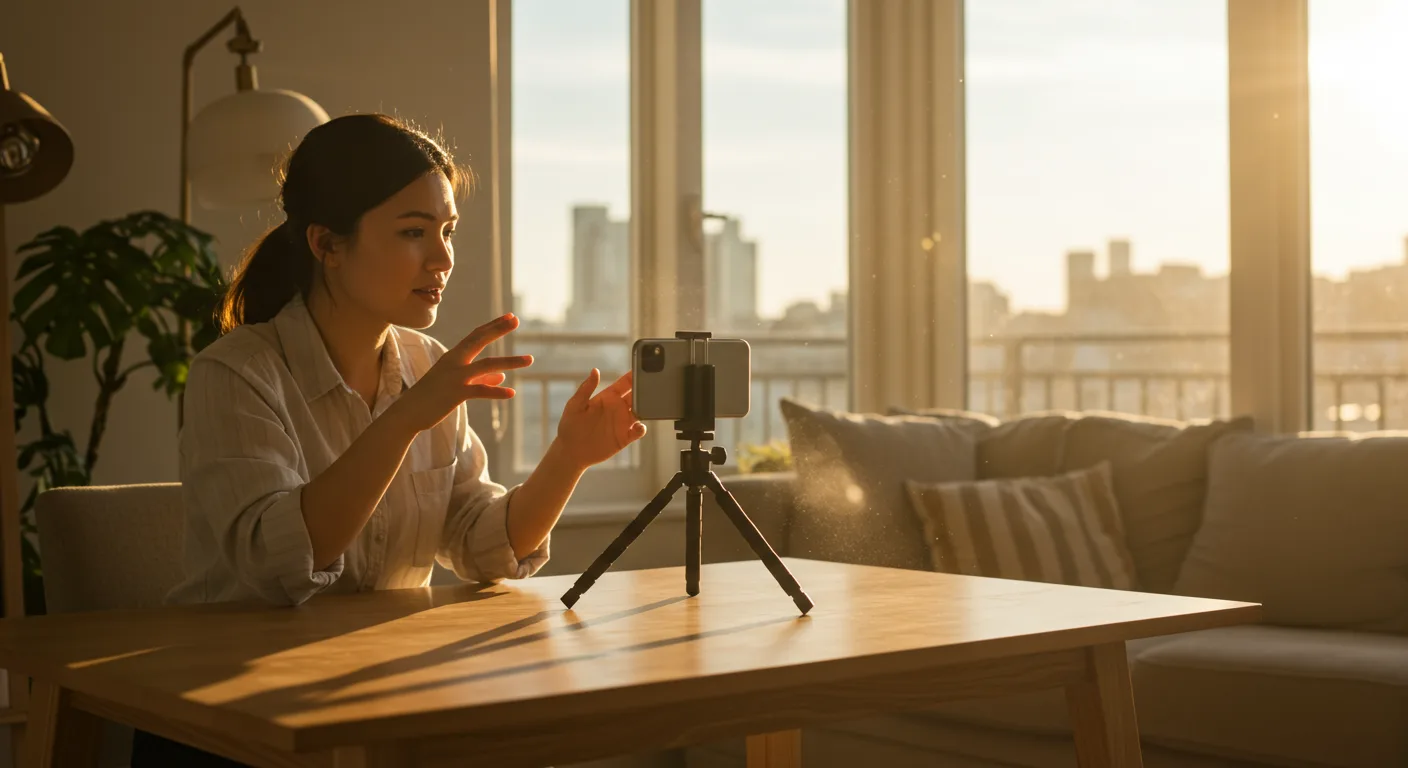
Lights, Camera, Action: Your Guide to Getting Started with Videos
For years, small business owner Maria struggled to stand out in the crowded Atlanta market. Her handmade jewelry shop, “Gems of the South,” was a local gem, but her online presence was lackluster. She knew she needed to embrace videos for marketing, but the thought of creating them felt overwhelming. Where do you even begin? This article will show you how Maria – and you – can overcome this fear and start using video to grow your business. Are you ready to transform your marketing strategy?
Key Takeaways
- Start with short, authentic videos using your smartphone to showcase your products or services.
- Focus on creating content that answers common customer questions to build trust and provide value.
- Track your video performance on platforms like Meta Business Suite to understand what resonates with your audience.
Maria’s story isn’t unique. Many small business owners in the metro Atlanta area, from Roswell to Decatur, face the same challenge: they know videos are essential for marketing, but they don’t know where to start. Maria felt paralyzed by the perceived complexity of video production. She pictured needing expensive equipment, professional actors, and hours of editing. The truth is, you can start small and see significant results.
The First Step: Overcoming the Fear Factor
I’ve seen it time and again: business owners get bogged down in the details before they even start. They worry about having the perfect lighting, the perfect script, the perfect everything. Forget perfect. Aim for authentic. A IAB report highlights that authenticity resonates strongly with consumers, especially younger demographics. So, ditch the pressure and embrace imperfection.
Maria’s initial attempts were disastrous. She tried writing elaborate scripts, setting up complicated lighting rigs in her small shop near Little Five Points, and even attempted to hire a professional videographer. The result? Stress, frustration, and zero videos posted. It was costing her too much time and money. I told her, “Maria, stop trying to be Spielberg and start being Maria.”
Embrace Your Smartphone
The best camera is the one you have with you. In 2026, that’s almost certainly your smartphone. The cameras on modern smartphones are incredibly powerful. You don’t need a fancy DSLR or a professional video camera to create engaging content. In fact, the slightly raw, unpolished look of smartphone videos can actually enhance their authenticity. A Statista report indicates that mobile video consumption continues to rise, meaning people are watching more content on their phones than ever before.
Maria started by simply recording short clips of herself working on her jewelry. She showed the process of selecting stones, crafting settings, and packaging orders. She even created a quick video answering a common question she received from customers: “How do I care for my silver jewelry?” These simple, unscripted videos resonated with her audience far more than her earlier, polished attempts.
Content is King (and Queen)
While technical aspects are important, the heart of any successful video strategy is the content itself. What value are you providing to your viewers? Are you entertaining them, educating them, or solving a problem for them? Ideally, you’re doing a bit of all three. I always tell my clients to focus on creating content that answers their customers’ frequently asked questions. This is a surefire way to provide value and build trust. Think of the questions you get asked every day. Those are your video topics!
Remember when Google updated their search algorithm last year to prioritize “helpful content”? Same principle applies here. Create videos that genuinely help your audience, and you’ll be rewarded with views, engagement, and ultimately, sales.
Maria started creating videos about different gemstones, the symbolism behind various jewelry designs, and even styling tips for wearing her pieces. She saw a significant increase in engagement on her social media channels. People were leaving comments, asking questions, and sharing her videos with their friends. She even started getting requests for custom jewelry pieces based on the designs she showcased in her videos.
The Power of Short-Form Video
In today’s fast-paced world, attention spans are shorter than ever. That’s why short-form video platforms like Meta Reels and other similar platforms are so popular. These platforms allow you to create quick, engaging videos that capture your audience’s attention in seconds. The key is to be concise, creative, and visually appealing. Get to the point quickly and leave them wanting more.
Here’s what nobody tells you: you don’t need to be a professional dancer or comedian to succeed on these platforms. Authenticity and genuine enthusiasm go a long way. Show your personality, share your passion, and don’t be afraid to experiment with different formats.
Tracking Your Results
Creating videos is only half the battle. You also need to track your results to see what’s working and what’s not. Most social media platforms offer built-in analytics tools that provide valuable insights into your video performance. Pay attention to metrics like views, engagement (likes, comments, shares), and click-through rates. This data will help you refine your strategy and create more effective videos in the future. For example, Meta Business Suite offers a comprehensive overview of your video performance across Meta platforms.
Maria noticed that her videos showcasing behind-the-scenes glimpses of her workshop in Grant Park performed particularly well. People loved seeing the craftsmanship and artistry that went into her jewelry. She started creating more videos in this style, and her engagement rates soared.
Case Study: Gems of the South’s Video Marketing Success
Let’s break down Maria’s success with concrete numbers. Before implementing a video strategy, Gems of the South saw an average of 5 website visits per day from social media, with a conversion rate of 1%. After consistently posting short, authentic videos for three months, Maria saw website visits jump to 25 per day, with a conversion rate of 3%. That’s a 5x increase in website traffic and a 3x increase in conversions. She used free editing software on her phone and spent approximately 2 hours per week creating and posting videos. The ROI was undeniable.
I’ve seen similar results with other clients. A local bakery near the Varsity saw a 30% increase in online orders after implementing a short-form video strategy showcasing their daily specials. A real estate agent in Buckhead generated several qualified leads by creating videos answering common questions about the Atlanta housing market. The potential is there for anyone.
If you are a small to medium-sized enterprise, you can build authority and expand your influence with video.
A Word of Caution (and a Pep Talk)
Video marketing isn’t a magic bullet. It takes time, effort, and consistency to see results. Don’t get discouraged if your first few videos don’t go viral. Keep experimenting, keep learning, and keep creating. The key is to be patient and persistent. And remember, authenticity trumps perfection every time.
What are you waiting for? Grab your phone, hit record, and start creating! You might be surprised at what you can achieve.
Maria’s journey proves that anyone can get started with videos for marketing, regardless of their technical skills or budget. By embracing authenticity, focusing on providing value, and tracking your results, you can unlock the power of video and grow your business. Now go out there and create something amazing.
If you’re struggling with impactful content and why it fails, video might be your answer.
And be sure to focus on your target audience when producing videos.
What equipment do I need to get started with video marketing?
You can start with just your smartphone! The cameras on modern phones are excellent. As you get more comfortable, you might consider investing in a tripod for stability or an external microphone for better audio quality, but these aren’t essential in the beginning.
How long should my videos be?
It depends on the platform and your audience, but generally, shorter is better. For platforms like Meta Reels, aim for 15-60 second videos. For longer-form content on YouTube, try to keep your videos under 10 minutes, especially when starting out.
What kind of content should I create?
Focus on providing value to your audience. Answer their questions, solve their problems, entertain them, or inspire them. Show behind-the-scenes glimpses of your business, showcase your products or services, or share your expertise.
How often should I post videos?
Consistency is key. Aim to post at least once a week, but ideally 2-3 times per week. Experiment with different posting schedules to see what works best for your audience.
How do I measure the success of my video marketing efforts?
Track metrics like views, engagement (likes, comments, shares), click-through rates, and website traffic. Use the analytics tools provided by the social media platforms to monitor your performance and identify areas for improvement.
Maria’s success story proves that even a small, local business can thrive with a well-executed video strategy. Don’t let fear hold you back. Start small, be authentic, and focus on providing value to your audience. Your next step? Brainstorm three video ideas right now and schedule time this week to film at least one. That’s it. No more excuses – get started!









