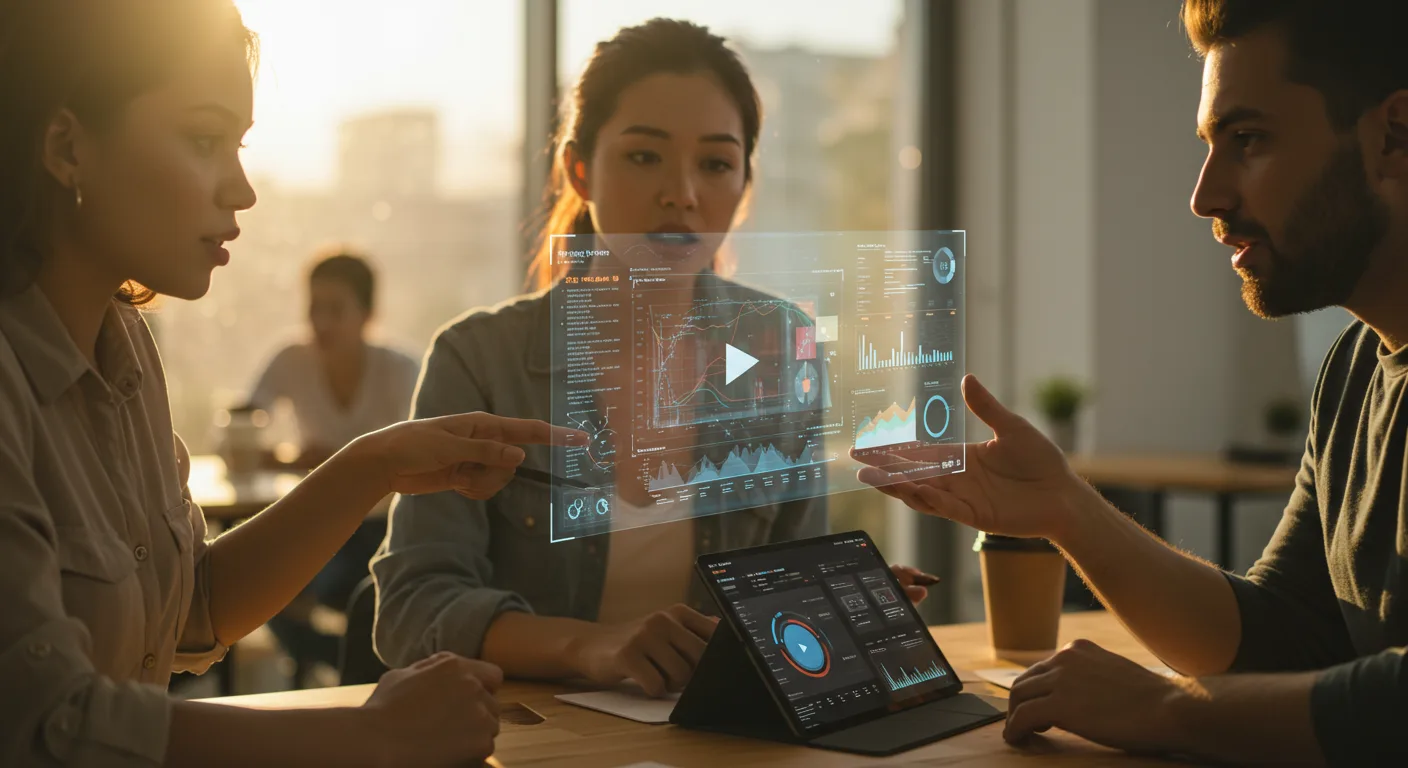
Here’s your guide to videos in 2026. The power of video content is undeniable, but are you truly leveraging its full potential for marketing success in this rapidly evolving digital landscape? Are your strategies keeping pace with the latest technological advancements and shifting consumer behaviors?
Dominating the Digital Space with Video Marketing Trends
The video marketing landscape in 2026 is vastly different than it was even a few years ago. Short-form video continues its reign, driven by platforms like TikTok and Instagram Reels, but the key is now hyper-personalization. Generic content simply won’t cut it. We’re seeing a surge in AI-powered tools that allow for dynamic video creation, tailoring content to individual viewer preferences based on demographics, browsing history, and even real-time engagement.
Expect to see even more interactive video experiences. Think clickable elements that lead to product pages, embedded quizzes, and branching narratives where viewers can choose their own adventure. This level of engagement not only holds attention but also provides valuable data about viewer interests.
Live video remains a powerful tool, particularly for building community and fostering authentic connections. Brands are using live streams for Q&A sessions, product demos, behind-the-scenes glimpses, and even virtual events. The key is to provide real value and create a sense of exclusivity.
From my experience working with e-commerce brands, those who invested in interactive video saw a 30% increase in conversion rates compared to those who relied solely on traditional video formats.
Crafting a Winning Video Content Strategy
Developing a robust video content strategy is paramount. Start by defining your goals. Are you looking to increase brand awareness, generate leads, drive sales, or improve customer retention? Your objectives will dictate the type of video content you create and the platforms you use to distribute it.
Next, identify your target audience. Understand their demographics, interests, pain points, and online behavior. This will help you create videos that resonate with them and address their specific needs.
Consider these steps:
- Brainstorm video ideas: Think about topics that are relevant to your audience and align with your business goals. Conduct keyword research to identify popular search terms and trending topics.
- Develop a content calendar: Plan your video content in advance and create a schedule for publishing. This will help you stay organized and consistent.
- Create high-quality videos: Invest in good equipment and editing software. Ensure your videos are visually appealing, well-produced, and engaging.
- Optimize your videos for search: Use relevant keywords in your titles, descriptions, and tags. This will help your videos rank higher in search results.
- Promote your videos: Share your videos on social media, embed them on your website, and use paid advertising to reach a wider audience.
- Analyze your results: Track your video metrics to see what’s working and what’s not. Use this data to optimize your strategy and improve your results. Google Analytics offers in-depth video tracking capabilities.
The Rise of AI-Powered Video Tools
Artificial intelligence (AI) is revolutionizing video creation and distribution. AI-powered tools can automate many of the time-consuming tasks involved in video production, such as editing, transcription, and translation. This allows marketers to focus on more strategic activities, such as content planning and audience engagement.
AI-driven platforms like Descript are making video editing accessible to everyone, regardless of their technical skills. These tools can automatically remove filler words, add captions, and even generate entire videos from text.
AI is also being used to personalize video experiences. AI algorithms can analyze viewer data to determine the most relevant content and deliver it in a way that is most likely to resonate with each individual. This can lead to higher engagement rates and improved conversion rates.
Furthermore, AI is enhancing accessibility. Real-time translation services are now integrated into many video platforms, allowing viewers from around the world to understand and engage with your content.
A recent report by Gartner predicts that by 2028, AI will power 80% of video editing workflows, significantly reducing production costs and time.
Optimizing Videos for Different Platforms
Each platform has its own unique requirements and best practices for video optimization. What works on TikTok may not work on YouTube, and vice versa.
- TikTok: Focus on short, engaging videos with trending sounds and hashtags. Keep your videos under 60 seconds and use vertical format.
- Instagram Reels: Similar to TikTok, Reels should be short, visually appealing, and use trending audio. Leverage creative effects and filters.
- YouTube: Optimize your videos for search by using relevant keywords in your titles, descriptions, and tags. Create longer-form content that provides value to your audience. Use thumbnails that are eye-catching and relevant to the video content.
- LinkedIn: Use videos to share thought leadership, promote your company culture, and engage with your professional network. Keep your videos concise and professional.
- Facebook: Use videos to connect with your audience on a personal level. Share behind-the-scenes glimpses, customer testimonials, and engaging stories.
- Your Website: Embed videos directly on your website to increase engagement and drive conversions. Use videos to showcase your products or services, explain complex concepts, and provide customer support.
Measuring Video Marketing Success
Tracking the right video marketing metrics is essential for understanding the effectiveness of your campaigns and making data-driven decisions. Here are some key metrics to monitor:
- Views: The number of times your video has been watched.
- Watch time: The total amount of time viewers have spent watching your video. This is a critical metric for YouTube ranking.
- Engagement: Likes, comments, shares, and other interactions with your video.
- Click-through rate (CTR): The percentage of viewers who click on a call to action (CTA) in your video.
- Conversion rate: The percentage of viewers who take a desired action, such as making a purchase or signing up for a newsletter.
- Return on investment (ROI): The overall profitability of your video marketing campaigns.
Use analytics tools to track these metrics and gain insights into your video performance. HubSpot offers comprehensive marketing analytics dashboards that can help you visualize your video data and identify areas for improvement. Regularly analyze your data and adjust your strategy accordingly to maximize your results.
The Future of Video: Immersive Experiences and Beyond
Looking ahead, the future of video technology is poised to be even more immersive and interactive. We’re already seeing the rise of virtual reality (VR) and augmented reality (AR) experiences, which offer viewers a more engaging and realistic way to interact with video content. Imagine attending a virtual product launch or taking a virtual tour of a museum, all from the comfort of your own home.
Expect to see even more personalized video experiences, powered by AI and machine learning. Videos will be tailored to individual viewer preferences in real-time, creating a truly unique and engaging experience.
The lines between video and other forms of media will continue to blur. We’ll see more interactive video games, virtual events, and immersive storytelling experiences. The possibilities are endless.
In conclusion, videos are a powerful tool for marketing in 2026, but success requires a strategic approach, a willingness to embrace new technologies, and a deep understanding of your audience. By staying ahead of the curve and adapting to the ever-changing landscape, you can unlock the full potential of video and achieve your marketing goals. Are you ready to future-proof your video strategy today?
What are the most important video marketing trends in 2026?
Hyper-personalization, interactive video experiences, AI-powered tools, and live video are key trends.
How can I optimize my videos for different platforms?
Tailor your content to each platform’s unique requirements. Use short-form video for TikTok and Instagram Reels, longer-form content for YouTube, and professional videos for LinkedIn.
What metrics should I track to measure video marketing success?
Track views, watch time, engagement, click-through rate, conversion rate, and return on investment.
How is AI changing the video marketing landscape?
AI is automating video editing, personalizing video experiences, and enhancing accessibility with real-time translation.
What is the future of video technology?
The future of video includes immersive VR/AR experiences, hyper-personalized content, and a blurring of lines between video and other forms of media.



