 By Angela Smith
Many businesses struggle to break through the noise online, watching their carefully crafted messages vanish into the digital ether. They invest in creating videos, but the expected surge in engagement, leads, and sales often remains elusive. This isn’t just about making a video; it’s about making a video that works. How do you transform your video efforts from a hopeful expense into a predictable engine for growth in your marketing strategy?
Key Takeaways
- Implement a “Hero, Hub, Help” content strategy to categorize your videos, ensuring a balanced mix of brand-building, audience engagement, and problem-solving content.
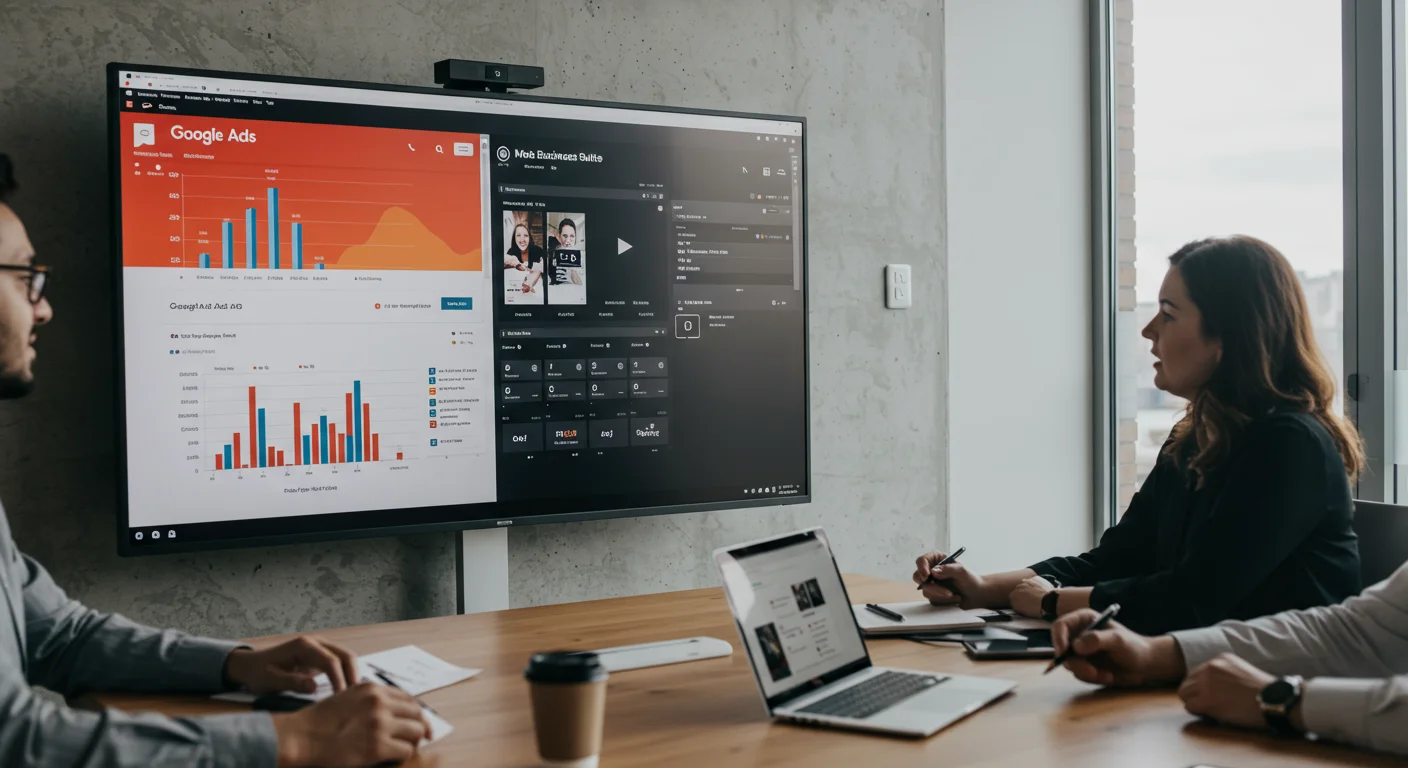
- Prioritize data-driven decision-making by analyzing viewer retention rates and conversion metrics within platforms like Google Ads and Meta Business Suite to refine your video scripts and calls to action.
- Allocate at least 25% of your video budget to promotion, focusing on targeted ad campaigns and strategic influencer collaborations to amplify reach beyond organic discovery.
- Develop a clear, measurable goal for each video before production begins, such as a 15% increase in website traffic or a 5% bump in demo requests, to guide content and track success.
- Integrate interactive elements like polls, quizzes, and clickable hotspots directly into your videos to boost engagement duration by an average of 30% and gather valuable audience insights.
The Silent Killer: Videos That Don’t Deliver
I’ve seen it countless times. A client comes to us, frustrated, pointing to a library of beautiful, high-production-value videos that are gathering digital dust. They’ve poured resources into cameras, editing software, and even professional talent, only to see dismal view counts, zero conversions, and a sinking feeling that video marketing just isn’t for them. The problem isn’t the medium itself; it’s the lack of a coherent, strategic approach. They’re making videos, yes, but they’re not making marketing videos. They’re missing the connective tissue between creation and conversion. This often manifests as a scattershot approach, where content is produced without a clear audience, purpose, or distribution plan. You can’t just throw content at the wall and hope it sticks anymore – not in 2026. The competition for attention is too fierce, and viewer expectations are too high.
What Went Wrong First: The Pitfalls of Unstrategic Video
Before we dive into what works, let’s dissect the common missteps. I remember a small Atlanta-based e-commerce brand specializing in artisanal candles, “Peach & Wick,” that approached us a couple of years ago. They had invested heavily in a series of glossy, cinematic videos showcasing their product line. The cinematography was stunning, the music evocative. The problem? They were essentially 30-second commercials airing on YouTube with no targeting, no call to action beyond “buy now,” and no understanding of their audience’s journey. They spent over $15,000 on production for these videos and saw perhaps a dozen sales directly attributed to them over six months. A painful lesson, indeed.
Here are the recurring mistakes I observe:
- No Clear Objective: Videos created “just because” or “to be visible” rarely achieve anything specific. What’s the point? To educate? To entertain? To convert? If you don’t know, your audience certainly won’t.
- Audience Blindness: Producing content without a deep understanding of who you’re speaking to. What are their pain points? What questions do they have? What platforms do they frequent? Peach & Wick, for example, failed to recognize their core demographic (mostly women 25-45, interested in home decor and self-care) were more likely to engage with authentic, DIY-style content or behind-the-scenes glimpses, not just polished ads.
- Ignoring the Funnel: Treating all videos as top-of-funnel awareness plays. Different stages of the customer journey demand different types of video content. A potential customer researching solutions needs different information than someone ready to make a purchase.
- Neglecting Distribution & Promotion: Believing “build it and they will come.” Organic reach is a myth for most businesses today. You absolutely must have a robust plan for getting your videos in front of the right eyeballs.
- Measuring Vanity Metrics: Celebrating high view counts without correlating them to business outcomes. A million views on a viral video means nothing if it doesn’t translate to leads, engagement, or sales.
- Lack of Call to Action (CTA): Finishing a video without telling the viewer what to do next. This is a cardinal sin. Every video needs a clear, singular next step.
- Inconsistent Branding/Messaging: Each video feels like a standalone project rather than part of a larger brand narrative. This fragments your message and confuses your audience.
These missteps aren’t just minor hiccups; they’re systemic failures that drain budgets and erode confidence in video marketing’s true potential. The good news is, they’re entirely avoidable with a strategic framework.
The Solution: 10 Video Strategies for Success
Building a successful video marketing strategy isn’t about luck; it’s about thoughtful planning and execution. Here’s my battle-tested framework, designed to turn your video efforts into a powerhouse for your business.
1. Define Your “Why” with SMART Goals
Before you even think about storyboarding, articulate the specific, measurable, achievable, relevant, and time-bound (SMART) goal for each video. Do you want to increase website traffic by 20% in Q3? Boost product demo sign-ups by 10% next month? Improve customer support ticket deflection by 15%? Each video needs a mission. Without it, you’re just shooting in the dark. For Peach & Wick, their goal should have been something like “Increase online candle sales by 5% through targeted video ads on Instagram Stories within 30 days.” That’s a goal you can actually build a video around and then measure.
2. Master the “Hero, Hub, Help” Content Model
This strategy, popularized by Google, is incredibly effective for structuring your video content. It ensures you’re addressing different audience needs and stages of the buying journey. I swear by it. It’s what we use at my agency for every client, from local service businesses in Buckhead to national tech companies.
- Hero Content: These are your big, emotional, brand-defining videos. Think Super Bowl ads, viral campaigns, or powerful brand stories that aim for massive reach and brand awareness. They’re less frequent but have high production value.
- Hub Content: Regular, scheduled content that appeals to your target audience’s passions and interests. This builds loyalty and subscribers. Examples include weekly tutorials, Q&As, product reviews, or behind-the-scenes looks. This is where Peach & Wick should have focused more – showing the candle-making process, scent pairing tips, or home decor ideas featuring their products.
- Help Content: Evergreen, problem-solving videos that address specific customer questions or pain points. These are often discovered through search and drive qualified leads. Think “how-to” guides, troubleshooting tips, or detailed product explanations. This content is a goldmine for SEO and direct conversions.
3. Deep Dive into Audience Insights
Who are you talking to? What are their demographics, psychographics, and online behaviors? Use tools like Google Analytics 4, Meta Ads Manager, and even simple customer surveys. Look at their search queries, the forums they frequent, and the types of content they already consume. This isn’t guesswork; it’s data-driven empathy. Understanding your audience better than they understand themselves will inform everything from your script to your distribution channels. For instance, if your audience primarily uses LinkedIn for professional development, short, informative videos with clear takeaways will outperform long, abstract brand narratives.
4. Prioritize Storytelling Over Selling
People don’t want to be sold to; they want to be entertained, educated, or inspired. Craft compelling narratives. Focus on the transformation your product or service offers, not just its features. Show, don’t just tell. Use real customer testimonials that tell a story of success. My favorite example is from a local gym in Midtown, “The Phoenix Rise.” Instead of showing people lifting weights, they created a series of short documentaries about members overcoming personal challenges – a single mom finding her confidence, a senior citizen regaining mobility. These videos resonated deeply and tripled their trial membership sign-ups within a quarter.
5. Optimize for Platform and Placement
One size does not fit all. A video for Instagram Stories (vertical, 15 seconds, often without sound) is vastly different from a long-form tutorial on your website or a webinar. Consider aspect ratios, optimal lengths, captioning, and thumbnail design for each platform. For search engines, ensure your video titles, descriptions, and tags are rich with relevant keywords. Remember that IAB reports consistently show the importance of contextually relevant ad placement; your videos need to fit where they live.
6. Integrate Strong, Clear Calls to Action (CTAs)
Every video needs a singular, compelling next step. Don’t overwhelm viewers with options. “Visit our website,” “Download our guide,” “Sign up for a free trial,” “Book a consultation.” Make it visually prominent and verbally clear. Use end screens, interactive cards, and even spoken CTAs within the video itself. For our Peach & Wick client, we added specific product links directly in the video description and an on-screen prompt to “Shop Now” with a unique discount code, which immediately boosted conversion tracking.
7. Embrace Interactivity
This is where video truly shines in 2026. Interactive elements keep viewers engaged longer and provide invaluable data. Think polls, quizzes, clickable hotspots, branching narratives, or even personalized video paths. Platforms like H5P or StoryXpress offer fantastic tools for this. According to a recent eMarketer report, interactive video can increase viewer engagement by up to 400% compared to traditional linear video. That’s not a number to ignore.
8. Implement a Robust Distribution & Promotion Strategy
Creating great content is only half the battle. You need a plan to get it seen. This includes:
- Paid Advertising: Targeted campaigns on Google Ads (YouTube), Meta Ads, and LinkedIn Ads. Use precise demographic and interest targeting.
- Email Marketing: Embed videos or link to them in your newsletters.
- SEO Optimization: Transcribe your videos, use relevant keywords in titles and descriptions, and embed them on relevant blog posts.
- Social Media Shares: Native uploads are always better than just sharing a link.
- Influencer Collaborations: Partner with relevant creators whose audience aligns with yours.
- Repurposing: Break longer videos into short clips for social media, create audiograms, or turn them into blog posts.
I always advise clients to allocate at least 25-30% of their video budget specifically to promotion. If you spend $10,000 on production, be prepared to spend at least $2,500 on getting it seen. Otherwise, you’re just making expensive home movies.
9. Analyze, Adapt, and Iterate
The work doesn’t end when the video goes live. Use analytics from your hosting platform (like Wistia or Vidyard), Google Analytics, and your ad platforms to track performance against your SMART goals. Look at:
- View-through rate: How much of your video are people watching? Drop-off points can indicate where you’re losing attention.
- Click-through rate (CTR) on CTAs: Are people taking the desired action?
- Conversion rates: Are views leading to leads or sales?
- Audience demographics: Are you reaching the right people?
- Engagement metrics: Likes, comments, shares.
Don’t be afraid to tweak thumbnails, adjust ad targeting, or even re-edit sections of a video if the data suggests it. This continuous feedback loop is vital for long-term success. We often A/B test different video intros or CTAs to see what resonates most with an audience.
10. Maintain Consistency and Quality
Regular, high-quality content builds audience expectation and trust. This doesn’t mean every video needs Hollywood-level production. “Quality” here refers to value, clarity, and relevance. A well-shot smartphone video with a powerful message is infinitely more effective than a poorly conceived, high-budget production. Develop a content calendar and stick to it. Consistency is the bedrock of building a loyal audience and a strong brand presence.
The Measurable Results: From Views to Revenue
When you meticulously apply these strategies, the transformation is often dramatic. For Peach & Wick, after implementing a “Hub” strategy with weekly “Behind the Pour” videos and “Help” content like “Choosing the Right Scent for Your Mood,” coupled with targeted Meta Ad campaigns, their results shifted significantly. Within three months, their website traffic from video sources increased by 45%, and their direct sales attributed to video rose by 28%. They also saw a 15% reduction in customer service inquiries thanks to their “Help” content proactively addressing common questions.
Another client, a B2B software company based near the Perimeter Center, was struggling to explain a complex data analytics product. Their initial explainer videos were dense and technical. We revamped their strategy, focusing on short, animated “Help” videos that broke down each feature into digestible, benefit-oriented segments, and a “Hero” video showcasing a specific success story. We tracked engagement using Nielsen Brand Effect studies and their own CRM data. The result? A 35% increase in qualified lead generation from video content and a 12% shorter sales cycle because prospects were better informed before their first sales call. This isn’t theoretical; these are the tangible outcomes of strategic video marketing. It’s about leveraging the power of sight and sound to solve real business problems and connect with your audience on a deeper level.
The shift from simply making videos to executing a cohesive video marketing strategy is the difference between a forgotten upload and a powerful revenue generator. It demands discipline, creativity, and a steadfast focus on your audience and business goals. Embrace these strategies, and watch your videos stop being an expense and start becoming your most valuable marketing asset.
How often should my business be producing new video content?
The ideal frequency depends on your resources and audience, but consistency is paramount. For “Hub” content, many businesses find success with weekly or bi-weekly uploads. “Help” content can be produced as questions arise, while “Hero” content might be quarterly or annually. The key is to maintain a schedule your audience can anticipate, ensuring the content always provides value rather than just filling a quota.
What’s the most important metric to track for video marketing success?
While view counts are tempting, the most important metric is ultimately conversion rate directly attributed to your video. This could be lead generation, sales, sign-ups, or any other SMART goal you set. If your video aims to drive sales, then the number of sales generated from that video is far more valuable than its view count. Retention rate and click-through rate on CTAs are also critical indicators of content effectiveness.
Do I need expensive equipment to create effective marketing videos?
Absolutely not. While high production quality can certainly help, a compelling story and clear message are far more important. Modern smartphones can capture excellent video, and affordable editing software is widely available. Focus on good lighting, clear audio (a simple lavalier microphone is a great investment), and a well-structured script. Authenticity often trumps polished perfection, especially for “Hub” and “Help” content.
How long should my marketing videos be?
Video length should always be dictated by the platform and purpose. For social media ads or “Hero” content, shorter (15-60 seconds) is often better. “Help” content like tutorials can be longer (2-5 minutes) if they provide genuine value. For detailed webinars or educational content, 10-20 minutes is acceptable. The goal isn’t a specific length, but rather to be as long as necessary to convey your message effectively without wasting a single second.
Should I use live video as part of my strategy?
Yes, live video is an excellent tool for building community, fostering authenticity, and driving real-time engagement. It fits perfectly into the “Hub” content category. Use it for Q&A sessions, product launches, behind-the-scenes glimpses, or interactive workshops. The unscripted nature can build trust and allow for direct interaction with your audience, which is incredibly powerful for relationship building.


