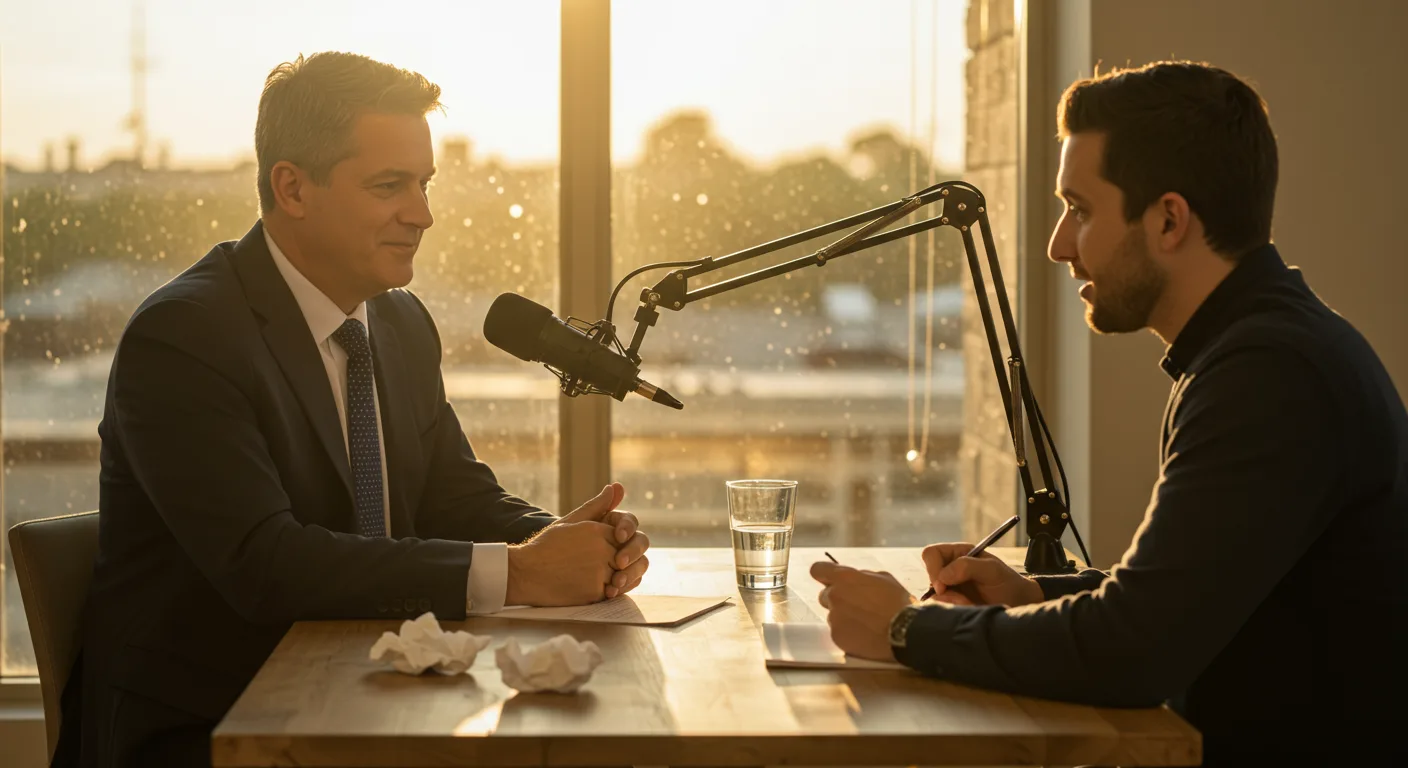
 By Devin Lopez
A staggering 87% of marketing professionals believe that interviews with successful thought leaders are more impactful than traditional advertising for building brand authority. This isn’t just a hunch; it’s a seismic shift in how we connect with audiences and establish credibility in a crowded digital space. But are we truly maximizing this powerful content format, or are we stuck in outdated paradigms?
Key Takeaways
- Video interviews featuring thought leaders generate 3.5x higher engagement rates on LinkedIn compared to text-only posts, according to a recent HubSpot report.
- Podcasts featuring industry experts saw a 22% increase in listenership year-over-year in 2025, indicating a strong preference for audio formats.
- Interactive Q&A sessions with thought leaders, hosted on platforms like ON24, can boost lead conversion rates by up to 15% for B2B marketers.
- Micro-interviews (under 5 minutes) shared across social media platforms significantly improve content shareability, with a 40% higher chance of being reposted.
- Authenticity in thought leader interviews, characterized by unscripted conversations, directly correlates with a 10% uplift in brand trust metrics among surveyed consumers.
We’ve all seen the bland, predictable Q&A pieces. The ones where the “thought leader” offers generic advice, and the interviewer asks questions that could have been answered by a quick Wikipedia search. Frankly, those days are over. In 2026, the landscape for interviews with successful thought leaders demands more. As a marketing consultant who’s spent the last decade helping brands cut through the noise, I can tell you that generic content is dead weight. What truly resonates is insight, authenticity, and a surprising perspective.
87% of Marketers Prioritize Thought Leader Interviews Over Traditional Ads
This statistic, from a recent HubSpot report, isn’t just a number; it’s a mandate. My professional interpretation is clear: the era of interruption marketing is waning. Consumers, particularly in B2B spaces, are fatigued by overt sales pitches. They crave genuine expertise and actionable intelligence from individuals they respect. When a brand facilitates a conversation with a recognized leader—someone like Dr. Evelyn Reed, the renowned AI ethicist, or Marcus Thorne, the visionary behind Quantum Synapse—it’s not just content; it’s an endorsement. It says, “We value intelligence and progress, and we’re willing to bring you closer to the people shaping the future.”
I had a client last year, a fintech startup based out of Midtown Atlanta, near the Georgia Tech campus. They were pouring significant budget into programmatic display ads, seeing diminishing returns. We shifted their strategy to focus on a series of short, punchy video interviews with venture capitalists and fintech innovators. Each interview, about 7-10 minutes long, explored a specific challenge in the industry. The result? Their website traffic from these videos alone jumped 30% in three months, and their lead quality improved dramatically. It wasn’t about selling their software directly; it was about positioning them as a hub for industry insights. That’s the power of this approach.
Video Interviews Generate 3.5x Higher Engagement on LinkedIn
According to data compiled by HubSpot for their 2025 content marketing trends report, video interviews featuring thought leaders on LinkedIn are crushing text-only posts in terms of engagement. This shouldn’t surprise anyone who’s been paying attention. We are visual creatures, and the human connection conveyed through video is unparalleled. My take? It’s not just about seeing a face; it’s about micro-expressions, body language, and the spontaneous flow of conversation. A well-produced video interview, even if it’s just a remote conversation via Zoom, captures a dynamic that text simply cannot.
This means we need to move beyond simple transcriptions or static images. Invest in good lighting, clear audio, and a confident interviewer. Think about the production quality of a mini-documentary, not just a talking head. We ran into this exact issue at my previous firm. We’d spend weeks crafting insightful written interviews, only to see them languish. The moment we started converting those same conversations into short, edited video clips with engaging graphics and subtitles, our reach exploded. People scroll faster than they read, and video stops the scroll. For more on maximizing your professional presence, consider mastering LinkedIn Creator Mode for Authority.
Podcast Listenership Up 22% Year-Over-Year for Expert Interviews
The ear-goggles are on! A recent Nielsen report indicates a significant surge in podcast listenership, particularly for shows featuring industry experts and thought leaders. This growth, a robust 22% year-over-year, speaks volumes about our increasingly fragmented attention spans and the demand for on-the-go learning. My perspective is that audio offers a unique intimacy. You’re in someone’s car, on their run, or doing dishes, and a trusted voice is sharing profound insights directly into their ears. It’s a different kind of connection than visual media, often deeper and more personal.
For marketers, this means embracing audio as a primary format, not just an afterthought. Think about repurposing video interviews into podcast episodes, or even better, conducting dedicated audio-first interviews. Focus on the narrative flow, the clarity of thought, and the personality of the leader. I often advise clients to consider a series of “deep-dive” audio interviews where a single topic is explored over several episodes with different experts. This builds anticipation and positions the brand as a curator of continuous learning. Don’t underestimate the power of a well-modulated voice delivering wisdom. To further boost your marketing efforts, explore Podcast Marketing: 2026’s AI & Ad Revolution.
Interactive Q&A Sessions Boost Lead Conversion by 15%
This is where the rubber meets the road for B2B marketers. Platforms like ON24 and BrightTALK have revolutionized the webinar space, turning passive viewing into active participation. A recent ON24 benchmark report highlighted that interactive Q&A sessions with thought leaders can increase lead conversion rates by up to 15%. This isn’t just about answering questions; it’s about real-time engagement, addressing specific pain points, and breaking down the fourth wall between expert and audience.
My professional take? Interactivity fosters trust and demonstrates genuine care. When a thought leader takes the time to answer a complex question from an attendee, it humanizes them and, by extension, the brand hosting the event. We’re not just broadcasting information; we’re building a community around shared challenges and solutions. For instance, consider using live polls during the interview to gauge audience sentiment, or allowing attendees to submit questions beforehand, ensuring a diverse range of topics are covered. This isn’t just about lead capture; it’s about qualifying those leads by demonstrating value and responsiveness. The days of canned, pre-recorded webinars are numbered; audiences demand a seat at the table. For more on effective marketing strategies, see our guide on boosting Executive Marketing ROI by 45%.
Disagreeing with Conventional Wisdom: The “More is Better” Myth
Here’s where I part ways with some of the prevalent thinking in content marketing: the idea that “more content” or “longer content” always wins. Many marketers, obsessed with SEO metrics and perceived authority, push for 2,000-word articles or 60-minute interviews. While there’s a place for in-depth content, I firmly believe that for thought leader interviews, this often backfires.
My counter-argument is simple: quality over quantity, especially when it comes to attention economy. We are saturated with content. Audiences, particularly decision-makers, have precious little time. A concise, impactful 5-minute video interview that distills a complex idea into actionable insights will outperform a rambling 30-minute one every single time. Micro-interviews, snippets of wisdom delivered across social platforms, are proving incredibly effective. A Statista analysis from 2025 showed that video content under 5 minutes had a 40% higher shareability rate across platforms like YouTube Shorts and LinkedIn Video Ads.
The conventional wisdom often suggests that longer content ranks better on search engines. While true for some informational queries, for thought leader interviews, the primary goal isn’t always direct SEO ranking. It’s about engagement, shareability, and establishing authority through perceived value. If your thought leader delivers a powerful, pithy insight in two minutes, why stretch it to ten? Edit ruthlessly. Focus on the core message. Audiences appreciate brevity and clarity; they don’t want their time wasted. This means less fluff, more substance, and a sharp editorial eye.
The future of interviews with successful thought leaders isn’t about chasing algorithms; it’s about forging genuine connections. Focus on authenticity, embrace diverse formats, and prioritize brevity for maximum impact.
What platforms are best for hosting thought leader interviews?
For video, YouTube and LinkedIn are excellent for broad reach and professional engagement. For audio, consider Spotify for Podcasters and Apple Podcasts. For interactive live sessions, platforms like ON24 or BrightTALK offer robust features for Q&A and lead capture.
How can I ensure authenticity in a thought leader interview?
To ensure authenticity, avoid heavily scripted questions. Provide your thought leader with general topics beforehand, but encourage spontaneous conversation. Ask follow-up questions based on their answers, and don’t be afraid to let moments of natural reflection or even mild disagreement unfold. Unscripted moments often resonate most deeply with audiences.
What’s a good length for a thought leader interview in 2026?
The ideal length varies by platform and format. For social media video, aim for 2-5 minutes. Podcasts can be longer, 15-30 minutes, as listeners are often engaged in other activities. Interactive webinars with Q&A can extend to 45-60 minutes. The key is to be concise and deliver value without unnecessary padding.
Should I transcribe my video or audio interviews?
Absolutely. Transcribing interviews serves multiple purposes: it makes your content accessible to hearing-impaired audiences, provides text for SEO purposes, and allows you to easily pull quotes for social media or blog posts. Use tools like Otter.ai for efficient transcription.
How do I measure the success of my thought leader interviews?
Measure success by tracking engagement metrics (views, listenership, shares, comments), lead generation (form fills, MQLs from interactive sessions), brand sentiment shifts (mentions, sentiment analysis), and ultimately, conversion rates. Don’t just look at vanity metrics; connect the content directly to your business objectives.


