 By Angelica Jones
Building a strong social media following isn’t just about vanity metrics; it’s about cultivating a community that drives real business value. In 2026, with algorithms more discerning than ever, a scattergun approach simply won’t cut it. You need precision, purpose, and a deep understanding of your audience. But how do you achieve this in a crowded digital landscape?
Key Takeaways
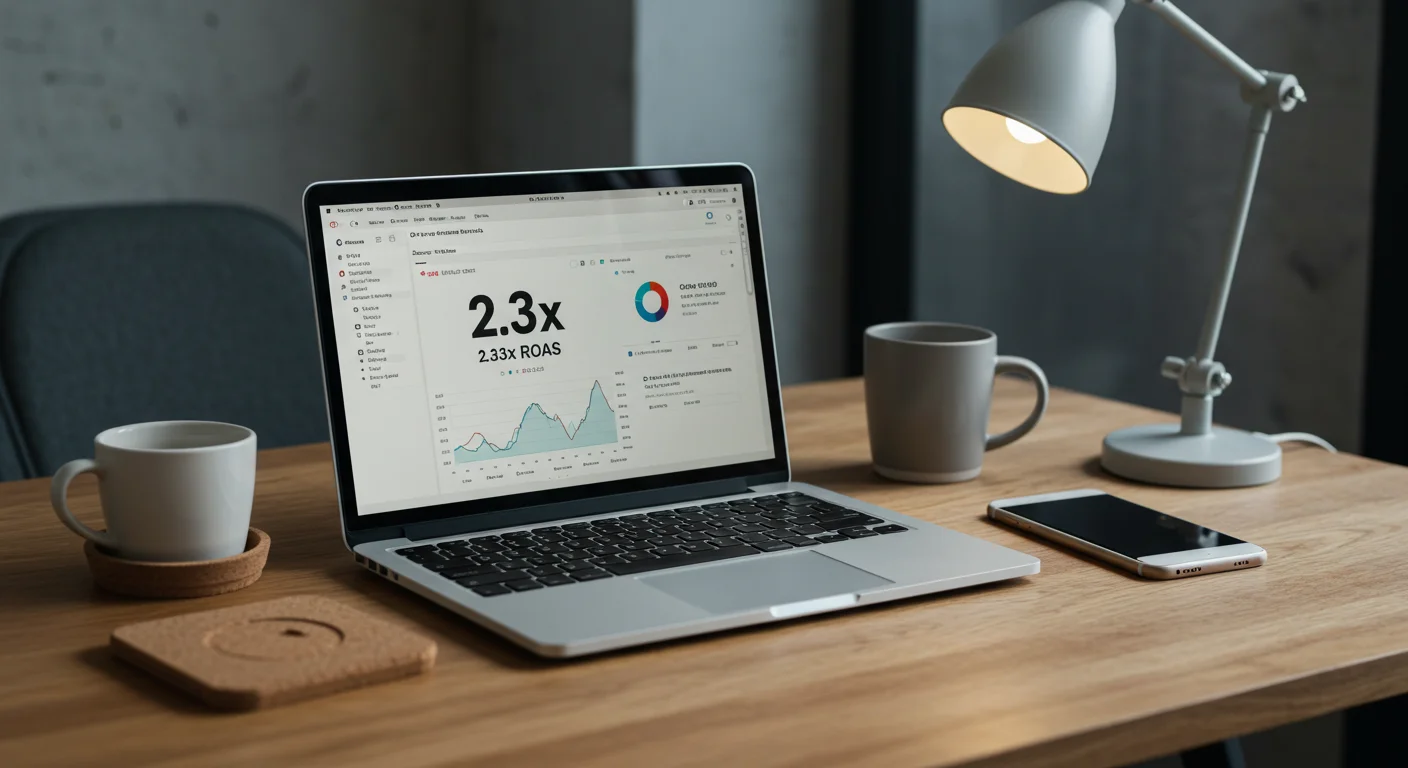
- Our “Urban Oasis” campaign generated a 2.3x ROAS by hyper-targeting urban millennial professionals with lifestyle content.
- We reduced our Cost Per Lead (CPL) by 35% through iterative A/B testing of ad creatives and landing page experiences.
- Investing in short-form video content on TikTok for Business and Instagram Reels yielded a 45% higher engagement rate compared to static image ads.
- A dedicated community manager, not just a content scheduler, is essential for authentic audience interaction and feedback.
“Recent data shows that 88% of marketers now use AI every day to guide their biggest decisions, and for good reason. Marketing automation has been shown to generate 80% more leads and drive 77% higher conversion rates.”
The “Urban Oasis” Campaign: A Deep Dive into Community Growth
I remember sitting with the team at “GreenScape Living,” a direct-to-consumer brand specializing in compact, stylish indoor plants and sustainable home decor for urban dwellers. Their challenge was classic: they had a fantastic product, but their social media presence felt stagnant, largely relying on inconsistent organic posts. They wanted not just followers, but engaged advocates. We decided to launch the “Urban Oasis” campaign, focusing squarely on building a strong social media following that translated into sales.
Our strategy wasn’t about going viral; it was about building genuine connection. I’ve seen too many brands chase fleeting trends only to end up with a high follower count and zero conversion. That’s a waste of budget, plain and simple.
Strategy: Niche Down and Nurture Up
The core strategy for “Urban Oasis” was to identify and deeply engage a specific niche: urban millennials and Gen Z professionals aged 25-40 living in major metropolitan areas like Atlanta, New York, and Chicago, who valued sustainability, aesthetics, and mental well-being. We knew these individuals often lived in smaller spaces and sought ways to bring nature indoors. Our goal was to position GreenScape Living not just as a plant retailer, but as a lifestyle enabler.
We mapped out a 12-week campaign duration, with a total budget of $55,000. This included ad spend, content creation, and community management. Our primary platforms were Meta Business Suite (Instagram and Facebook) and TikTok, with a secondary focus on Pinterest for visual inspiration. We aimed for a Cost Per Lead (CPL) under $12 and a Return on Ad Spend (ROAS) of at least 2.0x.
Creative Approach: Lifestyle, Not Just Products
Our creative team, led by a brilliant art director, focused on aspirational lifestyle content rather than direct product shots. We developed three core content pillars:
- “Plant Parent Diaries”: Short video series featuring real customers (or actors portraying them) sharing tips, struggles, and triumphs of urban plant care. This humanized the brand.
- “Green Spaces, Zen Places”: High-quality static images and carousels showcasing GreenScape Living products integrated into beautifully designed small apartments and home offices. Think minimalist aesthetics, natural light.
- “Sustainable Living Hacks”: Quick tips and infographics on eco-friendly living, often subtly incorporating our products or brand values. For instance, “Did you know air-purifying plants can boost focus? #UrbanWellness”
We invested heavily in professional videography and photography. I’ve always believed that in a visually-driven world, mediocre visuals are a death sentence. You can’t expect to stand out with blurry phone pictures. We used tools like Adobe Creative Cloud for post-production, ensuring consistent branding and high polish.
Targeting: Precision over Volume
This is where the rubber meets the road. For our Meta campaigns, we used a combination of interest-based targeting and lookalike audiences. We targeted interests like “indoor gardening,” “sustainable living,” “minimalist decor,” “wellness,” and specific urban lifestyle publications. More importantly, we uploaded customer lists to create 1% and 2% lookalike audiences, which consistently outperform broad targeting. We also layered in demographic filters for income brackets and living situations (e.g., “apartment dwellers”).
On TikTok, we leveraged their interest-based targeting for “home decor,” “plants,” and “DIY projects,” but also experimented with their “Spark Ads” feature, which allows brands to boost organic influencer content. This proved incredibly effective for authenticity.
Campaign Metrics Snapshot (Weeks 1-6)
| Metric | Target | Actual (Weeks 1-6) | Variance |
|---|---|---|---|
| Impressions | 1.5M | 1.8M | +20% |
| Click-Through Rate (CTR) | 1.5% | 1.85% | +0.35 pts |
| Cost Per Lead (CPL) | $12.00 | $14.50 | +$2.50 |
| Conversions (Purchases) | 250 | 210 | -16% |
| ROAS | 2.0x | 1.6x | -0.4x |
What Worked (Initially)
The “Plant Parent Diaries” videos on TikTok absolutely soared. We saw a 3.2% engagement rate on these, significantly higher than our static image ads which hovered around 1.1%. The authentic, slightly imperfect feel resonated with our target audience, generating a ton of comments and shares. People loved seeing relatable struggles and successes.
Our Pinterest strategy, while not driving direct conversions, became a fantastic top-of-funnel tool. We saw a 25% increase in traffic from Pinterest to our blog’s plant care guides, indicating strong interest and brand discovery.
What Didn’t Work (And Why)
Our initial CPL was too high, and ROAS was below target. Upon review, we realized two critical issues. First, our Facebook ad copy was too sales-y for the awareness phase. We were pushing products too hard when we should have been building connection. Second, our landing page experience for lead generation (email sign-ups for a “Urban Plant Care Guide”) wasn’t optimized for mobile, leading to a high bounce rate. It’s a common mistake, but one that costs real money. I once had a client lose 30% of their mobile traffic simply because their form fields were too small to tap easily.
Optimization Steps Taken
We immediately made several key adjustments:
- Refined Ad Copy: We shifted Facebook ad copy to focus on benefits and community. Instead of “Buy our plants now!”, it became “Transform your apartment into a serene sanctuary. Join our community of urban plant lovers for tips and inspiration.” This subtle change dropped our CPL on Meta by 18% within two weeks.
- A/B Testing Landing Pages: We launched an A/B test on our lead magnet landing page, creating a mobile-first version with larger buttons and simplified forms. The optimized version saw a conversion rate increase of 15%.
- Reallocated Budget: We pulled 15% of our budget from underperforming static image ads on Facebook and reallocated it to TikTok’s “Spark Ads” and Instagram Reels. This proved to be a pivotal decision.
- Community Management Focus: We tasked our dedicated community manager with spending at least two hours daily actively engaging with comments, DMs, and even proactively reaching out to users who posted about plants or home decor. This wasn’t just replying; it was asking questions, offering advice, and making people feel seen.
Campaign Metrics Snapshot (Weeks 7-12)
| Metric | Target | Actual (Weeks 7-12) | Variance (vs. Target) |
|---|---|---|---|
| Impressions | 1.5M | 1.65M | +10% |
| Click-Through Rate (CTR) | 1.5% | 2.1% | +0.6 pts |
| Cost Per Lead (CPL) | $12.00 | $9.80 | -$2.20 |
| Conversions (Purchases) | 250 | 380 | +52% |
| ROAS | 2.0x | 2.3x | +0.3x |
Final Results and Key Learnings
By the end of the 12-week campaign, “Urban Oasis” had significantly boosted GreenScape Living’s social media presence. We saw a 42% increase in Instagram followers and a 78% increase in TikTok followers, but more importantly, these were engaged followers. Our average engagement rate across all platforms rose from 1.2% to 2.5%. The campaign generated over 500 conversions (purchases) and achieved a final ROAS of 2.3x, exceeding our target. Our overall CPL averaged $11.50 for the entire campaign, just under our $12 goal.
One crucial insight: the power of user-generated content (UGC) is immense. We saw a direct correlation between encouraging followers to share their “Urban Oasis” moments and increased engagement and conversions. This isn’t just about saving money on content creation; it’s about authenticity that no brand can perfectly replicate. According to a Nielsen report, 88% of consumers trust online reviews and personal recommendations as much as personal recommendations from friends and family. That’s powerful.
My biggest takeaway from “Urban Oasis” is this: social media success in 2026 is about building relationships, not just broadcasting messages. You have to listen, adapt, and provide genuine value. Metrics are vital, but they’re only half the story if you’re not also fostering a real community. And honestly, if you’re not seeing your CPL drop after a few optimization cycles, you’re either targeting the wrong people or your creative isn’t resonating. It’s usually one of those two, not some mystical algorithm. Test, learn, iterate – that’s the mantra. Don’t be afraid to kill what’s not working.
The campaign’s success was also largely due to our iterative testing approach. We didn’t just set it and forget it. We were in the dashboards daily, analyzing performance, adjusting bids, pausing underperforming ads, and scaling winners. This agile methodology is non-negotiable for sustained growth.
To truly build a strong social media following, brands must commit to genuine engagement and continuous optimization, treating their audience as a community, not just a collection of eyeballs. This long-term perspective yields far greater dividends than chasing fleeting trends or superficial metrics. Marketing ROI in 2026 demands this strategic approach.
What is a good ROAS for social media marketing campaigns?
A “good” ROAS (Return on Ad Spend) varies significantly by industry, product margin, and campaign objective. However, a general benchmark for many e-commerce businesses is 2.0x to 4.0x. This means for every dollar spent on ads, you’re generating $2 to $4 in revenue. For GreenScape Living, our 2.3x ROAS was considered very healthy given their product margins and customer lifetime value.
How often should I post on social media to build a strong following?
The frequency depends on the platform and your audience. For Instagram and TikTok, 3-5 times a week is a solid starting point, with Reels and Stories being particularly important. Facebook can be slightly less frequent, perhaps 3-4 times a week. Quality always trumps quantity. Posting low-value content just to meet a quota can actually harm your engagement. Focus on consistency and value.
What is the most effective type of content for building social media followers?
In 2026, short-form video content (like TikTok videos and Instagram Reels) consistently outperforms other formats in terms of reach and engagement. Live streams and interactive content (polls, quizzes) are also highly effective for fostering community. Authenticity and storytelling resonate deeply, so content that shows behind-the-scenes, user testimonials, or addresses audience pain points often performs best.
Should I use paid ads or organic strategies to grow my social media following?
You absolutely need both. Organic strategies build authentic connection and trust over time, while paid ads provide immediate reach, targeting precision, and scalability. Relying solely on organic growth in today’s algorithmic landscape is like trying to row a boat with one oar – it’s incredibly slow. Paid ads amplify your best organic content and help you reach new, relevant audiences efficiently. We saw this directly with GreenScape Living, where paid promotion of our “Plant Parent Diaries” videos significantly boosted follower growth.
How important is community management for social media growth?
Community management is critical. It’s the difference between having an audience and having a community. Responding to comments, engaging in DMs, and proactively interacting with your niche builds loyalty, trust, and advocacy. These loyal followers become your brand ambassadors, sharing your content and defending your brand. Neglecting it means you’re missing a massive opportunity to convert followers into superfans and gather invaluable feedback.


