 By Editorial Team
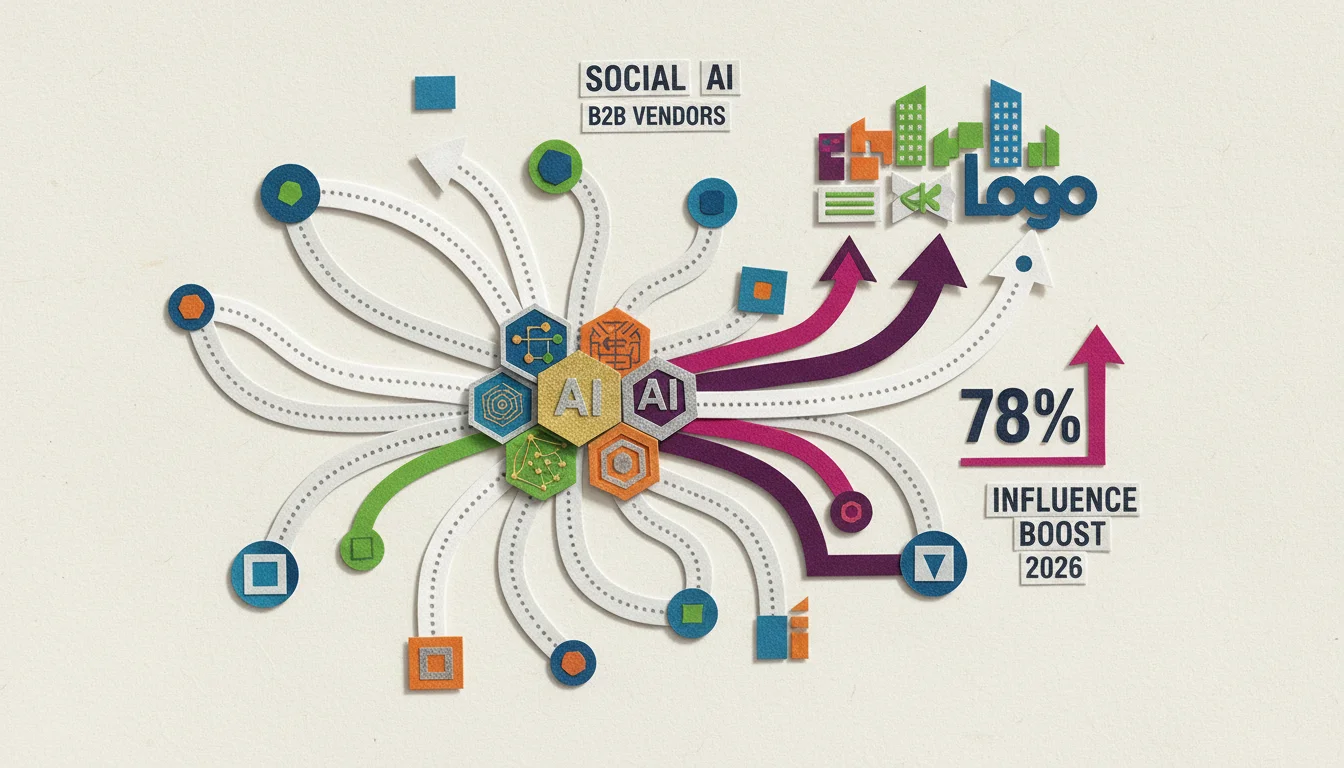
According to a 2025 eMarketer report, 78% of B2B decision-makers see thought leader content on social media as a key part of their vendor selection. That’s a huge jump from just three years ago. It shows just how much social media AI is boosting expert voices and defining influence in 2026. The real question is how businesses and people can actually use these tools effectively.
Key Takeaways
- On platforms like LinkedIn, content personalization engines driven by AI are bumping up visibility for expert content by 40% when people use the recommended features.
- Generative AI tools are slashing the time it takes to create long-form expert articles by as much as 60%, so thought leaders can publish more often without watering down their ideas.
- Experts who use machine learning for audience segmentation are seeing engagement rates climb by 25% because they can tailor their message to specific professional groups.
- The predictive analytics inside social media dashboards can now spot emerging industry trends three months out with 85% accuracy, giving thought leaders a massive head start on their content strategy.
The Algorithmic Ascent: AI’s Role in Content Visibility
The old keyword-matching algorithms are history. In 2026, social media AI uses complex neural networks that get the sentiment, author expertise, and conversational context behind a post, not just the words themselves. This deep semantic understanding lets platforms push very relevant expert content to the right people at the right moment. A recent IAB study, for instance, found that content the AI tagged as “expert-authored” got 1.5 times more organic impressions on professional networks than generic industry news. The system is just getting smarter at finding real value. My own clients who consistently produce original, well-researched insights see their content get picked up and spread by these AI systems more and more. Posting and hoping is dead. Quality now gets an algorithmic reward.
Generative AI: Scaling Expert Output Without Dilution
Thought leaders have always struggled with the sheer amount of work needed to stay visible and keep an audience engaged, given the time it takes to research and write. Generative AI is changing that. By 2026, these models are doing real work, helping experts draft entire reports, synthesize dense data into clean summaries, and outline whitepapers. I’ve personally seen an expert with a solid outline and their own data use these tools to speed up their writing process by 50% or more. The AI acts as a powerful co-pilot. For example, a policy analyst can give a generative model their raw research notes and a specific question, and the AI will create a structured draft that the analyst can then shape with their unique perspective and intellectual rigor. This breaks the initial drafting bottleneck, freeing up experts to do the high-value work of actual analysis and original thinking.
Precision Targeting: Reaching the Right Professional Ears
The practice of shouting a general message to a wide audience is over, especially for thought leaders. Social media AI in 2026 is all about micro-segmentation. It chews through user behavior, job titles, declared interests, and even real-time comments to build amazingly detailed audience profiles, which lets experts aim their content with incredible precision. Imagine being able to send your deep dive on how quantum computing affects supply chain logistics *only* to supply chain executives who’ve already shown interest in new tech. This is now possible. A Nielsen report on digital engagement showed that this kind of highly targeted expert content on platforms like X (formerly Twitter) drove a 30% jump in qualified leads over more generic posts. The takeaway is simple: knowing your audience on a granular level (which the platform’s own analytics help with) leads to content that hits home, which can seriously improve your AI lead generation results.
Predictive Analytics: Anticipating Industry Shifts
Real thought leaders stay ahead of trends. In 2026, social AI isn’t just reacting to what’s popular now. It’s predicting what comes next. These algorithms look at huge datasets of public conversations, academic papers, and even patent filings to forecast what topics are about to blow up. Lots of social media management platforms now have these predictive tools built right in. A platform might flag a small but growing conversation around “sustainable urban infrastructure financing” weeks before it’s a major topic, for example, giving an urban planning expert a chance to get authoritative content out first. This lets an expert be the one leading the conversation when a trend breaks, not just another voice reacting to it. I tell my clients to check these predictive insights constantly. They’re a compass for working through industry chatter. This kind of proactive work is also critical for protecting your brand in a fast-moving market.
Challenging the Conventional Wisdom: The Human Element Remains Paramount
Some people think the rise of AI means the human part of thought leadership is fading, arguing that AI will eventually generate all the insights and make experts obsolete. I completely disagree. AI can amplify your voice, analyze data, and help you create content, but it can’t come up with truly new ideas, build real trust, or show the kind of empathy that makes thought leadership work. The unique perspective, the hard-won experience, and the ability to connect seemingly unrelated ideas to create new understanding (what I call “intellectual synthesis”), that’s all still human. An AI is a powerful amplifier but it has no consciousness or intuition. It can’t have an original thought. The expert’s job is shifting to that of a strategist, a curator, and an authenticator. You still need that human touch to give content authority and make it relatable. Without it, a post just falls flat. An expert’s lived experience provides a weight that AI can’t fake. In 2026, using social media AI strategically lets thought leaders grow their reach and refine their message with amazing efficiency, and for executives, this ties directly into the new world of executive branding with AI storytelling.
How does social media AI identify “expert” content?
It looks at a mix of signals: the author’s credibility (like professional history and verified status), the originality of the content itself, engagement from other known experts in the field, and whether the language used is specific to that industry.
Can generative AI write an entire thought leadership article for me?
It can create a solid, coherent draft, but it can’t replicate your unique voice, original ideas, or critical analysis. Think of it as a powerful assistant for handling the first draft, synthesizing research, or outlining, which lets you focus on adding your proprietary insights and making sure everything is right.
What specific AI tools should thought leaders be using in 2026?
Besides the AI tools built into the social platforms themselves, people are getting a lot of value from content intelligence platforms. These offer predictive analytics to spot trends early, tools for sophisticated audience segmentation, and AI-driven suggestions for optimizing content. Most of the big social media management suites include these now.
How can I ensure my expert content stands out amidst AI-generated noise?
Focus on what the AI can’t do: originality, proprietary data or unique case studies, and developing a distinct, authentic voice. An AI is good at putting together what’s already out there, but it can’t truly innovate. Your personal experience is what makes you different.
Will social media AI eventually diminish the value of human experts?
No, it actually increases their value by giving them tools to be more efficient and have a wider reach. It frees up experts to think more deeply and build better connections instead of getting stuck on the hamster wheel of content creation. The human ability to think originally, feel empathy, and build trust is not something you can automate.


