 By Angela Smith
Sarah, the owner of “Bloom & Grow,” a charming plant nursery in Atlanta’s Kirkwood neighborhood, stared at her analytics dashboard with a sigh. Her beautiful, handcrafted ceramic planters and rare succulent collections were selling well locally, but online growth? Stagnant. She knew her products were visually stunning, perfect for social media, yet her attempts at creating engaging videos felt like shouting into the void. She’d tried short clips of potting, time-lapses of flowers blooming – all met with lukewarm engagement. How could she transform her raw footage into compelling marketing assets that truly blossomed?
Key Takeaways
- Prioritize authentic, user-generated content (UGC) over polished studio productions for higher engagement and conversion rates.
- Implement the “Hook, Value, Call-to-Action” structure within the first 3-5 seconds of every short-form video to capture attention effectively.
- Utilize A/B testing on video thumbnails and opening lines to optimize click-through rates and audience retention.
- Focus on platform-specific content, tailoring video length and style for maximum impact on LinkedIn Video (educational), Pinterest Idea Pins (inspirational), and YouTube Shorts (quick tips).
- Integrate interactive elements like polls and quizzes directly into your video strategy to boost viewer participation and gather valuable insights.
Sarah’s challenge isn’t unique. I’ve seen countless small business owners, even established brands, struggle with video. They understand its power – a recent HubSpot report from 2025 indicated that 86% of businesses use video as a marketing tool, and 92% of marketers say it provides a good ROI – but translating that understanding into tangible results is where the disconnect happens. It’s not just about hitting record; it’s about strategy, intention, and a deep understanding of your audience. Here are the top 10 video strategies I consistently recommend for success, the very ones we implemented with Sarah to turn her digital desert into a thriving online garden.
1. Embrace Authentic User-Generated Content (UGC)
Forget the glossy, over-produced commercials. Today’s consumers crave authenticity. Sarah initially focused on professionally shot videos of her plants. They were beautiful, yes, but they felt a little… sterile. We shifted her strategy to actively encourage customers to share their “Bloom & Grow” experiences. This included unboxing videos, showing off their new plants in their homes, or even quick clips of them potting. The results were immediate. Engagement soared. Why? People trust other people, not just brands. A Statista study from 2024 revealed that consumers are significantly more likely to trust recommendations from friends and family than traditional advertising. UGC is essentially word-of-mouth amplified.
2. Master the Hook: The First 3 Seconds Are Everything
Attention spans are microscopic. If your video doesn’t grab someone immediately, they’re gone. I always tell my clients, “Think ‘scroll-stopping.'” For Sarah, this meant abandoning slow, meandering intros. Instead of a fade-in to her logo, we started her videos with a bold question (“Ever killed a succulent?”), a surprising visual (a plant being dramatically repotted), or a quick, intriguing statement. This is especially critical for platforms like Instagram Reels and TikTok, where users are swiping constantly. Your opening needs to scream, “Stop scrolling! You need to see this!”
3. Tell a Story, Don’t Just Showcase Products
People connect with narratives. Instead of just showing a beautiful plant, Sarah started telling the story behind it. Where did it come from? What’s its unique care routine? What kind of joy does it bring to a home? One particularly successful series for her involved “Plant Journeys” – following a seedling from her greenhouse to a customer’s living room, complete with progress updates. This humanized her brand and created an emotional connection. We’re not selling plants; we’re selling growth, beauty, and a touch of nature.
4. Prioritize Short-Form, Value-Packed Content
While long-form video has its place (YouTube tutorials, for example), the dominant trend continues to be short, punchy content. For Sarah, this meant 15-60 second videos offering quick tips: “3 Ways to Revive a Drooping Fern,” “The Secret to Perfect Orchid Blooms,” or “DIY Plant Propagation in 60 Seconds.” Each video delivered immediate value, making viewers feel like they learned something useful. This builds trust and positions you as an authority. I once had a client who insisted on 5-minute “explainer” videos for every product. Their watch time was abysmal. We cut them down to 45-second highlights, and their engagement quadrupled. Sometimes, less is genuinely more.
5. Integrate Interactive Elements
Engagement isn’t just about views; it’s about interaction. Sarah started incorporating polls, quizzes, and “ask me anything” (AMA) sessions into her live streams and even pre-recorded videos. “Which pot would you choose for this monstera?” or “True or False: All succulents need direct sunlight?” These simple additions not only boosted participation but also provided invaluable insights into her audience’s preferences and pain points. Most platforms, including Meta Business Suite for Facebook and Instagram, offer native tools for this.
6. Optimize for Sound-Off Viewing
A huge percentage of social media videos are watched without sound. Therefore, your videos must make sense visually alone. For Sarah, this meant using clear on-screen text overlays, compelling visuals that told the story, and even captions for her spoken dialogue. We used a simple, clean font that was easy to read against her backgrounds. Relying solely on audio is a critical error many businesses make. Don’t assume your audience will turn on the sound; assume they won’t, and design your video accordingly.
7. Leverage Platform-Specific Strategies
What works on TikTok won’t necessarily work on LinkedIn. Sarah learned this the hard way. Her quick, trendy TikToks flopped on LinkedIn, and her detailed YouTube tutorials were ignored on Instagram. We tailored her content: quick, inspiring “Plant of the Day” clips for Pinterest Idea Pins; educational, slightly longer “Plant Care Deep Dives” for YouTube; and behind-the-scenes glimpses of her nursery for Instagram Stories. Understanding the native audience and typical consumption patterns of each platform is non-negotiable. Don’t just repurpose; rethink.
8. Consistency is King, Not Perfection
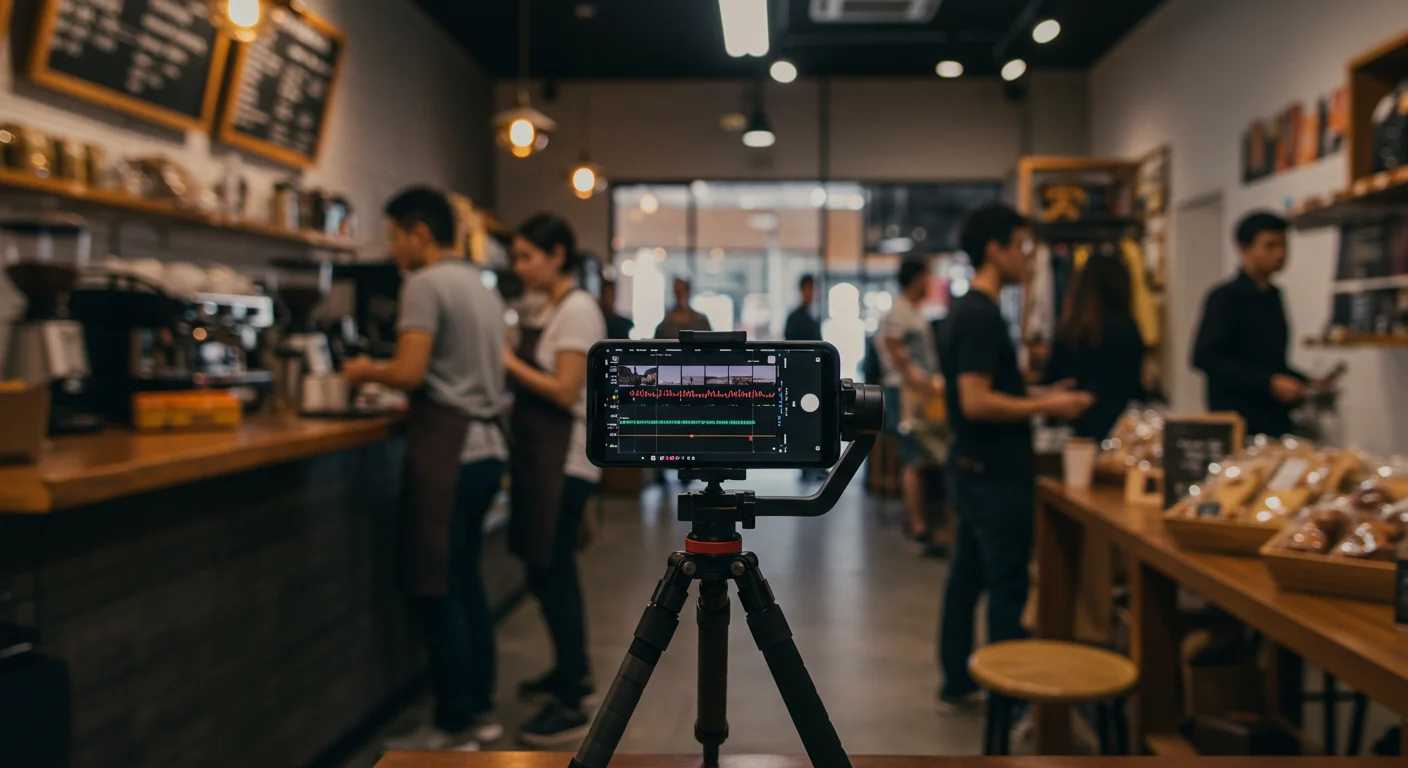
Sarah initially felt she needed professional lighting and editing for every video. This led to long delays and infrequent posting. I convinced her that consistent, good-enough content beats sporadic, perfect content every time. We set up a simple smartphone tripod and a basic ring light. Her authenticity shone through. Her audience didn’t want Hollywood production; they wanted to see her, sharing her passion. A simple content calendar, even if it’s just “Monday: Plant Tip, Wednesday: Customer Spotlight, Friday: New Arrival,” can make a massive difference in maintaining a steady flow.
9. A/B Test Everything, Especially Thumbnails
The thumbnail is your video’s billboard. It’s often the first thing people see. We started A/B testing different thumbnails for Sarah’s YouTube videos and even for her longer-form Facebook videos. Did a close-up of a leaf perform better than a wider shot of her nursery? Did adding text overlay increase clicks? We also tested different opening lines and video lengths. These small, data-driven adjustments led to significant improvements in click-through rates and watch times. Don’t guess; test. Tools like YouTube Analytics provide robust data for this.
10. Don’t Forget the Call-to-Action (CTA)
What do you want viewers to do after watching your video? Buy a plant? Visit your store? Sign up for your newsletter? Follow you? Every video needs a clear, concise CTA. For Sarah, this evolved from a generic “Shop Now” to more specific actions like “Click the link in bio to snag this limited-edition succulent!” or “DM us your toughest plant question!” Make it easy for them. A strong CTA is the bridge between engagement and conversion, and without it, your beautiful video is just entertainment.
By implementing these strategies, Sarah’s “Bloom & Grow” saw remarkable growth. Her Instagram Reels started hitting thousands of views, her YouTube channel gained subscribers, and most importantly, her online sales increased by 40% in six months. She even started selling out of her more unique plant varieties within hours of posting a video. Her success wasn’t about expensive gear or viral stunts; it was about understanding her audience, delivering consistent value, and presenting it authentically. The power of marketing videos, when done right, is truly transformative.
My advice for anyone feeling overwhelmed by video creation is simple: start small, be authentic, and focus on providing value. Don’t chase perfection; chase connection. The most effective videos are often the ones that feel the most human, the ones that tell a story, and the ones that truly resonate with your audience’s needs and desires.
What’s the ideal length for a marketing video in 2026?
The ideal length varies significantly by platform. For short-form platforms like TikTok, Instagram Reels, or YouTube Shorts, aim for 15-60 seconds. For educational content on YouTube, 2-5 minutes is often effective, while LinkedIn videos can range from 30 seconds to 2 minutes depending on the complexity of the topic. The key is to be as concise as possible while still delivering your message.
Should I use professional equipment or just my smartphone for video marketing?
For most small businesses and authentic content, a modern smartphone is perfectly adequate. The quality of smartphone cameras has improved dramatically, and the emphasis is now on authenticity and content quality over cinematic production values. Invest in good lighting (like a ring light) and a decent external microphone before upgrading your camera. Authenticity often trumps high production value.
How often should I post marketing videos?
Consistency is more important than frequency. Aim for a schedule you can realistically maintain, whether that’s 2-3 times a week or daily for short-form content. A consistent posting schedule helps build audience expectations and keeps your content visible within algorithms. Analyze your platform analytics to see when your audience is most active and try to post around those times.
What metrics should I track to measure video marketing success?
Key metrics include view count, watch time (or audience retention rate), engagement (likes, comments, shares), click-through rate (CTR) on any embedded links, and conversion rates directly attributable to video campaigns. Don’t just focus on vanity metrics; prioritize those that align with your business goals, such as sales or lead generation.
Is live video still relevant for marketing?
Absolutely. Live video fosters immediate connection and authenticity. It’s excellent for Q&A sessions, product launches, behind-the-scenes content, and interactive workshops. Platforms like Facebook Live, Instagram Live, and YouTube Live continue to offer unique opportunities for real-time engagement and community building that pre-recorded content can’t replicate.


