 By Angela Thomas
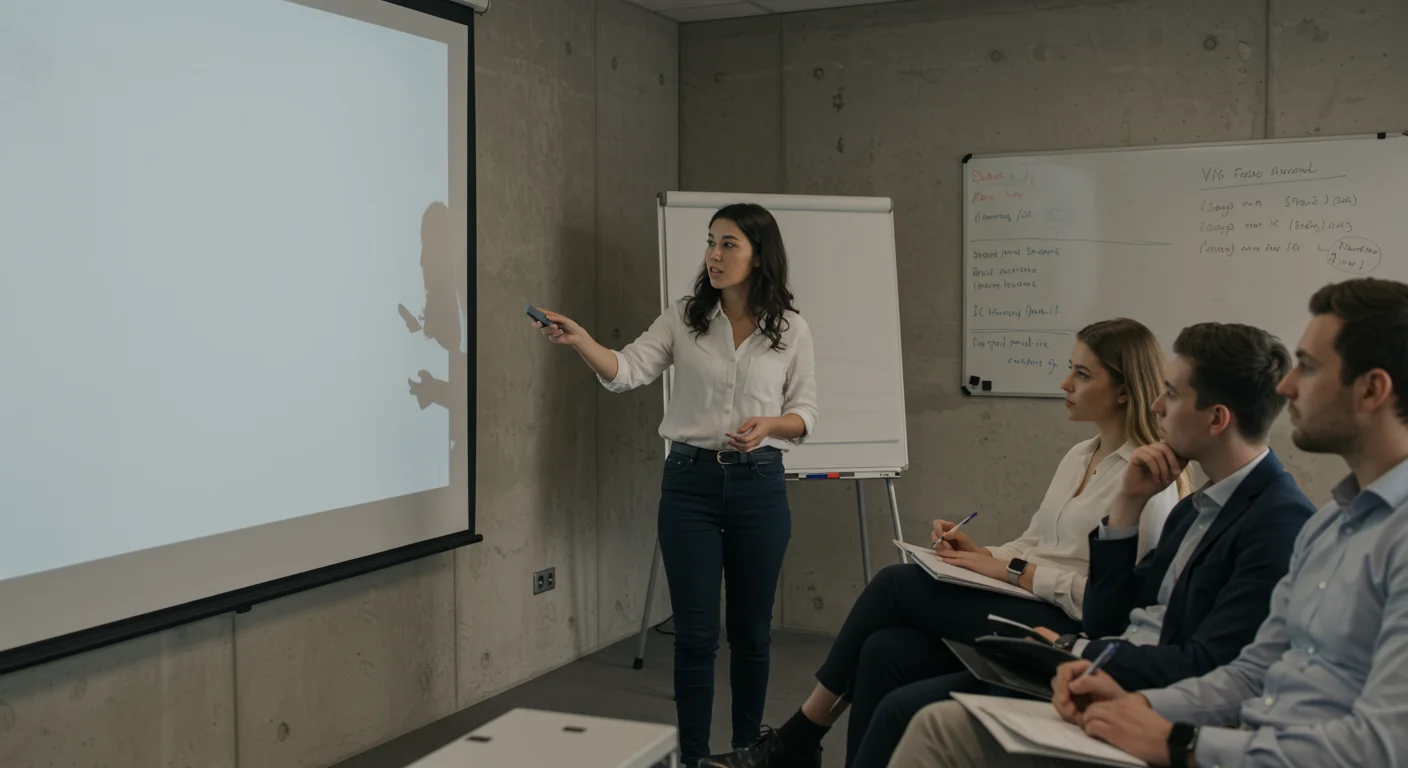
The fluorescent lights of the conference room felt like a spotlight, even though it was just a regular Monday morning meeting. Sarah, the marketing director for a burgeoning Atlanta-based SaaS startup, Innovate Solutions, felt a familiar knot tighten in her stomach. She knew her product, she lived and breathed its features, but when it came to presenting it to potential investors or even her own team, her voice would waver, her slides would become a blur, and her message – vital for securing their next funding round – would get lost in a sea of “ums” and nervous glances. Innovate Solutions was on the cusp of something big, but Sarah’s inability to confidently articulate their vision was holding them back. This isn’t just about stage fright; it’s about lost opportunities, missed connections, and the very real impact on a company’s bottom line. Mastering public speaking isn’t some optional soft skill for marketing professionals in 2026; it’s a non-negotiable requirement for growth. But how does someone like Sarah go from dreading every presentation to owning the room?
Key Takeaways
- Structure your content around a compelling narrative arc with a clear problem, rising action, climax, and resolution to captivate your audience.
- Practice deliberately using the “mirror and record” technique for at least 15 minutes daily, focusing on specific verbal and non-verbal cues.
- Integrate interactive elements like live polls (e.g., using Mentimeter) or Q&A sessions every 10-15 minutes to maintain engagement.
- Craft a single, memorable core message that can be articulated in 15 seconds or less, ensuring your audience retains your most important point.
- Utilize visual aids sparingly, opting for high-impact images or single data points over text-heavy slides, following the “less is more” principle.
The Genesis of a Problem: When Expertise Meets Anxiety
Sarah was brilliant. Her marketing strategies had consistently delivered impressive user acquisition numbers, particularly within the competitive FinTech space. She understood SEO, she knew her way around Marketo Engage, and her team loved her. But put her in front of a group, even a small one, and her confidence evaporated. Her presentations, despite being packed with solid data and innovative ideas, often fell flat. “It’s like she’s reading from a script, even when she’s not,” her CEO, Mark, once observed, gently. This wasn’t a flaw in her intelligence; it was a skill gap, a chasm that needed bridging if Innovate Solutions was to secure the Series B funding they desperately needed to expand their operations beyond their Atlanta headquarters, perhaps even into the burgeoning tech scene in Raleigh.
I’ve seen this countless times. My first major client in agency work was a CTO who could code circles around anyone but would freeze when presenting his vision to the board. We spent weeks just on his opening five minutes. The technical brilliance was there, but the delivery felt like a hostage situation. It’s a common trap: assuming deep knowledge translates directly into compelling communication. It doesn’t. Public speaking is a performance art, backed by meticulous preparation.
Deconstructing the Fear: Content, Structure, and Delivery
Our initial assessment with Sarah revealed several key areas for improvement. Her content was too dense, her structure lacked a narrative flow, and her delivery was, frankly, monotonous. We identified three pillars for her transformation: content mastery, structural integrity, and dynamic delivery.
Pillar 1: Content Mastery – Beyond the Bullet Points
Sarah’s initial approach to content was information overload. Every slide was a data dump. My philosophy is simple: your audience isn’t there to read your slides; they’re there to listen to you. Think of your presentation as a story. Every good story has a protagonist (your audience and their problem), an antagonist (the challenge your product solves), a rising action, a climax (your solution), and a resolution (the benefits). This narrative arc is far more engaging than a laundry list of features.
For Innovate Solutions, the story became: “Businesses are drowning in disconnected financial data, leading to costly errors and missed opportunities. Innovate Solutions provides a unified AI-driven platform that not only integrates all your financial streams but predicts market shifts with 95% accuracy, saving you millions and propelling growth.” This isn’t just information; it’s a compelling journey.
I always push my clients to distill their entire presentation down to a single, memorable core message. If someone walks away remembering only one thing, what should it be? For Sarah, it was the “95% accuracy in market prediction.” This became her anchor. According to a HubSpot report on B2B marketing trends, presentations that tell a story are 22 times more memorable than those that simply present facts. This isn’t just anecdotal; it’s backed by how our brains process information. For more on crafting impactful narratives, explore how to engineer winning articles that dominate search and convert.
Pillar 2: Structural Integrity – Crafting the Unforgettable Arc
Once the core message and narrative were clear, we focused on structure. Sarah’s initial presentations bounced from topic to topic without a clear progression. We implemented a five-part structure that I swear by:
- The Hook: Start with a startling statistic, a relatable anecdote, or a powerful question that immediately grabs attention. For Innovate Solutions, it was a statistic about the average financial loss due to data silos in mid-sized businesses.
- The Problem: Clearly define the pain point your audience experiences. Make it visceral.
- The Solution: Introduce your product/idea as the answer. Don’t just list features; explain how it solves the problem.
- The Proof: Data, case studies, testimonials. This is where Sarah’s robust data came in, but now presented as compelling evidence, not raw information. We specifically highlighted a fictional but realistic case study of a local firm, “Peach State Logistics,” that saw a 30% reduction in operational overhead after implementing Innovate Solutions’ platform over six months.
- The Call to Action: What do you want your audience to do next? Invest, sign up, visit a booth? Be explicit.
This structure ensures a logical flow, making it easier for the audience to follow and for the speaker to remember their points without relying on notes. I advocate for minimal text on slides – think visual cues, not teleprompters. A study by Nielsen in 2023 highlighted that visuals are processed 60,000 times faster than text, emphasizing their power in presentations.
Pillar 3: Dynamic Delivery – The Art of Connection
This was Sarah’s biggest hurdle: transforming her delivery from robotic to engaging. We focused on three aspects:
- Vocal Variety: Pacing, pitch, and pauses. I had Sarah record herself daily using her smartphone. We’d listen back, identifying moments where her voice went flat or she rushed through a critical point. A deliberate pause before a key statistic can dramatically increase its impact.
- Body Language: Eye contact, gestures, and movement. I told her to imagine she was having a conversation, not giving a lecture. We practiced maintaining eye contact with different sections of the room, using open hand gestures to convey confidence, and moving purposefully around the stage instead of being rooted to one spot.
- Audience Engagement: Public speaking is a dialogue, not a monologue. We integrated interactive elements. For a recent pitch to a venture capital firm located near Ponce City Market, Sarah used a live poll via Slido asking, “What’s the biggest financial data challenge your portfolio companies face?” The immediate, anonymous responses not only provided valuable insights but also made the audience feel heard and invested.
One trick I often share: practice in front of a mirror, but don’t just watch yourself. Talk to your reflection as if it’s a skeptical investor. Try to convince that person. Then, record yourself and watch it back, specifically looking for moments where you look away, fidget, or rush your words. It’s brutal, but incredibly effective. I had a client last year, a brilliant data scientist, who used to clasp his hands together so tightly his knuckles would turn white. We practiced with a stress ball, then without, until his gestures became natural and open. The transformation was remarkable. This approach to self-improvement is crucial for 2026 personal branding, ensuring your authenticity is quantifiable.
The Breakthrough: From Fear to Funding
After weeks of intensive coaching, Sarah was ready for the Series B funding pitch at the Georgia Tech Research Institute. She walked into the room, not with dread, but with a quiet confidence. She opened not with a slide, but with a question: “Imagine your business, freed from the shackles of fragmented financial data. What could you achieve?”
Her presentation flowed. The narrative was clear, the data points were compelling, and her delivery was dynamic. She didn’t just present the features of Innovate Solutions; she painted a picture of a future where financial data was an asset, not a burden. She handled tough questions with poise, referencing specific client successes and market projections from Statista’s 2026 enterprise software market analysis. The investors weren’t just nodding; they were leaning forward, engaged.
The result? Innovate Solutions secured $15 million in Series B funding. Sarah didn’t just master public speaking; she mastered the art of persuasion, directly contributing to her company’s monumental success. It wasn’t about eliminating nervousness entirely – a little adrenaline can be a good thing – but about channeling it into focused energy and a clear, compelling message. She learned that mastering public speaking isn’t about being perfect; it’s about being authentic and prepared. For CEOs looking to boost revenue, ensuring your team can articulate vision is as critical as smart marketing OKRs.
This journey isn’t unique to Sarah. Every day, professionals in marketing and beyond face similar challenges. The tools are available, the strategies are proven, but it requires dedication and a willingness to step outside your comfort zone. The payoff, as Sarah discovered, is immense. It’s the difference between merely presenting information and truly inspiring action.
Becoming an exceptional public speaker requires consistent, deliberate practice and a commitment to storytelling over mere information dissemination. Your ability to connect with an audience will directly impact your marketing success.
How long does it take to become a confident public speaker?
While initial improvements can be seen within weeks, achieving true confidence and mastery is an ongoing process. Consistent practice, ideally 15-30 minutes daily, over several months will yield significant results. Think of it like learning an instrument – daily practice is key.
What is the single most effective technique for overcoming stage fright?
The most effective technique is thorough preparation combined with visualization. Knowing your content inside and out reduces anxiety. Additionally, before a presentation, spend 5 minutes visualizing yourself successfully delivering your speech, engaging with the audience, and receiving positive feedback. This mental rehearsal can significantly calm nerves.
Should I memorize my speech word-for-word?
Absolutely not. Memorizing word-for-word often leads to a stiff, unnatural delivery and can cause panic if you forget a line. Instead, memorize your key points, the flow of your narrative, and your opening and closing statements. Speak from an outline or bullet points, allowing your natural voice and personality to shine through.
How can I make technical or data-heavy presentations more engaging?
Focus on the “so what?” behind the data. Instead of just presenting numbers, explain their impact, tell a story around them, or use a compelling analogy. Utilize strong visuals that highlight one key data point at a time, and consider interactive elements like live polls or short Q&A breaks to keep the audience involved and break up dense sections.
What’s the best way to practice without an audience?
Record yourself! Use your phone’s camera to practice your entire presentation. Watch it back critically, paying attention to your vocal variety, body language, and clarity of message. It’s uncomfortable at first, but it’s an invaluable tool for self-correction. Practice in front of a mirror, focusing on eye contact and natural gestures.


