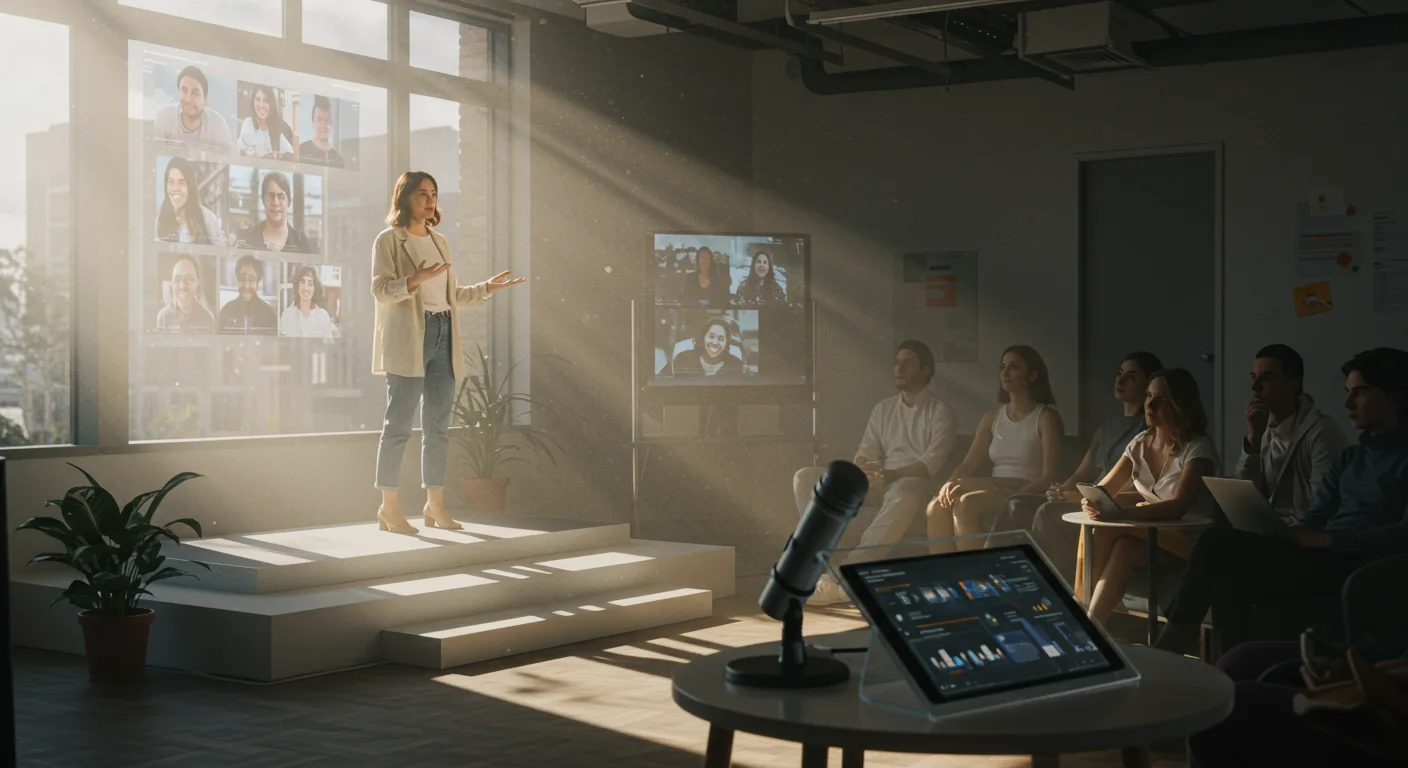
The Evolving Landscape of Public Speaking in 2026
The ability to communicate effectively in public remains a cornerstone of success in virtually every field. But in 2026, the methods and platforms for and mastering public speaking have transformed dramatically. This evolution is driven by technological advancements, shifting audience expectations, and the increasing importance of authentic connection. Are you ready to adapt your skills to thrive in this new era of public speaking?
Public speaking is no longer confined to physical stages and boardrooms. It encompasses a wide range of formats, from virtual presentations and webinars to podcasts and social media livestreams. The key to success lies in understanding these diverse channels and tailoring your message to resonate with specific audiences.
Mastering Virtual Public Speaking: Tips and Strategies
The shift to remote work and online events has made virtual public speaking a critical skill. However, presenting effectively through a screen requires a different approach than traditional in-person speaking. Here are some strategies to help you master virtual presentations:
- Optimize Your Setup: Invest in a high-quality webcam, microphone, and lighting. Ensure a stable internet connection to avoid disruptions. A clean and professional background is also essential.
- Engage Your Audience: Use interactive elements such as polls, Q&A sessions, and chat features to keep your audience engaged. Encourage participation and respond to comments in real-time.
- Master the Art of Storytelling: Craft compelling narratives that capture your audience’s attention and make your message memorable. Use visuals, anecdotes, and personal experiences to connect with viewers on an emotional level.
- Practice and Rehearse: Practice your presentation multiple times to ensure a smooth delivery. Record yourself to identify areas for improvement. Pay attention to your body language, tone of voice, and pacing.
- Adapt to the Platform: Familiarize yourself with the features and functionalities of the virtual platform you’re using. Whether it’s Zoom, Microsoft Teams, or another platform, understanding its capabilities will enhance your presentation.
According to a recent study by the National Communication Association, virtual presentations are 30% more effective when speakers use visual aids and interactive elements.
Leveraging Video Content for Public Speaking
Video has become an indispensable tool for public speakers. Whether it’s creating short explainer videos, recording webinars, or sharing thought leadership content on social media, video allows you to reach a wider audience and amplify your message. Here’s how to leverage video content effectively:
- Plan Your Content: Develop a clear content strategy that aligns with your goals and target audience. Identify key topics, create compelling scripts, and plan your visuals.
- Produce High-Quality Videos: Invest in professional video equipment or hire a videographer to ensure high-quality production. Pay attention to lighting, sound, and editing.
- Optimize for Different Platforms: Tailor your video content to the specific requirements of each platform. For example, YouTube favors longer-form content, while TikTok thrives on short, engaging videos.
- Promote Your Videos: Share your videos on social media, email newsletters, and your website. Use relevant keywords and hashtags to improve discoverability.
- Track Your Results: Use analytics tools like Google Analytics to track the performance of your videos. Monitor metrics such as views, engagement, and conversions to optimize your content strategy.
Video content also lends itself well to repurposing. A webinar can be broken down into shorter clips for social media, or transcribed into a blog post. This maximizes the reach of your message and saves time.
The Power of Storytelling in Public Speaking
In 2026, audiences crave authenticity and emotional connection. Storytelling is a powerful tool for achieving this, as it allows you to engage your audience on a deeper level and make your message more memorable. Here’s how to incorporate storytelling into your public speaking:
- Identify Your Core Message: What is the key takeaway you want your audience to remember? Your story should support and reinforce this message.
- Craft a Compelling Narrative: Develop a story with a clear beginning, middle, and end. Use vivid language, sensory details, and relatable characters to draw your audience in.
- Connect with Your Audience’s Emotions: Tap into universal emotions such as joy, fear, and hope to create a connection with your audience. Share personal experiences and vulnerabilities to build trust.
- Use Visual Aids: Supplement your story with visuals such as images, videos, and animations to enhance the impact.
- Practice Your Delivery: Rehearse your story multiple times to ensure a smooth and natural delivery. Pay attention to your tone of voice, body language, and pacing.
Don’t be afraid to inject humor into your stories, where appropriate. A well-placed joke can help to lighten the mood and make your presentation more engaging.
Integrating AI in Public Speaking Training
Artificial intelligence (AI) is transforming the way we learn and improve our public speaking skills. AI-powered tools can provide personalized feedback, analyze your performance, and help you identify areas for improvement. Here are some ways AI is being integrated into public speaking training:
- Speech Analysis: AI algorithms can analyze your speech patterns, tone of voice, and body language to provide feedback on your delivery.
- Personalized Coaching: AI-powered virtual coaches can provide personalized guidance and support based on your individual needs and goals.
- Virtual Reality Simulations: VR simulations allow you to practice public speaking in a safe and realistic environment. AI can provide feedback on your performance and help you improve your skills.
- Content Creation: AI tools can assist with content creation by generating ideas, writing scripts, and creating visual aids.
While AI can be a valuable tool, it’s important to remember that it’s not a substitute for human interaction and feedback. The best approach is to combine AI-powered tools with traditional coaching and practice.
According to a 2025 report by Gartner, AI-powered training tools can improve public speaking skills by up to 40% in a shorter period of time.
Public Speaking for Marketing: Building Brand Authority
Public speaking is a powerful tool for marketing and building brand authority. By sharing your expertise, insights, and experiences, you can establish yourself as a thought leader in your industry and attract new customers. Here’s how to leverage public speaking for marketing:
- Identify Your Target Audience: Determine who you want to reach and tailor your message to their specific needs and interests.
- Choose the Right Platforms: Select speaking opportunities that align with your target audience and marketing goals. This could include conferences, webinars, podcasts, and social media livestreams.
- Craft a Compelling Message: Develop a presentation that is informative, engaging, and relevant to your audience. Focus on providing value and solving their problems.
- Promote Your Speaking Engagements: Share your speaking engagements on social media, email newsletters, and your website. Use relevant keywords and hashtags to attract attention.
- Follow Up with Your Audience: After your presentation, follow up with your audience by sharing additional resources, answering questions, and inviting them to connect with you on social media.
Consider offering free resources, such as e-books or templates, to attendees in exchange for their contact information. This allows you to build your email list and nurture leads.
Public speaking is not just about delivering a message; it’s about building relationships and fostering trust. By connecting with your audience on a personal level, you can create lasting impressions and drive meaningful results for your business.
Conclusion
The future of and mastering public speaking involves adapting to new content formats, embracing technology, and prioritizing authentic connection. By mastering virtual presentations, leveraging video content, incorporating storytelling, integrating AI, and using public speaking for marketing, you can enhance your communication skills and achieve your goals. Take the time to invest in your skills and develop a personalized strategy for public speaking success. Are you ready to become a confident and effective communicator?
What are the key differences between in-person and virtual public speaking?
Virtual public speaking requires a greater focus on engagement techniques, as audiences are more easily distracted online. It also necessitates a strong understanding of the virtual platform being used, and careful attention to technical details such as lighting and sound.
How can I overcome my fear of public speaking?
Practice is essential. Start by speaking in front of small, supportive groups, and gradually increase the size of your audience. Focus on your message, rather than your fear, and remember that everyone makes mistakes. Consider joining a public speaking group like Toastmasters.
What are some essential tools for creating engaging video content?
High-quality video editing software, such as Adobe Premiere Pro or Final Cut Pro, is essential. You’ll also need a good microphone, lighting equipment, and a reliable video hosting platform. Consider using animation software or stock footage to enhance your videos.
How can AI help me improve my public speaking skills?
AI-powered tools can analyze your speech patterns, tone of voice, and body language to provide personalized feedback. They can also help you identify areas for improvement and create more engaging content. Virtual reality simulations can provide a realistic environment for practicing your skills.
What are some effective ways to promote my speaking engagements?
Share your speaking engagements on social media, email newsletters, and your website. Use relevant keywords and hashtags to attract attention. Reach out to media outlets and industry influencers to promote your event. Offer incentives, such as free resources or discounts, to encourage attendance.




