 By Diana Thompson
There’s an astonishing amount of misinformation surrounding the creation and deployment of an effective press kit for media relations. Many businesses, even those with established marketing teams, fall prey to outdated advice or simply misunderstand what journalists and influencers genuinely need. A well-constructed press kit is not just a collection of documents. It is a strategic asset that can significantly amplify your media opportunities.
Key Takeaways
- A press kit should be a dynamic digital resource, not a static PDF, and accessible via a dedicated, always-on URL on your website.
- Include high-resolution, unwatermarked visual assets like product shots and team photos, ensuring they are optimized for web and print.
- Your company’s boilerplate should be a concise 50-word summary, clearly stating your mission and key differentiators.
- Provide direct contact information for your primary media liaison, including their phone number and professional email address.
- Integrate recent, relevant media coverage into your press kit to demonstrate existing press interest and credibility.
Myth 1: A Press Kit is Just a Folder of PDFs You Email Out
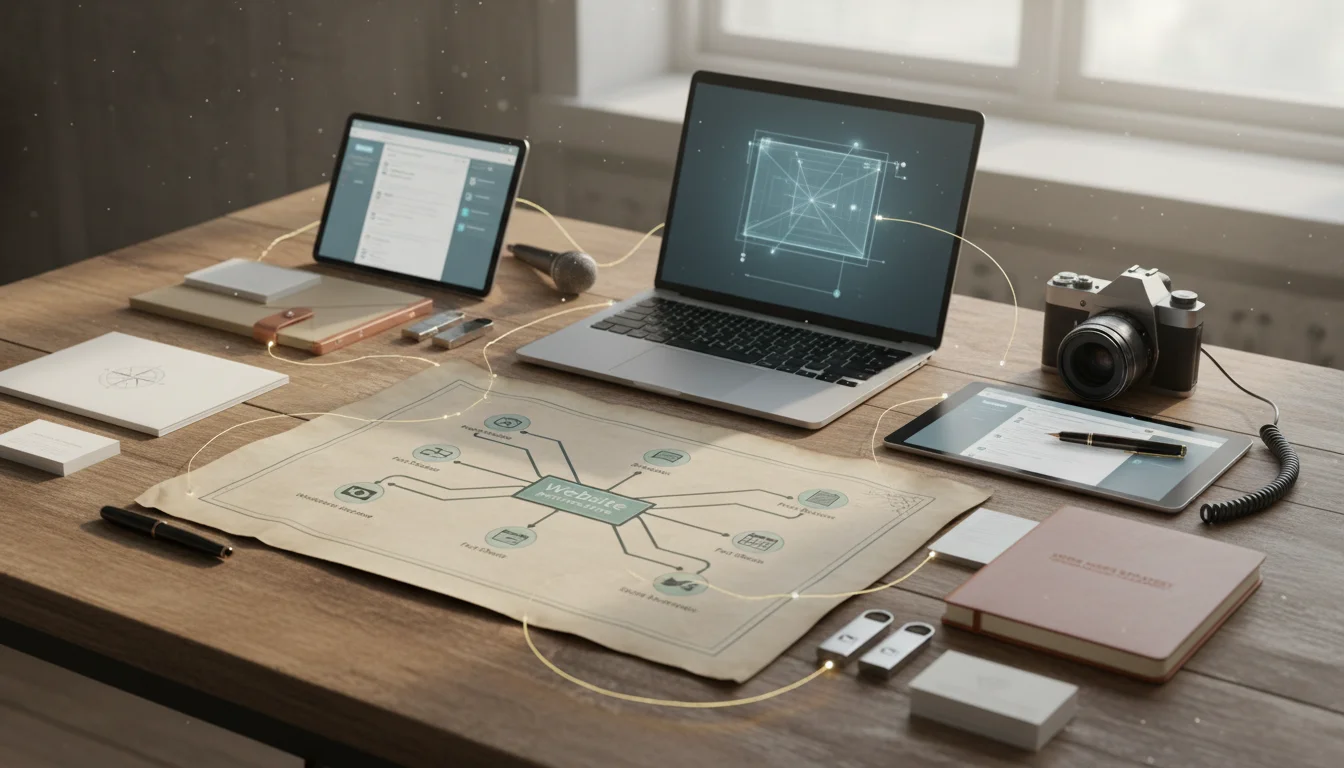
This is perhaps the most persistent and damaging myth. The idea that a press kit is a static collection of PDF documents, zipped and emailed upon request, is fundamentally flawed in 2026. Modern media professionals operate at an incredible pace. They need immediate access to information, not a download queue. A journalist on a deadline will not wait for you to compile and send files. The reality is that your press kit should be a dedicated, easily navigable section of your website. Think of it as a media hub, accessible 24/7. This allows you to update content in real-time, ensuring that any journalist or influencer always has the most current information, high-resolution images, and relevant statistics. A study by HubSpot Research found that companies with regularly updated online press resources secured 30% more media mentions compared to those relying on email attachments. This isn’t just about convenience. It’s about control and responsiveness. When you link directly to your press page, you control the narrative and the assets. We, as marketing professionals, often see the frustration from reporters when they receive outdated logos or low-resolution images because a company hasn’t updated their mailed-out “kit” in two years.
Myth 2: You Only Need to Include Your Logo and a Company Bio
While a logo and company bio are essential, they are far from sufficient for a complete press kit. Journalists are storytellers, and they need a rich mix of assets to craft compelling narratives. Limiting your kit to just the basics is like handing someone a single ingredient and asking them to bake a cake. It won’t happen. An effective press kit requires a diverse range of assets. This includes, but is not limited to: high-resolution product images (from multiple angles, lifestyle shots, and transparent backgrounds), professional headshots of key leadership (with brief, engaging bios), recent press releases, case studies or success stories with quantifiable results, data sheets, and even short, high-quality video clips or B-roll footage. For example, if your company manufactures smart home devices, include images of the device in various home settings, close-ups of its unique features, and perhaps a short demonstration video. According to Nielsen’s 2025 Media Consumption Report, visual content drives 78% higher engagement rates in news articles. Providing these visual elements pre-emptively saves journalists time and increases the likelihood they will feature your product or story prominently. I’ve personally seen instances where providing a ready-to-use infographic on market trends secured a feature in a major industry publication that would have otherwise gone to a competitor.
Myth 3: The More Information, the Better
The impulse to include every piece of information about your company in a press kit is understandable, but it’s a critical error. Overwhelming journalists with excessive detail can be as detrimental as providing too little. They are looking for concise, relevant information that helps them quickly understand your story and extract key facts. Think of it as a curated exhibition, not an archive. The goal is to provide enough detail to answer common questions and spark interest, without forcing the journalist to sift through irrelevant data. Your press kit should be organized with clear headings and navigation. Each section should be brief and to the point. For instance, your company boilerplate should be a tight 50 to 75 words, summarizing who you are, what you do, and what makes you unique. Don’t include your entire company history or internal organizational charts. A common mistake is providing extensive technical specifications for a product when a journalist only needs the high-level benefits and a few key features. As an article in the IAB’s “Digital Content Trends 2025” report highlighted, journalists spend an average of less than two minutes reviewing a press kit initially. If they can’t find what they need quickly, they’ll move on. Prioritize clarity and conciseness above all else.
Myth 4: A Press Kit is a One-Time Setup
Many businesses treat their press kit as a set-it-and-forget-it task, believing that once it’s built, it’s done for good. This couldn’t be further from the truth. The media field is constantly shifting, your company evolves, and so too must your press kit. A static press kit quickly becomes an outdated one, rendering it useless for future media opportunities. A truly effective press kit is a living document, requiring regular review and updates. You should schedule quarterly reviews to ensure all information is current. This includes updating leadership bios if there are personnel changes, adding new product launches, refreshing statistics, and incorporating recent media mentions. If your company just secured a significant Series B funding round, that announcement and its implications absolutely need to be reflected. Similarly, if your primary contact for media inquiries changes, update that information immediately. Nothing frustrates a journalist more than trying to reach an old email address or phone number. We advise clients to integrate their press kit updates into their broader content marketing calendar. This ensures consistency and prevents critical information from becoming stale. For example, if you’re launching a new feature on your SaaS platform in Q3 2026, ensure all relevant details, screenshots, and updated messaging are in the press kit before the official announcement.
Myth 5: You Don’t Need to Include Contact Information
It’s surprisingly common to find press kits that omit clear, direct contact information, or bury it deep within a general “contact us” page. This is a significant oversight. Journalists often work under tight deadlines and need immediate access to a human being who can answer specific questions or provide further context. Your press kit must prominently feature the direct contact details of your primary media liaison. This should include their full name, title, professional email address, and a direct phone number. Do not use a generic info@yourcompany.com email or a main switchboard number. Personalization and direct access build trust and facilitate communication. Imagine a journalist writing a breaking news story related to your industry. They might need a quote within the hour. If they can’t quickly find a direct contact, they will simply move on to a competitor who makes themselves available. According to a survey by eMarketer among B2B journalists, 85% stated that easily accessible direct contact information was a top factor in deciding whether to pursue a story. Make it easy for them to reach you. I always recommend a dedicated email address for media inquiries, like media@yourcompany.com, that funnels directly to the responsible individual or team. A well-crafted and continuously updated press kit is not merely a convenience. It is a fundamental pillar of successful media relations, helping journalists to tell your story accurately and compellingly.
What is the most critical element to include in a digital press kit?
The most critical element is a dedicated, easily navigable web page on your company’s official website that is the central repository for all media assets. This ensures constant access and real-time updates.
How often should a press kit be updated?
A press kit should be reviewed and updated at least quarterly, or immediately following any significant company news such as product launches, leadership changes, or major announcements. Regular updates ensure all information remains current and relevant.
Should I include testimonials or customer reviews in my press kit?
While testimonials are valuable, it is generally more effective to include well-documented case studies or success stories with quantifiable results rather than individual reviews. These provide more substantial evidence of your company’s impact for a journalist.
What image formats are best for a press kit?
Provide images in both high-resolution JPEG (for web use) and PNG (for transparent backgrounds or print use). Ensure they are unwatermarked and include appropriate captions or metadata for easy identification.
Is it necessary to include an “About Us” video in a press kit?
While not strictly necessary for every business, a concise, high-quality “About Us” or company overview video (under 2 minutes) can significantly enhance your press kit by providing a dynamic introduction to your brand and its mission. Ensure it’s easily embeddable.


