A Beginner’s Guide to Podcasts: Unleash Your Marketing Potential
Are you looking for a powerful way to connect with your audience, build brand authority, and drive traffic to your website? Look no further than podcasts. They offer an intimate and engaging medium for delivering valuable content, and their popularity is only growing. But where do you start? What equipment do you need? How do you even get your voice out there? This guide will walk you through everything you need to know to launch your own successful podcast and leverage it for marketing success. Are you ready to amplify your message?
Understanding the Power of Podcasts for Marketing
Podcasting has exploded in popularity in recent years, becoming a mainstream form of entertainment and information consumption. According to Edison Research, in 2026, an estimated 464 million people worldwide listen to podcasts, and this number is projected to continue its upward trajectory. This presents a massive opportunity for marketers to reach a highly engaged audience. But why are podcasts so effective for marketing?
- Enhanced Engagement: Podcasts allow for a deeper connection with your audience than traditional marketing methods. Listeners can tune in while commuting, exercising, or doing chores, making it a convenient and immersive experience.
- Building Authority: By consistently delivering valuable content on your podcast, you establish yourself as a thought leader in your industry. This builds trust and credibility with your audience, making them more likely to engage with your brand.
- Reaching a Niche Audience: Podcasts allow you to target a specific niche audience with tailored content. This focused approach ensures that your message resonates with the right people, maximizing your marketing ROI.
- Driving Website Traffic: By mentioning your website and other resources in your podcast episodes, you can drive traffic to your online platforms. This can lead to increased brand awareness, lead generation, and sales.
Based on internal marketing data from HubSpot, businesses that consistently produce high-quality podcast content see a 20% increase in website traffic compared to those that don’t.
Planning Your Podcast: Defining Your Niche and Audience
Before you start recording, it’s crucial to have a clear plan in place. This involves defining your niche, identifying your target audience, and crafting a compelling podcast concept.
- Choose a Niche: Select a specific topic or industry that you’re passionate about and knowledgeable in. This will help you attract a dedicated audience and establish yourself as an expert. Think about areas where you can provide unique insights or perspectives.
- Identify Your Target Audience: Who are you trying to reach with your podcast? Consider their demographics, interests, and pain points. This will help you tailor your content to their specific needs. Develop detailed listener personas to guide your content creation.
- Develop Your Podcast Concept: What will your podcast be about? What format will you use? Will you conduct interviews, share personal stories, or provide educational content? Develop a unique angle or perspective that will set your podcast apart from the competition. Consider a recurring segment or a unique narrative structure.
- Name Your Podcast: Choose a name that is memorable, relevant to your niche, and easy to pronounce. Check to see if the name is available as a domain name and on social media platforms.
- Create a Content Calendar: Plan out your episodes in advance to ensure consistency and avoid running out of ideas. Develop a content calendar that outlines the topics you’ll cover, the guests you’ll interview, and the release dates for each episode.
Essential Equipment and Software for Podcast Creation
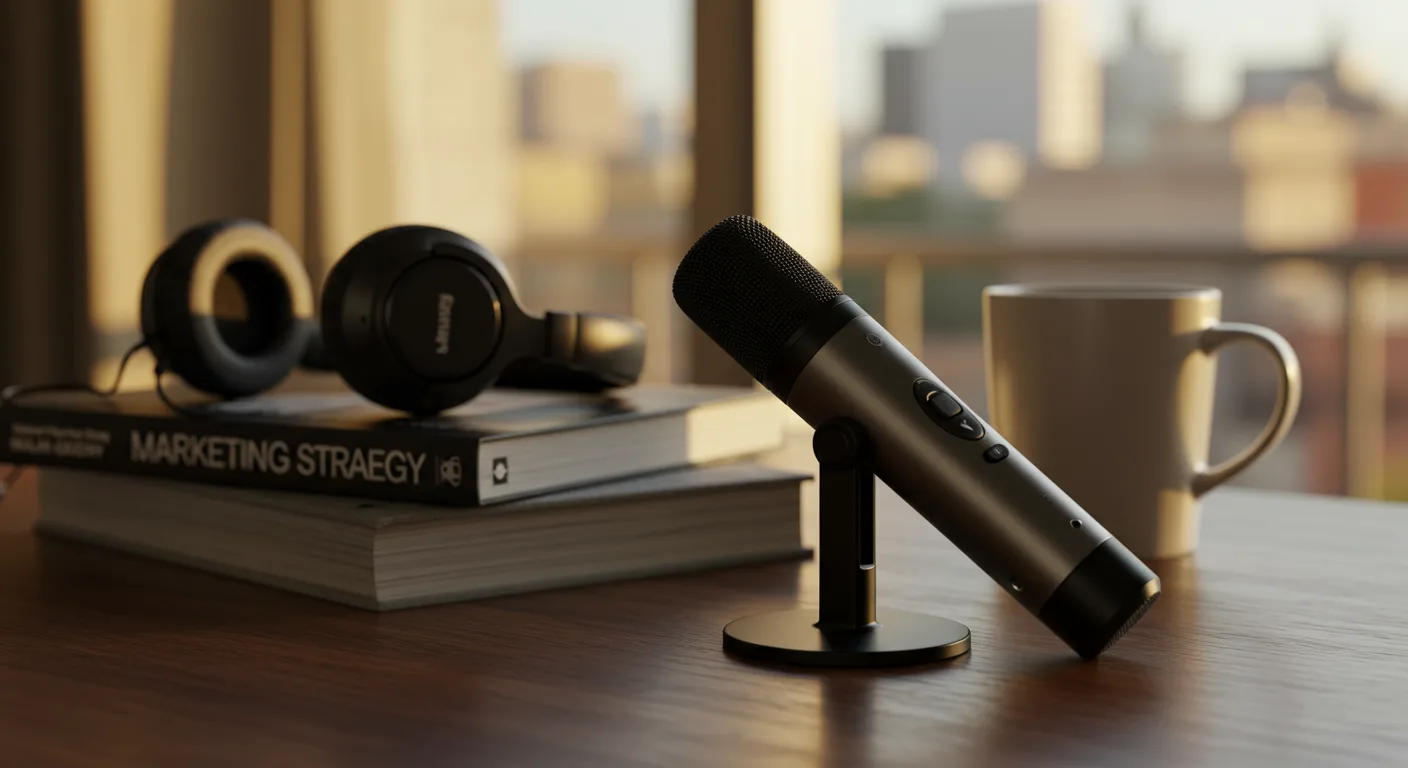
While you don’t need a professional studio to start a podcast, you will need some essential equipment and software to ensure high-quality audio.
- Microphone: Invest in a good-quality USB microphone. Popular options include the Rode NT-USB+ and the Blue Yeti.
- Headphones: Closed-back headphones are essential for monitoring your audio and preventing feedback.
- Recording Software: Audacity (free) and Adobe Audition (Adobe Audition) (paid) are popular choices for recording and editing audio.
- Editing Software: The same software used for recording can also be used for editing. Learn basic editing techniques to remove background noise, edit out mistakes, and add music or sound effects.
- Hosting Platform: Choose a podcast hosting platform to store your audio files and distribute your podcast to various platforms. Popular options include Buzzsprout, Libsyn, and Podbean.
According to a 2025 report by Podcast Insights, audio quality is the number one factor that listeners consider when deciding whether to subscribe to a podcast.
Recording and Editing Your Podcast: Tips for Quality Audio
Once you have your equipment and software set up, it’s time to start recording your podcast. Here are some tips for ensuring high-quality audio:
- Find a Quiet Recording Environment: Choose a room that is free from background noise, such as traffic, construction, or pets.
- Use a Pop Filter: A pop filter will help reduce plosives (those harsh “p” and “b” sounds) in your audio.
- Maintain Consistent Distance from the Microphone: Keep your mouth about 6-12 inches away from the microphone for optimal audio quality.
- Speak Clearly and Slowly: Enunciate your words and speak at a moderate pace to ensure that your listeners can understand you.
- Edit Your Audio Carefully: Remove any unnecessary pauses, background noise, or mistakes.
- Add Intro and Outro Music: Use royalty-free music to create a professional and engaging listening experience. Services like Epidemic Sound and Artlist offer a wide variety of tracks.
- Use Noise Reduction: Use noise reduction tools in your editing software to minimize background noise. Be careful not to overdo it, as this can degrade the audio quality.
Marketing Your Podcast: Reaching Your Target Audience
Creating a great podcast is only half the battle. You also need to market it effectively to reach your target audience.
- Promote on Social Media: Share your podcast episodes on social media platforms like Facebook, Twitter, LinkedIn, and Instagram. Use relevant hashtags to reach a wider audience.
- Guest Appearances: Guest on other podcasts in your niche to reach a new audience. This is a great way to cross-promote your podcast and gain new listeners.
- Email Marketing: Build an email list and send out regular newsletters to your subscribers. Include links to your latest podcast episodes and other valuable content.
- Search Engine Optimization (SEO): Optimize your podcast episodes for search engines by using relevant keywords in your titles, descriptions, and show notes.
- Create Transcripts: Create transcripts of your podcast episodes and publish them on your website. This will improve your SEO and make your content more accessible to those who prefer to read.
- Engage with Your Audience: Respond to comments and questions on social media and in your podcast reviews. This will help build a loyal following and create a sense of community.
A 2026 study by Edison Research found that podcast listeners are more likely to follow brands and make purchases from companies that they hear advertised on podcasts.
Monetizing Your Podcast: Generating Revenue from Your Content
Once you’ve built a loyal audience, you can start exploring ways to monetize your podcast.
- Advertising: Sell advertising slots on your podcast to businesses that are relevant to your audience.
- Sponsorships: Partner with companies to sponsor your podcast. This can involve promoting their products or services in your episodes.
- Affiliate Marketing: Promote products or services on your podcast and earn a commission for every sale that you generate.
- Premium Content: Offer exclusive content to paying subscribers, such as bonus episodes, behind-the-scenes footage, or access to a private community.
- Merchandise: Sell merchandise related to your podcast, such as t-shirts, mugs, or stickers.
- Donations: Accept donations from your listeners through platforms like Patreon or Buy Me a Coffee.
Podcasting offers a unique and powerful way to connect with your audience and build your brand. By following the steps outlined in this guide, you can launch your own successful podcast and leverage it for marketing success. Remember to focus on delivering valuable content, engaging with your audience, and promoting your podcast effectively.
Podcasts offer a significant opportunity for marketers to connect with audiences, build authority, and drive website traffic. By focusing on quality content, strategic marketing, and consistent engagement, you can harness the power of podcasts to achieve your business goals. Start planning your podcast today, and watch your brand reach new heights. What are you waiting for?
What is a podcast?
A podcast is an episodic series of audio or video files that users can download and listen to or watch. They are often focused on a specific topic or theme and can be consumed on various devices, such as smartphones, tablets, and computers.
How much does it cost to start a podcast?
The cost of starting a podcast can vary depending on the equipment and software you choose. You can start with free options like Audacity and a basic USB microphone. As you grow, you may want to invest in higher-quality equipment and paid hosting services, which can range from $10 to $50 per month.
How long should a podcast episode be?
There’s no magic number, but most podcasts range from 20 to 60 minutes. The ideal length depends on your content and your audience’s preferences. Shorter episodes can be easier to consume, while longer episodes allow for more in-depth discussions.
How do I get my podcast on Spotify and Apple Podcasts?
To get your podcast on Spotify and Apple Podcasts, you’ll need to submit your RSS feed to each platform. Your podcast hosting platform will typically provide instructions on how to do this.
How can I promote my podcast?
Promote your podcast through social media, email marketing, guest appearances on other podcasts, and SEO optimization. Engage with your audience and encourage them to leave reviews. Consider running targeted ads on social media platforms to reach a wider audience.



