A Beginner’s Guide to Podcasts: Your Path to Audio Marketing Success
Are you looking for a fresh way to connect with your audience and elevate your marketing strategy? Look no further than podcasts. This audio medium has exploded in popularity, offering a unique opportunity to reach listeners on the go. But how do you get started? What equipment do you need? And how do you ensure your podcast stands out from the crowd?
Understanding the Podcast Landscape and Audience Demographics
The world of podcasts is vast and varied. From true crime to business insights, there’s a podcast for nearly every interest. According to a 2026 report by Edison Research, approximately 70% of the US population has listened to a podcast, and 50% listen monthly. This represents a massive potential audience for your brand.
Understanding your target audience is crucial. Consider their interests, demographics, and listening habits. Are they professionals seeking industry knowledge? Busy parents looking for entertainment during their commute? Knowing your audience will inform your content strategy, tone, and even the length of your episodes.
Think about the types of podcasts that already exist in your niche. What are they doing well? Where are the gaps? Identifying these opportunities will help you carve out a unique space for your own show. Don’t be afraid to niche down. A highly focused podcast can attract a more engaged and loyal audience.
Essential Equipment and Software for Podcast Production
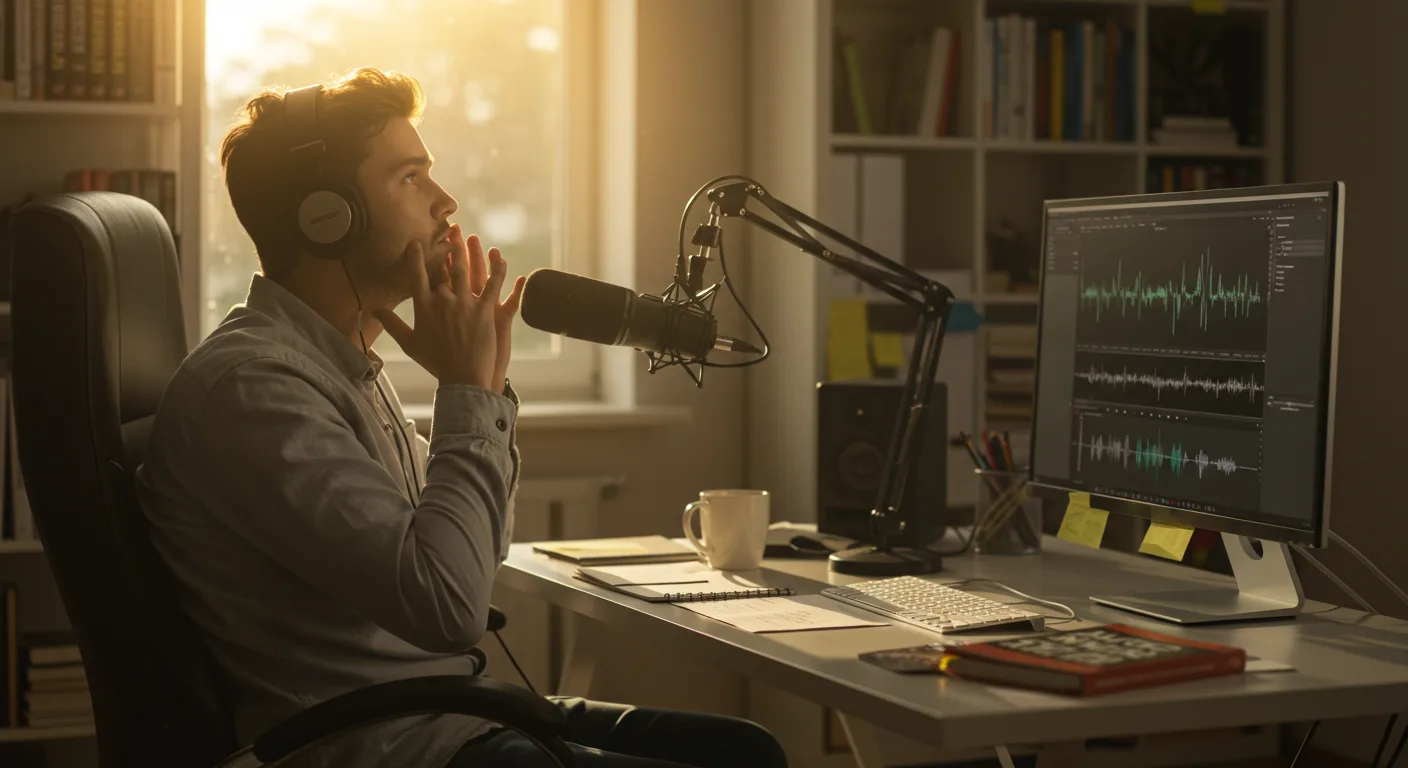
You don’t need a professional studio to create a high-quality podcast. However, investing in the right equipment and software is essential for producing clear, engaging audio. Here’s a breakdown of the basics:
- Microphone: A USB microphone is a great starting point. Brands like Blue Microphones and Rode offer excellent options for beginners.
- Headphones: Closed-back headphones are crucial for monitoring your audio and preventing feedback.
- Recording and Editing Software: Audacity is a free, open-source option that’s perfect for beginners. Adobe Audition offers more advanced features for experienced editors.
- Pop Filter and Shock Mount: These accessories help reduce unwanted noise and vibrations, improving the overall sound quality of your recordings.
- Quiet Recording Space: Find a quiet room with minimal echo. Closets and small rooms often work well.
Remember, audio quality is paramount. Listeners are more likely to tune out if your podcast sounds unprofessional.
As someone who has produced over 100 podcast episodes, I can attest to the importance of investing in good audio equipment from the start. It saves time and frustration in the long run.
Crafting Compelling Podcast Content and Episode Formats
Content is king, and that’s especially true for podcasts. Your episodes should be informative, engaging, and relevant to your target audience. Here are a few popular podcast formats to consider:
- Interview-Based: Interviewing industry experts or thought leaders can add credibility and variety to your podcast.
- Solo Commentary: Share your expertise and insights on specific topics. This format allows you to establish yourself as an authority in your field.
- Narrative Storytelling: Create engaging stories that captivate your listeners. This format is particularly effective for podcasts focused on history, true crime, or fiction.
- News and Current Events: Discuss the latest happenings in your industry or niche. This format requires staying up-to-date on current events.
Before recording, create a detailed outline for each episode. This will help you stay on track and ensure that you cover all the key points. Consider including a call to action at the end of each episode, such as asking listeners to subscribe, leave a review, or visit your website.
Effective Podcast Marketing Strategies for Growth
Creating a great podcast is only half the battle. You also need to promote it effectively to reach a wider audience. Here are some marketing strategies to consider:
- Social Media Promotion: Share your episodes on social media platforms like Facebook, Twitter, LinkedIn, and Instagram. Create visually appealing graphics and audiograms to capture attention.
- Cross-Promotion: Partner with other podcasters in your niche to cross-promote each other’s shows.
- Guest Appearances: Appear as a guest on other podcasts to reach a new audience.
- Email Marketing: Promote your podcast to your email subscribers.
- Search Engine Optimization (SEO): Optimize your podcast title, description, and episode notes with relevant keywords to improve search engine visibility.
- Podcast Directories: Submit your podcast to popular directories like Apple Podcasts, Spotify, and Google Podcasts.
- Paid Advertising: Consider running paid ads on podcast platforms or social media to reach a targeted audience.
According to a 2025 study by Buzzsprout, podcasts that actively promote their episodes on social media see a 30% increase in downloads.
Monetizing Your Podcast and Measuring Success
While building an audience is important, many podcasters also aim to monetize their shows. Here are a few common monetization strategies:
- Advertising: Sell advertising space to sponsors. This is a popular option for podcasts with a large and engaged audience.
- Affiliate Marketing: Promote products or services and earn a commission on sales.
- Premium Content: Offer exclusive content to paying subscribers.
- Merchandise: Sell branded merchandise, such as t-shirts, mugs, and stickers.
- Donations: Accept donations from listeners through platforms like Patreon.
To measure the success of your podcast, track key metrics such as downloads, listens, subscriber growth, and website traffic. Use podcast analytics platforms to gain insights into your audience’s listening habits and preferences. Chartable is a popular tool for podcast analytics.
In my experience, a combination of advertising and affiliate marketing is often the most effective monetization strategy for business-focused podcasts.
How long should my podcast episodes be?
There’s no magic number, but aim for a length that suits your content and your audience’s attention span. Many popular podcasts range from 30 minutes to an hour. Experiment to see what works best for you.
How often should I release new episodes?
Consistency is key. Releasing new episodes on a regular schedule (e.g., weekly or bi-weekly) will keep your audience engaged and coming back for more. Choose a schedule you can realistically maintain.
What’s the best way to record remote interviews?
Several platforms are designed for recording remote interviews, such as Zoom, SquadCast, and Riverside.fm. Ensure both you and your guest have a stable internet connection and a good microphone.
How can I improve my podcast’s audio quality?
Invest in a good microphone, use a pop filter and shock mount, record in a quiet space, and edit your audio carefully. Consider hiring a professional audio editor if you’re not comfortable doing it yourself.
What are some common mistakes to avoid when starting a podcast?
Failing to define your target audience, neglecting audio quality, not promoting your podcast effectively, and being inconsistent with your episode releases are all common mistakes. Plan carefully and learn from your experiences.
In conclusion, launching a successful podcast requires careful planning, consistent effort, and a commitment to providing valuable content. By understanding your audience, investing in the right equipment, and implementing effective marketing strategies, you can create a podcast that resonates with listeners and helps you achieve your business goals. Take the first step today by brainstorming episode ideas and outlining your content strategy. Your audio adventure awaits!




