Essential Equipment for High-Quality Podcasts
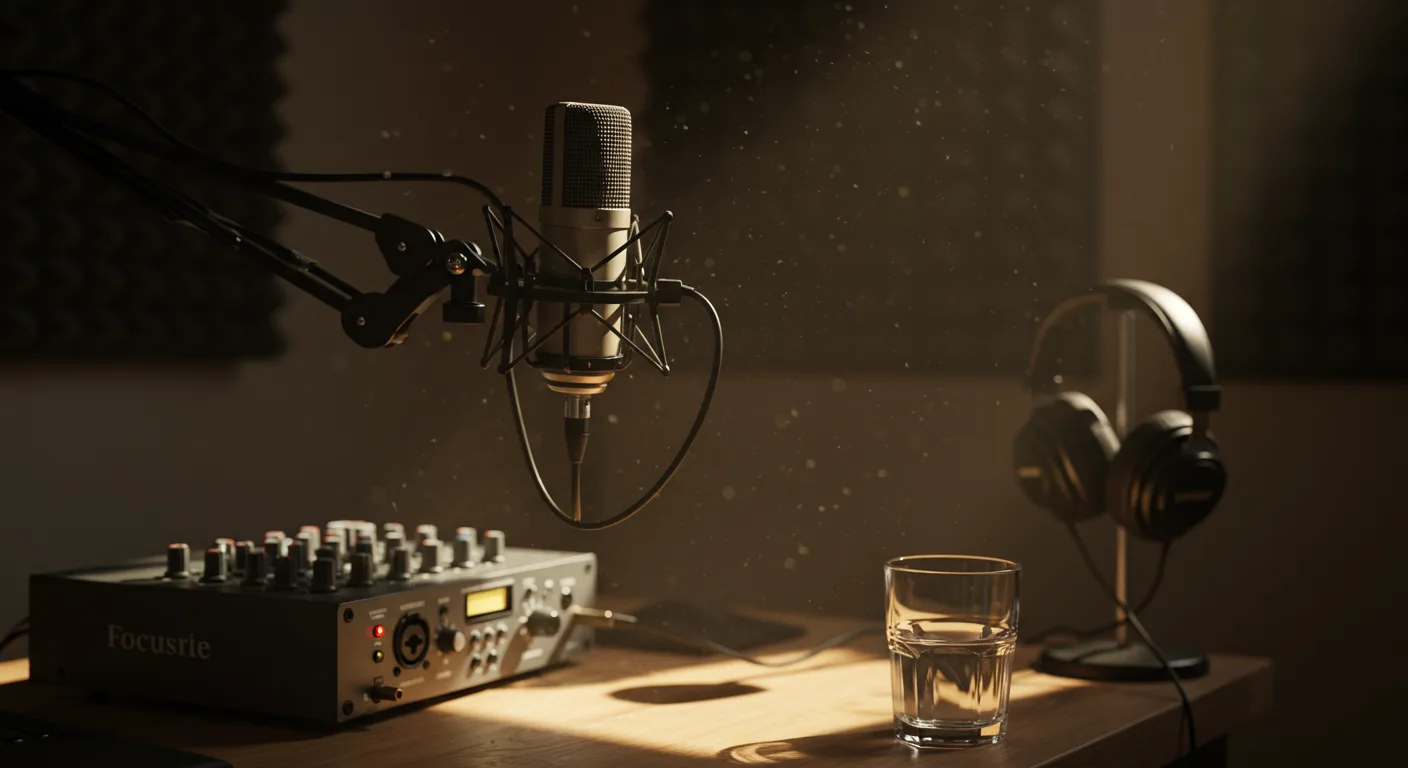
Creating a successful podcast starts with high-quality audio. You can’t rely solely on your built-in laptop microphone. Investing in the right equipment will significantly improve your podcast’s production value and keep listeners engaged. Here’s what you need:
- Microphone: A USB microphone like the Blue Yeti or a dynamic microphone like the Rode PodMic are excellent starting points. Dynamic microphones are particularly good at rejecting background noise, which is crucial for non-studio environments.
- Headphones: Closed-back headphones are essential for monitoring your audio and preventing feedback. Consider brands like Audio-Technica or Sony.
- Microphone Stand or Arm: A stable microphone stand or boom arm will keep your microphone in the optimal position and reduce unwanted vibrations.
- Pop Filter: A pop filter minimizes those harsh “p” and “b” sounds that can be distracting to listeners.
- Audio Interface (Optional): If you opt for an XLR microphone, you’ll need an audio interface to connect it to your computer. Interfaces like the Focusrite Scarlett series are popular choices.
Don’t underestimate the importance of a quiet recording environment. Even with the best equipment, background noise can ruin your audio. Consider using acoustic treatment like foam panels to dampen sound reflections in your recording space.
From my experience producing over 200 podcast episodes, investing in a quality microphone is the single most impactful upgrade you can make.
Podcast Hosting Platforms: Choosing the Right Home
Your podcast needs a home online where listeners can access it. Podcast hosting platforms store your audio files and distribute them to various podcast directories like Apple Podcasts, Spotify, and Google Podcasts. Choosing the right platform is crucial for reach and management.
Here are some popular options:
- Buzzsprout: A user-friendly platform with excellent analytics and marketing tools.
- Libsyn: One of the oldest and most reliable hosting platforms, known for its robust features and storage options.
- Anchor (by Spotify): A free platform that offers unlimited hosting and distribution. While free, it has limited monetization options.
- Captivate: Designed for professional podcasters, offering advanced analytics and marketing features.
When choosing a hosting platform, consider the following factors:
- Storage and Bandwidth: Ensure the platform offers enough storage and bandwidth for your needs, especially if you plan to release long episodes frequently.
- Analytics: Robust analytics are essential for tracking your podcast’s performance and understanding your audience.
- Distribution: The platform should seamlessly distribute your podcast to all major podcast directories.
- Monetization Options: If you plan to monetize your podcast, check the platform’s monetization options, such as advertising, subscriptions, or affiliate marketing.
- Pricing: Compare pricing plans and choose one that fits your budget.
Audio Editing Software: Polishing Your Episodes
Audio editing software is essential for removing mistakes, improving sound quality, and adding music or sound effects to your podcast episodes. While recording quality is important, editing is where you truly refine your content.
Here are some popular audio editing software options:
- Audacity: A free and open-source audio editor that offers a wide range of features.
- Adobe Audition: A professional-grade audio editor with advanced features for noise reduction, audio restoration, and mixing.
- Descript: A unique audio editor that allows you to edit audio by editing the transcript. It also offers features like automatic transcription and overdubbing.
- GarageBand: A free audio editor included with macOS, suitable for beginners and intermediate users.
Key editing tasks include:
- Removing silence and filler words: Tighten up your audio by removing unnecessary pauses and filler words like “um” and “ah.”
- Noise reduction: Use noise reduction tools to eliminate background noise and improve clarity.
- Adding intro and outro music: Create a professional-sounding podcast with custom intro and outro music.
- Balancing audio levels: Ensure consistent audio levels throughout the episode.
- Adding sound effects: Use sound effects to enhance the listening experience and add emphasis to certain points.
A recent study by Podcast Insights found that podcasts with professional audio editing have a 25% higher listener retention rate.
Transcription Services: Accessibility and SEO Benefits
Creating transcriptions of your podcast episodes offers numerous benefits, including improved accessibility for hearing-impaired listeners and enhanced SEO. Transcripts make your content more discoverable and shareable.
Here are some options for transcribing your podcast episodes:
- Otter.ai: An AI-powered transcription service that offers accurate and affordable transcriptions.
- Descript: As mentioned earlier, Descript also offers automatic transcription as part of its audio editing features.
- Rev: A popular transcription service that uses human transcribers for high accuracy.
- Happy Scribe: Another AI-powered transcription service with multilingual support.
Once you have a transcript, you can:
- Publish it on your website: Including transcripts on your website can significantly improve your SEO by providing search engines with more text to crawl and index.
- Use it for social media: Create quote images or short video clips with captions from your transcript to promote your podcast on social media.
- Create show notes: Use the transcript as a basis for creating detailed show notes that summarize the key points of the episode.
According to Google’s Search Advocate, John Mueller, transcripts can help Google better understand the content of your podcast and improve its search ranking.
Podcast Marketing Tools: Growing Your Audience
Creating great content is only half the battle. You also need to market your podcast effectively to reach a wider audience. There are many tools available to help you promote your podcast and grow your listener base.
Here are some essential podcast marketing tools:
- Social Media Management Tools: Use tools like Buffer or Hootsuite to schedule and manage your social media posts. Share snippets of your episodes, behind-the-scenes content, and engage with your audience.
- Email Marketing Platforms: Build an email list and use platforms like Mailchimp or ConvertKit to send out newsletters, episode announcements, and exclusive content to your subscribers.
- Podcast Promotion Platforms: Consider using podcast promotion platforms like Podchaser or DiscoverPods to increase your podcast’s visibility and reach new listeners.
- Analytics Platforms: Use analytics platforms like Google Analytics (connected to your podcast website) and your podcast hosting platform’s analytics to track your podcast’s performance and identify areas for improvement. Monitor metrics like downloads, listener demographics, and engagement.
- Guest Outreach Tools: Use tools like Pitchbox or Hunter.io to find and contact potential guests for your podcast. Guest appearances can significantly expand your reach and introduce your podcast to new audiences.
Don’t underestimate the power of cross-promotion. Partner with other podcasters in your niche to promote each other’s podcasts. This can be a highly effective way to reach a relevant audience and grow your listener base.
Monetization Strategies and Tools for Podcasts
Once you’ve built a solid audience, you can explore various monetization strategies to generate revenue from your podcast. Several tools can help you implement these strategies effectively.
Here are some popular monetization options:
- Advertising: Sell advertising space to sponsors. You can use platforms like Midroll or AdvertiseCast to connect with potential advertisers.
- Affiliate Marketing: Promote products or services and earn a commission on each sale. Use affiliate marketing platforms like Amazon Associates or ShareASale to find relevant products to promote.
- Subscriptions: Offer exclusive content or ad-free listening to subscribers. Platforms like Patreon or Memberful can help you manage your subscription program.
- Merchandise: Sell merchandise related to your podcast, such as t-shirts, mugs, or stickers. Use platforms like Shopify or Printful to create and sell your merchandise.
- Donations: Accept donations from listeners who appreciate your content. Platforms like Buy Me a Coffee or PayPal can make it easy for listeners to support your podcast.
Remember to be transparent with your audience about your monetization strategies. Building trust is essential for long-term success.
A 2025 report by Statista projects that podcast advertising revenue will reach $4 billion by the end of 2026, highlighting the growing potential for monetization in the podcasting industry.
What’s the most important piece of equipment for starting a podcast?
While all equipment plays a role, a good quality microphone is the most crucial. It directly impacts the audio quality, which is essential for listener engagement.
How much should I spend on podcasting equipment when starting out?
You can start with a budget of around $100-$300 for a decent USB microphone, headphones, and a pop filter. As you grow, you can invest in more advanced equipment.
Is free podcast hosting a good option?
Free hosting platforms like Anchor are suitable for beginners, but they often have limitations in terms of monetization, analytics, and storage. Consider upgrading to a paid plan as your podcast grows.
How important is audio editing for podcasts?
Audio editing is crucial for polishing your episodes, removing mistakes, and improving sound quality. It can significantly enhance the listening experience and increase listener retention.
How can I promote my podcast effectively?
Effective podcast promotion involves using social media, email marketing, guest appearances, and cross-promotion with other podcasters. Consistency and engagement are key to growing your audience.
Creating and marketing podcasts requires a strategic approach and the right tools. Investing in quality equipment, selecting the right hosting platform, and mastering audio editing are crucial steps. Transcribing your episodes enhances accessibility and SEO, while effective marketing strategies help you grow your audience. Finally, exploring monetization options allows you to generate revenue from your hard work. What will you do to enhance your podcast today?




