 By Renato Vega
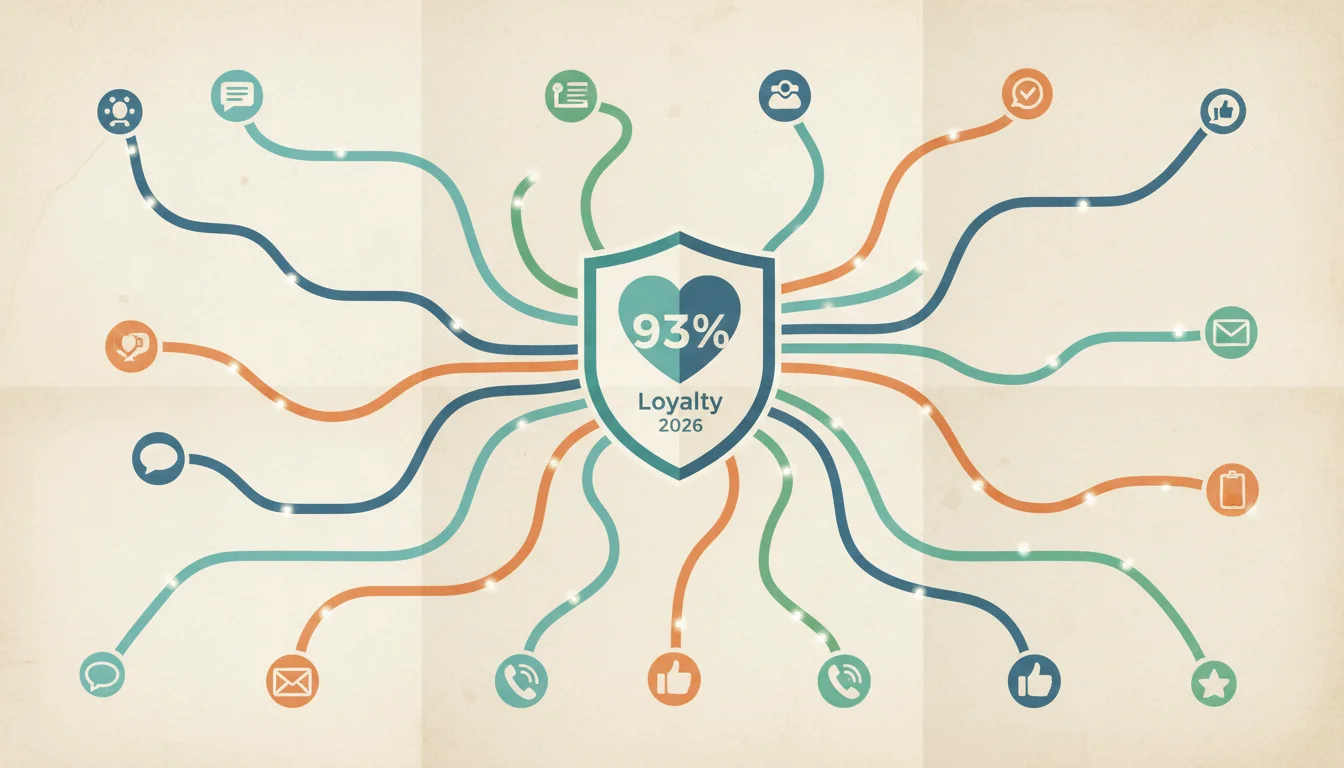
There’s a staggering amount of misinformation circulating about how to effectively engage customers, especially when it comes to personalized messaging, which promises to drive 93% loyalty. Many businesses still operate on outdated assumptions, missing critical opportunities to connect meaningfully with their audience.
Key Takeaways
- Implement dynamic content blocks in email campaigns to tailor product recommendations based on individual browsing history, increasing click-through rates by up to 20%.
- Use A/B testing for subject lines and call-to-actions in SMS marketing to identify specific language that resonates most with different customer segments, improving conversion rates by 5-10%.
- Integrate CRM data with your marketing automation platform to segment customers by purchase frequency and value, enabling hyper-targeted promotions that reduce churn by 15%.
- Use AI-powered chatbots for instant, personalized customer service responses, reducing resolution times and boosting satisfaction scores by over 10%.
Myth 1: Personalization is Just About Adding a Customer’s First Name
The idea that simply inserting “Hello [First Name]” into an email constitutes effective personalization is a relic of early digital marketing. While it’s a starting point, it barely scratches the surface of what modern personalized messaging can achieve. Customers in 2026 expect far more. A recent report by HubSpot found that generic name personalization alone has a negligible impact on engagement compared to more sophisticated strategies. Real personalization involves understanding a customer’s behaviors, preferences, and journey with your brand. This means tailoring content, product recommendations, and even communication channels based on their past interactions, purchase history, and stated interests. For example, if a customer frequently browses running shoes on your e-commerce site, personalized messages should highlight new arrivals in that category, offer related accessories like performance socks, or even provide content about training tips for runners. This moves beyond a superficial greeting to delivering genuinely relevant value. Ignoring this deeper level of personalization is like offering a customer a glass of water when they’ve clearly indicated they prefer coffee. You’re technically serving them, but you’re missing the mark on their actual need.
Myth 2: All Customers Want the Same Type of Personalized Message
This myth assumes a monolithic customer base, where a single approach to personalized communication will resonate universally. Nothing could be further from the truth. Customer segments, even within a single target demographic, can have vastly different preferences for how and when they want to receive messages. A eMarketer analysis highlighted that while some customers prefer email updates for promotions, others might respond better to SMS alerts for shipping notifications or in-app messages for exclusive content. The channel itself is part of the personalization strategy. Beyond channels, consider the content. A new customer might appreciate a welcome series introducing them to your brand’s full range of offerings, while a loyal, high-value customer might expect early access to sales or invitations to exclusive events. Treating all customers as identical overlooks the nuanced data available from their interactions. For instance, a customer who abandoned a shopping cart might need a reminder with a small incentive, whereas a repeat buyer might benefit from a “thank you” message and a loyalty program update. The key is to segment your audience not just by demographics, but by their behavior, engagement levels, and lifecycle stage. Without this granular segmentation, your “personalized” messages risk feeling generic, or worse, intrusive.
Myth 3: Personalization is Too Complex and Expensive for Most Businesses
The perception that personalized messaging requires massive budgets and complex AI systems is a significant barrier for many businesses. While advanced AI-driven solutions exist, effective personalization can start with readily available tools and strategic thinking. Most modern marketing automation platforms, like Salesforce Marketing Cloud or Mailchimp, now include strong segmentation capabilities and dynamic content features that allow for sophisticated personalization without custom coding. For example, setting up automation rules based on customer actions (e.g., “if customer views product X three times, send email about product X”) is a straightforward process. The cost often comes down to the time invested in defining segments and crafting relevant content, not necessarily exorbitant software licenses. Small businesses can even begin with simple email list segmentation based on initial sign-up preferences or past purchases. The return on investment for even basic personalization often far outweighs the initial effort. Consider how much more valuable a precisely targeted message is compared to a mass broadcast that most recipients ignore. The real expense lies in not personalizing, as it leads to wasted marketing spend and missed opportunities for customer connection.
Myth 4: Data Privacy Concerns Outweigh the Benefits of Personalization
Data privacy is a legitimate and critical concern, and businesses must always adhere to regulations like GDPR and CCPA. However, the fear of privacy backlash often leads to an overcorrection, where businesses avoid personalization altogether. This is a false dilemma. Responsible data collection and transparent usage practices are entirely compatible with effective personalization. Customers are generally willing to share data if they perceive a clear benefit and trust that their information is handled securely. A IAB report indicated that consumers are more likely to engage with brands that offer personalized experiences, provided those brands are transparent about data use. The issue isn’t personalization itself, but rather how data is collected and used. Businesses should focus on first-party data, obtained directly from customer interactions and with explicit consent. This includes purchase history, website browsing behavior, and explicit preferences indicated through surveys or preference centers. Avoid third-party data if you’re concerned about privacy implications, and always ensure your privacy policy is clear and accessible. Building trust through transparency allows for personalized experiences that customers appreciate, rather than resent. It’s about respect for the customer, not avoidance of personalization.
Myth 5: Once Personalized, Always Personalized: Set It and Forget It
The idea that a personalized messaging strategy, once implemented, will remain effective indefinitely is a dangerous misconception. Customer preferences, market trends, and even individual circumstances evolve constantly. What resonated with a customer last year might be irrelevant today. A static personalization strategy quickly becomes obsolete. Effective personalized messaging requires continuous monitoring, testing, and refinement. This means regularly analyzing engagement metrics for different segments, A/B testing subject lines and call-to-actions, and updating content based on new product launches or seasonal events. For instance, a customer who previously purchased baby products will eventually need toddler items, and then children’s wear. Your messaging needs to anticipate and adapt to these life stages. Tools that offer real-time analytics and allow for dynamic content updates are invaluable here. Many platforms, like Adobe Experience Cloud, enable marketers to adjust campaigns on the fly based on performance data. Without this iterative approach, even the most well-designed initial personalization efforts will eventually lose their impact, leading to declining engagement and loyalty. It’s a living strategy, not a one-time setup.
Myth 6: Personalization is Only for E-commerce or Digital Products
While digital platforms offer clear advantages for implementing personalized messaging, the benefits extend far beyond e-commerce or software-as-a-service. Any business that interacts with customers can benefit from tailoring its communications. Consider a local service provider, like a dental clinic in Atlanta. Instead of generic appointment reminders, a personalized message could include specific instructions for an upcoming procedure, follow-up care tips based on a patient’s recent treatment, or even birthday greetings with a special offer for a cleaning. A restaurant could send personalized promotions based on a customer’s past orders or dietary preferences. Even B2B companies can personalize their outreach by tailoring case studies or whitepapers to the specific industry and challenges of a prospective client. The principle remains the same: understanding the individual’s needs and delivering relevant information or offers. The channels might differ (in-person, phone calls, direct mail), but the core concept of delivering highly relevant messages based on individual data holds true. Neglecting personalization in non-digital contexts means missing out on significant opportunities to build stronger customer relationships and foster loyalty. Effective personalized messaging is not a luxury, but a necessity for building enduring customer loyalty. By debunking these common myths and adopting a data-driven, customer-centric approach, businesses can move beyond superficial tactics to create truly meaningful connections that drive engagement and retention.
What is dynamic content in personalized messaging?
Dynamic content refers to sections within an email, website, or app that change based on specific user data or characteristics. For example, a single email template can display different product recommendations or promotional offers to various recipients based on their browsing history, past purchases, or demographic information, all within the same message. This allows for highly relevant content without creating individual messages for each customer.
How can I start implementing personalized messaging with limited resources?
Begin by segmenting your existing customer base into broad categories based on easily accessible data, such as purchase frequency (new vs. repeat customers) or last interaction date. Use your current email marketing platform to create basic automated campaigns tailored to these segments, like a welcome series for new sign-ups or a re-engagement email for inactive customers. Focus on delivering value and relevance in these initial efforts, then gradually expand as you collect more data and resources.
What are the most important metrics to track for personalized messaging success?
Key metrics include open rates, click-through rates (CTR), conversion rates (e.g., purchases, sign-ups), and customer retention rates. For email, also monitor unsubscribe rates to ensure your personalization isn’t becoming intrusive. Analyzing these metrics by different customer segments helps identify which personalization strategies are most effective and where adjustments are needed.
How often should I update my personalized messaging strategies?
Personalized messaging strategies should be continuously monitored and updated. While core automation flows might remain stable for longer periods, individual campaign content, product recommendations, and promotional offers should be refreshed regularly based on performance data, seasonal trends, and new product launches. A good practice is to review performance monthly and make minor adjustments, with a more complete strategy review quarterly.
Can personalized messaging improve customer service?
Absolutely. By integrating customer data with your customer service tools, agents can access a complete view of a customer’s history, preferences, and recent interactions. This allows them to provide more informed, empathetic, and efficient support, leading to higher customer satisfaction. Personalized service can also involve proactive outreach based on anticipated needs or issues, further enhancing the customer experience.


