 By Editorial Team
A staggering 71% of consumers expect personalized interactions from brands in 2026, a figure that shows the imperative for sophisticated audience segmentation strategies. This isn’t just about addressing customers by their first name. It’s about delivering content relevance that resonates deeply with individual needs and preferences. How prepared is your content strategy to meet these heightened expectations?
Key Takeaways
- Implement a minimum of three distinct audience segments based on demographic, psychographic, and behavioral data to improve content engagement.
- Prioritize dynamic content delivery platforms that allow for real-time adjustments to messaging based on user interactions.
- Allocate at least 25% of your content creation budget to developing highly specific content variations for your top-performing segments.
- Integrate CRM data with your marketing automation platform to ensure smooth data flow for personalized campaign execution.
Only 16% of Marketers Fully Use AI for Segmentation
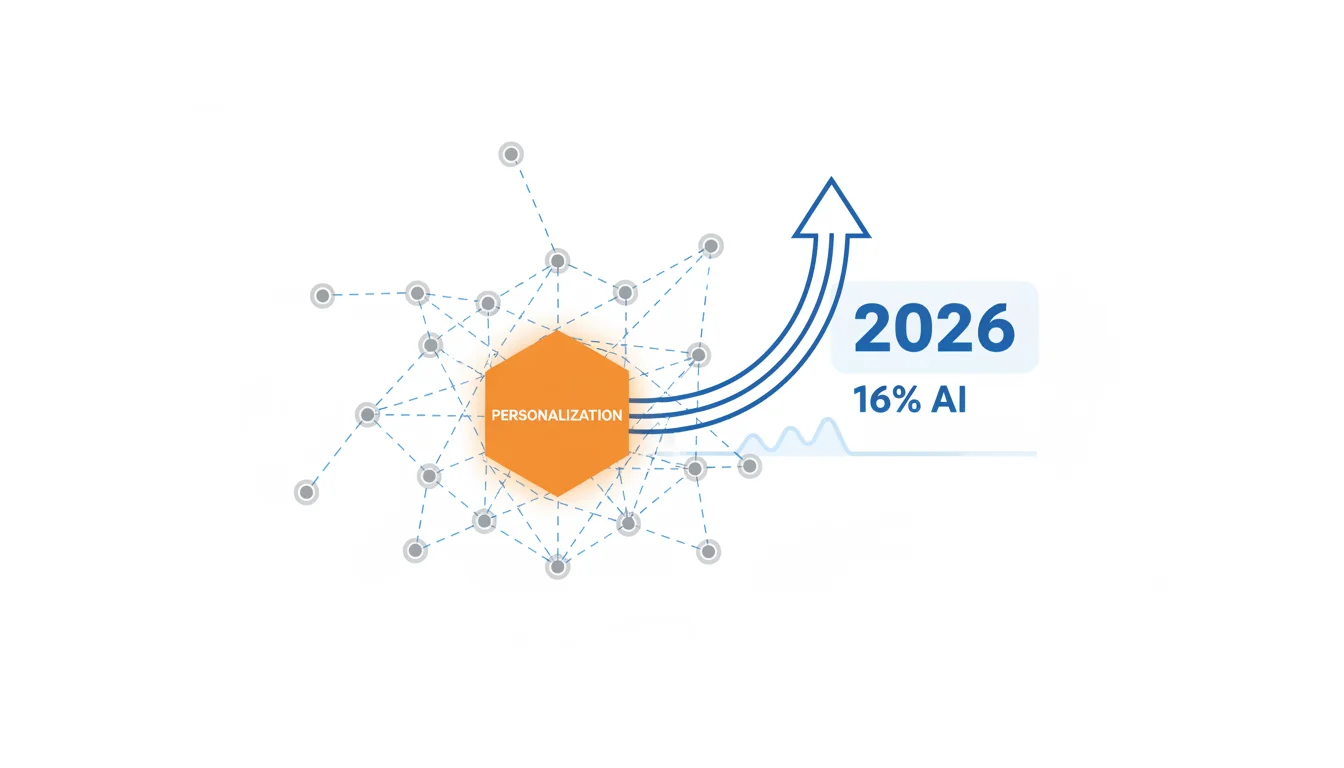
Despite the clear demand for personalization, a recent IAB report revealed that a mere 16% of marketers fully use artificial intelligence (AI) for advanced audience segmentation. This statistic is alarming because it points to a significant gap between aspiration and execution. We have the tools, yet many organizations are still relying on rudimentary segmentation methods, like age or geographic location alone. AI can process vast datasets, identifying nuanced patterns and micro-segments that human analysts might miss. For instance, an AI-driven platform can analyze purchase history, browsing behavior, and even sentiment from social media interactions to group users with similar, often non-obvious, motivations. This level of insight allows for predictive segmentation, anticipating future needs rather than reacting to past actions. My experience working with various marketing teams confirms this: those who invest in AI-powered segmentation platforms, such as Salesforce Marketing Cloud’s Einstein features, consistently report higher conversion rates and improved customer lifetime value.
Personalized CTAs Convert 202% Better
Data from HubSpot indicates that calls to action (CTAs) personalized to the user convert 202% better than generic CTAs. This isn’t a minor improvement. It’s a monumental shift in effectiveness. Imagine the impact on your lead generation and sales funnels if every single prompt was tailored to the user’s specific stage in their buying journey or their expressed interests. A generic “Learn More” button might perform adequately, but a CTA like “Download Your Guide to Advanced CRM Integration” presented to a user who just read an article on CRM challenges will yield dramatically superior results. This demands more than just basic segmentation. It requires understanding the user’s immediate context and intent. We often see marketers creating content variations but then failing to personalize the gateway to that content. The CTA is that gateway. It needs to speak directly to the segment’s pain points or aspirations. Without this level of precision, even the most relevant content can go unengaged.
80% of Consumers Are More Likely to Purchase from Brands Offering Personalized Experiences
According to an Emarketer study on consumer behavior, 80% of consumers are more likely to purchase from a brand that offers personalized experiences. This statistic isn’t surprising, but its consistently high recurrence across various studies emphasizes an immutable truth: consumers value being treated as individuals. Generic, one-size-fits-all marketing messages are increasingly ignored. Think about the last time you received an email promoting a product completely irrelevant to your interests. It likely went straight to the trash, or worse, marked as spam. Effective personalized marketing, driven by strong audience segmentation, builds trust and rapport. When a brand demonstrates it understands your needs, it encourages a sense of loyalty. This extends beyond just product recommendations. It includes personalized service interactions, tailored content suggestions, and even customized loyalty programs. Brands that fail to adapt here are simply leaving money on the table, and they risk alienating their customer base entirely. It’s not just about what you sell, it’s about how you sell it, and the ‘how’ increasingly means ‘personally’.
Only 42% of Companies Report Having a Documented Personalization Strategy
Despite the overwhelming evidence supporting personalization, a report from Statista in early 2026 found that only 42% of companies have a documented personalization strategy. This is where conventional wisdom often goes awry. Many organizations believe they are “doing personalization” because they send out segmented email campaigns or use dynamic content blocks on their website. However, a true personalization strategy involves a well-rounded approach, integrating data across all touchpoints, defining clear objectives for each segment, and establishing metrics for success. Without a documented strategy, efforts often become fragmented, inconsistent, and in the end ineffective. It’s not enough to just do personalization. You need a blueprint for how you’re going to do it, consistently, across your entire customer journey. This includes defining data collection protocols, consent management, content governance for segment-specific assets, and the technology stack required to execute. My professional opinion is that this lack of documentation reflects a broader organizational challenge: an inability to translate the clear benefits of personalization into a structured, scalable operational plan. It’s easy to get excited about the idea, much harder to implement it rigorously.
The conventional wisdom often suggests that extensive audience segmentation is an expensive, time-consuming endeavor best left to enterprise-level organizations. I strongly disagree. While the scale of implementation might differ, the principles of audience segmentation and personalized marketing are accessible and beneficial for businesses of all sizes. Even a small local business in Atlanta, perhaps a boutique on Peachtree Street, can segment its customer base. They could use simple CRM tags to differentiate between “seasonal shoppers” and “regular patrons,” or “event-specific buyers” versus “casual browsers.” The key isn’t necessarily a multi-million-dollar AI platform. It’s the mindset of understanding and addressing distinct customer groups with relevant messages. Start with basic demographic and behavioral data you already possess. Analyze purchase frequency, average order value, or even newsletter open rates. These simple data points can inform more targeted email campaigns or in-store promotions, proving that effective personalization isn’t solely the domain of tech giants. It’s about strategic thinking, not just massive budgets.
The future of effective marketing hinges on the ability to move beyond generic communication and embrace a truly individualized approach. By strategically implementing strong audience segmentation, businesses can ensure their content relevance, leading to significantly higher engagement and conversion rates. The data unequivocally supports this shift, and those who adapt will be the ones who truly connect with their audience.
What is audience segmentation in marketing?
Audience segmentation in marketing is the process of dividing a target market into smaller, more defined groups based on shared characteristics. These characteristics can include demographics (age, gender, income), psychographics (interests, values, lifestyle), behavior (purchase history, website activity), or geography.
Why is personalized content important for marketing success?
Personalized content is important because it directly addresses the individual needs and preferences of consumers, making marketing messages more relevant and engaging. This relevance leads to higher open rates, click-through rates, increased conversions, and stronger customer loyalty, as evidenced by consumer preferences for tailored experiences.
What types of data are essential for effective audience segmentation?
Essential data types for effective audience segmentation include demographic data (age, income, location), psychographic data (interests, values, opinions, lifestyle), behavioral data (purchase history, website visits, email engagement, app usage), and transactional data (average order value, purchase frequency).
How does AI contribute to advanced audience segmentation?
AI contributes to advanced audience segmentation by analyzing vast amounts of data to identify complex patterns and create micro-segments that might be imperceptible to human analysis. AI can predict future behaviors, optimize segment definitions in real-time, and automate the delivery of highly personalized content.
Can small businesses effectively implement audience segmentation?
Yes, small businesses can effectively implement audience segmentation by starting with basic data points they already collect, such as customer purchase history or email engagement. Even simple segmentation based on a few key characteristics can yield significant improvements in content relevance and marketing effectiveness without requiring extensive technological investments.


