 By Angela Smith
Achieving an executive edge in today’s competitive market demands more than just broad campaigns. It requires a strategic shift towards personalized marketing experiences that resonate deeply with individual customers. This approach moves beyond demographic segmentation to truly understand and anticipate customer needs, fostering loyalty and driving measurable growth. The goal is to make every interaction feel bespoke, as if the brand is speaking directly to one person. How can businesses systematically implement such a tailored strategy?
Key Takeaways
- Implement a Customer Data Platform (CDP) like Segment or Salesforce CDP to unify customer data from at least five distinct sources, creating a single, actionable customer view.
- Develop detailed customer segments based on behavioral data, purchase history, and engagement patterns, not just demographics, to enable hyper-targeted messaging.
- Use AI-powered personalization engines, such as Dynamic Yield or Optimizely, to deliver real-time content, product recommendations, and offers across web, email, and mobile channels.
- Establish A/B testing frameworks for every personalized element, from email subject lines to website layouts, to continuously refine and improve campaign performance.
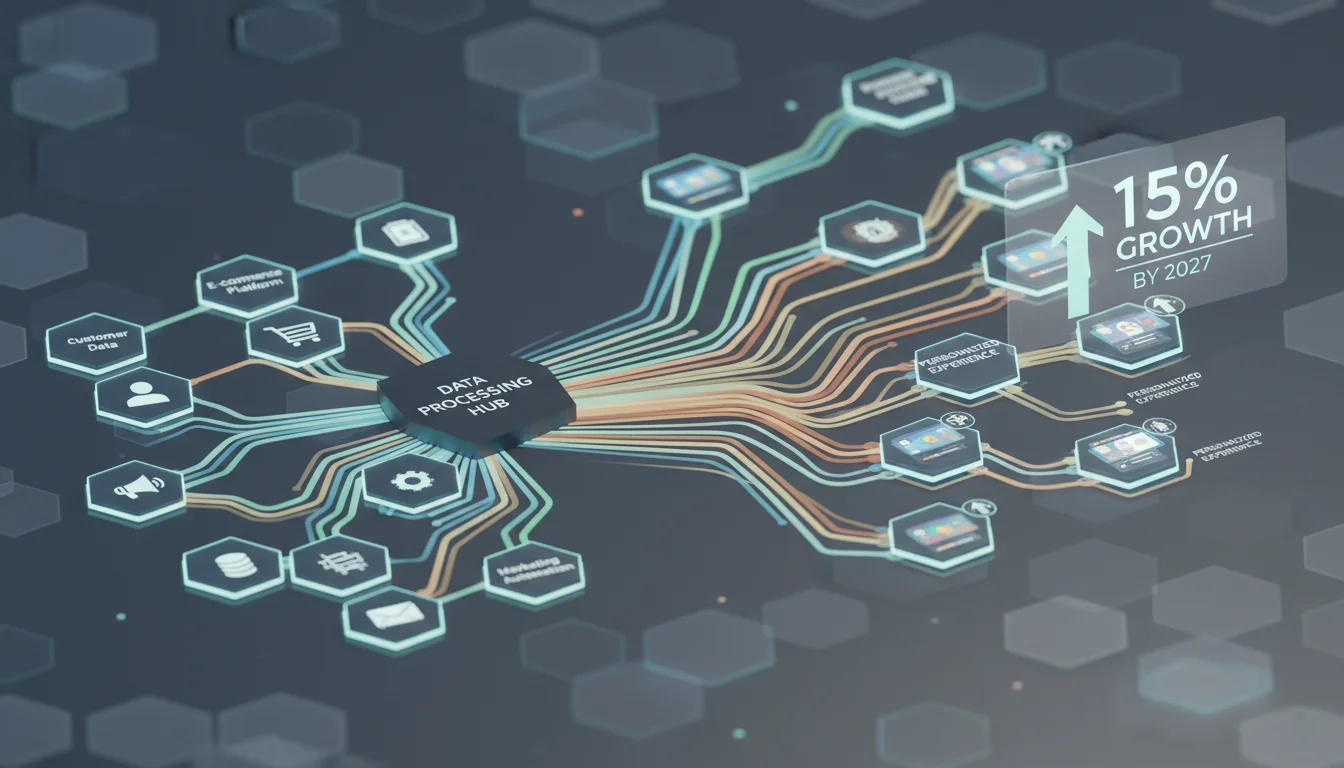
- Measure the impact of personalization through key metrics like conversion rates, customer lifetime value (CLTV), and average order value (AOV), aiming for a minimum 15% increase in conversion within the first year.
1. Consolidate and Cleanse Your Customer Data
The foundation of any effective personalized marketing strategy is a complete, accurate understanding of your customers. This begins with consolidating data from every touchpoint into a unified platform. Think about all the places customer information might reside: CRM systems, email marketing platforms, e-commerce transaction logs, customer service interactions, and even social media engagements. Without a single source of truth, personalization efforts become fragmented and ineffective.
I recommend implementing a strong Customer Data Platform (CDP). Tools like Segment, Salesforce CDP, or Tealium are designed specifically for this purpose. They collect, unify, and activate customer data across various systems, building persistent, actionable customer profiles. The initial setup requires careful planning, often involving data mapping and integration with at least five distinct data sources. For instance, integrate your e-commerce platform (e.g., Adobe Commerce), your email service provider (Mailchimp or Braze), your CRM (Salesforce Sales Cloud), your customer support system (Zendesk), and your website analytics (Google Analytics 4).
Pro Tip: Data Governance is Non-Negotiable
Before you even begin consolidating, establish clear data governance policies. Define who owns the data, how it’s collected, stored, and used, and ensure compliance with privacy regulations like GDPR and CCPA. Neglecting this step will lead to messy data, legal headaches, and a complete breakdown of trust with your customers. A unified customer profile is only valuable if it’s built on clean, consent-driven data.
Common Mistake: Thinking a CRM is a CDP
Many businesses mistakenly believe their CRM can handle all their data unification needs. While CRMs are excellent for managing sales and customer service interactions, they often lack the real-time data ingestion, identity resolution, and activation capabilities of a true CDP. A CDP builds a complete view of the customer across all touchpoints, not just those directly managed by sales or support.
2. Segment Your Audience Beyond Demographics
Once your data is unified, the next step is to create intelligent audience segments. Generic demographic segmentation (e.g., “females, 25-34”) is no longer sufficient for meaningful personalization. Instead, focus on behavioral, psychographic, and value-based segmentation. What actions do customers take? What are their preferences? How valuable are they to your business?
Consider creating segments based on criteria such as:
- Purchase History: First-time buyers, repeat purchasers, high-value customers, customers who haven’t purchased in 90 days.
- Engagement Level: Highly engaged email subscribers, frequent website visitors, users who abandoned their cart, inactive users.
- Product Interest: Customers who viewed specific product categories, added items to a wishlist, or interacted with particular content.
- Lifecycle Stage: New leads, active customers, churn risks, loyal advocates.
- Value: Segment by Customer Lifetime Value (CLTV) to identify your most profitable customers and tailor exclusive offers.
Within your CDP or marketing automation platform (e.g., Marketo Engage, HubSpot Marketing Hub), you can set up dynamic segments. For example, a segment named “High-Value Cart Abandoners” could automatically include users who have spent over $200 on your site previously, added items totaling more than $150 to their cart in the last 24 hours, but did not complete the purchase. This level of specificity allows for incredibly targeted follow-up.
3. Implement Dynamic Content and Offer Delivery
With precise segments defined, you can now deliver truly dynamic and personalized experiences across various channels. This isn’t just about addressing someone by their first name in an email. It’s about showing them product recommendations based on their browsing history, adjusting website content based on their location, or offering a specific discount only to customers who meet certain behavioral criteria.
Use personalization engines such as Dynamic Yield, Optimizely Web Experimentation & Personalization, or Algolia Personalization. These platforms use AI and machine learning to analyze real-time user behavior and deliver relevant content, product suggestions, and calls to action. For instance, a returning customer who previously viewed hiking boots might see a homepage banner featuring new arrivals in outdoor gear, while a new visitor might see a general “welcome” offer.
Consider these application areas:
- Website Personalization: Dynamic hero images, personalized product grids, tailored navigation links.
- Email Personalization: Content blocks based on recent activity, product recommendations, personalized subject lines, optimal send times.
- Mobile App Personalization: In-app messages, push notifications, and content tailored to user behavior within the app.
- Advertising Personalization: Retargeting ads showing specific products viewed or abandoned, custom audience targeting on social platforms.
The key here is consistency. A customer should experience a cohesive personalized journey whether they are on your website, checking their email, or interacting with your mobile app. Disjointed experiences negate the effort.
“G2’s 2026 Answer Economy research found that 51% of B2B software buyers start their research with an AI chatbot more often than Google. That shift means marketing teams need to track not only traditional search performance but also how AI assistants and answer engines mention, cite, and recommend brands.”
4. Automate Personalization Workflows
Manual personalization at scale is impossible. This is where marketing automation platforms become indispensable. Integrate your CDP with your marketing automation software to trigger personalized journeys based on customer behavior and segment membership. For example, if a customer browses a specific product category three times in a week but doesn’t add anything to their cart, an automated workflow could send them an email with a curated selection of products from that category, perhaps including a limited-time free shipping offer.
Set up multi-step journeys. A common example is a welcome series for new subscribers:
- Email 1 (Day 0): Welcome, introduce brand values, offer a small discount for first purchase.
- Email 2 (Day 3, if no purchase): Highlight popular products or best-sellers relevant to their stated interests (if collected during sign-up).
- Email 3 (Day 7, if no purchase): Share customer testimonials or educational content related to product benefits.
- Email 4 (Day 14, if no purchase): A “we miss you” message with a slightly stronger incentive or a survey to understand their needs.
Each step can be dynamically adjusted based on the customer’s actions. Did they click a link in Email 2? Then tailor Email 3 to that specific product or content. This isn’t just about sending emails. It’s about orchestrating a responsive, empathetic dialogue.
Pro Tip: Test, Test, Test
Never assume your personalized content will resonate. A/B test everything: subject lines, call-to-action buttons, image choices, offer types, and even the timing of your automated messages. Use the A/B testing features in your email platform or personalization engine to run experiments. For example, test two different personalized product recommendation algorithms on your homepage to see which drives higher click-through rates. Documentation from Google Optimize (while sunsetting, its principles are still valid and transferable to other platforms) provides excellent guidance on structured experimentation.
5. Measure and Refine Your Personalization Strategy
Personalization is not a set-it-and-forget-it strategy. Continuous measurement and refinement are critical for long-term success. Establish clear KPIs (Key Performance Indicators) to track the impact of your efforts. These might include:
- Conversion Rate: How much more likely are personalized experiences to convert visitors into customers?
- Customer Lifetime Value (CLTV): Do personalized interactions lead to higher long-term customer value?
- Average Order Value (AOV): Do personalized recommendations encourage customers to spend more per transaction?
- Engagement Metrics: Email open rates, click-through rates, time spent on site, reduced bounce rates.
- Customer Satisfaction (CSAT) Scores: Are customers happier with their personalized experiences?
Use analytics dashboards within your CDP, marketing automation platform, or dedicated analytics tools to monitor these metrics. For example, if you implement a personalized product recommendation engine, track the revenue directly attributed to those recommendations. A eMarketer report from 2024 highlighted that businesses effectively using personalization saw an average 15-20% increase in conversion rates compared to those with generic approaches. Aim for similar gains. If you’re not seeing improvements, revisit your data, segmentation, and content strategies. Perhaps your segments are too broad, or your content isn’t truly relevant.
I find that many companies struggle with connecting the dots between personalization efforts and tangible business outcomes. It’s not enough to say “we’re doing personalization.” You must be able to demonstrate that specific personalized campaigns are driving specific revenue, retention, or engagement improvements. This often means setting up strong attribution models and ensuring your data infrastructure supports granular reporting.
Implementing personalized experiences requires a significant initial investment in technology and strategy, but the long-term benefits in customer loyalty and revenue growth far outweigh the costs. The executive edge comes not from merely adopting new tools, but from a strategic commitment to understanding and serving each customer as an individual.
What is the primary difference between a CRM and a CDP?
A CRM (Customer Relationship Management) system primarily focuses on managing customer interactions for sales and service teams, storing data relevant to these functions. A CDP (Customer Data Platform), on the other hand, unifies customer data from all sources (online, offline, behavioral, transactional) to create a single, complete customer profile, enabling marketing and other departments to deliver personalized experiences across all touchpoints.
How can I measure the ROI of personalized marketing?
Measure the ROI by comparing key metrics for personalized campaigns versus generic campaigns. Track conversion rates, average order value (AOV), customer lifetime value (CLTV), and customer retention rates. Attribute revenue directly to personalized elements, such as product recommendations or targeted offers, and subtract the costs associated with implementing and maintaining the personalization technology and content creation.
What are some common pitfalls in implementing personalized marketing?
Common pitfalls include starting without clean, unified data, over-segmenting to the point of complexity, delivering irrelevant or intrusive personalization, neglecting A/B testing, and failing to continuously measure and refine the strategy. Another frequent mistake is focusing too much on technology and not enough on the actual customer journey and content strategy.
How does AI contribute to personalized marketing?
AI and machine learning are important for advanced personalization. They power recommendation engines that analyze vast datasets to suggest relevant products or content, optimize email send times, predict customer behavior (like churn risk), and dynamically adjust website layouts in real-time based on individual user interactions, scaling personalization beyond manual capabilities.
Is personalized marketing only for large enterprises?
While large enterprises often have more resources for complex personalization platforms, businesses of all sizes can implement personalized marketing. Many marketing automation and e-commerce platforms now offer built-in personalization features that are accessible to smaller businesses. The key is to start with your most valuable customer segments and gradually expand your efforts.


