 By Angela Vasquez
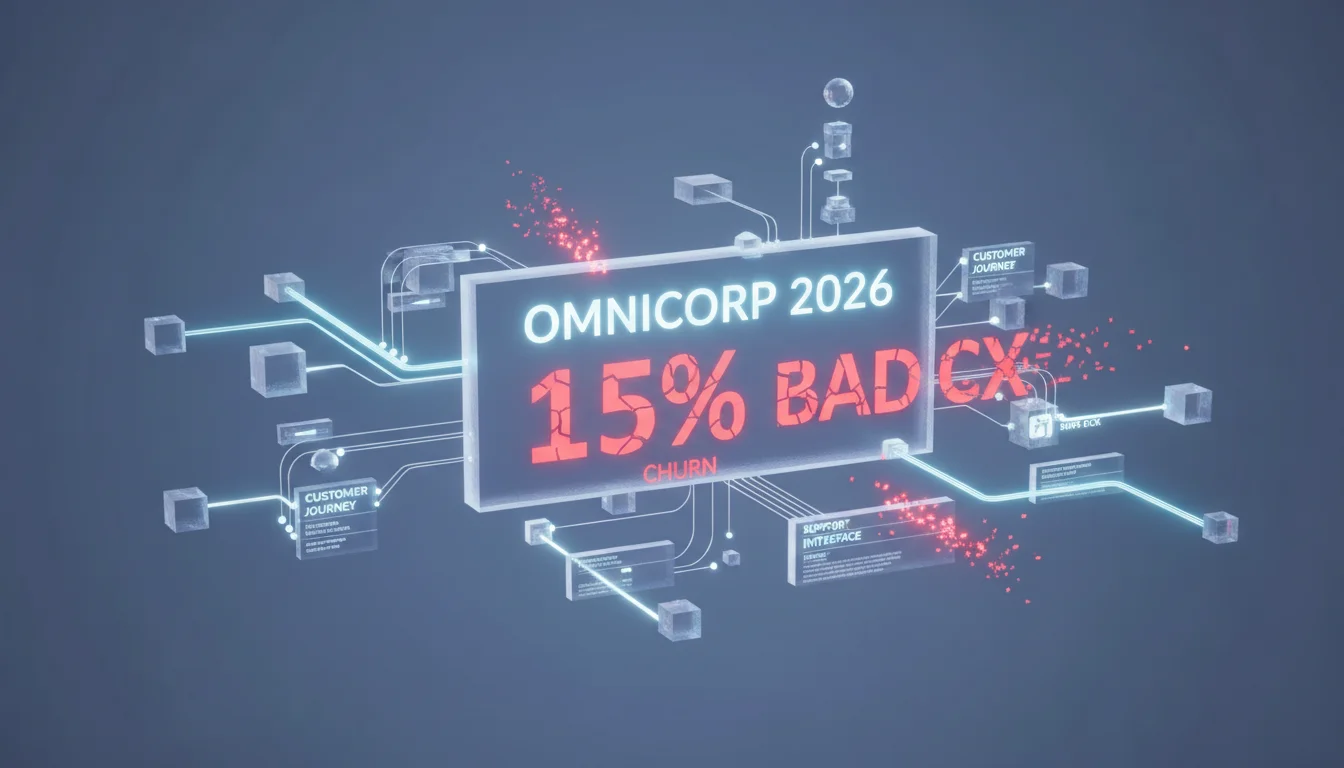
The year 2026 started with a jolt for OmniCorp, a mid-sized B2B software provider based out of Atlanta’s Tech Square. Their customer churn rate, typically a manageable 8% annually, spiked to an alarming 15% in Q1, directly impacting their recurring revenue projections for the fiscal year. The culprit, as identified by their head of customer success, Maria Rodriguez, wasn’t product dissatisfaction or pricing, but a perception of opaque and inconsistent communication regarding their credit terms and payment schedules. This breakdown in credit risk CX created a ripple effect, eroding trust and in the end driving away otherwise satisfied clients. The challenge for OmniCorp was clear: how to implement transparent communication strategies that would rebuild confidence and stabilize their customer base?
Key Takeaways
- Implement a standardized communication protocol for all credit-related interactions, ensuring consistent messaging across departments.
- Use predictive analytics from platforms like FICO to proactively identify and address potential credit issues before they escalate.
- Develop multi-channel communication strategies, offering options such as dedicated client portals or SMS alerts for payment reminders and credit status updates.
- Train customer-facing teams on financial literacy and empathetic communication techniques to handle sensitive credit discussions effectively.
- Establish clear escalation paths and named contacts for credit-related inquiries, reducing client frustration and improving resolution times.
The Initial Shock: When Silence Speaks Volumes
OmniCorp’s problem wasn’t a sudden policy change. It was a gradual erosion of clarity. Their existing credit policy, while standard, was buried in lengthy service agreements and rarely discussed proactively. When a client, “Innovate Solutions” (a real OmniCorp client, though I’ve changed their name for privacy), faced an unexpected cash flow crunch and missed a payment, their initial outreach to OmniCorp was met with a generic automated email. Follow-up calls to their account manager yielded vague responses about “finance department procedures.” The lack of a clear point of contact, coupled with inconsistent information, left Innovate Solutions feeling undervalued and, frankly, distrusted. This single incident, Maria later discovered, was a template for many other departing clients.
The prevailing sentiment among OmniCorp’s finance team had been to handle credit discussions with a degree of formality, often deferring to legalistic language. This approach, while intended to protect the company, inadvertently created a barrier. According to a Gartner report published in late 2025, companies excelling in financial customer experience saw a 15% higher customer retention rate compared to those with poor experiences. OmniCorp was clearly on the wrong side of that statistic.
Building a Bridge: The Power of Proactive Disclosure
Maria’s first step was to advocate for a complete overhaul of OmniCorp’s credit communication strategy. She argued that true transparency began not when a problem arose, but long before. “We need to treat credit terms as part of the value proposition, not just a necessary evil,” she asserted during a tense executive meeting. This meant integrating credit discussions into the sales and onboarding processes. New clients would receive a concise, easy-to-understand summary of payment terms, billing cycles, and options for payment plans, presented verbally by their account manager and followed up with a digital summary via a secure client portal. The portal, powered by Salesforce Service Cloud, allowed clients to view their current balance, upcoming invoices, and payment history at any time, a feature that previously required direct contact with accounts receivable.
One of the most significant changes involved OmniCorp’s approach to potential payment issues. Instead of waiting for a missed payment, they began using predictive analytics tools. By integrating historical payment data with external economic indicators, their finance department, led by Sarah Chen, could now identify clients at higher risk of payment delays. This proactive identification allowed account managers to initiate conversations before a problem escalated. For instance, if Innovate Solutions had been flagged, their account manager could have reached out weeks in advance to discuss their financial health and explore flexible payment options, such as temporary deferrals or adjusted payment schedules, rather than reacting to a missed invoice.
The Human Element: Training for Empathy in Finance
A critical component of OmniCorp’s new strategy involved extensive training for all customer-facing teams, including sales, account management, and even parts of the finance department. The training focused not just on the new communication protocols but on empathetic communication. This meant teaching representatives how to listen actively, acknowledge client challenges without judgment, and present solutions clearly and respectfully. “It’s about understanding that behind every invoice is a business, and behind every business are people,” Maria often reminded her team. The training included role-playing scenarios where representatives practiced handling difficult conversations about overdue payments, emphasizing problem-solving over accusation.
The impact was almost immediate. When another client, “Global Logistics,” experienced a temporary dip in revenue that affected their ability to pay on time, their account manager, Mark, was prepared. He proactively reached out, offering a temporary payment plan tailored to their specific cash flow projections. Global Logistics appreciated the understanding and willingness to collaborate. “Mark didn’t just tell us our options. He helped us understand them and find one that worked for us,” the CEO of Global Logistics later commented in a feedback survey. This kind of interaction transformed a potential churn into a strengthened relationship.
Multi-Channel Engagement: Meeting Clients Where They Are
OmniCorp also recognized that different clients preferred different communication channels. While the client portal was effective for many, some preferred direct email, and others responded best to SMS alerts for payment reminders. They implemented a multi-channel strategy, allowing clients to choose their preferred method for receiving credit-related notifications. This wasn’t about bombarding clients with messages. It was about offering choice and convenience. For example, a client could opt-in to receive an SMS notification three days before an invoice was due, followed by an email reminder if the payment was still pending after the due date. This reduced the likelihood of missed payments due to oversight and put the client in control of how they received critical information.
This approach aligns with findings from a HubSpot research study from late 2025, which indicated that companies offering personalized, multi-channel communication saw a 20% increase in customer satisfaction scores. It wasn’t enough to just be transparent. OmniCorp needed to be accessible and responsive on the client’s terms.
The Resolution: A Return to Stability and Growth
By Q3 2026, OmniCorp’s churn rate had stabilized and began to trend downwards, returning to its historical average of 8%. More importantly, their customer satisfaction scores related to billing and credit interactions saw a significant jump, increasing by 25%. This wasn’t just about preventing churn. It was about fostering deeper, more trusting relationships. Clients felt respected and understood, even when facing financial challenges. The initial investment in training, technology, and process redesign paid dividends, proving that transparent communication in credit risk CX is not merely a courtesy, but a strategic imperative. The narrative of OmniCorp is a powerful reminder: clarity and empathy can transform even the most sensitive customer interactions into opportunities for loyalty and growth.
Establishing clear, consistent, and empathetic communication regarding credit terms and risk factors is paramount for maintaining strong customer relationships and ensuring business stability. Companies often overlook the CX aspect of financial interactions, but those who prioritize it see tangible benefits in retention and trust. Your approach to credit communication can either build bridges or create chasms. Choose to build.
What is credit risk CX?
Credit risk CX refers to the customer experience specifically related to a company’s credit policies, payment terms, billing processes, and how these are communicated and managed with clients. It encompasses all interactions a customer has concerning their financial obligations and standing with a business.
Why is transparent communication important in credit risk management?
Transparent communication in credit risk management builds trust, reduces misunderstandings, and helps clients to manage their financial obligations effectively. It helps prevent payment delays, minimizes disputes, and can significantly improve customer retention by fostering a sense of partnership rather than an adversarial relationship.
What are some tools or technologies that can aid in transparent credit communication?
Modern businesses can use various tools, including CRM platforms like Salesforce for tracking interactions, dedicated client portals for self-service access to billing information, predictive analytics software for identifying at-risk accounts, and multi-channel communication platforms that support email, SMS, and in-app notifications for reminders and updates.
How can empathy be integrated into credit conversations?
Integrating empathy involves training customer-facing teams to listen actively, acknowledge client challenges without judgment, and focus on collaborative problem-solving. It means offering flexible solutions when appropriate, clearly explaining options, and maintaining a respectful tone, even during difficult discussions about overdue payments.
What are the long-term benefits of improving credit risk CX?
Long-term benefits include reduced customer churn, improved customer satisfaction and loyalty, faster payment cycles, fewer bad debts, and a stronger brand reputation. A positive credit risk CX can transform potentially negative interactions into opportunities to strengthen client relationships and drive sustained business growth.


