 By Devin Lopez
The idea that a modern media kit is merely a static collection of documents is perhaps the most persistent and damaging myth in public relations today. Misinformation abounds, leading many brands to miss critical opportunities for impactful storytelling and media engagement.
Key Takeaways
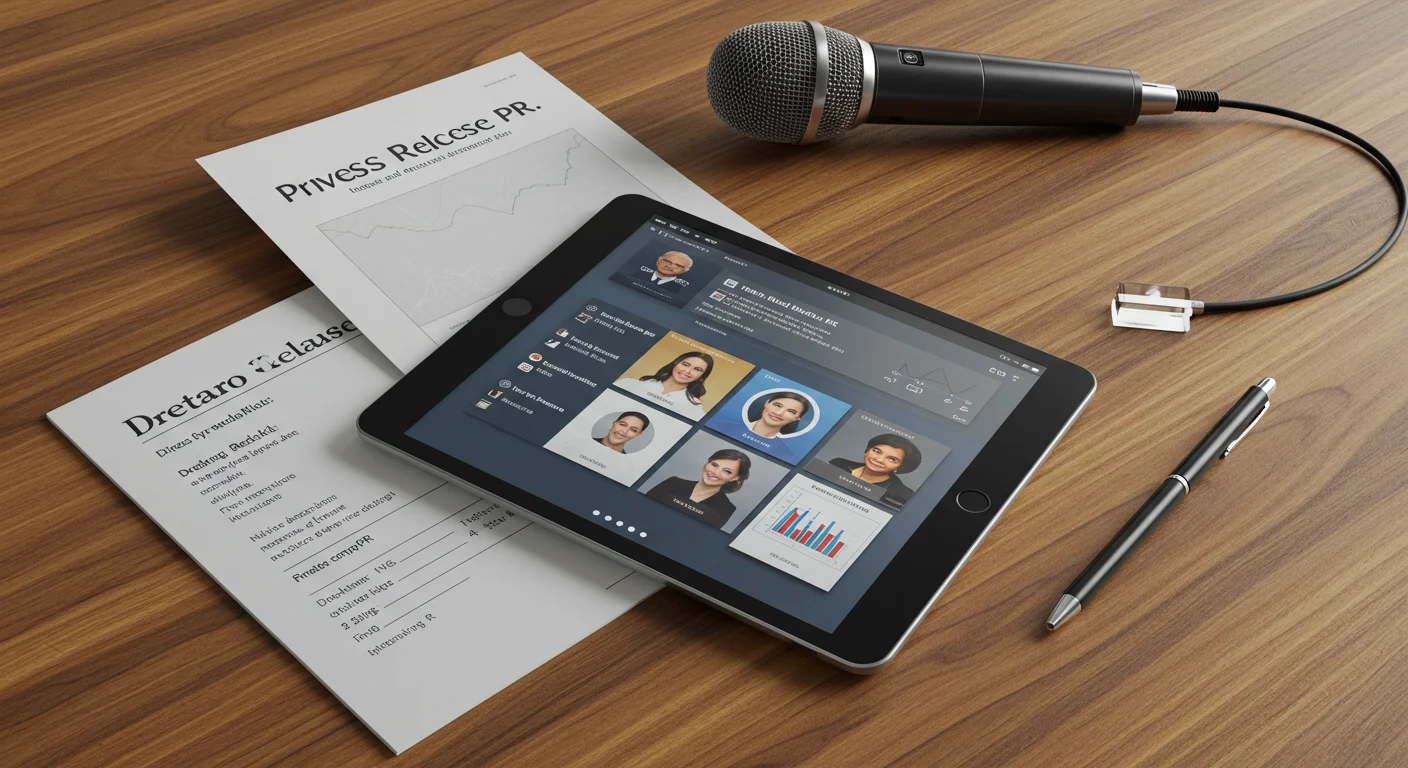
- A modern media kit is a dynamic, interactive digital experience, not a static PDF or folder of files.
- Video content, custom data visualizations, and interactive elements are now essential components, driving significantly higher engagement rates.
- Personalization and audience segmentation are critical; generic kits are largely ignored by discerning journalists.
- Real-time analytics integration allows for continuous optimization of kit content and distribution strategies.
- The shift towards integrated content hubs means media kits should function as living resources, updated frequently to reflect current brand narratives and news.
Myth 1: A Media Kit is Just a PDF, Maybe Two
This is where most companies fall flat. They think “media kit” and picture a neatly compiled PDF with a press release, some boilerplate, and a few jpegs. That’s not a media kit; that’s a digital brochure, and frankly, it’s boring. In 2026, journalists are inundated with information. A static PDF is a one-way street, a dead end in a world of interactive content. I had a client last year, a fintech startup based in Midtown Atlanta near the Tech Square innovation district. They’d spent weeks crafting a beautiful, but ultimately flat, PDF kit. When we started pitching, their open rates were abysmal, and the few journalists who did open it rarely clicked through to their website. We needed a radical change. The evidence is clear: engagement drops off a cliff with purely static content. According to a recent HubSpot report on content marketing trends, interactive content generates twice as many conversions as passive content, a statistic that holds true across various industries, including PR and media relations. A proper modern media kit lives online, often as a dedicated section of your website or a purpose-built microsite. It’s a dynamic hub where journalists can explore, download, and engage with content on their terms. Think explainer videos, embeddable infographics, interactive timelines of your company’s milestones, and even direct links to schedule interviews. Your kit should be a journey, not just a destination.
Myth 2: One Size Fits All for Every Journalist
Another common misconception is that a single, generic media kit will serve all purposes and all media outlets equally well. This couldn’t be further from the truth. A tech reporter for the Atlanta Business Chronicle has vastly different needs and interests than a lifestyle blogger covering local events in Decatur. Sending the same content to both is a recipe for being ignored. My team constantly emphasizes personalization. We segment our media lists rigorously, understanding the specific beats, past articles, and even the tone of voice preferred by each journalist. Then, we tailor the media kit experience. For a financial reporter, the kit might lead with an investor deck summary, detailed market analysis, and a direct link to the CEO’s LinkedIn profile and recent financial results. For a consumer tech journalist, it would highlight product demos, user testimonials, and high-resolution lifestyle imagery. We even adjust the tone and language. This isn’t just theory. A Nielsen report on consumer engagement in digital media found that content tailored to individual preferences sees a 3.5x higher engagement rate compared to generic content. This principle applies directly to media relations. Tools like Meltwater or Cision allow for sophisticated media list segmentation and even offer features for tracking which assets within a digital kit are most frequently accessed by specific media types. If you’re still sending out blanket emails with a generic link, you’re missing out on serious opportunities for connection.
Myth 3: High-Resolution Photos and a Logo are Enough Visuals
“We have great product shots and our logo file in vector format. We’re good, right?” Oh, if only it were that simple. While essential, these are the bare minimum. In an era dominated by visual storytelling, a modern media kit demands a much richer and more diverse array of visual assets. We’re talking about more than just static images; we need motion, interactivity, and infographics that tell a story at a glance. Consider the power of video. A compelling two-minute explainer video about your product or service can convey more information and emotion than ten pages of text. According to an IAB report on digital video trends, 85% of internet users watch video content regularly, and video is often the first type of content consumed when researching a new product or company. Your media kit should include a curated selection of B-roll footage, executive interviews, product demonstrations, and even short, compelling customer testimonials. Furthermore, dynamic data visualizations are non-negotiable for any brand with measurable impact. Instead of a spreadsheet or a static chart, provide an embeddable, interactive infographic that allows journalists to explore your data points. Perhaps a map showing your company’s growth across different states, or a timeline that highlights key milestones with pop-up details. We recently worked with a renewable energy company in Georgia, and their initial kit had a dry PDF detailing their impact. We transformed it into an interactive map showing their solar installations across the state, from Fulton County to Chatham County, with clickable points revealing energy savings and community benefits. The press coverage shifted dramatically from factual reports to engaging human-interest stories. That’s the difference.
Myth 4: Once Published, Always Done
This is perhaps the most dangerous myth, born from the old-school mentality of printing press kits. The idea that you can create a media kit, publish it, and then forget about it for six months or a year is simply naive in 2026. The media landscape, your company, and the news cycle are all in constant flux. Your media kit must reflect this dynamism. A modern media kit is a living document. It should be updated as frequently as your company evolves. New product launch? Update the kit. Key executive hire? Update the kit. Major funding round? Update the kit. Significant industry trend? Add a thought leadership piece. We implement a quarterly review cycle for all client media kits, but often, major updates happen much more frequently based on news hooks or company developments. Furthermore, integrating analytics into your digital media kit is non-negotiable. We use platforms that track downloads, page views, video plays, and even time spent on specific sections. This data is invaluable. If we see that a particular infographic is getting a lot of attention, we might amplify it or create more content around that theme. If a specific section isn’t being accessed, we either refine it or remove it. This iterative process, driven by real-time data, ensures your kit remains relevant and effective. It’s not just about putting content out there; it’s about making sure that content works.
Myth 5: A Media Kit is Just for Media
While the name “media kit” implies its primary audience, pigeonholing it solely for journalists is a missed opportunity. A truly robust and modern media kit serves multiple stakeholders, extending its utility far beyond traditional press relations. This is an editorial aside, but honestly, if you’re only thinking about reporters, you’re leaving so much on the table. Consider investors. When pitching venture capitalists or potential partners, a well-structured digital media kit can provide a comprehensive overview of your company’s vision, market position, and growth trajectory. It can house investor decks, financial reports, and testimonials from key advisors. Similarly, for potential employees, particularly in competitive industries like tech or healthcare, a media kit can serve as an invaluable recruitment tool, showcasing company culture, leadership, and impact. It’s a powerful statement about who you are and what you do. Even internal stakeholders can benefit. A comprehensive, up-to-date media kit ensures that everyone, from sales teams to customer service representatives, has access to consistent messaging, accurate company information, and approved brand assets. This fosters internal alignment and empowers employees to be brand ambassadors. We often advise clients to create segmented access within their digital kits, allowing different user groups to view tailored content, ensuring relevance and control over information flow. It’s about building a comprehensive brand narrative that resonates with everyone who interacts with your organization. A modern media kit is not a dusty folder; it’s a dynamic, analytics-driven content hub that actively engages diverse audiences. Embrace interactivity, personalize your content, and commit to continuous updates to truly empower your public relations efforts.
What platforms are best for hosting a modern media kit?
How often should I update my digital media kit?
At a minimum, review and update your digital media kit quarterly to ensure all information, statistics, and assets are current. However, major company news, product launches, or significant industry developments should trigger immediate updates to maintain relevance.
What are some essential interactive elements for a modern media kit?
Essential interactive elements include embedded video players (for explainer videos, B-roll, interviews), interactive infographics or data visualizations, clickable timelines, direct links to social media feeds, and forms for direct media inquiries or interview requests.
Should I still include traditional press releases in my modern media kit?
Yes, traditional press releases still hold value for official announcements and archival purposes. However, instead of just a static PDF, consider including a web-friendly version with multimedia embeds, and perhaps an audio recording of a key quote from an executive.
How can I track the performance of my digital media kit?
Integrate robust analytics tools, such as Google Analytics 4, with your media kit’s hosting platform. Track metrics like unique visitors, page views, time on page, download rates for specific assets, video play rates, and click-through rates on embedded links to gauge engagement and identify areas for improvement.


