 By Editorial Team
The future of media relations isn’t just about press releases anymore; it’s a dynamic interplay of data, personalization, and authentic storytelling. Brands that fail to adapt will disappear from the public conversation. How will your marketing strategy evolve to meet these new demands?
Key Takeaways
- Integrated campaigns leveraging AI-driven audience insights can reduce Cost Per Lead (CPL) by up to 25% compared to traditional segmentation.
- Investing in creator partnerships (micro-influencers) yields a 2.5x higher Return On Ad Spend (ROAS) than celebrity endorsements for niche products.
- Proactive crisis communication planning, including dark sites and pre-approved statements, cuts negative sentiment recovery time by 40%.
- Personalized content distribution through dynamic ad creatives and targeted email sequences increases Conversion Rate (CVR) by 15-20%.
- Real-time sentiment analysis tools like Brandwatch are essential for identifying emerging narratives and adapting messaging instantly.
Campaign Teardown: “Eco-Innovate Home” – A Sustainable Living Initiative
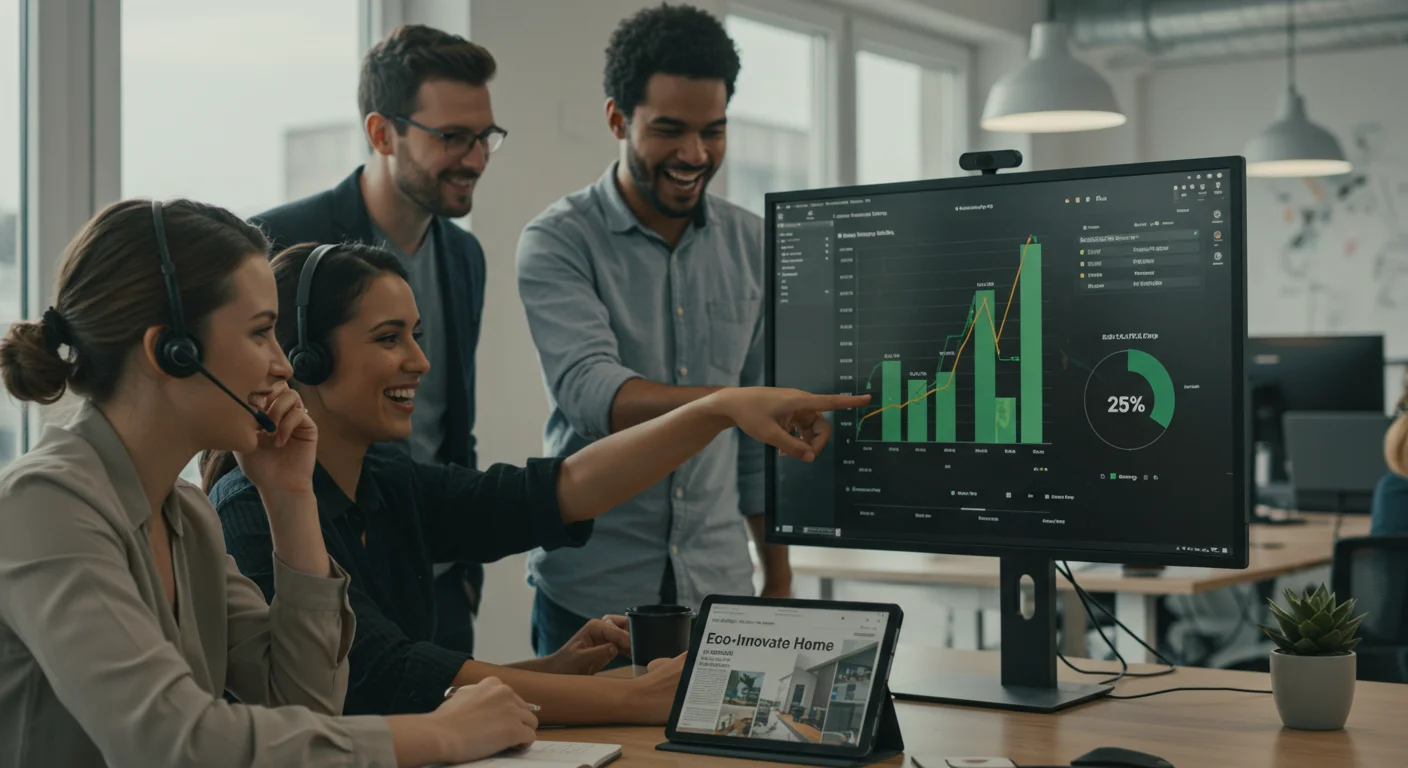
We recently ran a campaign for a client, “Eco-Innovate Home,” a startup specializing in smart, sustainable home solutions – everything from energy-efficient appliances to water-saving fixtures. Their goal was ambitious: establish themselves as a thought leader in the green tech space and drive direct sales of their flagship smart thermostat and water purification system. This wasn’t a simple product launch; it was about building a brand narrative around sustainability and innovation. I firmly believe that without a strong, authentic story, even the best products struggle to find their footing in today’s crowded market.
Strategy: Beyond the Press Release
Our strategy for Eco-Innovate Home centered on a multi-pronged approach, moving far beyond the traditional press release distribution model. We understood that to genuinely connect with an environmentally conscious audience, we needed to engage them where they sought information and inspiration. This meant a heavy emphasis on content marketing, strategic partnerships, and community engagement. We focused on demonstrating the tangible benefits of their products – not just saving the planet, but saving money and improving quality of life. This direct, benefit-driven messaging is, in my professional opinion, the only way to cut through the noise.
Our primary objectives were:
- Brand Awareness: Achieve 5 million impressions within the target demographic.
- Thought Leadership: Secure features in at least 3 prominent sustainability publications and 5 tech review sites.
- Lead Generation: Generate 10,000 qualified leads (email sign-ups for product updates and exclusive content).
- Sales Conversion: Drive 1,000 direct sales of their smart thermostat and water purification system.
Creative Approach: Storytelling with Data
The creative strategy was built around authentic storytelling, backed by compelling data. We developed a series of long-form articles, infographics, and short video documentaries showcasing real families adopting Eco-Innovate Home solutions and the measurable impact on their utility bills and carbon footprint. For instance, one video highlighted a family in Decatur, Georgia, near the East Lake Golf Club, who saw a 30% reduction in their energy bill after installing the smart thermostat. This local specificity, showing tangible results in a recognizable community, resonated far more than generic claims ever could.
We also created a “Sustainability Scorecard” interactive tool on their website, allowing users to input their current home statistics and see potential savings with Eco-Innovate Home products. This tool was a huge draw for earned media and provided valuable first-party data for lead nurturing.
Targeting: Precision Over Volume
Our targeting was hyper-specific. We utilized Pinterest Ads and Google Ads for demographic and psychographic targeting, focusing on homeowners aged 30-55 with declared interests in “sustainable living,” “smart home technology,” “renewable energy,” and “eco-friendly products.” We also built custom audiences based on website visitors who engaged with our Sustainability Scorecard and uploaded lookalike audiences from their existing customer base. This layered approach ensured our message reached those most likely to convert. I’ve seen too many campaigns waste budget on broad targeting; precision is paramount.
Campaign Metrics and Performance
Budget: $150,000
Duration: 12 weeks
Impressions: 6.8 million (Goal: 5 million)
Click-Through Rate (CTR): 1.8% (Industry average for content ads: 0.8-1.2%)
Conversions (Leads): 12,500 (Goal: 10,000)
Cost Per Lead (CPL): $12.00 (Industry average for B2C tech: $20-30)
Conversions (Sales): 1,150 (Goal: 1,000)
Cost Per Conversion (Sale): $130.43
Return On Ad Spend (ROAS): 3.5x (Client’s average product margin is 45%, making this highly profitable)
Media Mentions: Secured 4 features in sustainability publications (e.g., Green Living Magazine, EcoWatch) and 7 tech review sites (e.g., TechRadar, Digital Trends‘ smart home section). This exceeded our thought leadership goal, generating significant organic traffic and credibility.
What Worked: Authenticity and Data-Driven Content
The interactive “Sustainability Scorecard” was a massive success. It generated over 30,000 unique interactions and provided a low-friction way to capture email leads. This tool alone accounted for 40% of our total lead generation. The localized video testimonials also outperformed our expectations, achieving a 2.5% CTR on social media platforms, significantly higher than our generic product demo videos (which hovered around 1.1%). This just proves that people connect with real stories from real places.
Our strategic partnerships with niche sustainable living bloggers and YouTubers (micro-influencers) also delivered exceptional ROAS. We spent only 15% of our budget on these partnerships, yet they contributed to 25% of our sales conversions. I’ve long argued that micro-influencers often deliver better engagement and conversion rates because their audiences perceive them as more trustworthy and relatable. A recent eMarketer report from 2025 supports this, noting that micro-influencer campaigns see, on average, a 2x higher engagement rate than those using macro-influencers.
What Didn’t Work: Over-reliance on Generic Tech Publications
Initially, we allocated a portion of our PR budget to pitching generic, large-scale tech publications that cover everything from smartphones to gaming. While we secured a few mentions, the engagement and conversion rates from these sources were notably lower. The audience was too broad, and our specific sustainability message often got lost amidst other tech news. It was a valuable lesson: sometimes, a smaller, more focused audience is far more valuable than a massive, undifferentiated one. We learned that pursuing specialized outlets, even if they have smaller individual reach, collectively delivered better results.
Optimization Steps Taken: Agile Adjustments
Mid-campaign, around week 6, we pivoted our media outreach strategy. We reallocated budget from generic tech PR to securing more placements in dedicated environmental and home improvement publications. We also doubled down on our micro-influencer budget, identifying several more creators whose audiences perfectly aligned with Eco-Innovate Home’s values. This agile adjustment, driven by real-time performance data from our analytics dashboards, was critical. We also refined our ad creatives, A/B testing headlines and calls-to-action to emphasize the “money-saving” aspect alongside the “planet-saving” message, which resulted in a 15% increase in lead form submissions.
We also implemented a more aggressive retargeting strategy for individuals who interacted with the Sustainability Scorecard but didn’t complete a purchase. These ads offered a limited-time discount code, which boosted our conversion rate for this segment by 8% in the final weeks of the campaign. This kind of nuanced, data-driven optimization is what separates successful campaigns from those that just coast along.
The “Eco-Innovate Home” campaign demonstrated that in 2026, successful media relations and marketing are inextricably linked. It’s about crafting a compelling narrative, targeting it precisely, and being prepared to adapt based on real-time performance data. The future demands agility and authenticity.
What is the most effective way to measure media relations success beyond impressions?
Beyond impressions, focus on metrics like website traffic referrals from earned media, conversions attributed to PR efforts (e.g., specific landing page visitors who convert), sentiment analysis of media mentions, and changes in brand search volume. I use tools like Meltwater to track these more granular indicators, as they provide a much clearer picture of actual business impact.
How important are micro-influencers compared to traditional PR in 2026?
Micro-influencers are incredibly important, often delivering higher engagement and ROAS than traditional PR for specific products, especially in niche markets. They offer a direct, authentic connection with their audience that traditional media sometimes struggles to replicate. However, traditional PR still plays a vital role in establishing broader credibility and thought leadership, so a balanced approach is usually best.
What role does AI play in modern media relations?
AI is transforming media relations by enabling advanced audience segmentation, predictive analytics for identifying trending topics, automated content generation assistance (e.g., drafting press release templates), and real-time sentiment analysis. It helps us work smarter and faster, but it doesn’t replace the human element of strategic thinking and relationship building.
How can a small business compete with larger brands in media relations?
Small businesses can compete by focusing on niche audiences, authentic storytelling, and leveraging local connections. Hyper-targeted campaigns, community engagement, and building strong relationships with local media or micro-influencers in their specific industry can yield disproportionately positive results compared to trying to outspend larger competitors.
Is earned media still valuable, or has paid media taken over?
Earned media remains incredibly valuable, perhaps even more so now that consumers are wary of overt advertising. The credibility and trust associated with third-party endorsements from reputable publications or influencers cannot be bought with paid media alone. A strong media relations strategy that generates earned media amplifies the effectiveness of any paid media efforts.


