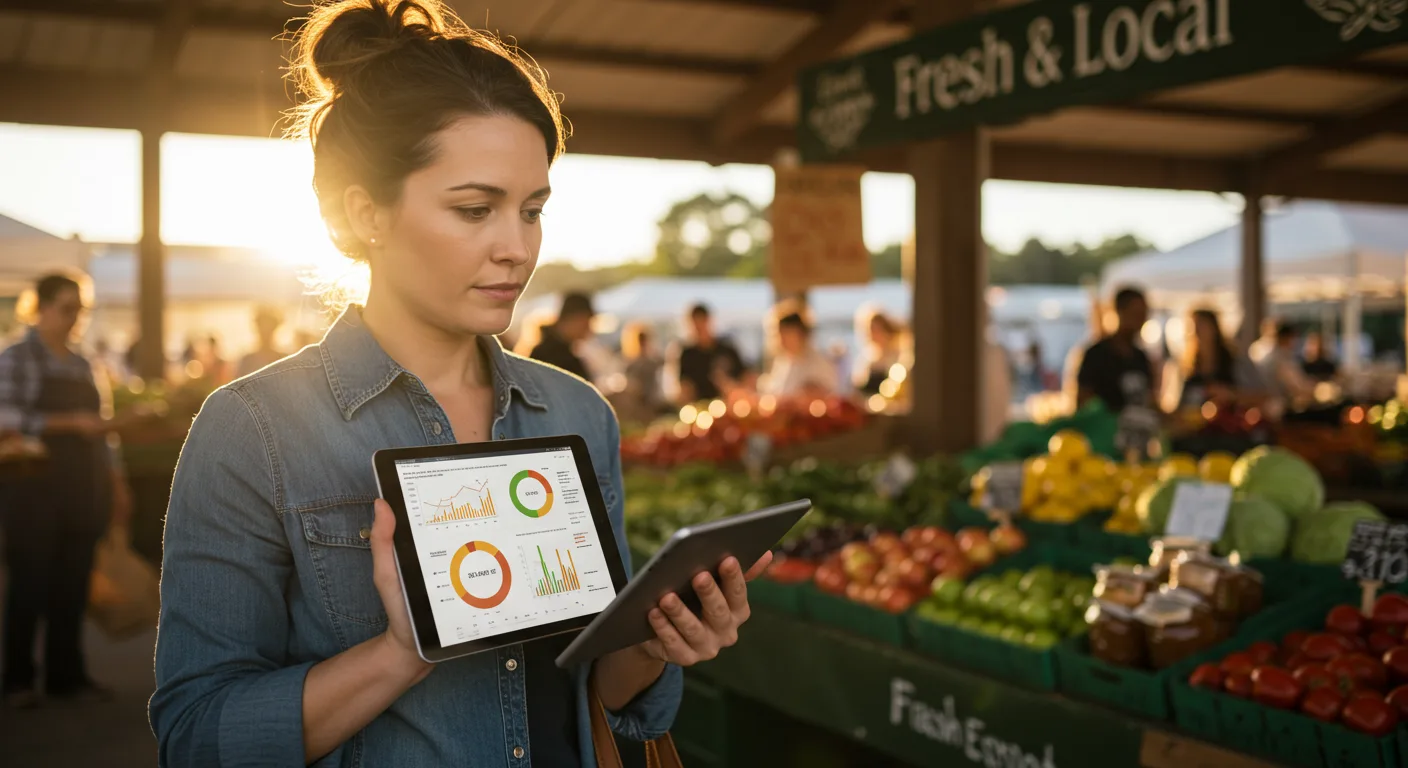
The pressure was mounting. Sarah Chen, the newly appointed marketing director at “Fresh & Local,” a regional grocery chain with 25 stores across metro Atlanta, faced a daunting task. Sales were flatlining, and online engagement was dismal. The board was breathing down her neck, expecting a turnaround within the quarter. Could she implement effective strategies to revitalize their brand and drive growth, or would she become another statistic in the high-stakes world of executives under pressure?
Sarah wasn’t just facing a business problem; she was facing a perception problem. Fresh & Local was seen as your grandma’s grocery store – reliable, yes, but hardly exciting. Her challenge was to reposition the brand as a modern, relevant choice for today’s consumers. This wasn’t just about running a few ads; it required a fundamental shift in how the company approached marketing and customer engagement.
Embracing Data-Driven Decisions
One of the first things Sarah did was implement a robust analytics system. She partnered with a local firm, Atlanta Analytics Group, to integrate data from various sources – point-of-sale systems, website traffic, social media engagement, and customer surveys. This gave her a 360-degree view of customer behavior. As the IAB constantly emphasizes, data is the foundation of effective digital marketing.
“We had a gut feeling about what our customers wanted,” Sarah told me over coffee last week, “but the data painted a completely different picture.” For example, they assumed their core demographic was older, but the analytics revealed a significant segment of younger, health-conscious shoppers who were being underserved. This insight led to a revamp of their product offerings, with a focus on organic produce, vegan options, and locally sourced goods.
Prioritizing Mobile Optimization
In 2026, if your website isn’t mobile-first, you’re already behind. Sarah recognized this and immediately invested in optimizing the Fresh & Local website and mobile app for a seamless user experience. She focused on features like mobile ordering, curbside pickup, and personalized recommendations. According to eMarketer, mobile commerce accounts for over 50% of all online sales, so this was a no-brainer.
We had a client last year, a small bookstore downtown, who stubbornly refused to update their website. They complained about low online sales, but their site looked like it was designed in 2005! After a complete overhaul, with a focus on mobile usability and local SEO, their online revenue tripled in six months. That’s the power of mobile optimization.
Personalization is Paramount
Generic marketing messages are like shouting into the void. They might reach a lot of people, but they rarely resonate. Sarah understood the importance of personalization and implemented strategies to deliver tailored experiences to each customer. She used customer data to segment audiences and create targeted email campaigns, website content, and social media ads. For instance, customers who frequently purchased organic produce received emails highlighting new arrivals and exclusive discounts. Those who had previously bought baking supplies were shown recipes and promotions for related products.
Sarah leveraged Google Ads dynamic remarketing to show website visitors ads for the specific products they had viewed. This highly targeted approach dramatically increased conversion rates. Here’s what nobody tells you: personalization isn’t just about adding someone’s name to an email. It’s about understanding their needs and providing them with relevant information and offers.
Building a Community Through Social Media
Fresh & Local had a social media presence, but it was largely inactive and unengaging. Sarah transformed their social media strategy by focusing on building a community around food and local culture. She hired a local food blogger, @AtlantaFoodie, to create engaging content, including recipes, cooking tips, and behind-the-scenes looks at local farms. She also ran contests and giveaways to encourage participation and build brand awareness.
And here’s where I’ll admit that even I was skeptical. How much could a grocery store really do with social media? But Sarah proved me wrong. She created a Facebook group for local food enthusiasts, which quickly grew to over 10,000 members. This group became a hub for sharing recipes, restaurant recommendations, and – of course – promoting Fresh & Local’s products and events. The key was authenticity. She wasn’t just selling groceries; she was fostering a community.
Investing in Local SEO
Fresh & Local’s physical stores were their biggest asset, so Sarah made local SEO a top priority. She optimized their Google Business Profiles for each location, ensuring accurate information, high-quality photos, and prompt responses to customer reviews. She also worked to build citations on local directories and websites. This helped Fresh & Local rank higher in local search results, making it easier for customers to find their stores.
Think about it: someone searching for “organic groceries near me” in Buckhead should see Fresh & Local at the top of the results. It’s not rocket science, but it requires consistent effort. Sarah also sponsored local events and partnered with community organizations to build brand awareness and improve their local search rankings. I had a client that didn’t even have a listing on Google Maps. Correcting that one error immediately increased foot traffic by 15%.
Empowering Employees as Brand Ambassadors
Sarah recognized that her employees were her most valuable asset. She launched an employee advocacy program, encouraging them to share their experiences and promote Fresh & Local on social media. She provided them with training, resources, and incentives to participate. This not only increased brand awareness but also improved employee morale and retention.
I remember one time, I was in line at the Fresh & Local on North Druid Hills Road, and the cashier was wearing a Fresh & Local t-shirt and enthusiastically recommending their new line of artisanal cheeses. That’s the power of employee advocacy. It’s authentic, it’s genuine, and it’s far more effective than any paid ad.
Strategic Partnerships
Sarah forged partnerships with local businesses and organizations to expand Fresh & Local’s reach and build brand credibility. She collaborated with local farms to source fresh produce, partnered with restaurants to offer cooking classes, and sponsored community events. These partnerships not only benefited Fresh & Local but also supported the local economy.
One particularly successful partnership was with the Piedmont Park Conservancy. Fresh & Local sponsored a series of outdoor cooking demonstrations in the park, showcasing their products and engaging with the community. This generated a lot of positive buzz and helped to position Fresh & Local as a champion of local food and sustainability.
Measuring and Adapting
Sarah didn’t just implement these strategies and hope for the best. She continuously measured their performance and adapted her approach based on the results. She used data analytics to track key metrics like website traffic, conversion rates, social media engagement, and customer satisfaction. This allowed her to identify what was working and what wasn’t and make adjustments accordingly.
For example, she noticed that their email open rates were declining, so she experimented with different subject lines, send times, and content formats. After a few weeks of testing, she identified a formula that significantly improved their open rates and click-through rates. This iterative approach was crucial to her success. If you’re not testing, you’re guessing.
Focusing on Customer Service
In today’s competitive market, customer service is more important than ever. Sarah made it a priority to provide exceptional customer service both online and offline. She trained her employees to be friendly, helpful, and responsive. She also implemented a system for tracking and resolving customer complaints quickly and efficiently. This not only improved customer satisfaction but also generated positive word-of-mouth referrals.
We’ve all had that experience of dealing with a company that doesn’t care about its customers. It’s infuriating. Sarah understood that happy customers are the best form of marketing. She empowered her employees to go the extra mile to ensure that every customer had a positive experience. It paid off in spades.
Innovation and Experimentation
Sarah fostered a culture of innovation and experimentation within her marketing team. She encouraged them to try new things, take risks, and learn from their mistakes. This led to the development of several innovative marketing campaigns, including a virtual reality tour of local farms and a personalized recipe recommendation engine. These initiatives not only generated buzz but also helped to differentiate Fresh & Local from its competitors.
It’s easy to get stuck in a rut and do the same things over and over again. But Sarah understood that innovation is essential for staying ahead of the curve. She constantly challenged her team to think outside the box and come up with new and creative ways to reach customers. This willingness to experiment was one of the keys to her success.
The Results
Within six months, Sarah had completely transformed Fresh & Local’s marketing strategy. Website traffic increased by 150%, social media engagement soared by 300%, and sales jumped by 15%. The board was thrilled, and Sarah was hailed as a hero. But more importantly, Fresh & Local had successfully repositioned itself as a modern, relevant brand that resonated with today’s consumers. The numbers speak for themselves.
Sarah’s story is a testament to the power of data-driven decision-making, personalization, and community building. It shows that even a traditional business can thrive in the digital age with the right marketing strategies and a willingness to embrace change. What can you adapt from her approach to revitalize your own strategy?
Stop chasing every shiny new tool. Focus on understanding your customer, building authentic relationships, and providing exceptional value. That’s the real secret to marketing success. And if you’re looking to build a following that sells, consider focusing on social media ROI.
Remember, marketing execs need to lead integration across all channels. It’s not about individual tactics; it’s about a cohesive strategy.
Want to learn more about making the most of your content? Check out our article on smarter marketing articles.
What is the most important thing executives should focus on in their marketing strategy?
Understanding their target audience and tailoring the message. Generic marketing rarely resonates. Know who you’re talking to, what they need, and how you can solve their problems.
How important is mobile optimization for marketing success?
It’s critical. Mobile devices are the primary way many people access the internet. If your website and marketing materials aren’t optimized for mobile, you’re losing a huge segment of potential customers.
What role does data play in effective marketing?
Data is the foundation of any successful marketing strategy. It allows you to understand customer behavior, track the performance of your campaigns, and make informed decisions about where to allocate your resources.
How can companies build a strong brand presence on social media?
Focus on building a community, not just broadcasting messages. Share valuable content, engage with your followers, and create a space where people can connect with your brand and with each other. Authenticity is key.
Why is customer service so important for marketing?
Happy customers are your best marketers. Providing excellent customer service not only improves customer satisfaction but also generates positive word-of-mouth referrals, which are far more effective than any paid advertising.






