 By Angelica Bernard
Key Takeaways
- Personal branding in LATAM requires a dynamic approach, with 60% of consumers in the region reporting increased trust in brands that adapt to local cultural nuances.
- Successfully adapting a personal brand involves deep market research, identifying specific digital consumption patterns, and localizing content for platforms like WhatsApp Business.
- Failure to research local digital trends, particularly the rise of short-form video and audio content, leads to diminished engagement, with one study showing a 45% drop in audience retention for generic content.
- Measuring brand impact through engagement metrics and sentiment analysis is essential, with a focus on metrics beyond simple follower counts to gauge true influence and connection.
- A proactive strategy for personal brand evolution, including continuous skill development and networking, can increase perceived authority by up to 30% in competitive LATAM markets.
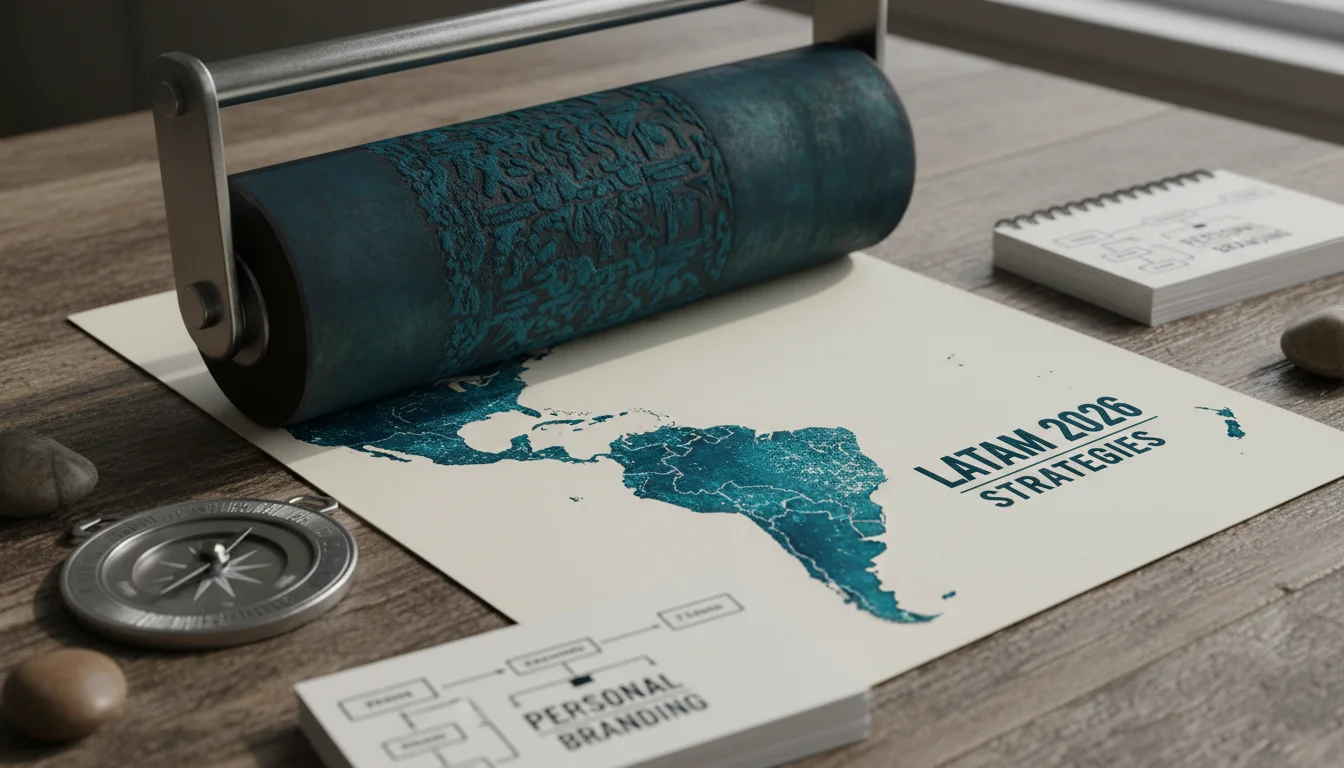
The rapidly shifting digital and economic currents across Latin America present a unique challenge for individuals aiming to establish or maintain a strong personal branding presence. Traditional approaches to self-promotion often fall flat in a region characterized by diverse cultures, evolving digital adoption, and distinct communication preferences. This environment demands a strategic pivot, moving beyond generic online profiles to deeply integrated, culturally resonant personal narratives that genuinely connect with audiences. The question becomes: how does one build an enduring personal brand amidst such dynamic market shifts in LATAM?
Many professionals initially approach personal branding in LATAM with a one-size-fits-all global strategy, often borrowed from North American or European models. This usually starts with a LinkedIn profile, perhaps a professional website, and some content sharing on mainstream platforms like Facebook or Instagram. The flaw here is a fundamental misunderstanding of regional digital ecosystems and cultural communication styles. For instance, while LinkedIn holds professional weight, its engagement patterns and perceived authenticity differ significantly across countries like Mexico, Brazil, and Argentina. Copy-pasting content without local context or neglecting the prevalence of messaging apps for business communication are common missteps.
I’ve seen countless attempts to launch a personal brand in Santiago or Bogotá that mirror strategies successful in New York or London, only to achieve minimal traction. One common failure point involves neglecting the dominant role of platforms like WhatsApp Business for direct client interaction and community building. Many assume a strong website alone will suffice, underestimating the preference for direct, informal, and often audio-based communication prevalent in many LATAM markets. Without integrating these platforms, a brand can feel distant and inaccessible, eroding trust before it even begins to form. Another error is failing to acknowledge the nuanced political and social sensitivities that vary greatly from one LATAM country to another. What resonates positively in one nation might be misinterpreted or even offensive in another. This oversight can quickly alienate potential audiences and undermine credibility.
Building a resilient personal brand in LATAM requires a multi-faceted approach, grounded in deep local insight and continuous adaptation. The first step involves rigorous market research. This is not about broad demographic data. It’s about understanding specific digital consumption habits, preferred communication channels, and cultural nuances within your target LATAM sub-region. For example, a eMarketer report from 2023 (forecasting through 2026) highlighted significant growth in digital ad spending across LATAM, but also noted distinct platform preferences. Brazil, for instance, shows high engagement on Instagram and TikTok, while Mexico leans heavily into Facebook and YouTube. Understanding these platform-specific behaviors is paramount.
Once you have a clear picture of your audience’s digital habitat, the next critical phase is content localization and format adaptation. This extends beyond language translation. It means tailoring your messaging, imagery, and even the format of your content to resonate culturally. Consider the rise of audio content, for example. Podcasts and voice notes are incredibly popular in many LATAM countries, offering a more personal and accessible way to consume information. Creating short, insightful audio clips or participating in local podcasts can significantly boost your reach and perceived authenticity. Similarly, short-form video content, particularly on platforms like TikTok for Business and Instagram Reels, dominates engagement. A personal brand that fails to produce compelling, culturally relevant short videos is missing a substantial opportunity to connect.
Developing a strong personal brand also means actively participating in local digital communities. This isn’t just about posting. It’s about engaging in conversations, offering value, and building genuine relationships. Join relevant Facebook groups, participate in industry-specific WhatsApp chats, and attend virtual events focused on your niche within LATAM. Your presence in these spaces, coupled with thoughtful contributions, establishes you as a recognized and trusted voice. Authenticity is key here. Forced participation is easily detected and can damage your reputation.
Another important element is demonstrating thought leadership through local case studies and insights. Instead of referencing global trends exclusively, weave in examples from specific LATAM markets or companies. Discussing how a particular marketing strategy succeeded for a startup in Medellín or analyzing a regulatory change affecting businesses in Buenos Aires positions you as someone with a deep, practical understanding of the region. This specificity builds immense credibility. For instance, when discussing e-commerce trends, referencing the success of Mercado Libre across multiple LATAM countries provides far more impact than a generic statement about online retail growth.
Finally, consistently measuring your impact and being prepared to iterate is non-negotiable. Track engagement rates on your chosen platforms, monitor sentiment around your content, and solicit feedback from your audience. Tools like Meta Creator Studio or native analytics on TikTok provide valuable data on audience demographics and content performance. Don’t just look at follower counts. Focus on metrics like comment quality, share rates, and direct messages. Are people asking you specific questions? Are they referencing your insights in their own discussions? These are indicators of true brand influence. A personal brand is never “finished”. It’s a living entity that requires constant nurturing and adjustment based on real-time feedback and evolving market conditions.
The observable results of a well-executed, locally adapted personal branding strategy in LATAM are significant and measurable. Professionals who genuinely engage with regional nuances see increased visibility within their target markets. This translates into more speaking invitations at LATAM-focused conferences, higher engagement rates on localized content (often 2-3 times higher than generic posts), and a stronger pipeline of regional clients or collaborators. For example, a consultant who consistently shares insights on digital transformation challenges specific to São Paulo’s tech sector, using Portuguese and referencing local startups, will inevitably attract more attention from Brazilian companies than a consultant posting generic global advice in English. This focused approach builds a reputation as an expert with relevant, actionable knowledge, leading to tangible business opportunities and career advancement within the region. The trust built through authentic engagement is invaluable, fostering long-term relationships and establishing a durable professional identity that transcends fleeting digital trends.
Working through the complex and lively markets of LATAM with a strong personal brand demands more than just an online presence. It requires a strategic, culturally sensitive, and continuously adaptive approach. By deeply understanding local digital behaviors, tailoring content formats, and actively engaging with regional communities, professionals can cultivate a powerful personal brand that resonates authentically and delivers measurable impact in this dynamic region. For more on how to boost personal brand engagement, explore our related content.
What are the most common mistakes in personal branding for LATAM?
The most common mistakes include applying a generic global strategy without local adaptation, neglecting the prevalence of messaging apps like WhatsApp for business communication, failing to localize content beyond simple translation, and overlooking the distinct cultural and political sensitivities across different LATAM countries.
Which digital platforms are most effective for personal branding in LATAM?
Effectiveness varies by country, but generally, platforms like Instagram, TikTok, Facebook, and YouTube are highly engaged. WhatsApp Business is also critical for direct communication and community building. LinkedIn remains important for professional networking, but its usage patterns differ from other regions.
How important is language in personal branding for LATAM?
Language is extremely important. While English has a presence, communicating in local languages like Spanish and Portuguese significantly enhances authenticity and reach. Beyond direct translation, adapting tone, idioms, and cultural references ensures your message truly resonates with the local audience.
What kind of content performs best for personal branding in LATAM?
Short-form video content (e.g., TikTok, Instagram Reels), audio content (podcasts, voice notes), and locally relevant case studies or insights tend to perform exceptionally well. Content that addresses specific regional challenges or celebrates local successes builds stronger connections.
How can I measure the success of my personal branding efforts in LATAM?
Measure success by tracking engagement rates (comments, shares, saves), sentiment analysis of audience feedback, growth in relevant local followers, and the number of inbound inquiries or opportunities from your target LATAM markets. Focus on quality interactions over mere follower counts.
“G2’s 2026 Answer Economy research found that 51% of B2B software buyers start their research with an AI chatbot more often than Google. That shift means marketing teams need to track not only traditional search performance but also how AI assistants and answer engines mention, cite, and recommend brands.”


