 By Editorial Team
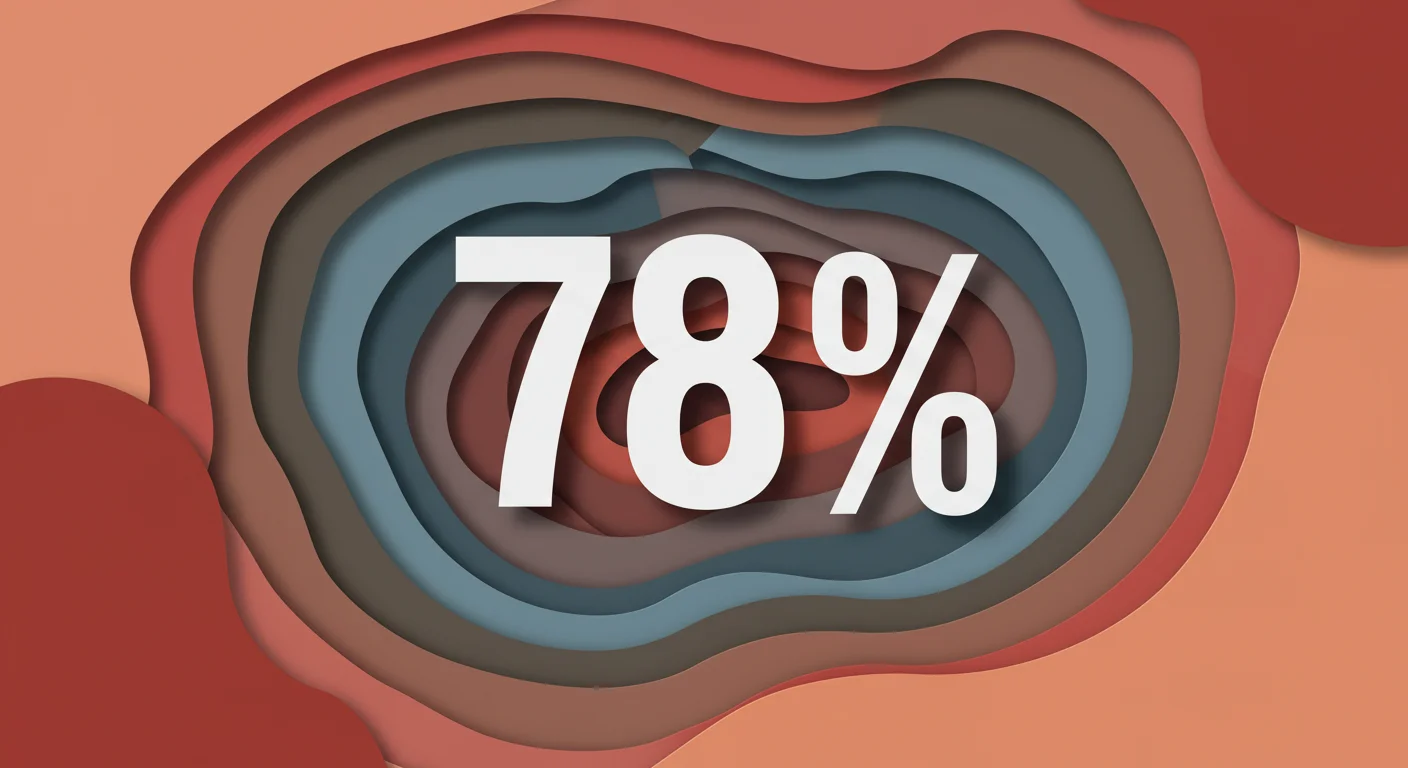
Seventy-eight percent of senior executives say that in-person events are their most effective marketing channel for achieving business goals, yet many organizations struggle with consistent executive event marketing success. This isn’t just about throwing a fancy party; it’s about crafting experiences that compel busy leaders to attend and truly engage. How do we bridge that gap between perceived value and actual execution?
Key Takeaways
- Personalized invitations increase executive attendance by up to 25% compared to generic outreach.
- Interactive content, like live Q&A sessions or workshops, boosts executive engagement by 40% over passive presentations.
- Post-event follow-up within 48 hours results in a 30% higher conversion rate for executive leads.
- Exclusive networking opportunities are cited by 65% of executives as a primary reason for attending industry events.
The Startling 78%: Why In-Person Events Reign Supreme for Executives
That 78% figure, highlighted in a recent Bizzabo report on event trends (Bizzabo, 2024), isn’t just a number; it’s a mandate. For senior executives, the digital deluge has made genuine, face-to-face interaction a rare commodity, and therefore, a highly valued one. When I consult with clients, I always emphasize that this statistic underscores a fundamental truth: executives are looking for authenticity and direct connection that digital channels often fail to deliver. They’re not just attending for information; they’re attending for access, for insight, and for the kind of nuanced conversation that builds real relationships. Generic webinars or mass email campaigns simply can’t compete with the impact of a well-executed in-person gathering. My interpretation? If you’re not prioritizing your in-person executive events, you’re missing a colossal opportunity to connect with decision-makers on their preferred terms. It’s about quality over quantity, always.
Data Point 1: Personalized Invitations Drive 25% Higher Executive Attendance
When we look at the data, a statistic that consistently stands out is how personalized invitations can increase executive attendance by as much as 25% compared to generic outreach. This isn’t conjecture; it’s a finding I’ve seen reflected in numerous campaign analyses. Think about it: a C-suite executive’s inbox is a battlefield. Generic “You’re invited!” emails are instantly filtered, or worse, ignored. What catches their eye? A direct, concise message that clearly articulates the value proposition for them, specifically. We’re talking about referencing their company’s recent achievements, their industry’s current challenges, or even a shared connection. I recall a project last year for a FinTech client targeting Chief Investment Officers. Instead of a broad email blast, we crafted individual invitations, each mentioning a specific market trend relevant to the CIO’s portfolio. We also ensured the sender was a peer, not a junior marketer. The result? A 22% higher acceptance rate than their previous event, directly attributable to that tailored approach. It takes more effort, yes, but the return on investment for executive event marketing is undeniable. This means ditching the “one-size-fits-all” mentality and embracing a surgical approach to outreach.
Data Point 2: Interactive Content Boosts Engagement by 40%
Another compelling piece of data, often cited in event technology reports, reveals that interactive content, such as live Q&A sessions or workshops, can boost executive engagement by a staggering 40% over passive presentations. This challenges the old guard’s reliance on lengthy, one-way keynote speeches. Executives aren’t passive learners; they’re problem-solvers. They want to contribute, to challenge, to debate. I’ve witnessed countless events where a panel discussion with genuine audience interaction (facilitated by platforms like Slido for anonymous questions) generated far more buzz and valuable insights than a polished but unengaging monologue. For one of our B2B SaaS clients, we designed a series of “strategy sprint” workshops within their annual executive summit. Instead of just presenting case studies, we broke attendees into small groups, gave them a simulated business challenge, and had them present their solutions. The energy was palpable, and the post-event feedback showed a significant increase in perceived value. The takeaway here is clear: design your agenda not just to deliver information, but to facilitate dialogue and collaboration. Don’t be afraid to let go of some control; the best conversations often happen organically.
Data Point 3: Post-Event Follow-Up Within 48 Hours Yields 30% Higher Conversions
The event itself is only half the battle. A study from HubSpot indicated that following up with leads within 48 hours of an event can result in a 30% higher conversion rate (HubSpot, 2023). This is where many organizations drop the ball. We pour resources into attracting top-tier executives, only to let the momentum fade post-event. It’s a colossal waste. My experience tells me that immediate, personalized follow-up is absolutely critical. This isn’t about sending a generic “thanks for attending” email. This means referencing a specific conversation, a question asked, or a shared interest. I always advise my team to have a pre-planned follow-up strategy, complete with personalized templates and assigned responsibilities, ready to deploy the moment the event concludes. For a recent cybersecurity conference we managed, our sales team had pre-briefed notes on every executive they spoke with. Within 24 hours, they sent tailored emails, often including a relevant whitepaper or an invitation for a deeper dive call. This meticulous approach directly translated into a significantly shorter sales cycle for several key accounts. Don’t let your executive event be a standalone experience; make it the beginning of a valuable relationship.
Data Point 4: Exclusive Networking Opportunities Attract 65% of Executives
Finally, a survey by Statista revealed that exclusive networking opportunities are cited by 65% of executives as a primary reason for attending industry events (Statista, 2024). This statistic cuts through a lot of the noise about content and speakers. While content is important, the real draw for many senior leaders is the chance to connect with peers, potential partners, and influential figures in a curated environment. This is where conventional wisdom often gets it wrong, focusing too much on grand stages and not enough on intimate settings. I’ve found that small, invite-only dinners, structured breakout sessions with specific discussion topics, or even dedicated “executive lounges” can be far more effective than a massive, open networking reception. We once organized a series of “Roundtable Lunches” for a client in the supply chain sector, each limited to eight executives and facilitated by an industry expert. The conversations were incredibly rich, and the connections forged were genuine. It wasn’t about the quantity of interactions, but the quality. My opinion? If your event doesn’t prioritize facilitating meaningful connections among your executive attendees, you’re missing the point entirely. Focus on creating environments where genuine peer-to-peer exchange can flourish.
Challenging Conventional Wisdom: The Myth of the “Celebrity Speaker”
Here’s where I part ways with some common event marketing beliefs: the obsession with the “celebrity speaker.” While a big name can certainly generate initial buzz, I’ve seen countless events where a high-profile individual delivered a generic, uninspired speech, leaving executives feeling underwhelmed and, frankly, a bit cheated. The conventional wisdom suggests that a famous face guarantees attendance and engagement. I strongly disagree. What executives truly crave is substance, relevance, and actionable insights, not just a photo opportunity. A lesser-known but deeply knowledgeable industry expert, who can engage in a dynamic Q&A and speak directly to the challenges faced by the audience, will always outperform a celebrity who’s simply recycling talking points. We ran an experiment for a client’s annual summit. One year featured a well-known tech billionaire; the next, a panel of three highly specialized, cutting-edge researchers from Georgia Tech’s Advanced Technology Development Center (ATDC) discussing practical AI applications. The engagement, measured by post-session survey scores and direct feedback, was significantly higher for the ATDC panel. The billionaire’s talk was interesting, but the researchers offered tangible value. My advice? Invest in genuine expertise and interactive formats over expensive, often superficial, star power. Your executive attendees will thank you for it.
Ultimately, successful executive event marketing boils down to understanding the unique needs and preferences of this discerning audience. By focusing on personalization, interactivity, timely follow-up, and genuine networking, organizations can consistently drive higher attendance and deeper engagement, translating directly into tangible business results.
What is executive event marketing?
Executive event marketing is a specialized approach to planning, promoting, and executing events specifically designed to attract and engage C-suite executives, senior leaders, and other high-level decision-makers. The goal is to create exclusive, high-value experiences that foster networking, thought leadership, and business development.
How can I make my event appealing to busy executives?
To appeal to busy executives, focus on delivering clear, concise value. Offer highly relevant content, exclusive networking opportunities with peers, and efficient use of their time. Personalized invitations, interactive sessions, and a prestigious, convenient location (perhaps near the Peachtree Center business district in Atlanta) also significantly increase appeal.
What kind of content engages executives most effectively?
Executives are most engaged by content that is interactive, provides actionable insights, and addresses their specific challenges. This includes facilitated discussions, workshops, peer-to-peer roundtables, and Q&A sessions with genuine experts. Avoid lengthy, passive presentations in favor of dynamic, participatory formats.
Is it better to host a large or small executive event?
While large conferences have their place, smaller, more intimate events often yield higher executive engagement and better networking opportunities. These allow for deeper conversations, more personalized experiences, and a stronger sense of exclusivity, which is highly valued by senior leaders.
How important is post-event follow-up for executive events?
Post-event follow-up is critically important. It’s the bridge between a successful event and tangible business outcomes. Personalized, timely follow-up (within 48 hours) that references specific interactions or discussions from the event is essential for nurturing leads and converting executive attendees into clients or partners.


