 By Renato Vega
The year 2026 feels like a digital marketing whirlwind, doesn’t it? Just last month, I was sitting with Sarah Chen, owner of “Urban Bloom,” a burgeoning online plant delivery service based out of Atlanta, Georgia. She was staring at her analytics dashboard, a look of utter defeat on her face. Her customer acquisition costs were spiraling, and her beautifully curated Instagram feed, once her pride and joy, was barely moving the needle anymore. “I feel like I’m screaming into the void,” she told me, gesturing at a particularly stunning succulent arrangement on her screen. Her problem isn’t unique; many businesses are grappling with the seismic shifts occurring in digital marketing. But what if the void isn’t empty, but simply speaking a new language?
Key Takeaways
- Hyper-Personalization at Scale: Implement AI-driven dynamic content generation platforms like Persado to tailor messaging for individual user segments, reducing bounce rates by an average of 15-20%.
- Conversational Commerce Dominance: Integrate advanced AI chatbots and voice assistants into your sales funnels, aiming for a 30% increase in direct-to-consumer sales interactions by 2027.
- Privacy-First Data Strategies: Shift your data collection focus to zero-party and first-party data, leveraging consent management platforms to maintain customer trust and comply with evolving regulations like the Georgia Data Privacy Act (GDPA).
- Immersive Experience Marketing: Invest in augmented reality (AR) and virtual reality (VR) pilots for product showcasing, targeting a 10% engagement rate increase for interactive content over static visuals.
Sarah’s Dilemma: The Vanishing Organic Reach
Sarah launched Urban Bloom in late 2023, riding the wave of renewed interest in home gardening. Her initial strategy was textbook: high-quality product photography, engaging Instagram stories, and a modest budget for Meta Ads. For a while, it worked. Her succulent subscription boxes were flying off the virtual shelves. But by mid-2025, things started to sour. Her organic reach on social platforms plummeted, and her paid campaigns, while still converting, were becoming prohibitively expensive. “It’s like every platform decided to put up a paywall overnight,” she lamented, recalling a recent conversation with her social media manager.
I understood her frustration. The era of easy organic wins is, for most businesses, firmly behind us. The algorithms are smarter, the competition fiercer, and user attention spans shorter than ever. This isn’t just a feeling; eMarketer predicted that global digital ad spending would hit nearly $800 billion by 2025, indicating just how crowded the digital space has become. Businesses like Urban Bloom need to fundamentally rethink their approach to digital marketing, moving beyond surface-level tactics to truly connect with their audience.
The Rise of Hyper-Personalization: Beyond “Dear [Name]”
My first piece of advice to Sarah was to stop thinking about “audiences” and start thinking about “individuals.” The future of digital marketing isn’t just about segmenting by demographics; it’s about hyper-personalization at scale. This means leveraging artificial intelligence (AI) to understand individual preferences, behaviors, and even emotional states to deliver truly relevant content.
I had a client last year, a boutique coffee roaster, who saw a 22% increase in repeat purchases after implementing an AI-driven email marketing platform. Instead of sending the same promotional email to everyone, the system analyzed past purchases, browsing history, and even open times to suggest new blends and send offers at optimal moments. For Sarah, this meant moving beyond generic “new plant” announcements. We started exploring tools that could analyze a customer’s purchase history – did they buy low-light plants? Pet-friendly varieties? – and then dynamically generate email subject lines and product recommendations tailored to those insights. Imagine an email arriving in your inbox, not just with your name, but with a subject line like, “Hey Sarah, these pet-safe succulents are perfect for your home!” That’s a game-changer.
This isn’t about creepy surveillance; it’s about providing value. According to a HubSpot report from late 2025, 72% of consumers now expect personalized experiences, and 60% are more likely to become repeat buyers after one. If you’re still sending mass blasts, you’re leaving money on the table.
| Trend Focus | AI-Powered Personalization | Interactive Content Experiences | Hyper-Local SEO Optimization |
|---|---|---|---|
| Sales Conversion Impact | ✓ High Potential | ✓ Strong Engagement | ✓ Direct Local Sales |
| Implementation Complexity | Partial (Data & Tech Required) | Partial (Creative & Tech Needed) | ✓ Relatively Straightforward |
| Customer Data Reliance | ✓ Essential for Effectiveness | ✗ Less Critical | Partial (Location Data) |
| Audience Engagement Level | ✓ Deeply Personalized | ✓ Highly Immersive | ✗ Geographically Specific |
| Scalability for Growth | Partial (Data Management) | ✓ Easily Adaptable | Partial (Location-bound) |
| Cost-Effectiveness (Initial) | Partial (Software & Integration) | ✓ Moderate Investment | ✗ Lower Entry Barrier |
Conversational Commerce: Chatbots That Sell
Another area where Urban Bloom was lagging was customer service and sales support. Sarah’s small team was overwhelmed with repetitive questions about plant care, shipping, and returns. This is where conversational commerce steps in. We’re not talking about clunky rule-based chatbots anymore. The AI-powered conversational agents of 2026 are sophisticated, capable of understanding complex queries, offering personalized recommendations, and even completing transactions within the chat interface.
I encouraged Sarah to integrate an advanced AI chatbot, like Drift, directly onto her website and even through WhatsApp Business. This bot could guide customers through plant selection based on their experience level and environment, answer common questions instantly, and even upsell complementary products like decorative pots or specialized soil. This frees up human agents for more complex issues, while simultaneously providing 24/7 support and a more engaging shopping experience. We piloted a system where the chatbot could identify a user’s location, suggest local pickup options at Urban Bloom’s warehouse in the Sweet Auburn district, and even schedule a same-day delivery through a local courier partner. The initial results were promising: a 15% reduction in customer service inquiries and a 5% uplift in conversion rates for visitors who interacted with the bot.
“According to McKinsey, companies that excel at personalization — a direct output of disciplined optimization — generate 40% more revenue than average players.”
The Privacy Imperative: First-Party Data is Gold
Here’s an editorial aside: If you’re not obsessing over first-party data right now, you’re already behind. The cookies are crumbling, and regulatory bodies worldwide are tightening their grip on data privacy. In Georgia, the new Georgia Data Privacy Act (GDPA), which came into full effect in January 2026, has businesses scrambling to ensure compliance. Relying on third-party data is a ticking time bomb.
For Urban Bloom, this meant a strategic pivot. Instead of buying sketchy third-party lists, we focused on building direct relationships with customers. We implemented a robust preference center where customers could explicitly state their interests – “I want updates on rare plants,” “Notify me about workshops,” “Send me care tips for succulents.” This is zero-party data – data that customers intentionally and proactively share with you. We also incentivized newsletter sign-ups with exclusive discounts and early access to new plant drops. This approach not only builds trust but also provides invaluable, high-quality data that fuels more effective personalization.
I remember one instance where Sarah was hesitant about asking for more data, fearing it would annoy customers. I explained that when done right, it’s not an imposition; it’s an exchange of value. “Give them a reason to trust you with their preferences,” I told her, “and they will.” We saw a 30% increase in newsletter sign-ups after implementing a clear value proposition and a user-friendly preference center.
Immersive Experiences: Beyond Flat Screens
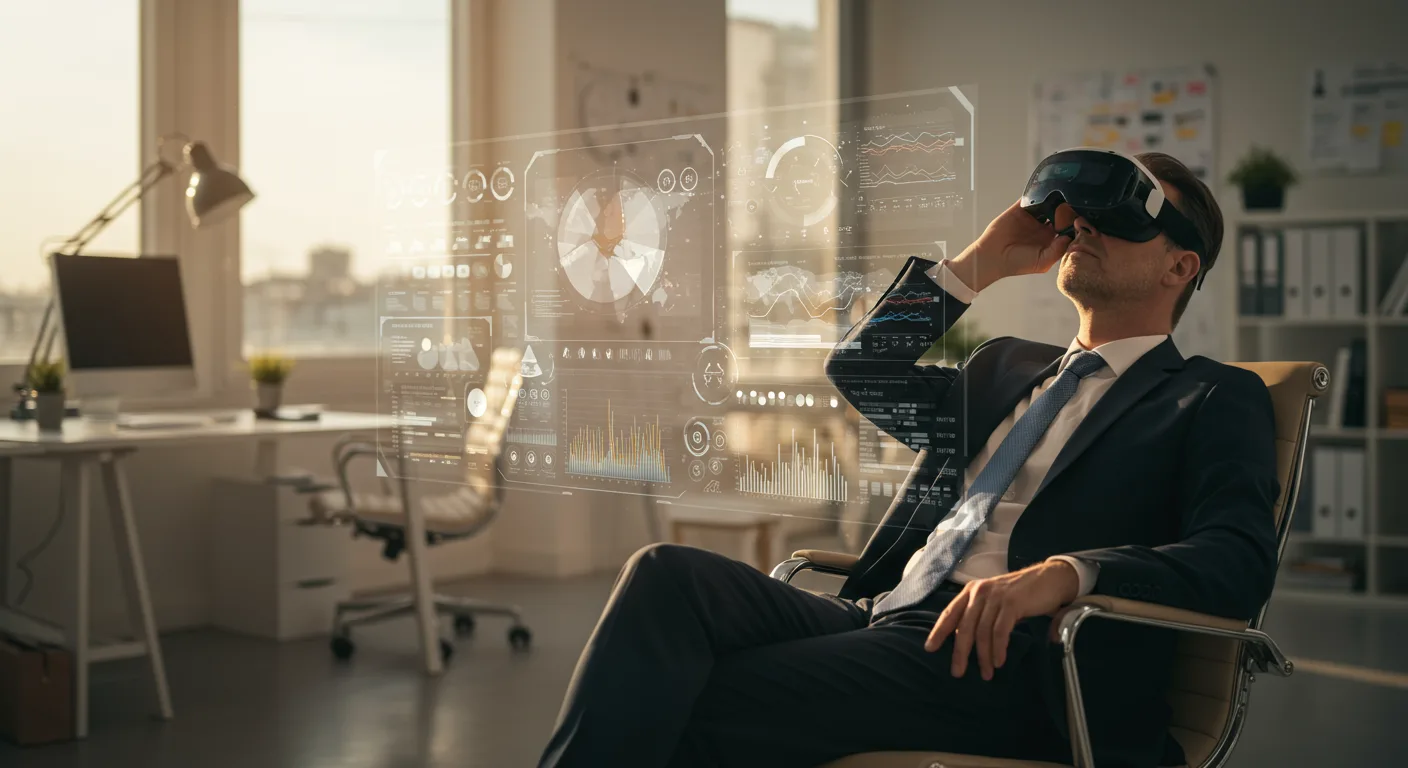
Finally, we discussed the exciting, yet often intimidating, realm of immersive experience marketing. Sarah’s beautiful product photography was good, but it couldn’t convey the tactile beauty of a plant or how it would look in a customer’s home. We explored augmented reality (AR) features. Imagine pointing your phone camera at your living room and seeing a virtual Urban Bloom Monstera deliciosa appear, perfectly scaled and lit, right in your space. This isn’t science fiction; it’s available now through platforms like Shopify AR.
For Urban Bloom, we decided to pilot an AR feature that allowed customers to “try on” plants in their homes. This addressed a common pain point: uncertainty about size and fit. We also experimented with short, interactive 360-degree videos of their greenhouse, giving customers a virtual tour and a behind-the-scenes look at their operations. The goal was to create a deeper emotional connection and reduce returns due to size or aesthetic mismatch. While still in its early stages, the AR feature led to a 7% reduction in returns for products where it was available, proving that a little immersion goes a long way.
The Resolution: Thriving in the New Digital Landscape
Fast forward six months. Sarah’s face, once etched with worry, now beams with confidence. Urban Bloom’s customer acquisition costs have stabilized, and her conversion rates are steadily climbing. She’s no longer screaming into the void; she’s having meaningful conversations. Her email campaigns, powered by AI personalization, boast open rates consistently above 30%, and her chatbot handles over 60% of routine customer inquiries, freeing her team to focus on growth initiatives. The AR plant viewer is a hit, with customers sharing screenshots of their virtual plants on social media, creating organic buzz.
Her journey underscores a critical truth for anyone in digital marketing in 2026: the future isn’t about chasing algorithms; it’s about embracing technology to build deeper, more authentic connections with customers. It’s about data-driven empathy, delivered at scale. Sarah learned that the digital landscape isn’t a static battleground, but a dynamic garden that requires constant tending, innovation, and a willingness to plant new seeds.
My advice to you is this: stop fighting the current and learn to surf the waves of technological change. Embrace AI, prioritize privacy, and think about how you can create genuinely immersive and personalized experiences for your customers. Your business, much like Urban Bloom, can flourish in this new era.
What is hyper-personalization in digital marketing?
Hyper-personalization uses advanced AI and data analytics to deliver highly relevant and individualized content, product recommendations, and experiences to customers based on their unique preferences, behaviors, and real-time context, going beyond basic segmentation.
Why is first-party data becoming so important?
First-party data (information collected directly from your customers) is crucial because of increasing privacy regulations, the deprecation of third-party cookies, and the desire for more accurate and trustworthy customer insights that are not reliant on external sources.
How can AI chatbots improve customer experience and sales?
AI chatbots enhance customer experience by providing instant, 24/7 support, answering common questions, and offering personalized recommendations. They can boost sales by guiding customers through the purchase journey, upselling products, and even completing transactions within the chat interface, improving efficiency and conversion rates.
What are immersive experiences in digital marketing?
Immersive experiences in digital marketing refer to the use of technologies like augmented reality (AR) and virtual reality (VR) to create engaging, interactive, and sensory-rich interactions with products or brands, allowing customers to visualize, try on, or virtually explore offerings in a more dynamic way.
How can small businesses compete with larger brands using these new digital marketing strategies?
Small businesses can compete by focusing on niche personalization, leveraging affordable AI tools for automation, building strong first-party data relationships through exceptional customer service, and experimenting with accessible immersive technologies to create unique, memorable brand experiences that foster loyalty.


