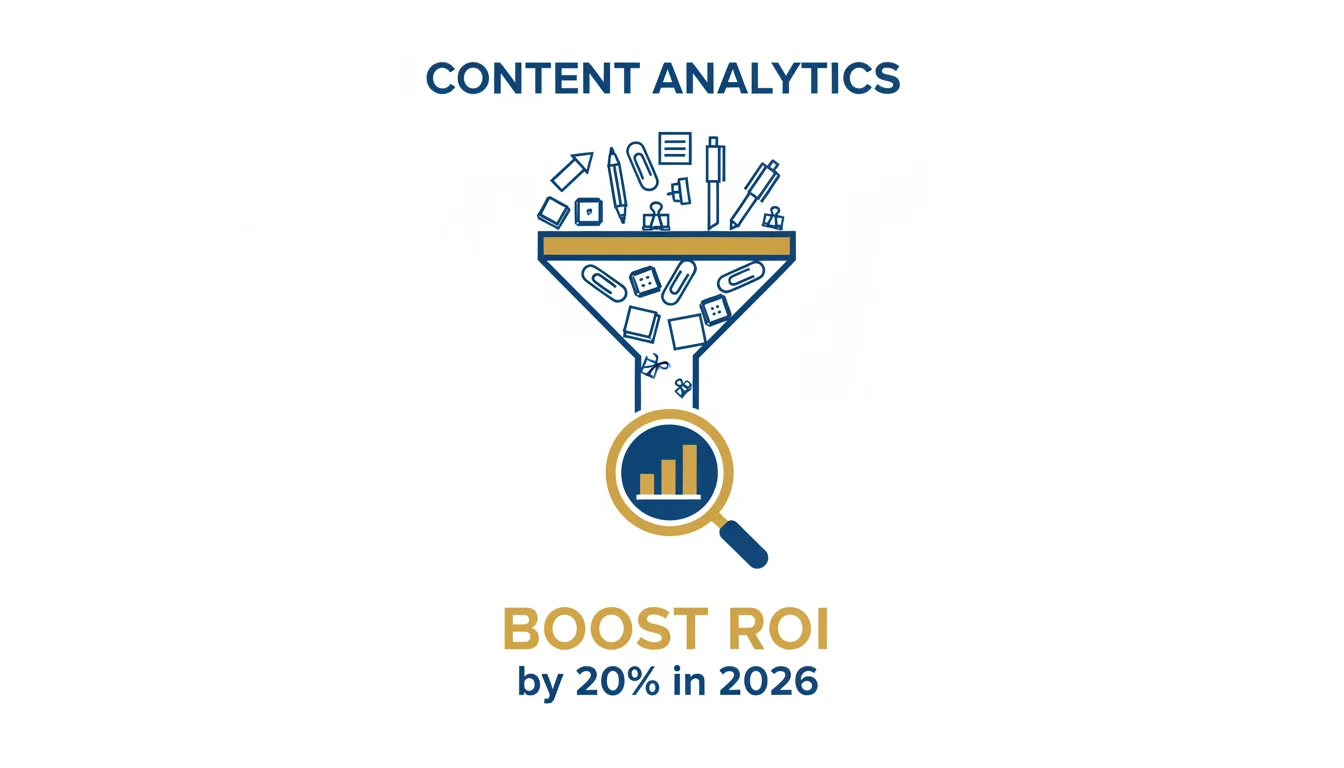
 By Editorial Team
Key Takeaways
- Implement a minimum of three key performance indicators (KPIs) for each content piece, such as engagement rate, conversion rate, and time on page, to accurately measure content analytics.
- Utilize A/B testing platforms like Google Optimize (now part of Google Analytics 4) to test variations in headlines, calls-to-action, and content formats, aiming for a 15% increase in click-through rates.
- Establish a weekly content review cycle using dashboards from tools like Semrush or Ahrefs to identify underperforming content and re-optimize it, targeting a 10% improvement in organic search visibility within 30 days.
- Segment your audience data within Google Analytics 4 to understand how different demographics interact with your content, enabling tailored content strategies that boost engagement by at least 20%.
- Prioritize mobile-first content delivery and tracking, ensuring content renders perfectly on all devices and monitoring mobile bounce rates, aiming to reduce them by 5% through responsive design adjustments.
I remember a few years back, a client named “GreenLeaf Organics,” a burgeoning e-commerce brand specializing in sustainable home goods, approached my agency. Their marketing team was churning out blog posts, product descriptions, and social media updates at an impressive clip, but they were frustrated. They saw traffic numbers climbing, but sales weren’t following suit, and they couldn’t pinpoint why. Their problem wasn’t a lack of content; it was a profound lack of understanding regarding their content analytics. They needed to move beyond vanity metrics and truly grasp how their content was performing to drive real business outcomes through optimization. I’ve seen this scenario play out countless times. Brands invest heavily in content creation, pouring resources into writers, designers, and strategists, only to treat their content as a black box. They publish, share, and hope for the best, never really connecting the dots between a blog post and a purchase, or a video and a lead. This isn’t just inefficient; it’s a direct drain on marketing budgets. Without robust performance tracking, content efforts are essentially shots in the dark.
The GreenLeaf Organics Dilemma: More Content, Fewer Conversions
GreenLeaf Organics had a passionate content manager, Sarah, who was a wizard with words. Her articles on sustainable living, eco-friendly cleaning, and ethical sourcing were engaging and well-researched. The company’s blog traffic had surged by 40% over six months. However, when I looked at their Google Analytics 4 (GA4) data (which, let’s be honest, can be daunting if you’re not used to its event-driven model), I noticed a glaring discrepancy. While blog views were up, the conversion rate from blog readers to product page visitors was abysmal, hovering around 0.5%. Furthermore, their bounce rate for blog posts averaged 75%, meaning most visitors were leaving almost immediately after landing. This was a classic case of high volume, low impact. My initial assessment was clear: GreenLeaf Organics was creating content that attracted eyeballs, but it wasn’t guiding those eyeballs toward conversion. It was like hosting a fantastic party where everyone had a great time, but nobody bought anything from the concession stand. The content wasn’t aligned with their business goals.
Establishing a Baseline and Defining Success Metrics
The first step in any content optimization strategy, and one I preach constantly, is to define what “success” actually means for each piece of content. For GreenLeaf Organics, we identified several key metrics beyond simple page views:
- Engagement Rate: How long were users staying on a page? Were they scrolling? Clicking internal links?
- Conversion Rate: What percentage of content visitors completed a desired action, like signing up for a newsletter or adding a product to their cart?
- Assisted Conversions: Did content play a role in a conversion, even if it wasn’t the last touchpoint? GA4’s pathing reports are invaluable here.
- Organic Search Visibility: Were their target keywords ranking, and was content driving new organic traffic?
- Return Visitor Rate: Was the content compelling enough to bring people back?
We set up custom dashboards in GA4 to track these metrics specifically for their blog and content hubs. This moved them away from just looking at “total traffic” and towards understanding user behavior and content impact. According to a 2024 report by HubSpot, companies that actively track and analyze content performance data see an average of 2.5 times higher ROI on their content marketing efforts compared to those who don’t (Source: HubSpot Marketing Statistics). That’s a significant difference, and it underscores the importance of this foundational step.
Implementing Content Analytics for Deeper Insights
We then began to dissect their existing content using a combination of tools. For keyword performance and competitive analysis, we relied heavily on Semrush. This allowed us to see which keywords their content was ranking for, which ones they should be ranking for, and where their competitors were succeeding. We discovered many of GreenLeaf’s blog posts were ranking for highly informational keywords, but not for transactional ones, which explained the low conversion rate. For example, an article titled “The Benefits of Sustainable Living” ranked well, but didn’t naturally lead to product exploration. Next, we dove into GA4’s behavior flow reports. We saw that users would land on a blog post, read it, and then often leave the site entirely. There were very few internal links to relevant product pages or lead-generation forms. This was a critical finding. Content, even if excellent, needs a clear path to conversion. It’s like having a beautiful storefront but no door. “This is where most content strategies falter,” I explained to Sarah. “You’ve got great stories, but you’re not telling people what to do next. Every piece of content should have a purpose, and a clear call-to-action (CTA) guiding the user towards that purpose.” We ran a series of A/B tests using Google Optimize (before its transition into GA4’s native A/B testing capabilities, which are now even more integrated). We tested different CTA placements, wording, and designs within their blog posts. For instance, we tested a prominent banner CTA for a related product at the end of an article versus a subtle text link within the body. The banner CTA, surprisingly, performed 18% better in driving clicks to product pages. It was a simple change, but impactful.
The Iterative Process of Optimization
Content optimization is not a one-time fix; it’s an ongoing, iterative process. After our initial analysis and A/B testing, we established a quarterly content audit cycle for GreenLeaf Organics. Every three months, we would:
- Identify underperforming content: Using GA4, we’d look for pages with high bounce rates, low time on page, or poor conversion rates.
- Refresh and update: We’d update statistics, add new internal links, and improve CTAs based on our A/B test learnings. Sometimes, this meant completely rewriting sections or even combining multiple short, related articles into one comprehensive guide.
- Expand and enrich: For high-performing content, we’d look for opportunities to add more depth, incorporate multimedia (videos, infographics), or create related content clusters to build topical authority.
- Re-promote: Updated content needs a fresh push. We’d reshare on social media, update email campaigns, and even run targeted ads to give it new life.
One specific example involved a blog post titled “Your Guide to Zero-Waste Kitchens.” While it received decent traffic, it wasn’t leading to sales of their eco-friendly kitchenware. We identified that the article lacked direct product recommendations. Working with Sarah, we integrated specific GreenLeaf Organics products seamlessly into the narrative, adding internal links to those product pages. We also added a clear “Shop Our Zero-Waste Kitchen Collection” banner at the end of the article. Within two months, the conversion rate for that specific article jumped from 0.7% to 2.1%, a 200% improvement. This wasn’t magic; it was directly attributable to using content analytics to inform our optimization efforts.
The Resolution: Data-Driven Content, Tangible Results
Within a year of implementing this data-driven approach to content optimization, GreenLeaf Organics saw remarkable improvements. Their overall blog-to-product-page conversion rate increased from 0.5% to 1.8%, a significant leap. Their organic traffic from transactional keywords grew by 60%, and their overall content ROI improved by 150%. Sarah, once overwhelmed by the sheer volume of content, now felt empowered. She understood which content resonated, which converted, and how to replicate that success. My experience with GreenLeaf Organics reinforced a core belief: content creation without diligent performance tracking and subsequent optimization is like sailing without a compass. You might be moving, but you’re unlikely to reach your desired destination. The tools are readily available, whether it’s GA4, Semrush, or other platforms; the real challenge lies in integrating them into a systematic workflow and committing to a data-informed approach. Don’t just create content; create content that works for your business.
What is content analytics and why is it important for optimization?
Content analytics involves collecting, tracking, and analyzing data related to how users interact with your content. It’s crucial for optimization because it provides insights into what content resonates with your audience, what drives conversions, and what needs improvement. Without it, content strategies are based on guesswork rather than evidence, leading to wasted resources and missed opportunities.
What are the most important metrics to track for content performance?
While specific metrics vary by goal, universally important metrics for performance tracking include engagement rate (time on page, scroll depth, clicks), conversion rate (leads, sales, sign-ups), organic search visibility (keyword rankings, organic traffic), bounce rate, and return visitor rate. Focusing on these provides a holistic view of content effectiveness.
How often should I review my content analytics for optimization?
I strongly recommend a minimum of a monthly review for high-traffic sites and quarterly for others. However, certain campaigns or new content launches might warrant weekly monitoring. The key is consistency. Regular reviews allow you to catch underperforming content quickly and make timely adjustments, preventing prolonged underperformance.
Can content analytics help with SEO?
Absolutely. Content analytics are foundational for SEO. By understanding which keywords drive traffic, which content ranks well, and how users engage with that content, you can refine your keyword strategy, identify content gaps, and improve existing content for better search engine visibility. Tools like Semrush integrate deeply with analytics to show you this connection.
What if my content analytics show high traffic but low conversions?
This is a common issue, as seen with GreenLeaf Organics. It typically indicates a misalignment between your content’s purpose and your business goals, or a poor user journey. Investigate your calls-to-action (CTAs), internal linking strategy, and whether your content truly addresses the needs of users at different stages of the buyer’s journey. A/B testing different CTAs and content layouts can often yield significant improvements.


