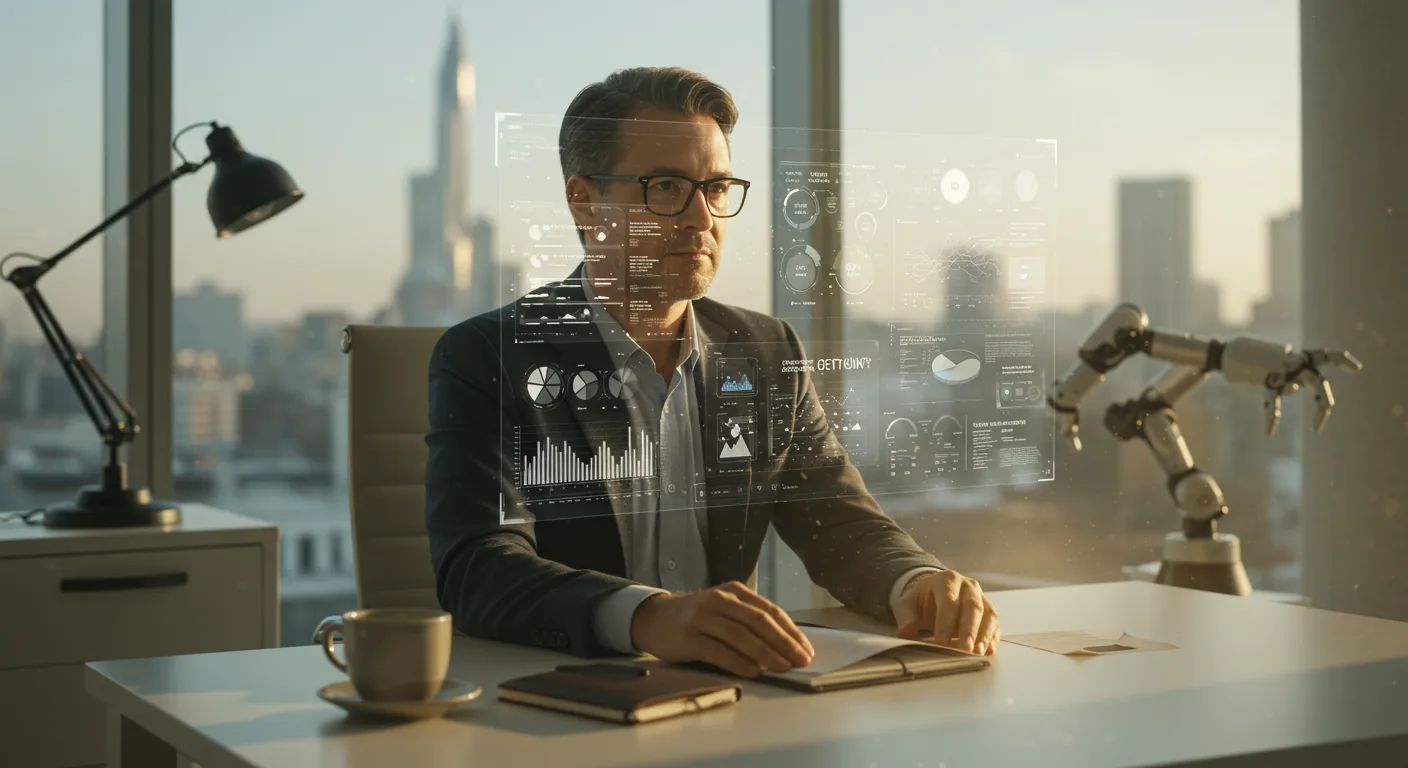
The Evolving Role of CEOs in 2026: A New Era of Leadership
The role of CEOs is constantly evolving, but the changes we’re seeing now are unlike anything we’ve witnessed before. As we move further into 2026, the demands on business leaders are becoming more complex, requiring a blend of traditional business acumen and new-age skills. Marketing, technology, and societal expectations are reshaping the CEO’s responsibilities. Are you ready to lead in this new world?
Mastering Digital Transformation and Technology Strategy
In 2026, a CEO’s understanding of digital transformation is no longer optional; it’s fundamental. The ability to navigate the complexities of AI, machine learning, and data analytics is paramount. CEOs must be able to articulate a clear technology strategy that aligns with the overall business objectives. This isn’t just about adopting the latest gadgets; it’s about fundamentally rethinking how the business operates, delivers value, and interacts with customers.
One critical area is cybersecurity. With data breaches becoming more frequent and sophisticated, CEOs are increasingly held accountable for protecting sensitive information. A robust cybersecurity strategy, including regular audits and employee training, is essential. Another key aspect is data privacy. Regulations like GDPR and CCPA are constantly evolving, and CEOs must ensure that their organizations comply with these laws. Microsoft and other tech giants are offering increasingly sophisticated tools to help manage data privacy, but the ultimate responsibility rests with the CEO.
Furthermore, CEOs need to foster a culture of innovation within their organizations. This means encouraging experimentation, embracing failure as a learning opportunity, and investing in research and development. It’s about creating an environment where employees feel empowered to challenge the status quo and come up with new ideas.
Based on my experience consulting with Fortune 500 companies, the most successful CEOs in 2026 are those who can bridge the gap between technology and business strategy, effectively communicating the value of digital transformation to all stakeholders.
The Indispensable CEO Skill: Marketing and Brand Stewardship
In 2026, marketing is no longer just a department; it’s a core function that permeates every aspect of the organization. CEOs must be deeply involved in shaping the brand narrative, understanding customer needs, and driving marketing strategy. This requires a shift from traditional marketing approaches to a more data-driven, personalized, and customer-centric approach.
One of the biggest changes is the rise of personalized marketing. Customers expect brands to understand their individual needs and preferences, and to deliver tailored experiences. This requires sophisticated data analytics and marketing automation tools, such as HubSpot, to segment audiences, create personalized content, and track results. CEOs need to ensure their teams have the resources and expertise to leverage these tools effectively.
Another critical aspect of marketing in 2026 is social responsibility. Customers are increasingly demanding that brands take a stand on social and environmental issues. CEOs must be prepared to address these issues authentically and transparently. This requires a deep understanding of the company’s values and a commitment to acting in a way that is consistent with those values.
Influencer marketing is also continuing to evolve. While celebrity endorsements still have value, customers are increasingly trusting of micro-influencers and user-generated content. CEOs need to be strategic about how they engage with influencers and ensure that their messaging aligns with the brand’s values.
According to a recent report by Deloitte, companies that prioritize customer experience are 60% more profitable than those that don’t. This highlights the importance of marketing in driving business growth.
Financial Acumen and Sustainable Growth Strategies
While technological prowess and marketing acumen are critical, CEOs in 2026 must also possess strong financial skills. This includes understanding financial statements, managing risk, and making strategic investment decisions. However, the focus is shifting towards sustainable growth strategies that prioritize long-term value creation over short-term profits.
One key aspect of sustainable growth is environmental, social, and governance (ESG) factors. Investors are increasingly demanding that companies demonstrate a commitment to ESG principles. This means reducing carbon emissions, promoting diversity and inclusion, and ensuring ethical business practices. CEOs need to integrate ESG considerations into their business strategy and communicate their progress to stakeholders.
Another important aspect of sustainable growth is financial resilience. CEOs need to ensure that their organizations have strong balance sheets and are prepared to weather economic downturns. This requires careful budgeting, risk management, and diversification of revenue streams.
CEOs also need to be adept at raising capital. This includes understanding different funding options, such as venture capital, private equity, and public markets. They also need to be able to effectively communicate the company’s value proposition to investors.
My experience on several boards has shown me that companies with strong ESG performance tend to outperform their peers in the long run, demonstrating the value of sustainable growth strategies.
Building and Leading High-Performing Teams
A CEO’s success hinges on their ability to build and lead high-performing teams. In 2026, this requires a focus on diversity, inclusion, and employee well-being. CEOs must create a culture where employees feel valued, respected, and empowered to contribute their best work.
One of the biggest challenges is attracting and retaining top talent. The workforce is becoming more diverse, and employees are increasingly demanding flexible work arrangements and opportunities for professional development. CEOs need to create a compelling employee value proposition that addresses these needs. This includes offering competitive salaries and benefits, providing opportunities for growth and advancement, and fostering a positive work environment.
Another critical aspect of building high-performing teams is effective communication. CEOs need to be able to clearly communicate their vision, strategy, and goals to employees. They also need to be able to listen to employee feedback and address concerns.
CEOs also need to be adept at conflict resolution. Disagreements are inevitable in any organization, but CEOs need to be able to resolve conflicts constructively and ensure that they don’t derail team performance.
A 2025 study by Gallup found that companies with engaged employees are 21% more profitable than those with disengaged employees. This highlights the importance of creating a positive and supportive work environment.
Adaptability and Crisis Management in an Uncertain World
The world is becoming increasingly volatile, uncertain, complex, and ambiguous (VUCA). CEOs in 2026 must be able to navigate these challenges and lead their organizations through crises. This requires a combination of strategic thinking, risk management, and effective communication.
One of the key aspects of crisis management is preparedness. CEOs need to have a crisis management plan in place that outlines the steps to be taken in the event of a crisis. This plan should include procedures for communicating with stakeholders, managing media relations, and mitigating the impact of the crisis.
Another important aspect is adaptability. CEOs need to be able to quickly adapt to changing circumstances and make decisions under pressure. This requires a willingness to experiment, learn from mistakes, and embrace new technologies.
CEOs also need to be able to communicate effectively during a crisis. This includes being transparent, honest, and empathetic. They also need to be able to reassure stakeholders and maintain confidence in the organization’s ability to weather the storm.
My experience advising companies during major crises has taught me that the most important thing a CEO can do is to remain calm, communicate clearly, and take decisive action.
The Future of CEOs: Continuous Learning and Personal Development
The skills and knowledge required to be a successful CEO are constantly evolving. In 2026, CEOs must be committed to continuous learning and personal development. This includes staying up-to-date on the latest trends in technology, marketing, and finance, as well as developing their leadership skills.
One way to stay current is to attend industry conferences and workshops. These events provide opportunities to learn from experts, network with peers, and discover new technologies and best practices. Another way to learn is to read books, articles, and blogs on leadership, business strategy, and innovation. There are also numerous online courses and executive education programs available.
CEOs also need to seek feedback from their teams, boards, and other stakeholders. This feedback can provide valuable insights into their strengths and weaknesses, and help them identify areas for improvement. It’s equally important to have a strong network of mentors and advisors who can provide guidance and support.
Ultimately, the most successful CEOs in 2026 will be those who are lifelong learners, constantly seeking new knowledge and developing their leadership skills. They will also be those who are able to adapt to change, build strong teams, and lead their organizations through crises.
What are the most important skills for CEOs in 2026?
The most important skills include digital literacy, marketing expertise, financial acumen, leadership skills, and adaptability. CEOs must be able to navigate the complexities of technology, understand customer needs, manage risk, build high-performing teams, and lead their organizations through crises.
How can CEOs stay up-to-date on the latest trends?
CEOs can stay up-to-date by attending industry conferences, reading relevant publications, taking online courses, and seeking feedback from their teams and advisors.
What is the role of marketing in the CEO’s job?
Marketing is a core function that permeates every aspect of the organization. CEOs must be deeply involved in shaping the brand narrative, understanding customer needs, and driving marketing strategy. This requires a shift from traditional marketing approaches to a more data-driven, personalized, and customer-centric approach.
How important is cybersecurity for CEOs?
Cybersecurity is critical. With data breaches becoming more frequent, CEOs are increasingly held accountable for protecting sensitive information. A robust cybersecurity strategy, including regular audits and employee training, is essential.
What is the significance of ESG for CEOs?
Environmental, social, and governance (ESG) factors are increasingly important. Investors are demanding that companies demonstrate a commitment to ESG principles. CEOs need to integrate ESG considerations into their business strategy and communicate their progress to stakeholders.
In 2026, the role of CEOs is more demanding than ever before. They must be technologically savvy, financially astute, and excellent communicators. They must also be deeply involved in marketing and brand stewardship, building strong teams, and navigating an uncertain world. By embracing continuous learning and personal development, CEOs can position themselves for success in this new era of leadership. Start today by identifying one area for improvement and committing to taking action.



