 By Editorial Team
Key Takeaways
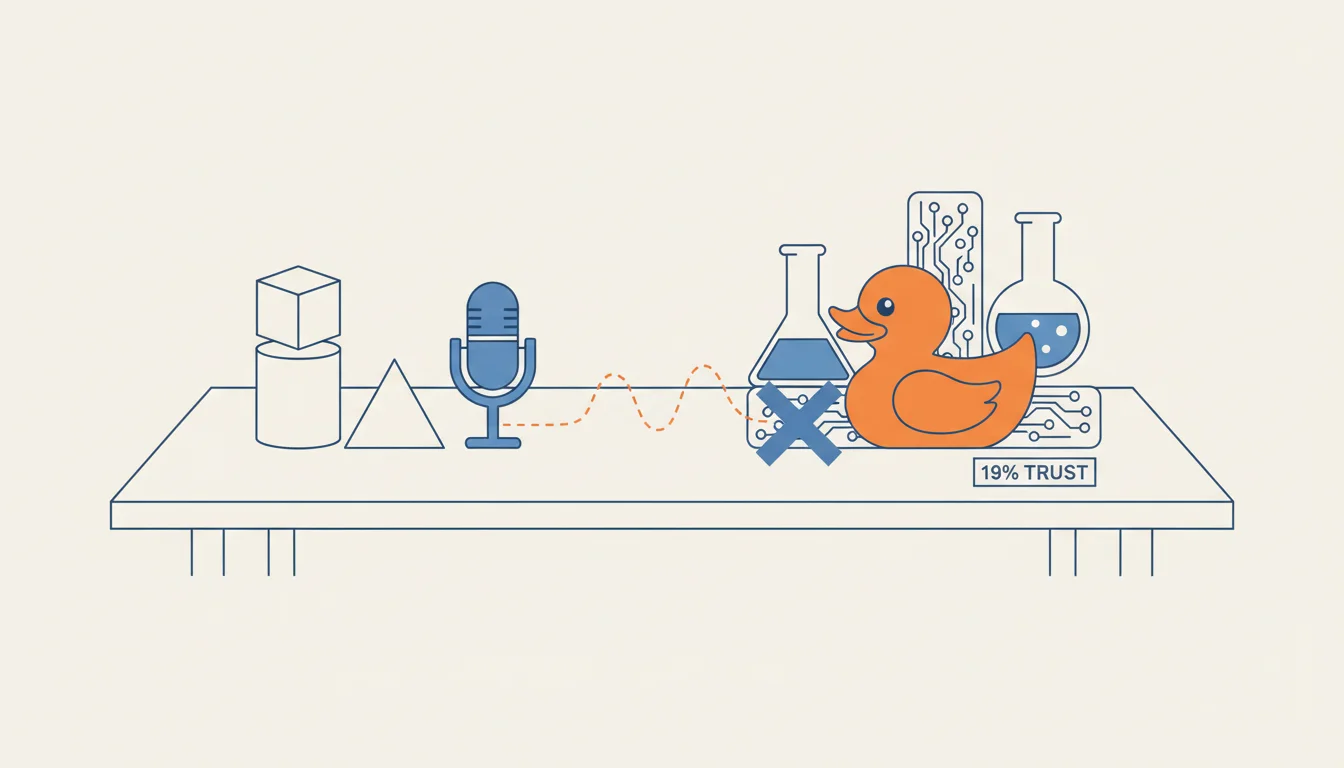
- If a celebrity’s persona doesn’t match your product, don’t expect trust, only 19% of consumers will believe it, which means you’re wasting money on the other 81%.
- A 23% jump in purchase intent comes from celebrities who are actual advocates and users, not just paid faces in a commercial.
- Forget massive reach. Campaigns with niche celebrities who have dedicated followings can deliver up to 3x the ROI by targeting the right people.
- Get it wrong and you’re not just ignored. Over 60% of people report feeling manipulated by fake-seeming endorsements, which actively damages your brand’s reputation.
The old playbook of just slapping a famous face on a product is dead. In a world of constant digital chatter, consumers have developed a sharp BS detector. A recent Nielsen study confirms it: an incredible 85% of people can spot a fake celebrity endorsement within the first 10 seconds of an ad. That number tells you everything you need to know about where things are headed. Successful brand alignment isn’t about how many people you reach anymore. It’s about who you resonate with.
Only 19% of Consumers Trust Misaligned Endorsements
That 19% figure from the 2025 IAB report on influencer marketing isn’t just a low number. It’s a giant warning sign for any marketer working on an endorsement deal. It means that for every five people who see your ad, four of them are likely to distrust it if the pairing feels off. Think about it: a notoriously health-conscious actor promoting a fast-food chain. The audience’s eyes just roll. My professional take is simple: they see the paycheck, not the passion, which makes the brand itself look shallow and untrustworthy. It suggests the whole relationship is superficial, and that reflects badly on your brand’s integrity. You have to move past looking at follower counts and dig into a potential endorser’s actual values and lifestyle. Do they have a genuine interest in your category? Have they ever mentioned using similar products before? Ignoring these fundamental questions is a direct path to burning through your marketing budget and wrecking your credibility.
23% Increase in Purchase Intent from Genuine Advocacy
The 23% average jump in purchase intent that HubSpot Research found in late 2024 comes from something very specific: genuine advocacy. We’re not talking about some staged photoshoot where they’re holding the product at an awkward angle. It’s about a musician who actually uses your audio gear in their studio videos or an athlete showing your sports drink as part of their real recovery routine, making the entire promotion feel less like an ad and more like a real piece of their life. The word “advocates” is doing all the work here. It implies they’ve moved past being a paid spokesperson to being a real user, and that’s exactly what audiences respond to. The magic happens when an audience sees a relatable experience instead of a marketing message. For anyone in the field, this means you should be actively looking for personalities who can weave your brand into the story they’re already telling, not forcing them into a new one.
Niche Celebrity Audiences Drive 3x Higher ROI
Everyone’s obsessed with follower counts, but that ‘bigger is better’ mindset is often wrong. Recent eMarketer data from early 2026 shows that campaigns featuring celebrities with smaller, niche audiences can pull in up to 3x higher ROI. It’s all about audience quality. If you’re a brand selling high-end artisanal coffee, partnering with a pop star gets you millions of generic impressions, but how many of them are serious coffee drinkers? A well-respected food blogger or a famous barista, even with a much smaller following, puts your product in front of thousands of highly qualified prospects. The engagement within these communities is almost always higher, leading to better conversations and, more importantly, more sales. It’s just precision targeting. My own experience backs this up completely: I’ve seen smaller, focused influencer campaigns absolutely demolish mega-celebrity deals on conversion metrics because the audience was already predisposed to trust that person’s opinion in that specific category.
Over 60% of Consumers Feel Manipulated by Inauthentic Endorsements
When a 2025 Nielsen Global Trust in Advertising study says that over 60% of people feel manipulated by a bad endorsement, that’s a five-alarm fire for brand managers. People don’t just tune it out. They actively form a negative opinion of your brand. It creates real, lasting damage. They might stop buying from you, or worse, start telling others how fake your marketing feels. The consumer backlash against what they see as deceptive advertising is growing louder. This isn’t just about adding a disclosure hashtag to stay out of legal trouble (though you must do that). It’s about protecting your brand’s goodwill which is your most valuable and fragile asset. Brands that keep pushing inauthentic partnerships are going to alienate their customers and find their reputation in tatters. Transparency and authenticity aren’t just conference-talk buzzwords. They’re the only things that build real trust in a market this skeptical.
Challenging the “Bigger is Better” Endorsement Myth
The whole idea that you just need the biggest celebrity name you can afford is a complete misunderstanding of how influence works now. I’ve always argued against it. While a celebrity with a massive following will certainly deliver a ton of impressions, those eyeballs are often shallow and fleeting if the connection to the brand feels irrelevant. The simple truth is that relevance trumps reach. A celebrity with a smaller, but deeply engaged and demographically correct audience, will deliver far better results. Imagine a tech brand launching new software for professional video editors. Why would you partner with a global pop sensation whose fans are mostly teenagers? It makes no sense. Collaborating with a respected YouTuber who reviews editing software for a dedicated community of 500,000 creators, on the other hand, will probably produce a much higher conversion rate despite the smaller audience size because that audience trusts their expertise. The “bigger is better” approach is how brands end up paying a fortune for exposure that never converts because it’s hitting the wrong people. It’s a bad gamble. You don’t just want to be seen. You need to be believed. Looking ahead to 2026, a smart, data-driven strategy that puts authenticity and genuine advocacy first is the only way to build strong connections and get real results.
What constitutes “brand alignment” in celebrity endorsements?
Brand alignment means the partnership just makes sense. The celebrity’s public image, their values, and how they live their life should match up with what your brand is all about, so the audience finds it believable that they’d actually use your product.
How can brands measure the authenticity of a celebrity endorsement?
You look at the data. Check the engagement on the sponsored posts, are people leaving real, specific comments or just fire emojis? Run sentiment analysis to see what the conversation around the partnership looks like. You can also use brand lift studies to see if people’s perception of your brand has actually improved. A high rate of positive, thoughtful comments is a great sign that it’s working.
Is it always better to choose a celebrity who already uses the product?
It’s not an absolute must, but it’s a massive advantage. If you can find a celebrity who’s already a fan of your product or a similar one, the partnership feels organic from day one. It helps remove that “they’re just doing it for the money” feeling, which immediately builds more trust with their audience and your potential customers.
What are the risks of poor celebrity brand alignment?
The risks are huge. You’ll get hit with consumer skepticism and distrust, which hurts your brand’s image. The ROI on your campaign will tank. And if the celebrity does something that goes against your brand’s values, you’re caught in the blowback. Long term, it just erodes your credibility and can lead to public accusations of being inauthentic.
How do niche celebrity endorsements compare to mainstream ones in terms of effectiveness?
Niche endorsements are often way more effective for specific brands. A huge mainstream star gives you broad, but shallow, reach. A niche expert gives you deep influence with a smaller group that’s perfectly targeted for your product. This usually leads to much higher conversion rates and a better ROI because their audience is already primed to trust their recommendations in that category.


