 By Editorial Team
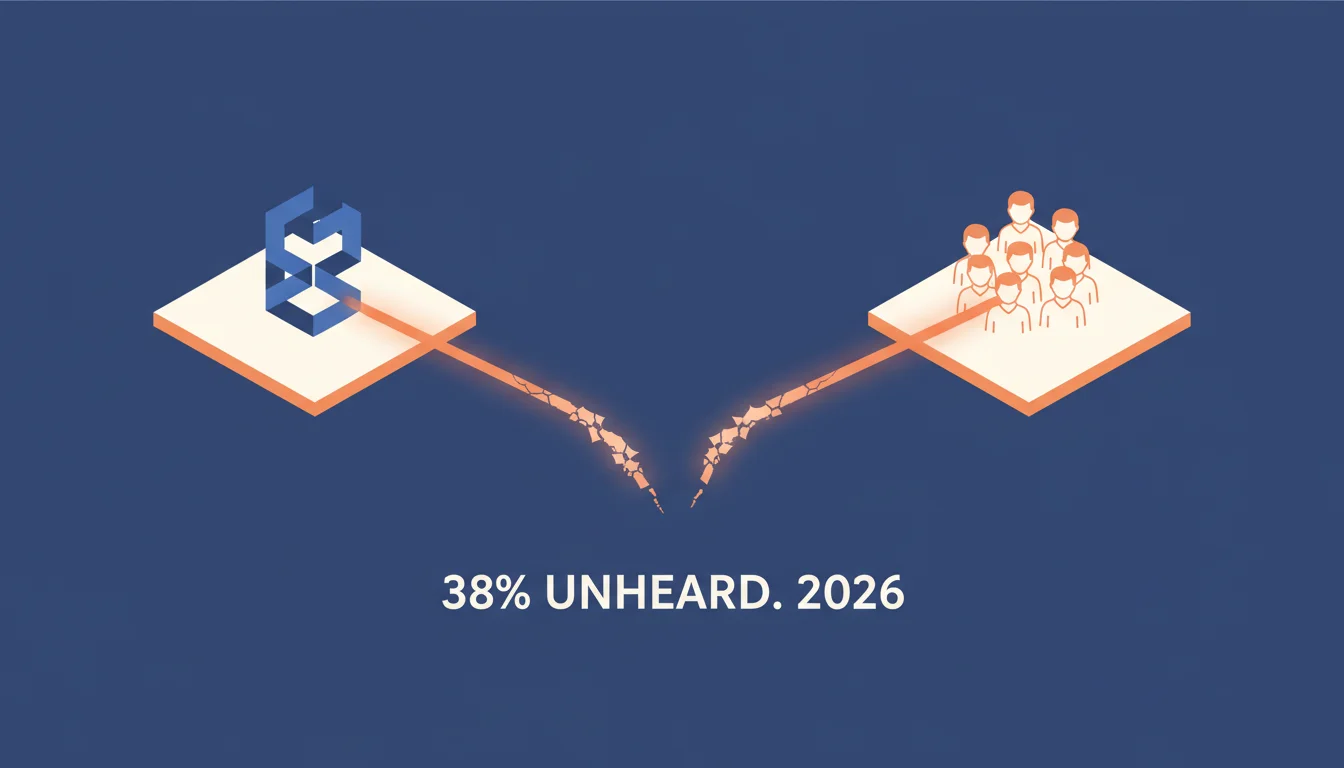
We’re spending a fortune on CRM systems and data analytics, yet a 2026 NielsenIQ report (The Evolving Consumer Field 2026) just dropped a bomb: only 38% of consumers feel genuinely understood by the brands they use all the time. That number tells you everything you need to know about the gap between our intentions and their perception. It’s a massive empathy deficit, and leaders have to ask how we’re going to fix it.
Key Takeaways
- A 2025 HubSpot Research report (Customer Loyalty Report 2025) found that brands with high emotional engagement see a 3x higher customer lifetime value than brands with low engagement.
- If you implement a feedback loop that actually analyzes sentiment from at least three places (think social media, surveys, and support tickets), you can expect to see customer satisfaction scores climb by an average of 15% within a year.
- Putting your front-line staff through training programs on active listening and seeing things from the customer’s side can cut your annual customer churn by as much as 10%.
- Earmarking at least 20% of your marketing budget for content that actually solves customer problems instead of just pushing product is a direct way to strengthen the bond between your brand and your customers.
Only 38% of Consumers Feel Understood: A Trust Deficit
That NielsenIQ statistic is brutal. It means that for all our advanced data collection, we’re failing to turn spreadsheets of information into actual insights about what our customers are feeling or what’s driving them. It’s about understanding *why* they bought something, not just that they did. What problem were they trying to solve with that purchase? What anxieties did they have? A retail brand might see a customer bought a pair of running shoes, but the real data is that they’re training for their first marathon and feel totally overwhelmed. That’s the insight that lets you create a communication strategy that connects. Right now, most brands are just shouting into the void and hoping for the best.
Brands with High Emotional Engagement See 3x Higher LTV
The 2025 report on customer loyalty from HubSpot Research puts hard numbers on this: a three-fold increase in customer lifetime value (LTV) for emotionally engaged customers is a fundamental shift in business trajectory. That’s not a rounding error. You don’t get there with points programs, though they can be part of the mix. This kind of lift comes from proving, consistently, that you care about the customer beyond the transaction. Think about a software company that does more than just offer great tech support. They proactively create tutorials and build community forums to head off common user frustrations before they become support tickets. That proactive approach makes customers feel like partners. So leaders need to ask: are we just selling a product, or are we building a relationship? The latter is a long-term, authentic effort to understand the people using your stuff.
Sentiment Analysis Across Three Channels Boosts Satisfaction by 15%
In my experience, one of the biggest reasons for this empathy gap is that customer feedback lives in silos. You have survey data over here, social media comments over there, and a pile of support tickets in another system, and nobody ever puts them together. You have to integrate and analyze the sentiment across at least three of these channels to get a full picture. For instance, a telco might see their survey responses are positive about network reliability, but a quick look at their social media mentions reveals massive frustration with their confusing billing statements, while their support tickets are flooded with calls about a buggy new app feature. By connecting these dots, they can see the whole story and identify a systemic problem that no single channel would have revealed. This is what it really means to “listen to the customer”, you have to listen, synthesize the information, and then act.
Internal Training Reduces Churn by Up to 10% Annually
Don’t underestimate the power of internal training. When you train your front-line people, customer service reps, sales associates, everyone, in active listening and basic perspective-taking, the effect on churn is immediate and real. A 10% reduction in annual churn is a huge win, and it’s directly tied to having employees who can connect with customers on a human level. This means equipping your team to pick up on unspoken needs, validate how a customer is feeling (even if they’re angry), and offer solutions that feel personal. A financial services firm could train its advisors to recognize the real-world stress clients have when talking about debt, allowing them to respond with compassion instead of just rattling off product specs. Empathy has to start inside the building. If your own employees don’t feel understood, it’s impossible for them to project that feeling outward to your customers. It’s a cultural shift that has to come from the top.
Challenging the “Always Be Selling” Mentality
The classic marketing playbook is all about the funnel, conversions, and pushing for the next transaction. While those metrics matter for growth, an obsessive focus on them can create a culture that values a quick sale over a long-term relationship, and that mentality is a huge barrier to brand empathy. Leaders should push their marketing teams to think about the customer’s whole world, their daily challenges, and how the brand can actually help. A content strategy that dedicates **at least 20% of its budget to genuinely useful guides** or educational resources builds trust and makes you a partner. This is a strategic investment in loyalty, not altruism. When you consistently provide value without sticking your hand out, you build a reserve of goodwill that pays off in repeat business and word-of-mouth. The most successful brands in 2026 will be the ones that have figured out how to deliver sustained value. We’ve seen platforms like Salesforce CRM evolve to help track these richer interactions, giving a more complete view of the customer relationship and enabling this exact shift.
Brand empathy isn’t a soft skill. It’s a strategic imperative with a measurable ROI. The leaders who get this, who prioritize understanding their customers beyond what the data dashboard says, are the ones who will build stronger, more resilient brands.
What is brand empathy?
It’s the brand’s ability to actually understand the feelings, needs, and viewpoints of its customers. This understanding leads to better connections and experiences because you’re designing and communicating with a real person in mind, not a demographic profile.
Why is brand empathy important for business leaders?
It directly impacts the bottom line. For leaders, empathy is the engine for better customer loyalty, higher lifetime value, and a stronger reputation. It leads to more effective product development and marketing because you’re solving real problems.
How can a brand measure its empathy?
You measure it with a mix of metrics: Customer Satisfaction (CSAT), Net Promoter Score (NPS), and customer churn rates are the big ones. You should also be doing qualitative sentiment analysis on social media, reviews, and support tickets. Watching these numbers tells you if customers feel heard.
What are practical steps to cultivate brand empathy?
First, set up solid feedback systems across multiple channels and actually listen. Second, train employees in active listening. Third, create detailed customer journey maps to find and fix pain points. And fourth, create content that solves problems instead of just selling products.
Can technology help improve brand empathy?
Yes, technology is a big part of the solution. AI-powered sentiment analysis tools can chew through huge amounts of customer feedback from reviews and social media to spot emotional trends. A well-configured CRM can give you a 360-degree view of a customer’s history, enabling much more personal responses. But technology is just a tool. Human judgment is still essential to apply those insights correctly.


