 By Editorial Team
A ton of bad advice gets passed around about social media for Black Friday, and it costs businesses real money in lost sales and wasted ad spend. Too many marketers are still running the same old playbook, completely missing how much shoppers and the platforms themselves have changed. If you don’t get these shifts in 2026, you’re not just at a disadvantage. You’re basically guaranteeing a competitor eats your lunch during the biggest shopping week of the year.
Key Takeaways
- Giving your followers exclusive early access or loyalty deals *before* Black Friday can bump your social conversions by up to 30%.
- Interactive stuff like shoppable livestreams and quizzes on platforms like TikTok for Business got 25% more engagement last year than just posting a static image during the big sales.
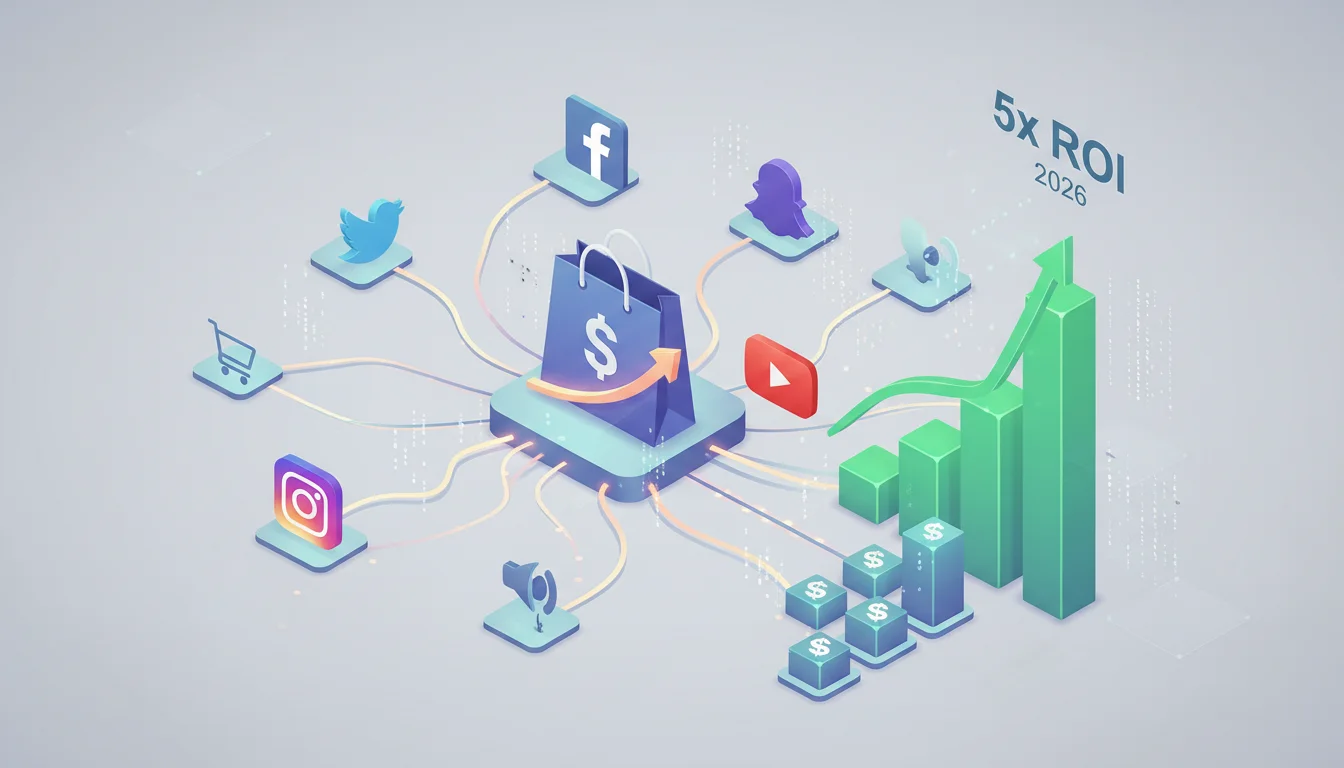
- You should put at least 40% of your Black Friday social ad budget toward retargeting people who’ve already interacted with your brand. It can deliver a 5x return on what you spend.
- Using platform-native tools in your campaigns, like Instagram’s “Gift Guide Creator” or Pinterest’s “Visual Search,” can get 15-20% more people to discover your products.
- Following up after the purchase with thank-you DMs and exclusive offers through social messaging can boost your holiday shopper retention by 10%.
Myth 1: Black Friday Social Media is Only About Discount Announcements
People still seem to think Black Friday on social is all about spamming your feed with discount codes and product photos, but that idea is just wrong. Sure, price matters, but shoppers in 2026 want a real connection and a good experience, not just a cheap price tag. A HubSpot Research report even found 68% of consumers want personalized experiences from brands. Think about it: your feed is going to be a wall of “50% OFF!” from every single one of your competitors. How are you going to stand out? It’s the story you build *before* the sale. We’ve seen huge wins from brands that spent the weeks before Black Friday showing off product benefits, giving behind-the-scenes looks, or running user-generated content campaigns that show how their products fit into real lives. This approach makes your discounts feel earned and more exciting when they do land. Promoting early access for your email list or app users on social builds a real sense of urgency that gets people to buy before the chaos even starts.
“86.4% of marketing teams now use AI somewhere in their workflows. Yet, measuring ROI still tops the challenge list at 33%, according to HubSpot’s 2026 State of Marketing Report.”
Myth 2: You Should Save All Your Best Deals for Black Friday Itself
A lot of brands think they should save their absolute best deals for a big surprise on Black Friday morning, but that strategy usually falls flat on social media today. Shoppers are smart and they start planning their holiday buying way ahead of time, looking for deals throughout November. They aren’t just waiting for one specific day. Look at the data from eMarketer, it consistently shows shopping happens over a “Cyber Month,” not a single peak. You get a huge advantage by dropping some great deals early. When you release a few strong offers in the weeks before Black Friday, you grab attention, lock in early revenue, and get a pre-qualified audience warmed up for your main event. It also lets you test your ads and messaging to see what works, so you can optimize everything for the main push. A phased approach, where you tease upcoming deals and offer limited-time “sneak peeks” to social followers, creates sustained excitement. This extends your selling window and helps you make the most of the entire holiday shopping season, often leading to way higher overall revenue than just going all-in on one day.
Myth 3: Organic Reach is Dead for Black Friday
I hear it all the time: “organic reach is dead.” And yeah, the algorithms definitely push you to pay up, but saying organic is useless for Black Friday is just wrong. That overlooks how powerful real engagement still is. You’re probably not going to get a product post to go viral without ad money, but your organic content is what nurtures your audience and actually makes your paid ads work better. What kind of content gets people to share and talk? Polls, quizzes, user-generated content contests, and interactive stories. When you make something people actually want to engage with, they do your marketing for you. For example, a small boutique in the Pearl District of Portland could run a “wishlist builder” contest on Pinterest Business, asking followers to curate their favorite items for a chance to win a gift card. That kind of thing spreads the word and creates genuine excitement. And when the platforms see that high organic engagement, they often reward your paid ads with better performance. Your organic content should build loyalty and warm up your audience, making every dollar you spend on paid ads more efficient.
Myth 4: You Need to Be on Every Social Media Platform
Lots of brands get this fear of missing out during Black Friday and feel like they have to be on every single social platform. Spreading your team and budget that thin just means you do a mediocre job everywhere instead of a great job somewhere. The truth is, different platforms work for different businesses, and they certainly don’t all perform the same for sales. You need to focus your efforts on where your actual customers are and where your content will hit the hardest. A brand selling high-end visual art supplies will probably kill it on Pinterest and Instagram with beautiful visuals and shoppable pins. But a B2B software company? They’re better off running targeted campaigns on LinkedIn and engaging in professional groups. Ask yourself where your customer’s journey happens. Where do they find new things? Where do they look for reviews? Where do they actually click “buy”? It’s far better to own your space on a couple of key channels than to be a ghost on a dozen of them.
Myth 5: Customer Service Takes a Backseat During Sales Events
When the Black Friday craziness hits, it’s so easy for customer service to get pushed aside while everyone focuses on sales. That’s a huge mistake. The flood of questions about orders, shipping, and tech problems can bury an unprepared team, creating a terrible customer experience that will haunt your brand long after the sale is over. Social media becomes the main customer service line during this time. If you ignore DMs, comments, and public complaints on a platform like X (formerly Twitter), you’re practically asking for a small problem to blow up into a public relations disaster. You have to treat your social channels like an extension of your support desk. Using automated replies for common questions or posting a clear FAQ in your bio can help manage the load. But what’s really essential is having people dedicated to monitoring your social channels for inquiries, with a clear process for handling issues. A good customer service interaction during a stressful shopping event can turn a one-time buyer into a loyal customer for life. Dropping the ball here just burns trust and does real damage to your brand. The sale is just the first step in building a relationship.
Myth 6: Post-Black Friday Social Media is Irrelevant
Too many brands act like Black Friday is the end of the race and pull back on social media the second the sales event is over. This completely misses the chance to build on your momentum and lock in future sales. You just got a huge wave of new customers, right? This is the time to welcome them, show them what your brand is about, and get them to come back. Your content can switch from hard-selling to showing people how to use their new products or sharing customer photos. You could even send out an exclusive “thank you” discount for their next purchase. For instance, a fashion retailer could use Meta Business Suite to create lookbooks with items that were popular during the sale, giving customers ideas and encouraging them to share their own outfits. This keeps you on their radar and builds a community around what you sell. On top of that, all the data from your Black Friday campaigns, what sold, what ads worked, which platforms delivered, is gold for planning your next move. Skipping the post-sale follow-up is like doing all the work to attract a customer and then just walking away. As you can see, winning at Black Friday on social takes more than just posting deals. If you push past these common myths, you can see real growth and build a customer base that sticks around. For more on getting the most out of your online presence, check out how Roblox social listening can provide brand insights. And since knowing your audience is everything, our article on Agentic BI gives you 5 steps to deeper customer insight. AI is also becoming essential for getting better marketing results. See how Agentic AI boosts ROAS by 15%, which is a big deal when you’re trying to justify your campaign spend.
When should we actually start our Black Friday social campaigns?
You need to start at least three to four weeks before the event. That gives you enough time to build hype, run some non-sales content to warm up your audience, and drop some early bird deals.
Are influencers worth it for Black Friday promos?
Yes, especially micro-influencers who have a tight, engaged community that trusts what they say. Just make sure the influencer is a good fit for your brand and their followers are actually your target customers.
How do I know if my Black Friday social media campaign worked?
Track the important stuff: click-through rates, conversion rates (from social specifically), return on ad spend (ROAS), and real engagement like comments and shares. You have to use UTM parameters and the platform’s own analytics to get an accurate picture of what drove sales.
What kind of social media content works best for Black Friday?
Anything interactive tends to do really well, polls, quizzes, live Q&As, and especially shoppable videos. People also respond to behind-the-scenes content, product demos, and testimonials because they’re looking for authenticity and real value, not just a sales pitch.
Should I focus on paid ads or organic content for Black Friday?
You need to do both. A mix is always best. Paid ads get your offers in front of a ton of people and drive sales, but it’s your organic content that builds the trust and community that makes those ads so much more effective.


