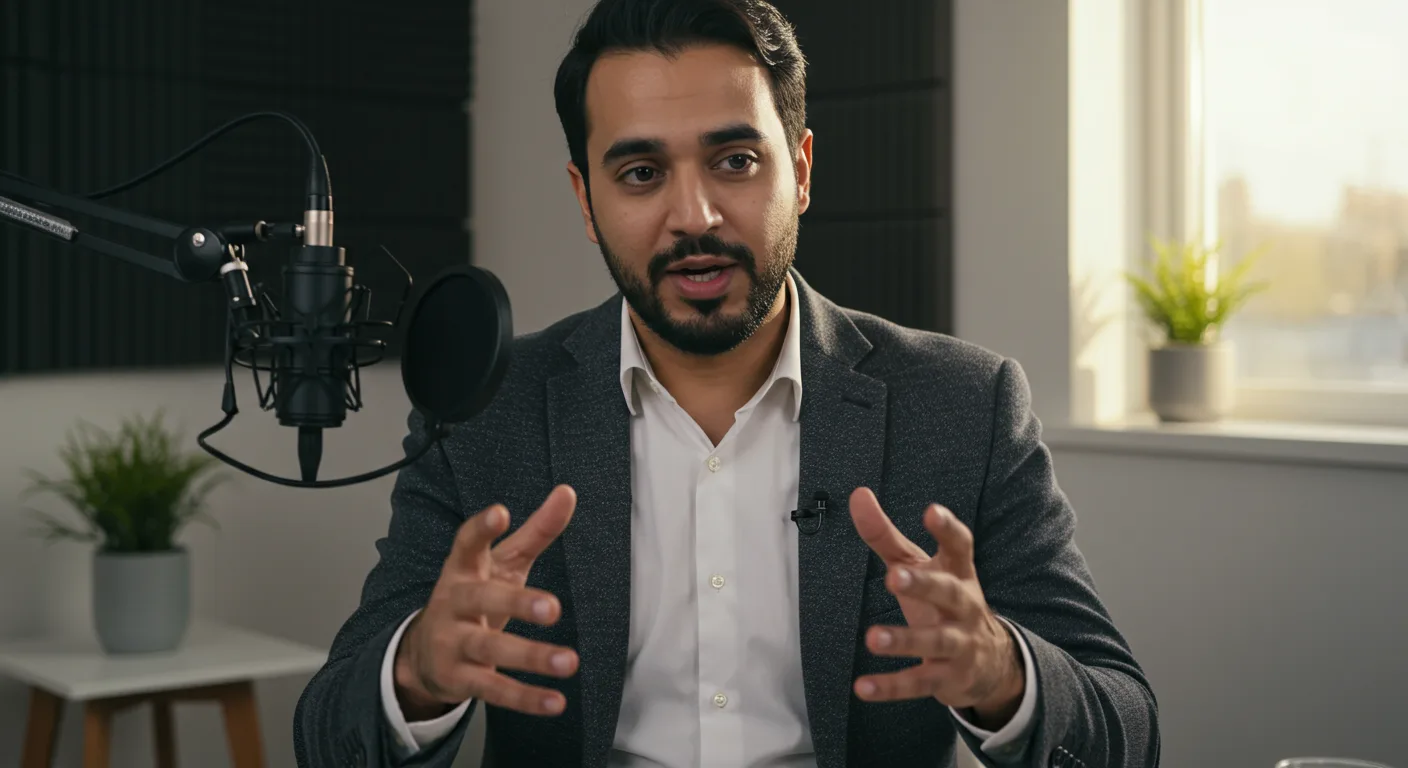
Unlocking Growth: How Authority Exposure Helps Entrepreneurs
In the increasingly competitive entrepreneurial landscape, standing out from the crowd is more critical than ever. Authority exposure helps entrepreneurs build credibility, attract customers, and ultimately, achieve sustainable growth. It’s not just about being known; it’s about being known for something valuable. But how exactly does cultivating authority translate into tangible benefits for your business?
Building Trust and Credibility through Strategic Marketing
One of the primary ways authority exposure helps entrepreneurs is by establishing trust and credibility. In today’s digital age, consumers are bombarded with information and choices. To cut through the noise, you need to demonstrate that you’re not just another business, but a trusted expert in your field. This is especially true when it comes to marketing. People are more likely to buy from, partner with, or invest in someone they perceive as an authority.
Consider this: a 2025 Nielsen study found that 83% of consumers trust recommendations from people they know, while 66% trust online reviews and opinions posted by other consumers. By consistently sharing valuable insights, offering expert advice, and showcasing your expertise, you position yourself as a thought leader. This, in turn, fosters trust and encourages potential customers to choose you over the competition.
Here are a few concrete steps you can take to build trust:
- Consistently create high-quality content: Blog posts, articles, videos, podcasts – whatever format suits your audience best, ensure your content is informative, engaging, and provides real value.
- Engage with your audience: Respond to comments, answer questions, and participate in relevant online communities. This shows you’re accessible and genuinely care about your customers.
- Solicit and showcase testimonials and reviews: Positive reviews are powerful social proof. Make it easy for customers to leave reviews and prominently display them on your website and social media channels.
- Partner with other authorities: Collaborating with established experts in your field can significantly boost your credibility. This could involve guest blogging, joint webinars, or co-creating content.
For example, if you are a financial advisor, providing free webinars on retirement planning can establish you as an authority. Sharing client success stories (with their permission, of course) also builds trust by showing real-world results.
From my experience working with startups in the fintech space, I’ve seen firsthand how those who consistently published insightful market analysis and regulatory updates attracted significantly more investment and customer interest than those who solely focused on product promotion.
Attracting New Customers and Clients with Targeted Marketing
Beyond building trust, authority exposure helps entrepreneurs directly attract new customers and clients. When you are seen as an expert, people actively seek out your knowledge and services. Think of it as inbound marketing at its finest: instead of chasing leads, they come to you.
This attraction happens through several channels:
- Search engine optimization (SEO): When you create high-quality content around relevant keywords, you improve your website’s ranking in search results. This means more organic traffic from people actively searching for solutions you offer.
- Social media visibility: Sharing your expertise on social media platforms increases your reach and attracts followers who are interested in your niche.
- Referrals: Satisfied clients and customers are more likely to refer you to others when they perceive you as an authority.
- Media coverage: Being featured in industry publications or news outlets further amplifies your reach and credibility.
To maximize your customer acquisition efforts, focus on these tactics:
- Identify your target audience’s pain points: What challenges are they facing? What questions are they asking? Create content that directly addresses these issues.
- Optimize your content for search engines: Use relevant keywords, write compelling meta descriptions, and ensure your website is mobile-friendly. Ahrefs and Semrush are great tools for keyword research and SEO analysis.
- Promote your content strategically: Share your content on social media, email newsletters, and relevant online forums.
- Track your results: Use Google Analytics to monitor your website traffic, track your social media engagement, and measure the effectiveness of your marketing campaigns.
For instance, a cybersecurity consultant who regularly publishes articles on the latest data breach threats and prevention strategies will attract businesses seeking protection. By demonstrating expertise, they become the go-to resource for these companies.
Boosting Sales and Revenue Through Expert Marketing
Ultimately, the goal of any business is to increase sales and revenue. Authority exposure helps entrepreneurs achieve this by influencing purchasing decisions. When potential customers perceive you as an expert, they are more likely to choose your products or services, even if they are priced higher than the competition. This is because they believe they are getting superior value and expertise.
Here’s how authority translates into increased sales:
- Higher conversion rates: When visitors trust your expertise, they are more likely to convert into paying customers.
- Premium pricing: You can justify charging higher prices for your products or services when you are seen as an authority.
- Increased customer lifetime value: Satisfied customers who trust your expertise are more likely to remain loyal and make repeat purchases.
To leverage your authority for increased sales, consider these strategies:
- Offer premium products or services: Develop high-value offerings that cater to your target audience’s specific needs.
- Create compelling sales copy: Highlight your expertise and the benefits of your products or services in your marketing materials.
- Offer guarantees and warranties: This reduces the risk for potential customers and increases their confidence in your offerings.
- Provide exceptional customer service: Go above and beyond to meet your customers’ needs and build lasting relationships.
A personal trainer who has published books on fitness and nutrition, and who frequently appears on local TV shows, can charge premium rates for their services because they have established themselves as an authority in the fitness industry.
Expanding Your Network and Opportunities through Marketing
Beyond attracting customers, authority exposure helps entrepreneurs expand their network and unlock new opportunities. When you are known as an expert, you attract the attention of other industry leaders, potential investors, and strategic partners. This can lead to collaborations, funding opportunities, and other valuable connections.
Here’s how authority expands your network:
- Increased networking opportunities: You are more likely to be invited to speak at industry events, participate in panels, and attend exclusive gatherings.
- Attracting investors: Investors are more likely to invest in businesses led by individuals with proven expertise and a strong track record.
- Strategic partnerships: Other businesses may seek to partner with you to leverage your expertise and reach your audience.
To maximize your networking potential, focus on these actions:
- Attend industry events: Network with other professionals and share your expertise.
- Speak at conferences and webinars: Showcase your knowledge and connect with potential partners and investors.
- Join relevant online communities: Participate in discussions and share your insights.
- Reach out to other industry leaders: Connect with influencers and build relationships.
A software developer who has developed a popular open-source library and actively participates in online forums will attract the attention of other developers, potential employers, and companies seeking to integrate their library into their products.
Long-Term Sustainability and Brand Building with Marketing
Finally, authority exposure helps entrepreneurs build a sustainable brand that stands the test of time. While short-term marketing tactics can generate quick results, building authority creates a lasting legacy. A strong brand built on expertise and trust is more resilient to market fluctuations and competitive pressures.
Here’s how authority contributes to long-term sustainability:
- Brand recognition: A strong brand built on expertise is easily recognizable and memorable.
- Customer loyalty: Customers are more likely to remain loyal to a brand they trust and perceive as an authority.
- Competitive advantage: A strong brand built on expertise provides a sustainable competitive advantage.
To build a sustainable brand, focus on these long-term strategies:
- Consistently deliver value: Provide exceptional products, services, and content that exceed your customers’ expectations.
- Maintain a strong reputation: Protect your brand’s reputation by addressing customer concerns promptly and ethically.
- Continuously innovate: Stay ahead of the curve by constantly learning, adapting, and developing new solutions.
A consulting firm that has consistently provided valuable advice and delivered successful results for its clients over many years will build a strong brand that attracts new clients and retains existing ones, even in a competitive market.
Building authority isn’t a quick fix. It’s a long-term investment that requires dedication, consistency, and a genuine desire to help others. But the rewards – increased trust, more customers, higher sales, and a sustainable brand – are well worth the effort.
What is authority exposure?
Authority exposure is the process of strategically showcasing your expertise and knowledge to build credibility and influence within your industry. It involves creating and sharing valuable content, engaging with your audience, and seeking opportunities to position yourself as a thought leader.
How long does it take to build authority?
Building authority is a long-term process that can take months or even years. It requires consistent effort and dedication. The specific timeline depends on factors such as your industry, your target audience, and the effectiveness of your marketing strategies.
What are some common mistakes to avoid when building authority?
Common mistakes include focusing solely on self-promotion, neglecting your audience’s needs, failing to provide valuable content, and engaging in unethical practices. It’s important to prioritize providing value, building trust, and maintaining a strong reputation.
How can I measure the success of my authority building efforts?
You can measure your success by tracking metrics such as website traffic, social media engagement, search engine rankings, customer reviews, and sales conversions. Additionally, monitor your brand mentions and assess the overall perception of your expertise within your industry.
What tools can help me with authority exposure?
In conclusion, embracing authority exposure is a potent strategy for entrepreneurs aiming to thrive in a competitive market. By prioritizing trust, delivering value, and consistently showcasing your expertise through targeted marketing, you can attract new customers, boost sales, and build a sustainable brand. Take action today by identifying one area where you can showcase your expertise and start creating valuable content that resonates with your target audience.




