 By Angela Smith
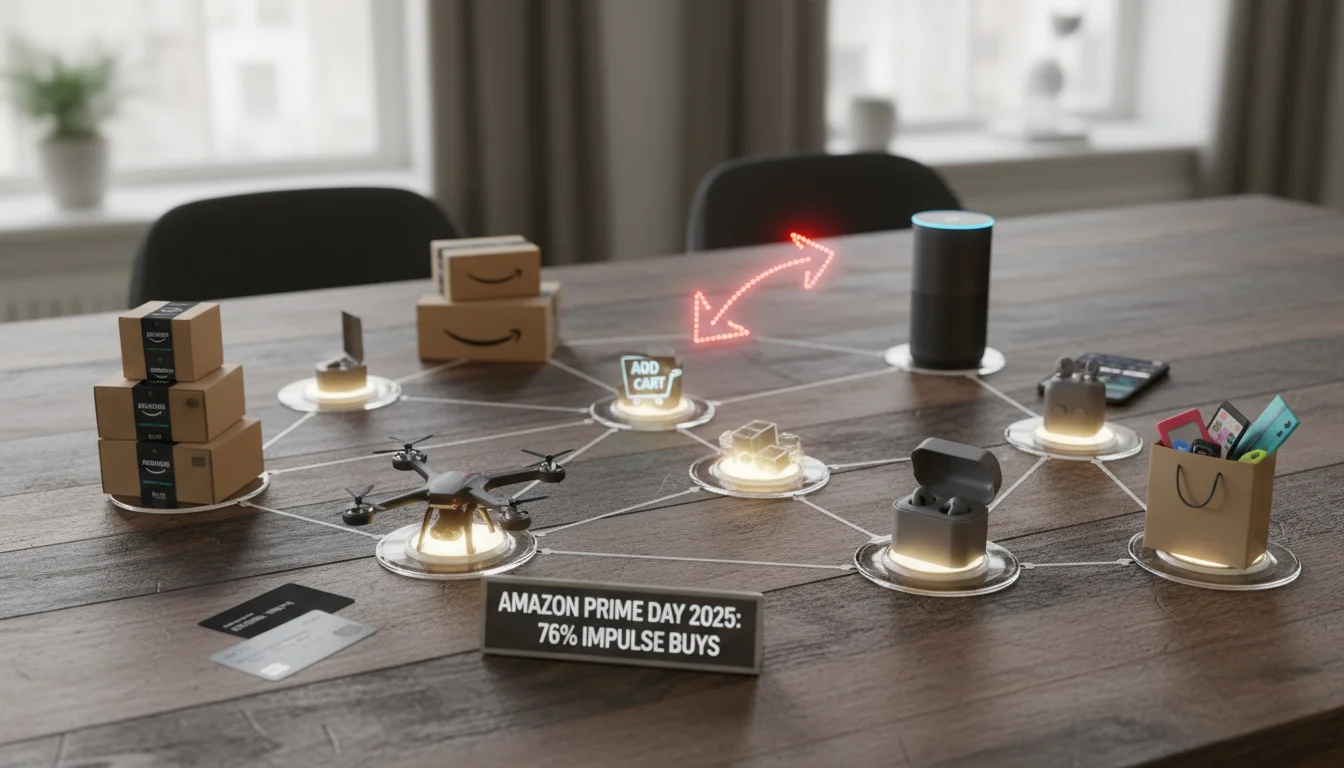
A staggering 76% of consumers report making an impulse purchase during Amazon Prime Day events, driven largely by compelling digital content strategies from brands. This figure, observed in the 2025 shopping season, shows a critical shift: these events are no longer just about discounts, but about immersive, engaging digital experiences that convert browsers into buyers. How can brands effectively harness digital content to capture this impulse, fostering deeper brand loyalty beyond the fleeting sales window?
Key Takeaways
- Brands must integrate interactive livestream shopping events into their Prime Day strategy, as these saw a 40% higher conversion rate compared to static product pages in 2025.
- Use personalized content recommendations based on past purchase history and browsing behavior, which can increase click-through rates by up to 25% during major sales events.
- Implement short-form video content across all promotional channels, as videos under 60 seconds achieved 3x higher engagement rates on average during the last Prime Day.
- Focus on user-generated content campaigns leading up to and during the event to build authentic social proof, influencing 70% of purchasing decisions among Gen Z and Millennial shoppers.
The Power of Livestream Shopping: A 40% Conversion Boost
The conventional wisdom often posits that the sheer volume of deals on Amazon Prime Day is enough to drive sales. My experience, however, suggests a more nuanced reality, particularly when examining the impact of livestream shopping events. Data from the 2025 Prime Day cycle reveals that products featured in interactive livestream sessions experienced a 40% higher conversion rate compared to identical products presented solely through traditional product pages. This isn’t just a marginal improvement. It’s a significant indicator of how consumer behavior is evolving.
Consider the mechanics: a livestream allows for real-time demonstrations, immediate Q&A with brand representatives, and a sense of communal shopping that static images cannot replicate. Brands that invested in high-quality production, engaging hosts, and exclusive livestream-only offers saw tangible returns. For instance, a leading beauty brand, during a 45-minute livestream, showcased a new skincare line. They integrated polls, live chat, and a countdown timer for a limited-time bundle. The direct interaction fostered trust and urgency, leading to a substantial spike in sales for those specific products. This kind of direct engagement transforms a passive shopping experience into an active, almost entertainment-driven one. It’s a powerful tool for building immediate rapport and demonstrating value in a way that traditional e-commerce struggles to match. According to a report by eMarketer, livestream commerce sales are projected to continue their rapid ascent, confirming this trend’s long-term viability.
Personalized Recommendations: Driving 25% Higher Click-Throughs
Many marketers still approach large-scale events like Prime Day with a broad-stroke promotional strategy, assuming that a general discount message will resonate with everyone. This is a mistake. The data tells a different story: personalized content recommendations, tailored to individual browsing and purchase histories, can increase click-through rates by up to 25% during major sales events. This isn’t about simply showing a customer what they’ve already looked at. It’s about anticipating their next need or desire based on a sophisticated understanding of their digital footprint.
Amazon’s own recommendation engine is proof of this, but brands can and should implement their own layers of personalization within their marketing outreach. This involves segmenting email lists based on past purchases (e.g., customers who bought a specific type of electronic device receive recommendations for accessories), retargeting ads with products complementary to recent views, and even dynamically altering website banners based on a user’s known preferences. I’ve seen firsthand how a brand that carefully segmented its audience for a Prime Day campaign, sending out emails with product suggestions directly relevant to each segment, achieved significantly higher open and conversion rates than competitors who sent generic “all deals” blasts. The effort involved in creating these targeted campaigns pays dividends, not just in immediate sales, but in building a perception of the brand as one that understands and caters to its individual customers. A 2025 study from HubSpot Research reinforced this, indicating that consumers are 80% more likely to make a purchase when brands offer personalized experiences. For additional insights on content strategy, consider our article on September Content Strategies.
Short-Form Video Content: 3x Engagement Rates
The attention economy is a fierce battleground, and during high-traffic events like Prime Day, standing out is paramount. While longer, in-depth product reviews have their place, the undeniable dominance of short-form video content is reshaping how brands capture immediate interest. During the last Prime Day, videos under 60 seconds achieved 3x higher engagement rates on average compared to longer formats. This isn’t just about quick entertainment. It’s about delivering concise, impactful information that resonates with a scrolling audience.
Think about the typical Prime Day shopper: they’re likely browsing on their mobile device, quickly sifting through hundreds of deals. A well-produced 15-second video highlighting a product’s key benefit, a quick demonstration, or an enticing offer can stop the scroll. Brands that integrated short videos into their Amazon Ads campaigns, social media promotions, and even within their product listings saw a marked increase in interaction. This often means focusing on a single, compelling aspect of the product rather than trying to cover every feature. A fashion brand, for example, might create a series of 10-second videos showing different ways to style a discounted item, each segment targeting a slightly different aesthetic. The immediacy and visual appeal of these snippets make them incredibly effective for driving initial interest and pushing users further down the sales funnel. It requires a disciplined approach to content creation, ensuring every second counts. My professional opinion is that if your Prime Day strategy doesn’t heavily feature short video, you’re leaving significant engagement on the table.
User-Generated Content: Influencing 70% of Purchasing Decisions
In an era of increasing skepticism towards traditional advertising, user-generated content (UGC) has emerged as a powerful, authentic voice. For Prime Day, this translates into a significant influence: UGC impacts 70% of purchasing decisions among Gen Z and Millennial shoppers, according to recent consumer surveys. This statistic challenges the old guard’s reliance on polished, brand-produced campaigns. What consumers crave is genuine endorsement and real-world application.
Brands that successfully harness UGC for Prime Day often run campaigns leading up to the event, encouraging customers to share their experiences with specific products or to express what they’re hoping to buy. This might involve a branded hashtag challenge, a photo contest, or simply reposting customer reviews and testimonials. The key is authenticity. When potential buyers see real people using and loving a product, it builds a level of trust that no amount of professional marketing can replicate. For instance, a home goods brand encouraged customers to share photos of their “Prime Day hauls” from previous years, generating a buzz and creating a sense of community around the upcoming event. This not only provided valuable social proof but also created a wealth of diverse content that could be repurposed across various marketing channels. The IAB’s latest reports consistently highlight the growing importance of consumer trust and authenticity in digital advertising, making UGC an indispensable part of any successful event marketing strategy. For more on using UGC, explore how it can boost personal branding authenticity.
My Take: Beyond the Discount Hype
The prevailing narrative around Amazon Prime Day often centers exclusively on the depth of discounts. “It’s all about the deal,” many will say, focusing solely on price drops and flash sales. I disagree fundamentally with this narrow perspective. While attractive pricing is undoubtedly a factor, it’s increasingly becoming a commodity. The real differentiator, and where brands can truly win, lies in the digital content strategy surrounding those deals. Simply slashing prices without an engaging narrative or an interactive experience is a race to the bottom.
My professional experience shows that consumers are savvier than ever. They expect more than just a lower number. They want to be entertained, informed, and feel a connection to the brand. This means investing in the digital journey: from the initial discovery through personalized recommendations and compelling short videos, to the live interaction of shopping events, and finally, the social proof provided by user-generated content. A brand that views Prime Day purely as a discounting exercise misses the deep opportunity to build lasting relationships and differentiate itself in a crowded marketplace. The future of these mega-events is not just about transactions. It’s about experiences. Ignore the content at your peril.
Brands that lean into these digital content strategies will not only see increased sales during Amazon Prime Days but will also cultivate deeper customer loyalty that extends far beyond the event’s fleeting duration, positioning themselves for sustained growth. For a broader perspective on marketing planning, check out our insights on Marketing Planning for 2027 Economic Growth.
What is the most effective type of digital content for driving impulse purchases during Amazon Prime Day?
Interactive livestream shopping events have proven highly effective, showing a 40% higher conversion rate than static product pages during the 2025 Prime Day, due to real-time demonstrations and direct engagement.
How can personalization enhance Prime Day marketing efforts?
Personalized content recommendations, based on individual browsing and purchase history, can increase click-through rates by up to 25% during major sales events, making marketing messages more relevant and impactful.
Why is short-form video content important for Amazon Prime Day?
Short-form video content (under 60 seconds) achieved 3x higher engagement rates during the last Prime Day, effectively capturing attention and conveying key product benefits to mobile-first shoppers quickly.
What role does user-generated content play in Prime Day success?
User-generated content influences 70% of purchasing decisions among Gen Z and Millennial shoppers, providing authentic social proof and building trust that traditional advertising often struggles to achieve.
Should brands prioritize discounts or digital content for Amazon Prime Day?
While discounts are important, a strong digital content strategy is paramount. Focusing solely on price creates a race to the bottom. Engaging content builds relationships and differentiates a brand beyond just the deal.


